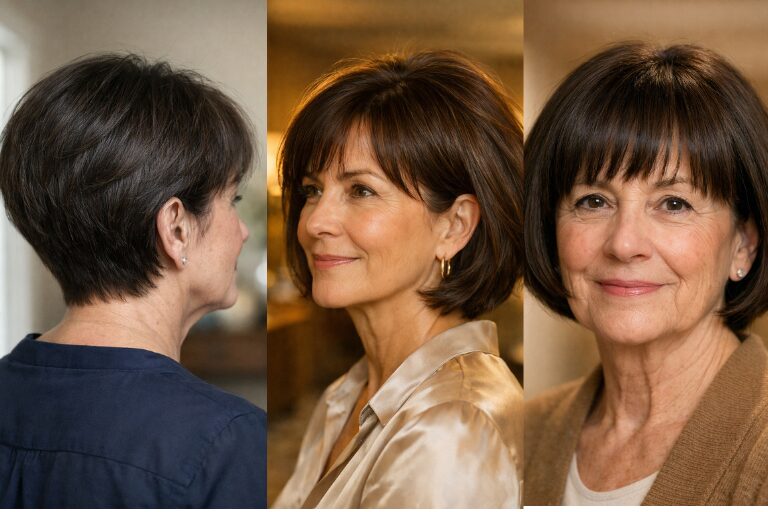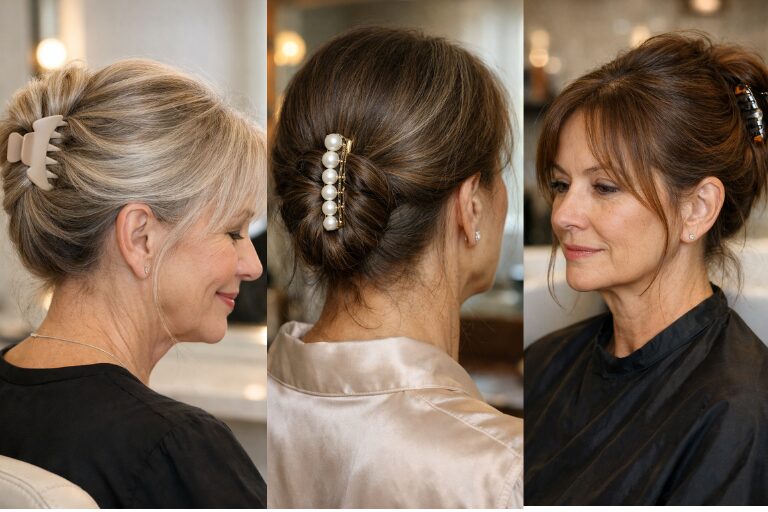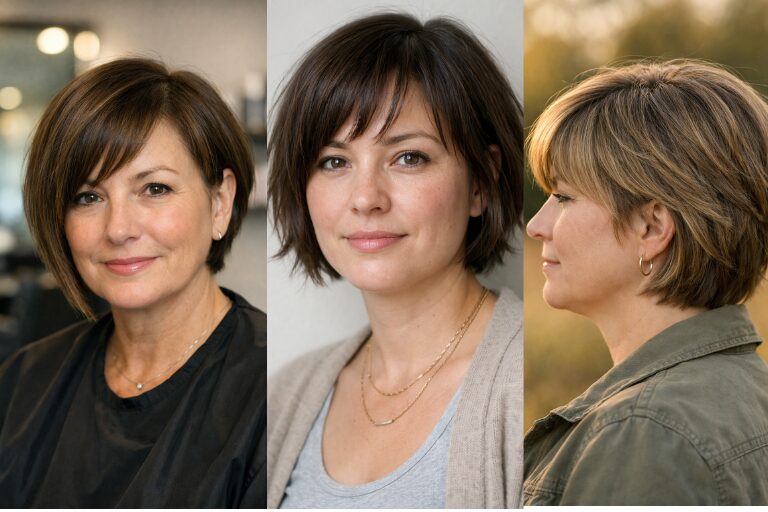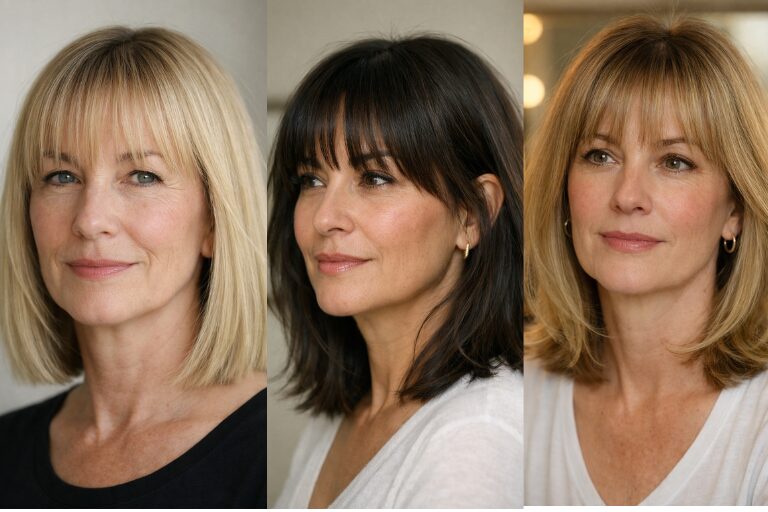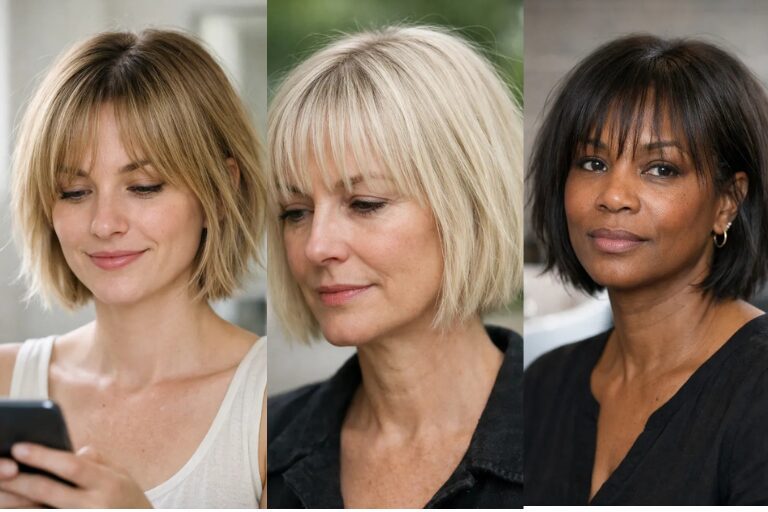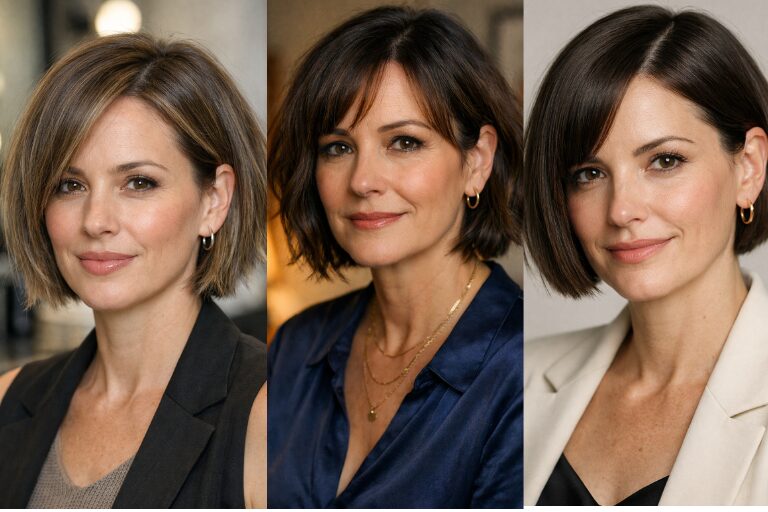
20 Shoulder-Length Hairstyles for Thin Fine Hair That Look Fuller, Stronger, and Genuinely Wearable
Shoulder length is the sweet spot for thin fine hair — and not just because it’s a compromise between long and short. It works because the shoulder-length range is where fine hair’s natural weight concentrates most effectively. Long enough that gravity keeps the hair lying smooth and controlled, short enough that the ends don’t have time to become the sparse, trailing tips that fine hair develops at greater lengths. The result is a length that consistently looks fuller than either shorter or longer versions of the same hair.
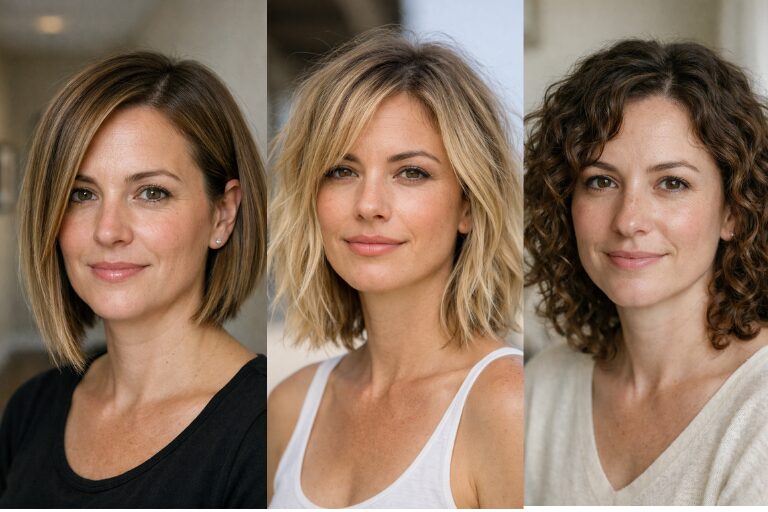
The cuts below build on that foundation by adding the specific shaping decisions that make shoulder-length hair work even better for fine textures — a strong baseline that prevents the wispy end problem, subtle layering placed where lift is needed rather than distributed throughout, face-framing that draws the eye to the best features without thinning the overall shape, and fringe options for those who want the added density benefit at the front.
The Three Decisions That Determine Everything
Before choosing a specific style, three technical decisions have more impact on how full shoulder-length fine hair looks than any individual cut choice.
Baseline strength. The bottom edge of any shoulder-length cut is what reads as density from a distance. A strong, clean baseline — blunt or very lightly textured — looks substantially fuller than a heavily graduated or excessively thinned one. If there’s one instruction to give your stylist for fine hair at shoulder length, it’s to preserve the end weight.
Part placement. A side part creates immediate asymmetric root lift that a center part doesn’t. For fine hair that struggles with crown volume, the difference between a centered and a side part can be significant — the side part pushes more hair across one side of the head, creating density at the root that’s genuinely difficult to achieve any other way.
Layer placement. Layering in shoulder-length fine hair should be targeted rather than comprehensive. Crown layers for lift, face-framing layers for shape around the cheeks, and light internal layering to create movement — not layers distributed throughout that remove the density fine hair needs to look full at the ends.
20 Shoulder-Length Hairstyles for Fine Thin Hair
1. Angled Lob

A slightly angled cut that hits just past the jaw at the front and dips slightly shorter at the back — the angle creates a natural directional swing that adds movement to fine hair without requiring waves or elaborate styling to maintain it. The deep side part and smooth finish give the perimeter a strong, thick-looking outline, and the light internal layering allows movement without compromising the end weight.
Ask for: Light internal layering that preserves the perimeter weight. A subtle angle rather than a dramatic one — enough to create swing, not enough to look like a significant style statement. Side part for root lift.
Best for: Women who want a polished, directional lob that looks styled even when it isn’t. Works in professional settings and suits most face shapes.
2. Asymmetrical Lob

One side kept slightly longer than the other — the visual asymmetry creates shape and interest without requiring internal layering, which is the ideal approach for fine hair that needs to preserve every bit of density it has. The shorter side tucked behind the ear adds lift at the root, and the longer side provides the face-framing weight that prevents the asymmetry from looking accidental.
Ask for: A subtle length difference rather than a dramatic one — the asymmetry should look intentional but not extreme. Blunt ends on both sides rather than layered. The shorter side kept to the length that still covers the ear comfortably.
Best for: Women who want visual interest and shape from their cut rather than their styling routine. A strong option for those who prefer not to use heat tools daily.
3. Beachy Textured Lob

Loose bends and piecey separation through a shoulder-length lob — not full waves but a controlled, slightly undone texture that creates the visual impression of more hair than a smooth, flat style would. The key for fine hair is keeping the ends structured while creating movement in the mid-sections, which prevents the wispy quality that full beachy waves can develop on fine hair.
Ask for: Loose bends rather than tight waves — the texture should look like movement, not effort. A light mousse through damp hair before air or diffuse drying produces this texture most naturally on fine hair.
Best for: Women who want a relaxed, natural-looking lob that styles easily. Works particularly well on fine hair that has any natural wave or texture to work with.
4. Bottleneck Bangs With Shoulder-Length Layers

A bottleneck fringe — fuller at the center and tapering to cheekbone length at the sides — on a shoulder-length cut with light layers that keep the overall shape moving. The bottleneck fringe specifically benefits fine hair because it uses more hair at the center where it’s most visible and thins naturally toward the sides where less density is needed. It creates the face-framing fullness that fine hair often lacks at the front.
Ask for: Bottleneck fringe that tapers naturally to cheekbone length at the sides, shoulder-length layers kept subtle through the body of the cut. Blow-dry the fringe forward before sweeping to the side for the best result.
Best for: Women who want a fringe that creates front-of-face fullness without the maintenance demands of a full blunt bang.
5. Classic Collarbone-Length Lob
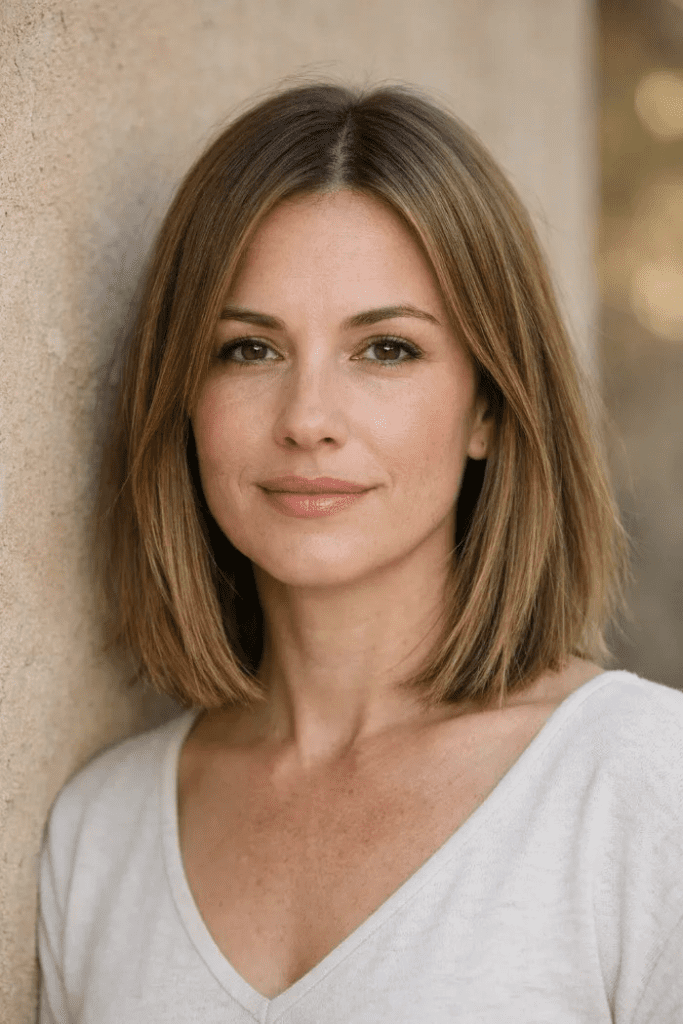
A clean, strong-perimeter lob at collarbone level with minimal internal layering — this is the most reliable and universally flattering shoulder-length option for fine hair precisely because it relies on shape rather than texture for its effectiveness. The strong perimeter concentrates fine hair’s density into a visible, defined edge that reads as thick, and the collarbone length is long enough to hold the weight that makes fine hair look full.
Ask for: Strong perimeter with minimal layering. A smooth finish blowout with a round brush for the best result. Trim every eight to ten weeks to maintain the strong baseline.
Best for: Women who want the most reliable, low-maintenance shoulder-length option for fine hair. Works for professional settings, casual wear, and most face shapes.
6. Italian-Inspired Beveled Lob

A polished collarbone cut with ends that are slightly beveled — rolled slightly inward at the tips rather than cut completely straight — creating a rounded, fuller-looking baseline that reads as thicker than a hard blunt cut or a heavily layered one. The beveled finish is what gives this style its name and its distinctive quality: the curl-under adds volume at the perimeter without requiring a round brush or heat tools to maintain.
Ask for: Slightly beveled ends cut to curl under naturally, a soft side part for root lift, and a quick brush-through blowout for the most polished finish. The beveling should be subtle — the ends should look rounded, not dramatically rolled under.
Best for: Women who want a slightly more classic and refined shoulder-length style. Works beautifully on straight fine hair where the bevel can be maximized.
7. Shoulder-Length Curly Cut

A shoulder-length cut designed specifically for fine curly or wavy hair — keeping layers longer than a standard curly cut to prevent the triangle shape that fine curly hair tends to develop, and allowing the curls to stack naturally rather than forcing them into a specific shape. The goal is fullness distributed evenly through the length rather than concentrated at the ends or collapsed at the crown.
Ask for: Longer layers than a standard curly cut to prevent the triangle effect. Cuts performed on dry, natural hair rather than stretched if possible, so the stylist can see exactly how the curls sit. Lightweight curl cream and diffuser for definition without flattening.
Best for: Fine hair that has natural curl or wave and wants to embrace that texture fully at shoulder length.
8. Mid-Length C-Curve Cut

A mid-length cut with subtle C-shaped face-framing layers that curve inward at the ends — the inward curve creates a shape that draws the eye to the face rather than downward to where fine hair might look sparse, and the weighted ends throughout the rest of the cut provide the fullness that a layered cut on fine hair needs to maintain. The face-framing C-shape is the only significant layering, leaving the rest of the cut dense and strong.
Ask for: Subtle C-shaped face-framing specifically, strong end weight throughout the rest of the cut, a round brush style through the front sections to reinforce the C-curve shape.
Best for: Women who want the benefits of face-framing without the risk of over-layering the rest of the cut. A targeted approach that gives fine hair maximum structural support.
9. Mid-Length Hush Cut

A hush cut — so named for the gentle, blended quality of its layering — that adds movement and subtle airiness without the aggressive texturizing that removes density from fine hair. The layers are airy and specifically placed to address crown flatness rather than distributed throughout, and the fringe option adds the front-of-face density that fine hair often needs most.
Ask for: Airy, blended layers concentrated at the crown for lift, light fringe if desired, movement through the mid-sections rather than through the ends. Root spray before finger styling for the most natural lift.
Best for: Women who want a relaxed, contemporary mid-length style that addresses crown flatness without sacrificing end fullness.
10. Modern Soft Wolf Cut

A wolf cut adapted for fine hair — the crown and upper sections have more significant layering for lift and volume while the lower sections and ends keep more weight, creating a shape that gives fine hair the crown volume of a wolf cut without the wispy end problem that a fully aggressive wolf cut produces on thin hair. The result looks lived-in and current without looking sparse.
Ask for: Longer layers than a standard wolf cut — specifically ask to keep more weight through the ends and lower sections. Wispy texture through the upper sections rather than razored thinning. Mousse scrunched through before air drying for the most natural finish.
Best for: Women who want the contemporary wolf cut aesthetic adapted to work with their fine hair density. Works on shoulder-length fine hair with any natural texture.
11. Soft S-Wave Lob
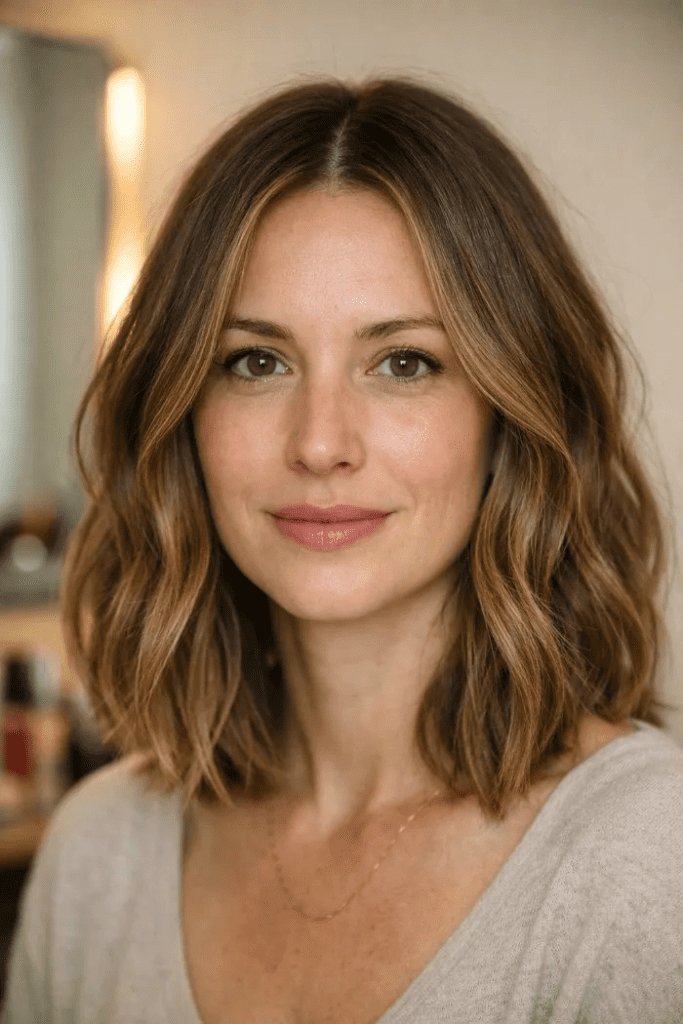
Gentle S-shaped bends through a shoulder-length lob that begin at mid-length and allow the roots to stay relatively flat while the ends gain body and texture — the mid-length starting point for the wave is specifically beneficial for fine hair because it prevents the root volume loss that waving from the root can cause, while the bend through the ends creates the width and movement that makes fine hair look fuller.
Ask for: A one-inch iron for the softest possible S-wave rather than a tight curl. Brush through after curling while still warm for the diffused wave pattern. A light texturizing spray to set and maintain the wave through the day.
Best for: Women who style with heat regularly and want a shoulder-length look that adds width and movement through the ends.
12. Romantic Loose Waves
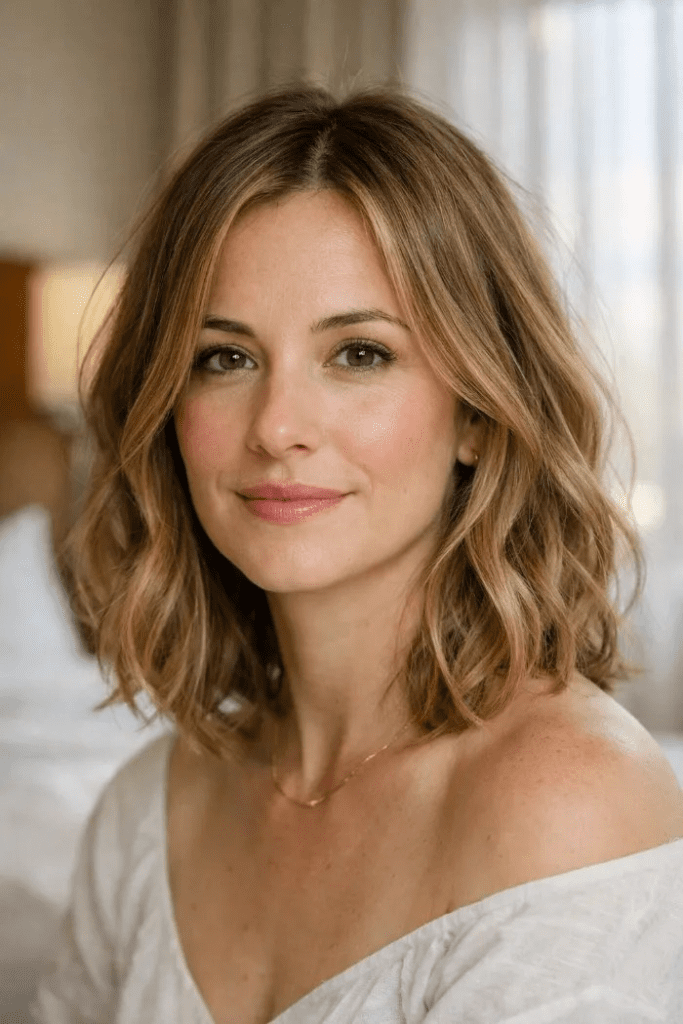
Full, loose waves through a shoulder-length cut that create the widest silhouette and most voluminous appearance of any styling approach on this list — the volume sits through the sides and mid-sections rather than at the root, which makes fine hair look substantially wider and softer. The key is minimal layering so the waves don’t separate into thin individual pieces.
Ask for: Minimal layering and healthy, strong ends to support the wave pattern. A heat protectant before styling adds shine as well as protection. The waves should be large and loose rather than tight — the goal is width, not curl.
Best for: Special occasions, events, or any day when maximum fullness is the priority. Works on fine hair with enough density to hold a wave without falling flat within hours.
13. Simple Shoulder-Length Blunt Cut

A straightforward, uncomplicated shoulder-length cut with a strong, near-blunt perimeter and minimal styling — this style demonstrates that fine hair at shoulder length doesn’t need elaborate technique or careful layering to look full and intentional. The blunt end does everything: it creates a defined edge that reads as density, it holds its shape as the hair grows, and it photographs clean and full from every angle.
Ask for: Strong perimeter with very minimal or no internal layering. A simple smooth blowout or a slight bend at the ends for body. Nothing more than is actually needed.
Best for: Women who want the lowest-maintenance shoulder-length option with the highest fullness return. The most reliable single cut decision for fine hair at this length.
14. Glass Hair Lob
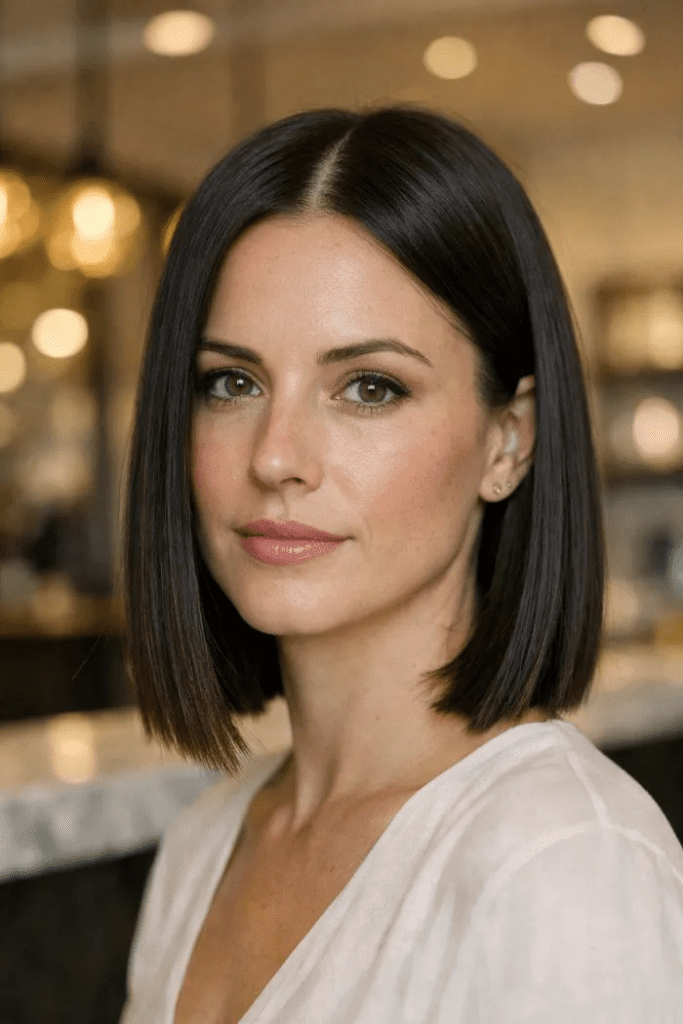
A crisp-lined, high-shine lob that prioritizes luminosity and precision over movement or texture — the glass hair approach works specifically well for fine hair because the reflective surface makes the hair look healthier, denser, and more substantial than a dull or frizzy surface would. The clean part and smooth perimeter add to the precision that makes this read as genuinely polished.
Ask for: Blunt cut with a clean, precise part. Smoothing cream before flat ironing in slow, even passes rather than quick sweeps. A shine mist over the finished style for the glass-like luminosity that defines this look.
Best for: Professional settings and occasions where a polished, high-finish look is the goal. Works on straight fine hair where maximum shine can be achieved.
15. Soft Layered Lob

Gentle internal layers and subtle face-framing that add movement without sacrificing the end density that fine hair needs — this is the layered lob designed specifically to avoid the most common layered-lob mistake on fine hair, which is layering too aggressively and leaving ends that look thin and sparse. Everything about this cut is soft and subtle.
Ask for: Gentle shaping around the face and very light internal layers through the ends. Ask explicitly for soft, not significant, layering — less than you think you need is the right approach for fine hair. A blowout finish for the best result.
Best for: Women who want the movement benefits of a layered lob without the density cost that aggressive layering imposes on fine hair.
16. Soft Shoulder-Length Shag

A shoulder-length shag with longer, more conservative layers than a standard shag cut — this adaptation specifically addresses fine hair’s density concerns by keeping the end weight sufficient to look full while still achieving the crown lift and face-framing movement that define the shag format. The result looks like a shag but doesn’t create the wispy end problem that a shorter or more aggressive shag would on fine hair.
Ask for: Longer layers than a standard shag, wispy texture at the top rather than heavy thinning throughout. Mousse scrunched through before air drying for the natural, relaxed finish that shags are designed to produce.
Best for: Women who want the contemporary shag aesthetic in a format that works with their fine hair rather than against it.
17. Soft Textured Layers

Blended, airy layers that create movement and definition without removing the perimeter weight that makes fine hair look full — this approach concentrates the layering at the crown and through the upper mid-sections while leaving the lower sections and ends relatively strong. The result is a shoulder-length cut that looks dimensional and full from crown to tip rather than heavy at the bottom and flat at the top.
Ask for: Layers concentrated through the crown and upper mid-sections for lift and movement, stronger perimeter through the lower sections. Root spray before rough-drying for lift and separation through the top.
Best for: Women who struggle specifically with crown flatness and want a cut that addresses that problem without sacrificing the end fullness that holds the shoulder-length shape together.
18. Strong Blunt Baseline Lob

A lob built entirely around the power of a strong, well-maintained blunt baseline — the simplest and most directly effective technique for making fine hair look thick at shoulder length. The weight stays in the perimeter rather than being distributed through layers, and the result is an end section that looks denser and more intentional than any heavily layered alternative would on the same hair.
Ask for: A strong blunt baseline at collarbone to shoulder level. Minimal internal layering — ask your stylist to be conservative. Regular trims every eight to ten weeks to maintain the baseline strength that makes this cut work.
Best for: Women who want the most direct, reliable approach to fine hair fullness at shoulder length. The cut with the simplest formula and the most consistently full result.
19. Wispy Bangs With Invisible Layers
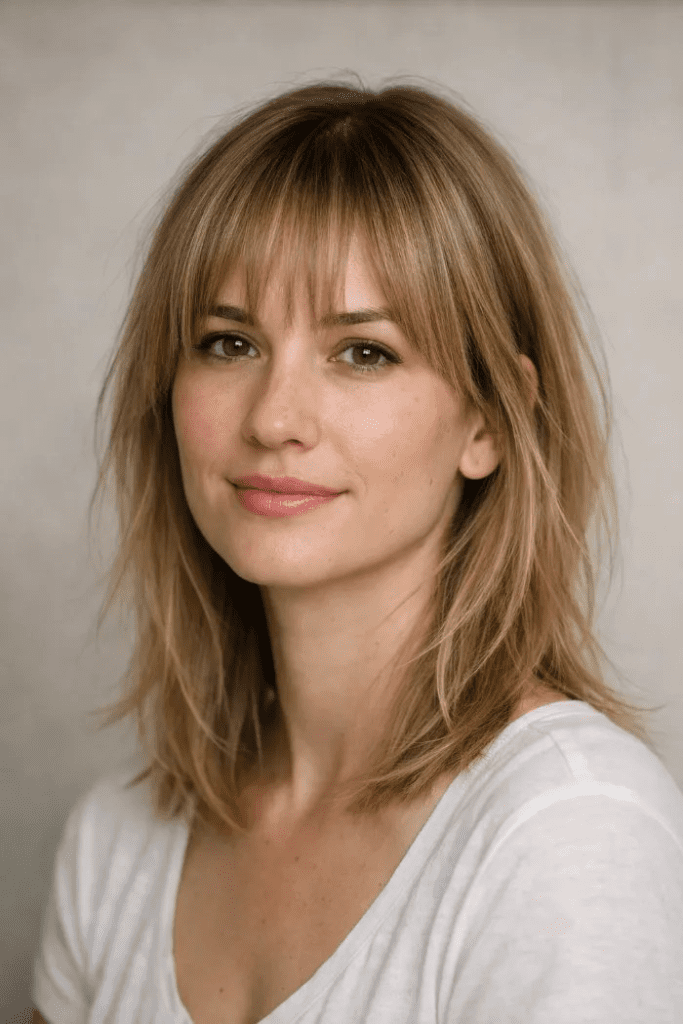
A shoulder-length cut with wispy, barely-there bangs that add front-of-face density and invisible internal layers that create movement without visible choppiness — the invisible layering is the technique distinction here. The layers are placed to support movement beneath the surface without creating the stepped, visible layer separation that makes fine hair look sparse. From the outside the cut looks full and clean while the interior allows natural movement.
Ask for: Invisible or internal layers rather than visible surface layers. Wispy bangs that blend naturally into the face-framing sections. Blow-dry the bangs before the rest of the length for the most consistent, controlled finish.
Best for: Women who want a shoulder-length cut that looks professionally and intentionally full without obvious layering or texture visible at the surface.
20. Curtain Fringe Lob

A shoulder-length lob with airy curtain bangs that part gently at the center and sweep toward the cheekbones — the curtain fringe creates immediate fullness around the eyes and cheeks where fine hair most benefits from added density, and the longer sides of the curtain blend naturally into the lob’s face-framing sections as they grow. This is the fringe choice that requires the least maintenance and the most consistent flattering result on fine hair.
Ask for: Light curtain bangs that blend into the face-framing sections rather than sitting as a distinct section with a hard transition. The sides should be long enough to sweep naturally with a round brush rather than requiring precise daily styling.
Best for: Women who want a face-framing fringe element that suits fine hair’s density and grows out gracefully between trims.
Final Thoughts
The shoulder-length range consistently performs as the most reliable length for fine hair because it solves the density-versus-flatness problem that defines the fine hair styling challenge. Long enough to look full, short enough to stay controlled. The cuts on this list all build on that foundation by adding the specific shaping decisions — strong baselines, targeted layering, face-framing without overall thinning — that make shoulder-length fine hair look as full and intentional as possible.
The right choice depends on how much movement versus structure you prefer, how much daily styling effort you want to give, and where your hair specifically loses volume most visibly. Crown-focused styles address flatness at the top. Strong baseline styles address sparse ends. Face-framing options address the cheek and temple area where fine hair often shows its limitations most clearly.
Save the two or three that match your honest answers to those questions. They’re consistently more reliable than the ones that simply look the best in a photo.
Should shoulder-length fine hair be layered or kept one length?
Light, targeted layering consistently outperforms both a fully one-length cut and a heavily layered one for fine hair at shoulder length. A completely one-length cut can sit heavy and flat without movement. A heavily layered cut loses the end density that makes fine hair look full. The most effective approach is a strong baseline with targeted layering only where it’s specifically needed — crown lift, face-framing, or light internal movement.
What’s the single most impactful change for fine hair at shoulder length?
A strong, well-maintained baseline. More than any layering technique, styling product, or color choice, the cleanliness and strength of the bottom edge determines how full shoulder-length fine hair looks. Regular trims every eight to ten weeks maintain the baseline at its most effective. If you make only one change to your current approach, asking your stylist to strengthen and preserve the perimeter will produce the most visible improvement.
How do I get lasting volume at the crown with shoulder-length fine hair?
A side part established before blow-drying creates asymmetric root lift that a centered part doesn’t. A lightweight mousse or root spray applied specifically at the crown before drying — not distributed through the full length — builds volume at the root without weighing down the ends. Blow-drying with upward lift at the root section before finishing the rest of the length sets volume that lasts significantly longer than product applied after drying.
Is shoulder-length hair high maintenance for fine hair?
Not inherently — but the length benefits from more consistent trimming than longer hair because the baseline’s strength deteriorates noticeably as fine hair grows and the ends become uneven or slightly sparse. Every eight to ten weeks for most shoulder-length fine hair styles keeps the cut looking its best. Styles with more internal layering may need more frequent visits; strong baseline styles with minimal layering can often stretch to ten to twelve weeks.
What fringe option works best for fine hair at shoulder length?
Curtain bangs and wispy bangs consistently perform best because they use the existing fine hair at the front to create a fringe effect rather than requiring the density of a full, thick fringe. Both grow out gracefully without an awkward in-between stage and require less frequent trimming than a blunt full bang. If maximum front-of-face coverage is the priority and the front hairline has sufficient density, a full bang with point-cut edges rather than a blunt cut prevents the heaviness that a hard blunt fringe can create on fine hair.