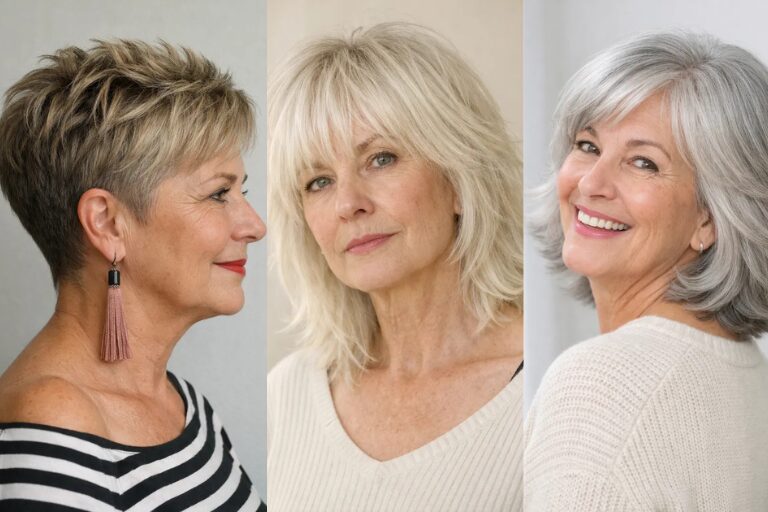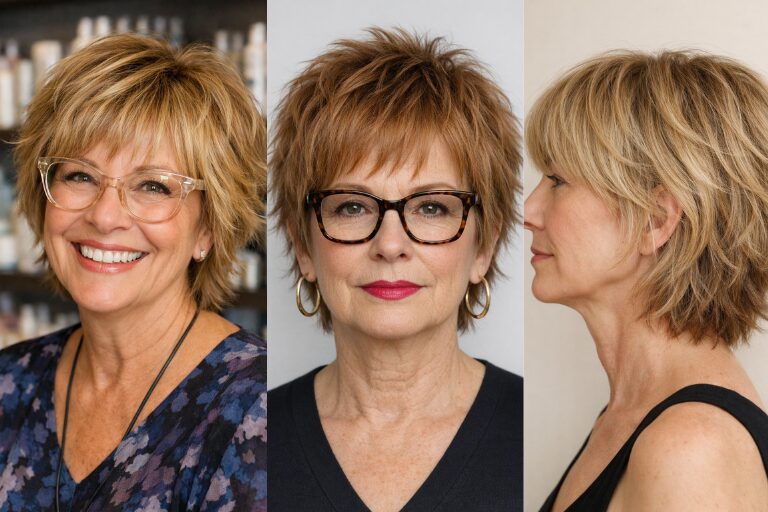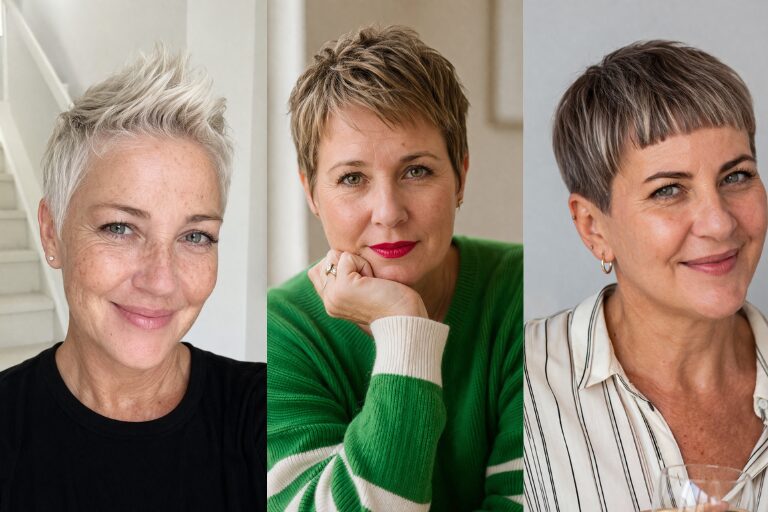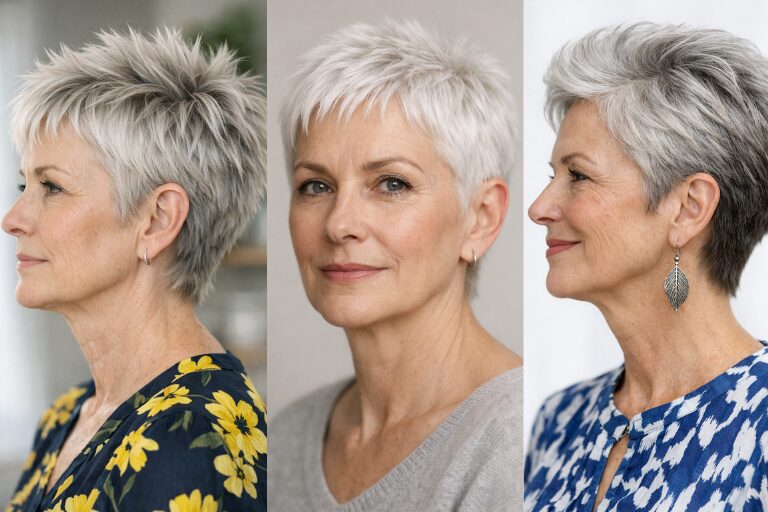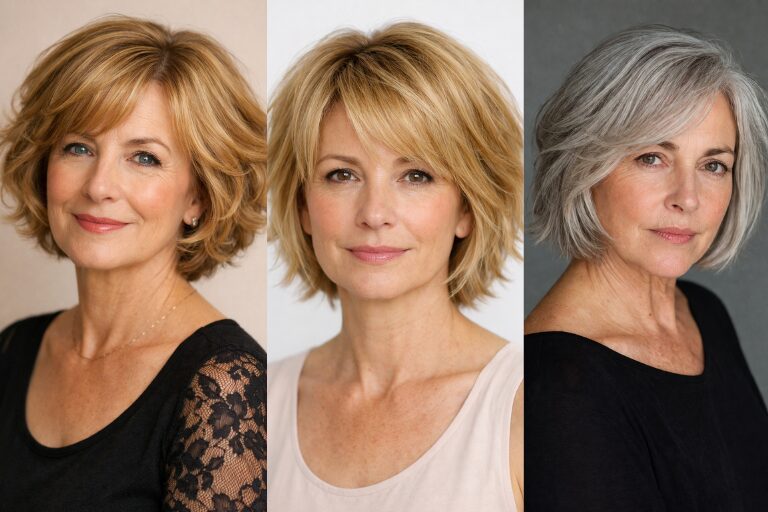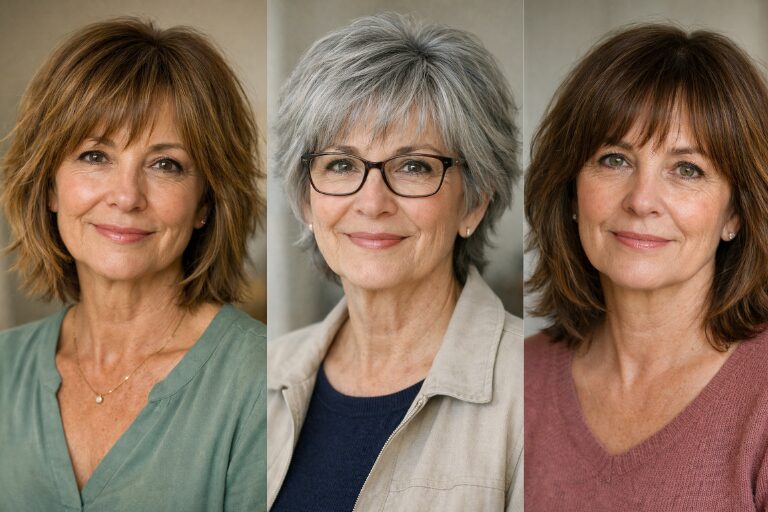
20 Shaggy Hairstyles for Women Over 50 With Thin Fine Hair That Add Real Volume
The shag haircut has a very specific superpower for fine hair after 50 — it creates the illusion of volume through texture, movement, and strategic layering rather than through hair density. And that distinction matters enormously because fine hair cannot fake density through mass. What it can do is catch light in multiple directions, move in ways that thicker hair cannot, and carry the kind of effortless, organic texture that the shag is entirely built around.
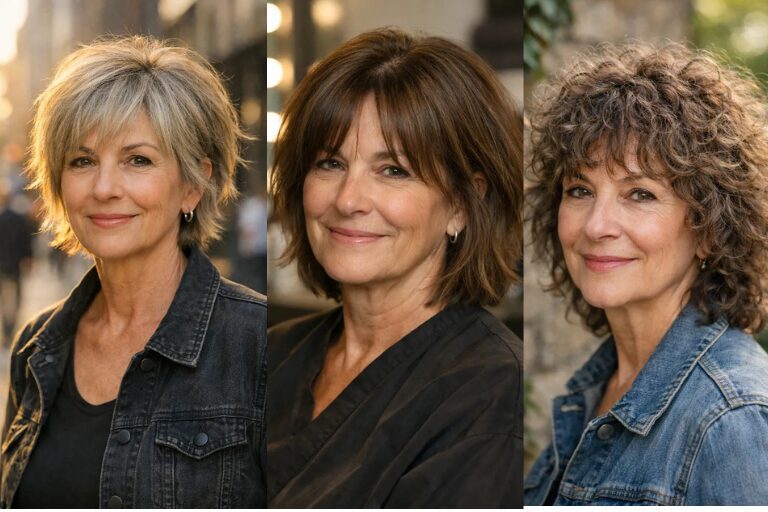
The shag works for fine hair when it is done right. And done right means understanding the difference between the layering that helps fine hair and the layering that hurts it. Soft, blended layers placed at the crown for lift and around the face for framing — these help. Heavy thinning through the ends, short choppy disconnected layers that leave the bottom of the cut sparse and wispy — these do not.
When you talk to your stylist, do not just say “shag.” Say: crown volume, soft blended layers, ends that stay full. Those three specifics change the entire cut. Add your fringe preference — curtain bangs, side-swept, or bottleneck — and you have given your stylist everything they need to create the right version of this cut for your specific hair.
These 20 shaggy hairstyles for women over 50 with thin fine hair have been chosen specifically for their ability to add volume, movement, and wearable texture without sacrificing the end density that fine hair needs. Every look comes with what to ask for at the salon, a styling tip, and why it works for fine hair over 50.
Why the Shag Works So Well for Fine Hair Over 50
Understanding what makes the shag genuinely effective for fine hair helps you choose the right version and communicate more precisely with your stylist.
Layers add visual dimension. When hair ends are at different lengths throughout the cut, each piece catches light differently. The result is a dimensional, textured quality that makes fine hair look significantly more present and alive than it does in a uniform, one-length cut.
Crown layering addresses root flatness. The crown layers in a shag are shorter than the layers below, which means they naturally push upward rather than lying flat. This built-in lift addresses one of the most common challenges for fine hair over 50.
Face-framing adds perceived fullness at the front. Soft layers or fringe around the face draw the eye inward and upward, creating a frame that makes the hair look more substantial at the front where it is most visible.
The shag grows out naturally. Unlike a blunt bob that shows grow-out immediately, a shag disperses the evidence of growing length through its layered texture — which means it looks intentional for longer between trims. Low maintenance built into the cut.
The texture disguises color transitions. For women transitioning to natural gray or silver, the shag’s layered texture disperses the line of demarcation and makes the color shift look gradual rather than abrupt — which is one of the most underappreciated benefits of this cut.
20 Shaggy Hairstyles for Women Over 50 With Thin Fine Hair
1. Airy Layers Around Cheekbones

This version of the shag places its most prominent layers specifically around the cheekbones — soft, light pieces that fall naturally at face level and create a framing effect that lifts the whole look. The crown has subtle texture for gentle volume, and the ends stay light rather than blunt, which gives the cut an organic, naturally textured quality that suits fine hair beautifully.
What to ask for: Shag layers concentrated around the cheekbone level for face-framing, with subtle crown texture for easy volume. Ask for the ends to be finished with point-cutting rather than thinning shears — the goal is lightness without spareness.
Best for: Fine to medium-fine hair at any length from jaw to shoulder. The cheekbone-level framing is particularly flattering for women with rounder face shapes.
Styling tip: A light texturizing spray through slightly damp hair, scrunched from ends upward, then air-dried. The layers at the cheekbones fall into their natural framing position without any assistance — do not over-style.
Why it works: Layers placed specifically at the cheekbones create a face frame that draws the eye directly to the face rather than the hair. That upward visual direction is one of the most flattering things any hairstyle can create.
2. Bixie Shag
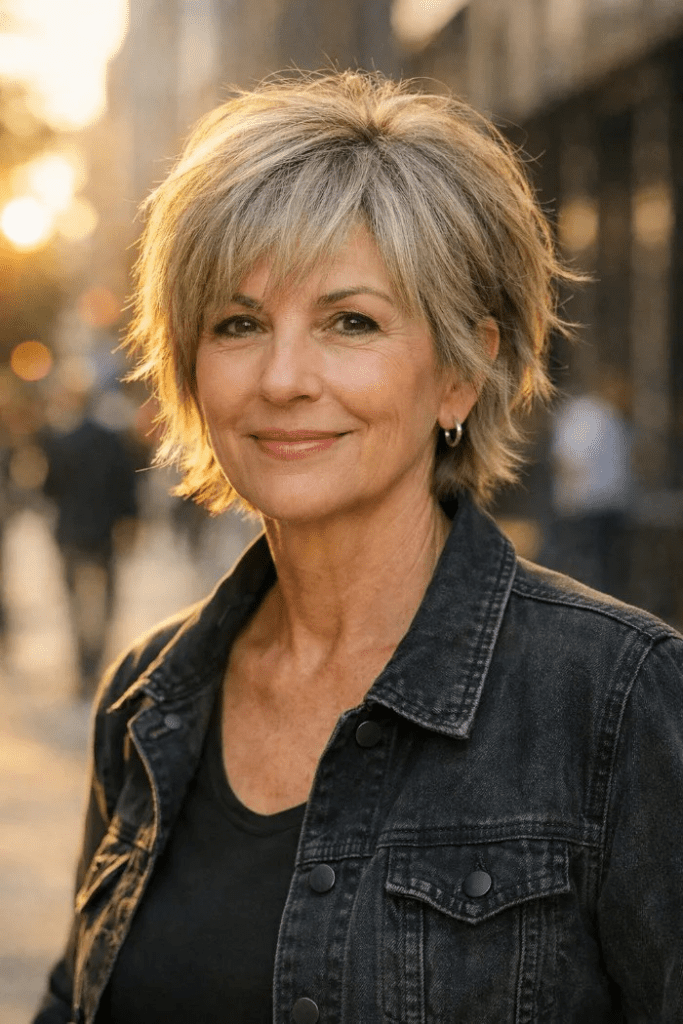
The bixie shag combines the close, clean sides of a bixie with the textured, layered quality of a shag — creating a hybrid that is particularly excellent for fine hair over 50. The shorter sides and back remove the weight that causes fine hair to collapse flat, while the longer, textured crown adds the movement and lift that makes fine hair look genuinely present. The piecey, separated top is the detail that gives it character.
What to ask for: A bixie shag with shorter sides and back, longer textured crown layers, and a clean nape. Ask for the top layers to be cut for piecey separation rather than smooth uniformity. Point-cutting throughout for maximum texture without end sparseness.
Best for: Fine to medium-fine hair. The bixie shag is particularly effective for women whose fine hair collapses at the roots regardless of product — the close sides and lifted crown address both problems simultaneously.
Styling tip: A pea-sized amount of texturizing paste worked through the top sections with fingertips after rough-drying, then separated gently into pieces. This is a wash-and-go cut once the technique is mastered — minimal effort required.
Why it works: The contrast between the clean close sides and the piecey textured crown creates a very modern, deliberate silhouette. On fine hair, this contrast reads as intentional and styled rather than simply short.
3. Bottleneck Bangs Shag
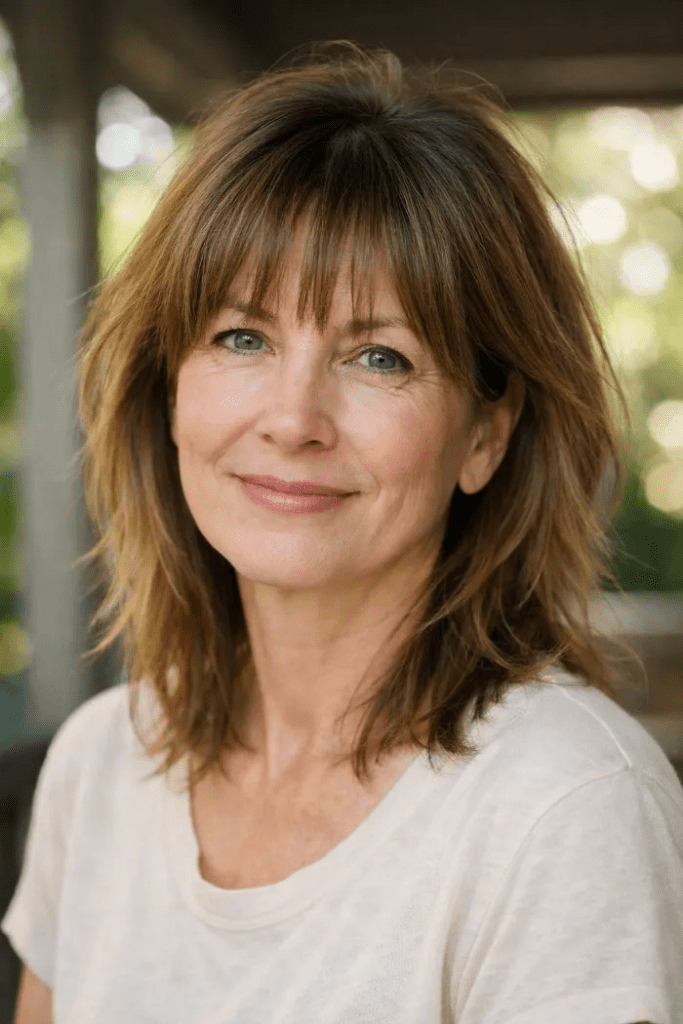
The bottleneck bang — shorter at the center of the forehead and gradually longer toward the temples — is one of the most flattering fringe options for fine hair because it adds forward interest without requiring the density that a full blunt bang needs to look present. On a shag, the bottleneck bangs blend naturally into the front layers, creating a seamless face-framing that can be swept to one side on days when a more open look is preferred.
What to ask for: A shag with bottleneck bangs — shorter at the center, graduating longer and wider toward the temples, blending naturally into the front shag layers. Ask for the bangs to be cut with thinning shears for maximum lightness. The rest of the shag should have soft blended layers with ends that stay as full as possible.
Best for: Fine to medium-fine hair. Bottleneck bangs are one of the most versatile fringe options for fine hair because they can be worn forward for coverage or swept aside for openness.
Styling tip: A small round brush directing the center of the bang slightly forward during blow-drying, with the sides swept outward. The graduated longer sides blend into the shag layers naturally without any specific technique.
Why it works: The bottleneck bang adds a soft, graduated framing quality to the shag that is more modern and flattering than either a full blunt fringe or no fringe at all. The graduation of the bang mirrors the graduation of the shag layers, creating a very coherent, considered overall shape.
4. Choppy Crop Shag
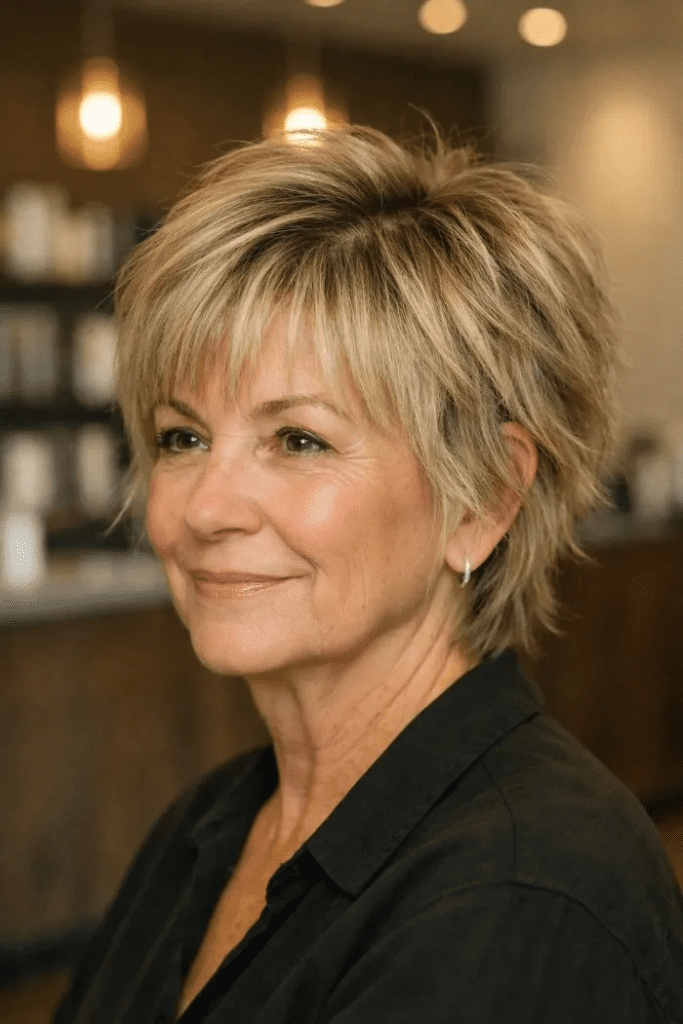
The choppy crop shag is the shortest and most energetic option in this guide — an intentionally textured, deliberately undone cut that uses lift and airiness rather than length or density to create its impact. The top has real crown lift, the sides stay light and close rather than bulky, and the overall impression is of hair that is full of natural character. For fine hair over 50, the closeness of the cut removes the weight that causes flatness and the choppiness creates the texture that flat fine hair lacks.
What to ask for: A short choppy crop shag with textured top layers for crown lift and close airy sides. Ask for the choppiness to feel soft and separated rather than sharp or spiky — the goal is textured character, not aggression. Point-cutting through the ends for the most natural choppy quality.
Best for: Fine to medium hair. The choppy crop is particularly excellent for very fine hair where the close length maximizes the appearance of density and the choppy texture creates movement that longer fine hair cannot achieve.
Styling tip: A pea-sized amount of texturizing paste worked through the top sections while slightly damp, then rough-dried with fingers pointing upward. The lift and separation create themselves through this technique — no additional styling needed once dry.
Why it works: The choppy crop shag creates upward energy through its lift and texture that draws the eye upward and makes the face look more open and vibrant. For fine hair over 50, that upward direction is genuinely transformative.
5. Collarbone-Length Shaggy Lob
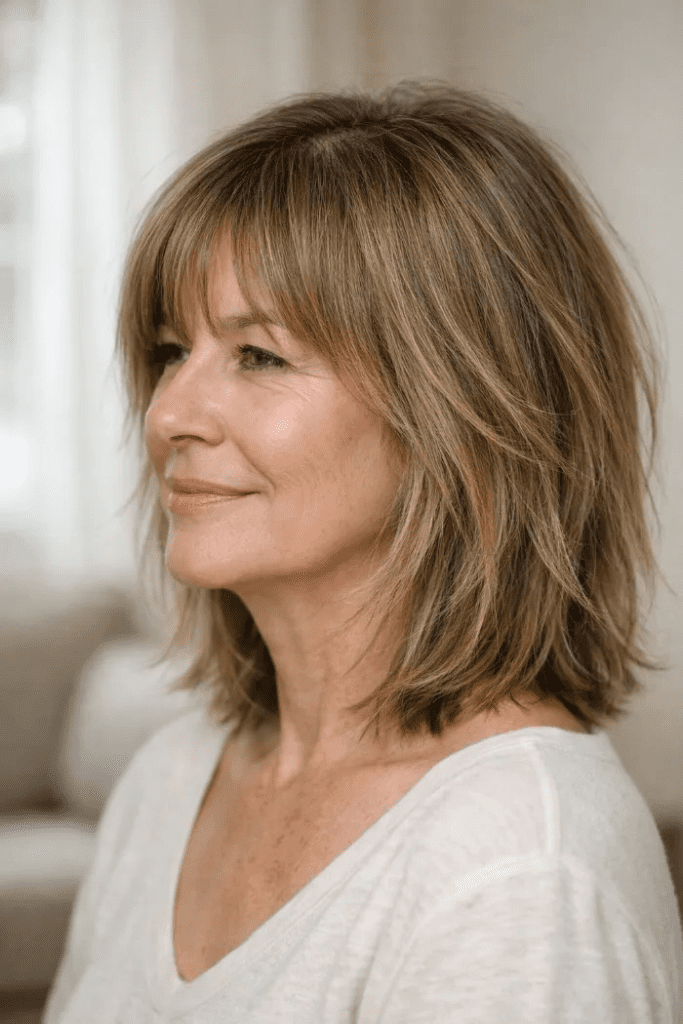
The collarbone length is the sweet spot for fine hair wanting shag texture — long enough to feel feminine and to have movement through the layers, short enough that the ends do not become too thin or transparent. The shag layers keep the collarbone lob from going flat, particularly at the crown, and the overall cut has an ease and softness that looks equally good air-dried or lightly blown out.
What to ask for: A shaggy lob at the collarbone with soft blended layers concentrated through the crown and mid-lengths for volume and movement. Ask for the ends to retain enough weight to look full — no heavy thinning at the perimeter. Curtain bangs or soft face-framing pieces are a flattering addition if desired.
Best for: Fine to medium-fine hair. The collarbone shaggy lob is the most universally flattering length in this guide for fine hair — it suits most face shapes and hair textures within the fine category.
Styling tip: A light volumizing mousse through damp hair from roots to ends, then air-dried or diffused on low heat. The shag layers create their own movement as the hair dries — minimal product and minimal heat gives the most natural result.
Why it works: The collarbone length keeps fine hair in its most naturally buoyant range — short enough for the ends to look full and present, long enough for the shag layers to express real movement and dimension. It is the length where the shag does its best work on fine hair.
6. Curly Shag With Curly Fringe
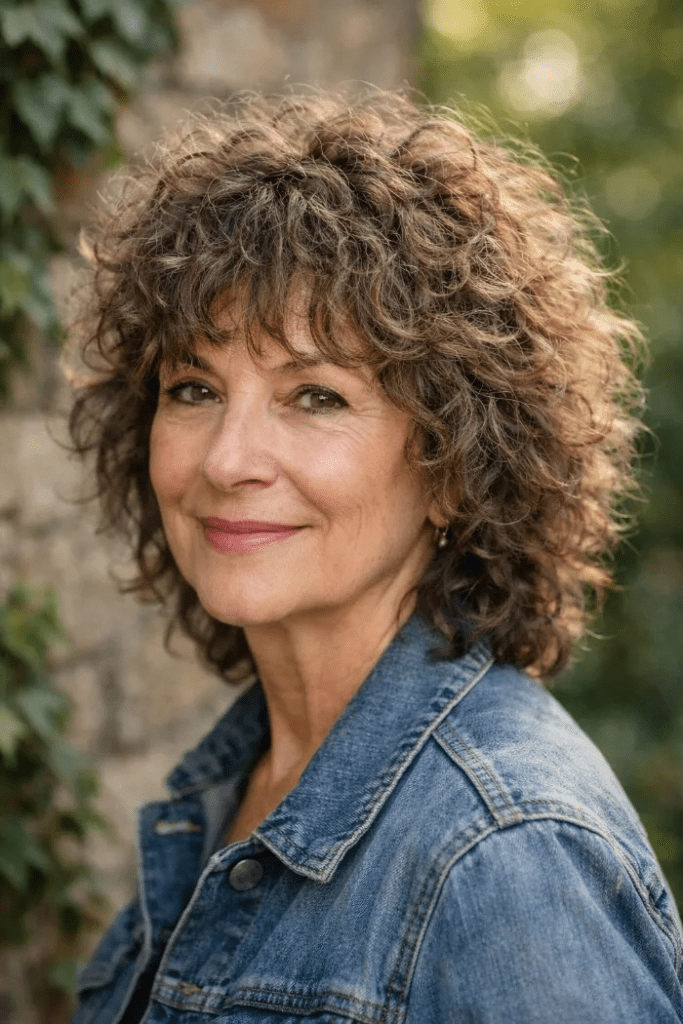
Curly fine hair has specific needs that straight fine hair cuts simply cannot address — and this curly shag is designed specifically for curl. The layered cut helps curls stack into a rounded, balanced silhouette rather than widening at the bottom into a triangle. The curly fringe blends naturally into the front of the cut rather than sitting as a separate block, and the overall shape has a bouncy, light quality that celebrates the curl pattern rather than fighting it.
What to ask for: A curly shag cut specifically for your curl pattern — ask for a dry cut if possible, as curly hair behaves very differently wet and dry. The fringe should be cut to blend into the front layers naturally. Ask for the layering to create a rounded, balanced silhouette rather than a triangle shape. Use a curl cream and diffuse for the most defined result.
Best for: Fine curly hair at any length. This is the only cut in this guide specifically designed for curly texture — the technique and product approach are completely different from straight fine hair shags.
Styling tip: A curl cream worked through soaking wet hair, scrunched upward from ends to roots, then diffused completely on low heat. Do not touch the curls until fully dry. Scrunch out any crunch with a tiny amount of lightweight oil once completely dry.
Why it works: The shag layers on curly fine hair create a rounded silhouette that prevents the triangle widening at the bottom that untextured curly cuts often suffer from. The layering gives the curls room to express themselves individually rather than clumping into one heavy mass.
7. Feathered Shag Blowout
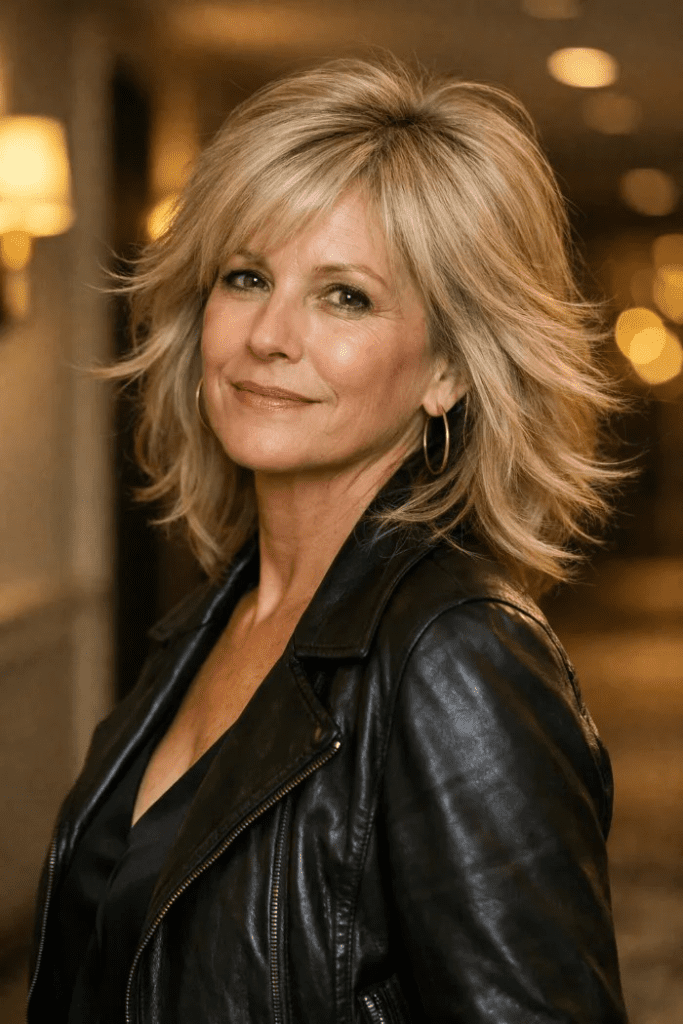
The feathered shag blowout is the most polished and put-together option in this guide — it has the layered, textured quality of a shag combined with a smooth, controlled blowout finish that reads as very groomed and intentional. The feathered layers flip softly away from the face, creating a movement and openness that is particularly flattering after 50. A round brush and light mousse are genuinely all that is needed to recreate this at home.
What to ask for: A shag with feathered layers — ask specifically for feathering with thinning shears rather than point-cutting for the softest, most swingy result. The layers should flip and blend naturally rather than stacking. Ask for the cut to be designed for a blowout finish rather than an air-dried one if this is your preferred daily style.
Best for: Fine to medium-fine hair with enough natural movement to support a feathered flip. Works beautifully on hair that has a slight natural tendency to curl or bend at the ends.
Styling tip: A light mousse applied at the roots before blow-drying with a round brush, flicking the ends outward and slightly upward as you dry each section. The feathered layers naturally want to flip — the round brush simply encourages and directs that tendency.
Why it works: Feathered layers on a shag create an open, airy quality that suits fine hair over 50 particularly beautifully — the lightness of the feathering matches the lightness of fine hair, and the flip adds a vibrancy and movement that makes the whole look feel fresh and current.
8. Kitty Cut Shag
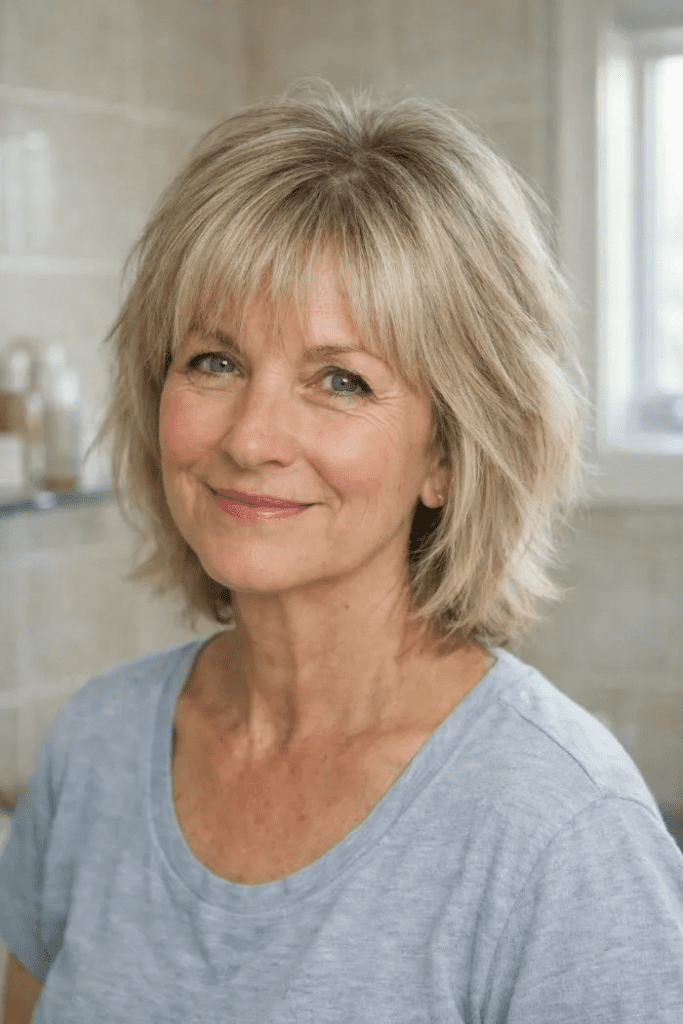
The kitty cut is the shag in its most wearable, most versatile, most accessible form — soft and gentle rather than dramatically textured, with face-framing pieces, gentle blended layering, and ends that tuck or flip easily depending on the day. It has movement without looking deliberately undone, and a smoother, cleaner finish than most shags without losing the character that makes the shag so appealing.
What to ask for: A shag with gentle, blended layering — softer than a classic choppy shag but with more texture than a smooth layered cut. Face-framing pieces that curve naturally around the cheeks and jaw. Ends finished cleanly enough to tuck or flip. Ask for the overall result to feel like a polished, considered version of a shag.
Best for: Fine to medium-fine hair, particularly for women who are shag-curious but not entirely sure they want a fully textured, undone result. The kitty cut is the gentlest entry point into shag territory.
Styling tip: A light mousse through damp hair before a quick blow-dry with a round brush gives the most polished kitty cut finish. For a more relaxed result, a texturizing spray and air-dry works beautifully too. The versatility of the styling approach is one of its greatest assets.
Why it works: The kitty cut occupies the most flattering middle ground in the shag family — enough texture and movement to look interesting and intentional, enough cleanliness and control to look groomed and appropriate for any occasion. For fine hair over 50, that balance is exactly right.
9. Modern Shag With Face-Framing Layers

Face-framing layers on a shag are the single most effective detail for making fine hair over 50 look immediately fresher and more alive. Soft layers starting around the cheekbones and curving inward toward the jaw create an automatic face lift effect — drawing the eye directly to the features rather than the hair, and creating a softness and definition around the face that no styling technique alone can replicate.
What to ask for: A modern shag with face-framing layers specifically — starting around the cheekbones and blending naturally into the rest of the shag. Ask for the crown to have enough texture and lift to feel like a shag rather than a simple layered cut, while the face-framing pieces are kept longer rather than very short.
Best for: Most hair types within the fine category. Face-framing layers are one of the most universally flattering additions to any cut and suit virtually every face shape when the proportions are adjusted correctly.
Styling tip: A serum or light cream through the face-framing pieces specifically adds definition and direction that makes the framing look deliberately chosen. The rest of the shag can be treated with mousse or texturizing spray as usual.
Why it works: Face-framing layers on a fine hair shag create visual interest exactly where it matters most — the face — through placement and direction rather than through hair density. The eye travels toward the face and upward rather than downward toward thin ends.
10. Modern Shag With Long Layers

The modern shag with long layers is the most length-preserving option in this guide — designed for women who love the idea of a shag but do not want to sacrifice significant length. Long layers start higher through the cut to maximize crown volume, then taper into soft ends that retain enough weight to look full rather than transparent. The result has the movement and texture of a shag with the softness and femininity of longer hair.
What to ask for: Long layers starting high at the crown to maximize lift and volume, tapering into soft ends that retain fullness. Ask for the layers to start at the crown rather than being distributed from the mid-length — this concentrates the volume effect where fine hair needs it most. Keep the ends as full as possible.
Best for: Fine to medium hair wanting to keep length while adding shag-like movement and volume. This is the shag for women who prefer longer hair and are not ready to go shorter.
Styling tip: A volumizing mousse through damp hair before blow-drying with a round brush, directing the crown sections upward for lift. Loose waves with a large barrel iron through the mid-lengths add the relaxed, shag-like quality to the length.
Why it works: Starting layers higher at the crown rather than distributing them throughout maximizes the lift effect while minimizing the end density loss — which is the most sophisticated approach to layering fine hair that wants to keep its length.
11. Pixie Shag With Wispy Fringe
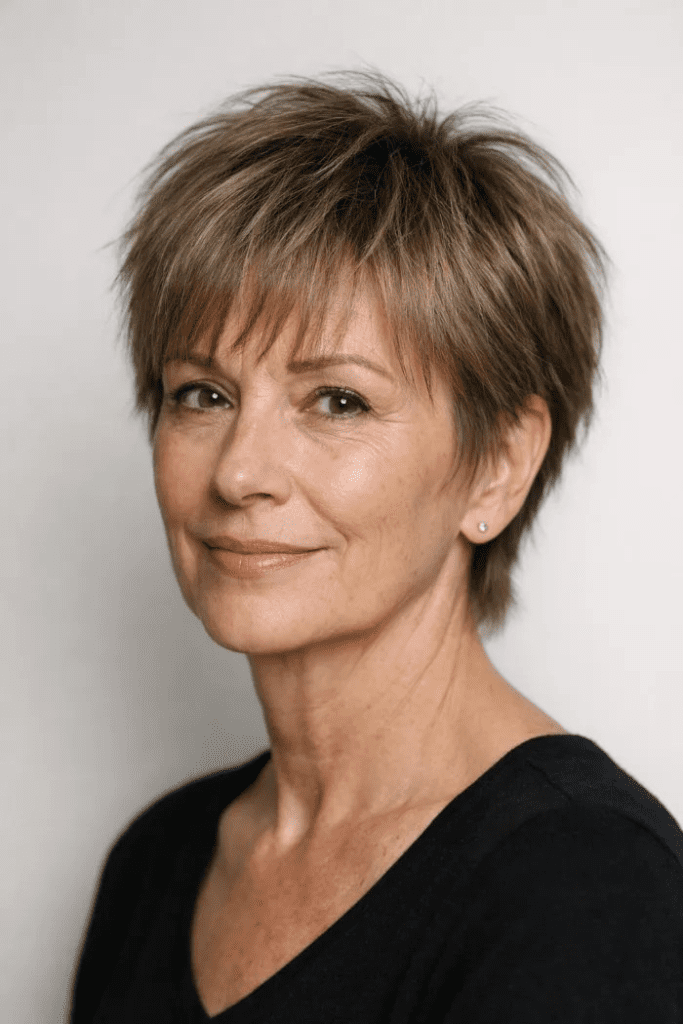
The pixie shag is the shortest cut in this guide that still reads fully as a shag — full at the crown, textured throughout, with a wispy fringe that softens the forehead and brings the whole cut forward onto the face. The crown fullness is the key detail: without it, a short shag becomes simply a short cut. With it, the pixie shag has a real upward energy that is flattering and modern.
What to ask for: A pixie shag with full, textured crown layers for lift, and a wispy fringe cut with thinning shears for maximum lightness. Ask for the crown to be designed for upward direction specifically and the sides to stay close and airy rather than bulky.
Best for: Fine hair at pixie length. The pixie shag is particularly excellent for women with very fine hair where any length creates transparency at the ends — the very short length removes that problem entirely.
Styling tip: A tiny amount of light styling cream through the crown layers while slightly damp, then air-dried or diffused. The wispy fringe needs almost no product — a light touch of cream through the fingertips keeps it soft without weighting it down.
Why it works: The wispy fringe softens the directness of a pixie cut significantly — it adds a gentle forward movement across the forehead that makes the overall shape feel more approachable and feminine. For fine hair that tends to look sparse, this softness is particularly valuable.
12. Rachel-Inspired Shag Layers

The Rachel-inspired layers are the most recognizable face-framing shag approach in modern hair history — and they work for fine hair over 50 for the same reason they worked in the 1990s: they add movement, definition, and cheekbone emphasis that makes the overall look brighter and more alive. The bouncy, flipped quality of the front pieces creates a sense of volume and energy that flat, straight fine hair simply cannot achieve.
What to ask for: Face-framing layers with that distinctive flip — pieces starting around the cheekbones that flick outward and forward rather than falling straight. Ask for a round brush technique at the appointment specifically to demonstrate the flip direction. The crown should have enough layering for movement, and the overall length should stay full at the ends.
Best for: Fine to medium hair with enough natural movement to hold the flip. Works beautifully on hair with a slight natural wave or bend that can amplify the flipped quality.
Styling tip: A round brush flipping the front and face-framing pieces outward and slightly upward during blow-drying gives the most flattering Rachel-inspired result. Direct the front pieces away from the face and then upward at the tips for the most lift and openness.
Why it works: The outward flip of the front pieces creates the open, luminous quality around the face that made Rachel-inspired layers so influential. The pieces move away from the face rather than toward it, which reveals rather than obscures the features.
13. Razor-Cut Shag Bob
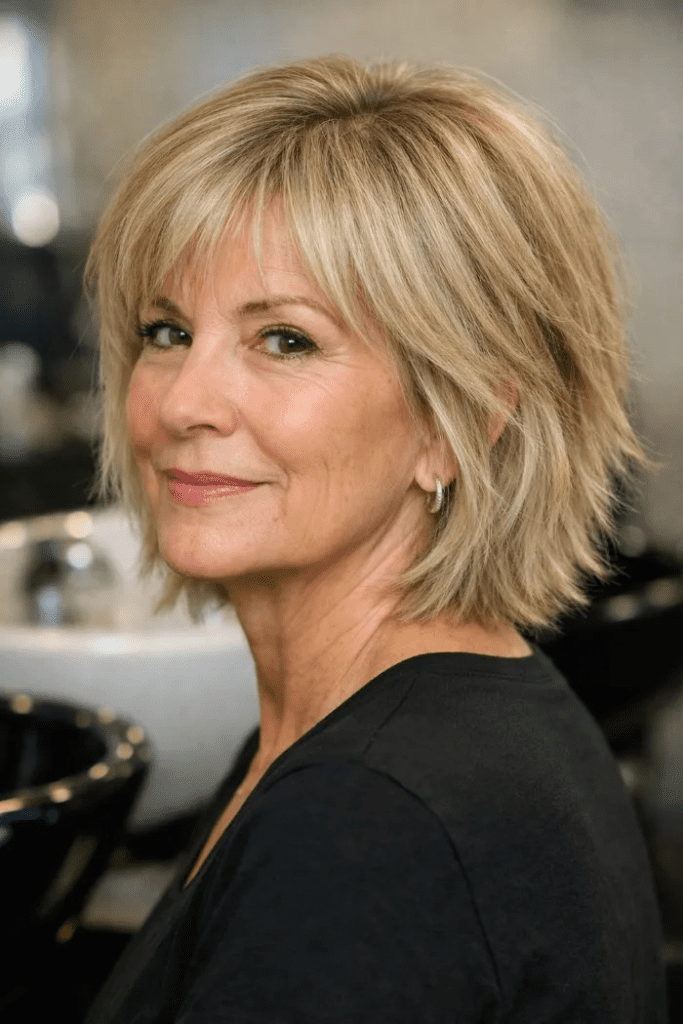
The razor-cut shag bob is a specific and deliberate take on the shag — using razor-cutting rather than scissor-cutting to create a soft, organic quality at the ends that looks very different from the clean precision of scissor-cut shags. The ends have a natural, slightly frayed softness that adds dimension and movement at the perimeter. For fine hair, the key is keeping the razor work minimal and surface-only — creating softness without removing the end weight that fine hair needs.
What to ask for: A shag bob with light, surface-only razor texture through the ends — ask specifically for the razoring to be minimal and focused only on the outermost tips rather than worked through the mid-lengths. Ask for the overall shape to be swingy rather than heavy, with a perimeter that stays light but not sparse.
Best for: Medium-fine to medium hair. Very fine hair may be too delicate for razor-cutting — discuss with your stylist before committing to this specific technique.
Styling tip: A light cream worked through damp hair before rough-drying with fingers gives the most natural razor-cut shag finish. The razor ends activate beautifully with a light tousle once dry — run fingers through from the nape upward for the most organic result.
Why it works: Razor-cut ends on a shag bob have a specific organic quality — they look like they belong exactly where they are rather than having been precisely cut to a length. That natural quality is particularly appealing in a shag, where the entire aesthetic is built around effortless, lived-in texture.
14. Shag With Curtain Bangs
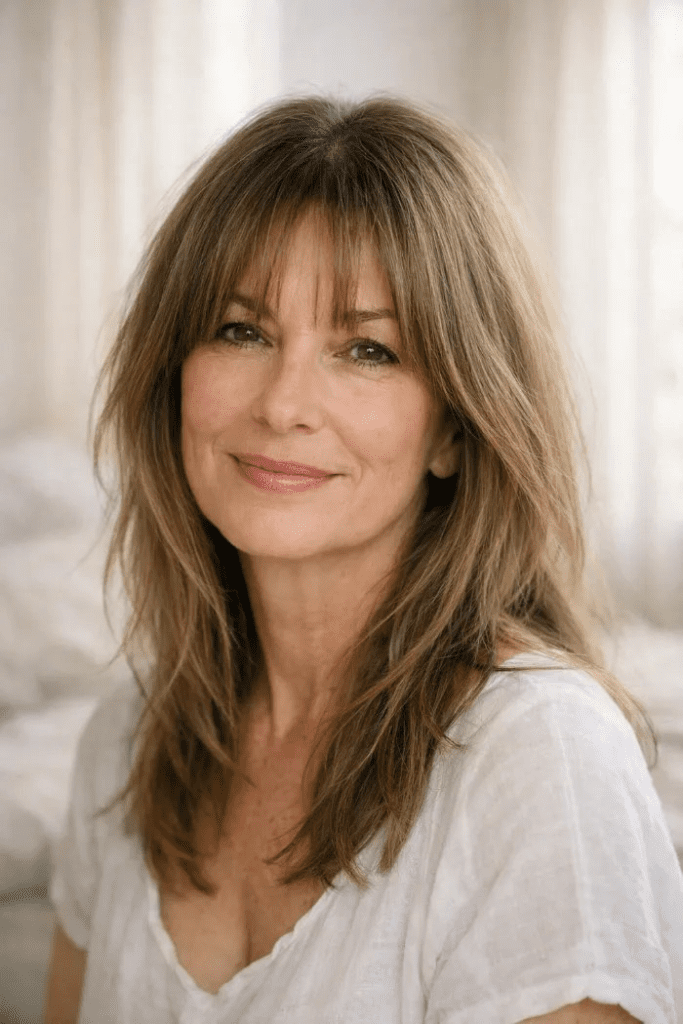
Curtain bangs are the most popular fringe addition to the shag right now — and for fine hair over 50, they are particularly flattering because they open the face symmetrically and add a contemporary quality to the whole cut that makes it feel genuinely current. The center split reveals the forehead and draws the eye upward to the eyes and cheekbones in the most flattering direction. On a shag, they blend so naturally into the front layers that the grow-out is almost invisible.
What to ask for: A shag with curtain bangs — shorter in the center, graduating longer toward the temples, blending into the front shag layers naturally. Ask for the bangs to be cut with some texture rather than blunt, and for the grow-out to be considered in the placement.
Best for: Fine to medium-fine hair of most densities. Curtain bangs are one of the most universally flattering fringe options across face shapes and hair textures.
Styling tip: A small round brush in a C-shape during blow-drying, directing each side of the curtain bang outward from the center, gives the most flattering result. On days when you want a completely different look, simply part the bangs to one side and they become a side-swept fringe instead.
Why it works: Curtain bangs add a symmetrical face-opening quality that suits most face shapes beautifully. On fine hair they work because their design is specifically light and graduated — they do not require density to look flattering, which means fine hair can carry them without the sparse, see-through quality that heavier fringes sometimes produce.
15. Shaggy Bob With Blunt-ish Ends

This shaggy bob is designed for women who want shag texture and movement but are not willing to sacrifice end density — the compromise is keeping the ends somewhat blunter than a classic shag while concentrating the layering through the top and mid-sections for lift. The result has shag character through the crown and mid-lengths, and a fuller, more substantial perimeter than most shag versions deliver.
What to ask for: A shaggy bob with layers and texture concentrated through the top and crown, and a somewhat blunter perimeter that keeps the ends fuller than a standard shag. Ask for the distinction specifically — more shag character above, more density below.
Best for: Fine to very fine hair. This is the fine-hair-specific shag compromise — maximum texture and volume where it helps, maximum density where it matters most.
Styling tip: A volumizing mousse through damp hair before blow-drying with a round brush lifting the crown sections. The blunter ends can be directed under slightly for a cleaner finish, or left to dry naturally for a more relaxed result.
Why it works: The shaggy bob with blunter ends solves the fundamental tension of fine hair and shag cuts — it gives the shag texture and movement while protecting the end density that fine hair cannot afford to lose. It is the most pragmatic and consistently flattering version for genuinely fine hair.
16. Shaggy Bob With Side-Swept Bangs

Side-swept bangs on a shaggy bob are one of the most reliably flattering combinations for fine hair over 50 — the bangs add coverage and face-framing without any density commitment, they blend into the shag layers naturally as they grow, and they create a directional movement across the forehead that is universally softening. Combined with shag layers that add crown volume and ends movement, the total effect is a very complete, flattering cut.
What to ask for: A shaggy bob with side-swept bangs that blend naturally into the front shag layers. Ask for the bangs to have some texture rather than being blunt, and for a root spray recommendation for the daily styling routine.
Best for: Fine to medium-fine hair. Side-swept bangs suit most face shapes and particularly benefit women over 50 who want gentle forehead coverage.
Styling tip: A quick blow-dry with a small round brush sweeping the bangs to one side is the daily technique for this style. A light root spray before drying adds the crown volume that makes the shag layers look lifted and full through the day.
Why it works: The combination of side-swept bang coverage and shaggy crown volume addresses two of the most common fine hair challenges simultaneously — the forehead coverage adds perceived fullness at the front, and the shag crown lift adds perceived volume at the top.
17. Soft Shag With Root Smudge
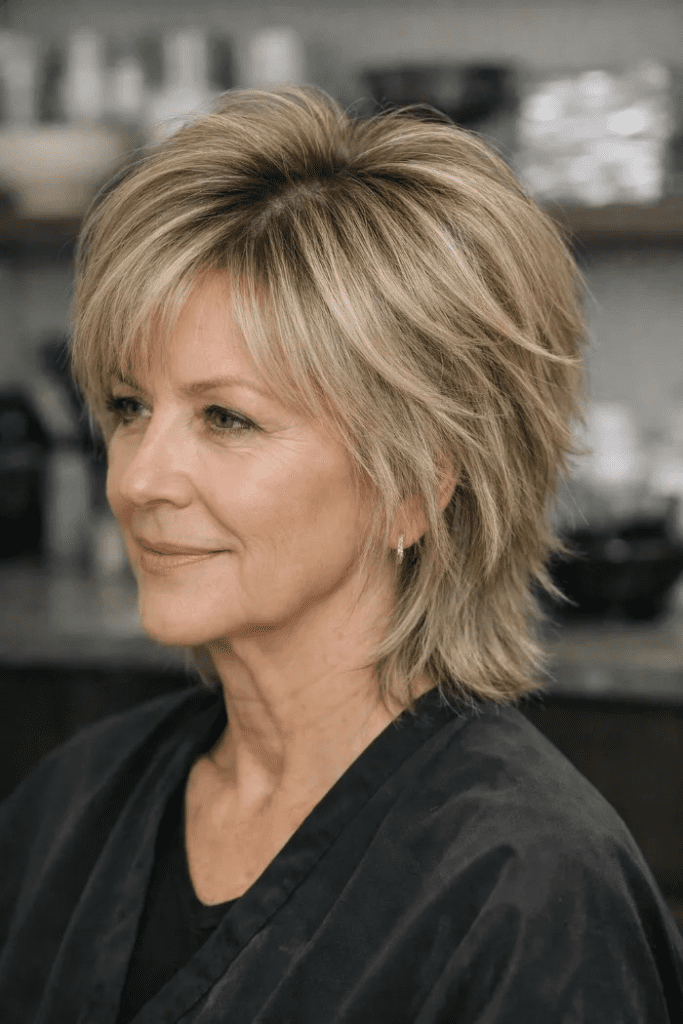
A root smudge — a color technique that adds depth and dimension to the roots — transforms a soft shag on fine hair in a way that no cutting technique can replicate. The added depth at the roots makes the layers look fuller and more defined, the grow-out is significantly more graceful, and the overall impression is of hair with more density and dimension than it actually has. Combined with a soft shag that already adds texture and movement, the combination is genuinely transformative for fine gray or colored fine hair.
What to ask for: A soft shag with light blended layers for movement and lift, combined with a root smudge color technique — a slightly darker or more dimensional shade worked into the roots to add depth. Ask for the ends to be kept light and piecey. A shine serum through the mid-lengths adds the luminous finish that the root smudge sets up beautifully.
Best for: Fine to medium-fine colored or gray hair. The root smudge technique is particularly effective on fine gray hair where the natural flat color can contribute to the hair looking less substantial than it is.
Styling tip: A shine serum worked through the mid-lengths and ends after blow-drying adds a luminous quality that makes the root smudge depth and the shag layers’ lightness look deliberate and beautiful together. Use sparingly — fine hair flattens quickly with too much serum.
Why it works: The root smudge adds perceived density through color dimension — the darker roots create a visual weight at the base that makes the hair look fuller from the top down. Combined with shag texture that adds visual movement from the mid-lengths outward, the two techniques create depth and dimension from multiple directions simultaneously.
18. Soft Shaggy Bob
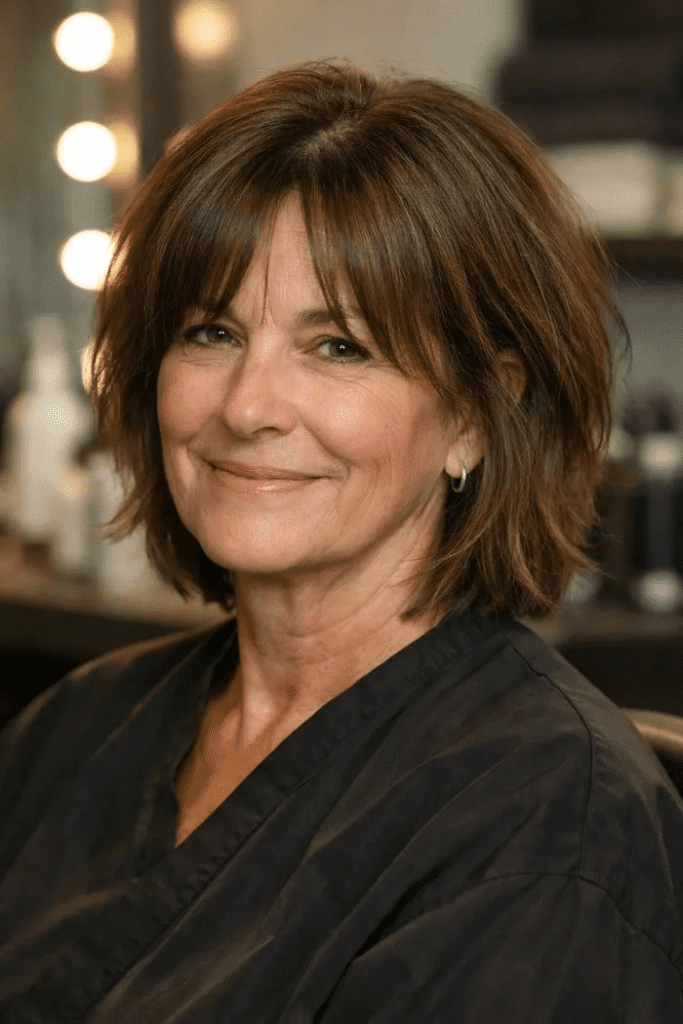
The soft shaggy bob is the most wearable and accessible shag in this guide — blended rather than choppy, gentle rather than deliberately undone, with movement that looks like natural hair character rather than a styling technique. It suits women who want the benefit of shag texture without anything that looks too casual or effortful. It works for straight to wavy hair equally well and requires genuinely minimal daily maintenance.
What to ask for: A shaggy bob with soft, blended layers — ask for the texture to feel gentle and integrated rather than sharply disconnected. The layers should add movement and volume without creating obvious choppiness. Ask for the overall result to look like a naturally textured bob rather than a deliberately distressed one.
Best for: Fine to medium-fine straight to wavy hair. This is the most universally flattering and most adaptable cut in the guide.
Styling tip: A light mousse through damp hair before blow-drying with a round brush gives the most polished soft shaggy bob finish. For a more relaxed result, a texturizing spray and air-dry works equally well. The cut performs beautifully with either approach.
Why it works: The soft shaggy bob hits the most appealing balance point in the entire shag family — enough texture to look interesting and alive, enough smoothness to look groomed and intentional. For fine hair over 50, that balance is consistently the most flattering.
19. Textured Shob

The shob — between a shag and a bob — is one of the most useful lengths for fine hair over 50 because it combines the structural fullness benefits of a bob length with the movement and lift benefits of shag layers. The clean, wearable length keeps the ends visible and full, while the shag texture through the crown and mid-sections prevents the bob from going flat. The result does not hug the cheeks the way a close bob sometimes can, and it has enough movement to look very flattering from every angle.
What to ask for: A textured shob with shag-inspired crown and mid-length layers and a bob-length perimeter that stays clean and full. Ask for the texture to be concentrated above the perimeter rather than throughout — crown and mid-length movement with perimeter density.
Best for: Fine to medium-fine hair. The shob is particularly effective for women whose fine hair struggles with both crown flatness and end transparency — the crown layers address the former and the bob length addresses the latter.
Styling tip: A light root-lifting spray at the crown before blow-drying, then a round brush lifting the top sections while directing the ends into a clean bob line. The shag layers create their own movement — the styling simply maximizes what the cut has built in.
Why it works: The shob creates volume where fine hair needs it most — through the crown and mid-lengths — while protecting the end density that makes fine hair look present and healthy. It is the most pragmatic and reliably flattering cut in the guide for women whose fine hair needs help at both the crown and the ends simultaneously.
20. Wavy Shag

The wavy shag is the most natural-looking and most effortlessly beautiful cut in this guide when the hair has natural wave to work with. The shag layers amplify the natural wave pattern, creating a dimensional, alive quality that is impossible to achieve on straight fine hair without heat styling. The waves separate the layers naturally, creating exactly the piecey, textured quality that a shag is supposed to have — but without any product or technique required to achieve it.
What to ask for: A shag with layers cut specifically to support and amplify natural wave — ask for the cut to be done slightly damp or air-dried if possible, so the stylist can see how the wave falls and cut for it accurately. Ask for the layers to encourage wave expression rather than flattening it.
Best for: Fine to medium-fine hair with natural wave or bend. This is the shag that requires the least daily effort for women with any natural movement — the wave does the styling work automatically.
Styling tip: A light mousse or curl cream scrunched through damp hair, then air-dried and shaken out at the roots with fingertips once completely dry for soft volume. The shag layers will separate naturally into beautiful, textured movement without any additional styling.
Why it works: Natural waves on fine hair are genuinely beautiful when the cut is designed to express them rather than suppress them. The wavy shag gives those waves room to move individually through the layered structure, creating a dimensional, alive quality that flat-dried or heat-styled versions of the same length cannot replicate.
How to Choose the Right Shag for Your Fine Hair
Three questions to help narrow down your choice quickly.
What length feels most comfortable? Very short — the pixie shag and choppy crop. Medium — the kitty cut, the soft shaggy bob, the shob. Longer — the collarbone shaggy lob, the modern shag with long layers. Start with the length you already know works for your lifestyle.
How much texture do you want? Maximum texture — the bixie shag, the choppy crop, the wavy shag, the razor-cut shag bob. Moderate texture — the kitty cut, the soft shaggy bob, the feathered blowout shag. Gentle, subtle texture — the shaggy bob with blunter ends, the modern shag with face-framing, the Rachel-inspired layers.
What fringe approach suits you? No fringe — the Rachel-inspired layers, the modern shag, the kitty cut. Blended fringe — the curtain bangs shag, the bottleneck bangs shag. Side-swept — the shaggy bob with side-swept bangs. Wispy — the pixie shag with wispy fringe.
What to Tell Your Stylist
These four points make the biggest difference at a shag appointment for fine hair.
Say your three priorities out loud. Crown volume, soft blended layers, and ends that stay full. Those three words tell your stylist more than “I want a shag” ever can.
Ask for point-cutting rather than thinning shears through the ends. Thinning shears through the mid-lengths and ends of fine hair remove the end weight that makes fine hair look present. Point-cutting creates texture through separation rather than through weight removal.
Be specific about the fringe. Show a photo of the fringe style you want — curtain, side-swept, bottleneck, wispy, or no fringe. Fringe is the single most transformative element of a shag and the one most worth discussing in detail before cutting starts.
Bring photos of fine hair specifically. Photos taken on thick or medium-density hair show a cut that will behave very differently on your hair. Finding photos taken on similar density hair gives your stylist the most accurate reference for how the cut will actually look.
Final Thoughts
The shag is genuinely one of the best haircut categories for fine hair over 50 — not despite its texture and layers, but because of them. The movement, the dimension, the face-framing quality, the built-in grow-out grace — all of these properties work directly with the specific challenges and qualities of fine hair after 50 rather than against them.
The twenty versions in this guide show how much variation is possible within that framework. Bold and textured or soft and blended. Very short or collarbone length. Curtain bangs or no fringe. Each choice creates a genuinely different experience of the same fundamental cut — which means there is a version of the shag that is exactly right for every woman reading this.
Save the cuts you kept returning to. Note what specifically drew you back — the length, the layers, the fringe, the overall energy of the cut. Share those specifics with your stylist alongside the photo. A shag for fine hair over 50 that is designed for your specific hair and your specific priorities should feel genuinely easy every day — natural, flattering, and like the very best version of your own hair.
Do shaggy haircuts really work for thin or fine hair over 50?
Yes — when the layering is done correctly. The shag’s layers add visual dimension and movement that make fine hair look significantly more present and alive than a smooth, one-length cut. The critical distinction is where and how the layers are placed: crown layers for lift, face-framing pieces for definition, and point-cutting rather than heavy thinning through the ends. Over-thinning the ends of fine hair is the mistake that makes shags fail on fine hair — the right technique avoids it entirely.
What should I ask for if I want a low-maintenance shag for fine hair?
Tell your stylist three specific things: crown volume, soft blended layers, and ends that stay full. Then specify your fringe preference — curtain bangs or side-swept bangs are the most low-maintenance options because they blend into the shag layers and grow out naturally rather than requiring frequent trims to maintain a precise shape. Ask for a cut that looks good air-dried — that single design requirement ensures the cut works with your natural hair behavior rather than requiring daily heat styling.
How do I style a shag without heat tools?
A light mousse or curl cream worked through damp hair from roots to ends, then scrunched gently from ends upward toward the roots. Let it air-dry completely without touching. Once dry, flip your head forward and shake the roots with your fingertips for volume. Flip back and arrange the face-framing pieces. If you want more shape at the front, tuck one side behind the ear and leave the other loose. This no-heat routine takes under five minutes and produces genuinely beautiful results on a well-cut shag.
How often does a shag need to be trimmed for fine hair over 50?
Every six to eight weeks for most shag lengths. One of the shag’s significant advantages over blunt bobs is that it grows out more gracefully — the layered texture disperses the evidence of growing length and the cut still looks intentional at eight weeks where a blunt bob might look overgrown at six. Shorter shags and bixie shags tend to need attention at six weeks. Longer shag lobs and shaggy bobs can often wait eight weeks. The fringe, if present, may need attention every four to six weeks independently.
What products work best for a shag on fine hair over 50?
A volumizing mousse at the roots before blow-drying or air-drying is the single most effective product — it adds lift and body without weighing fine hair down. A root-lifting spray targeted specifically at the crown addresses flatness. A light texturizing spray adds dimension and separation to the shag layers on days when refreshing is needed without rewashing. A tiny amount of lightweight oil or cream for breaking any crunch on air-dried styles. Avoid heavy creams and serums through the mid-lengths and ends — they flatten fine hair quickly and eliminate the movement that the shag is designed to create.