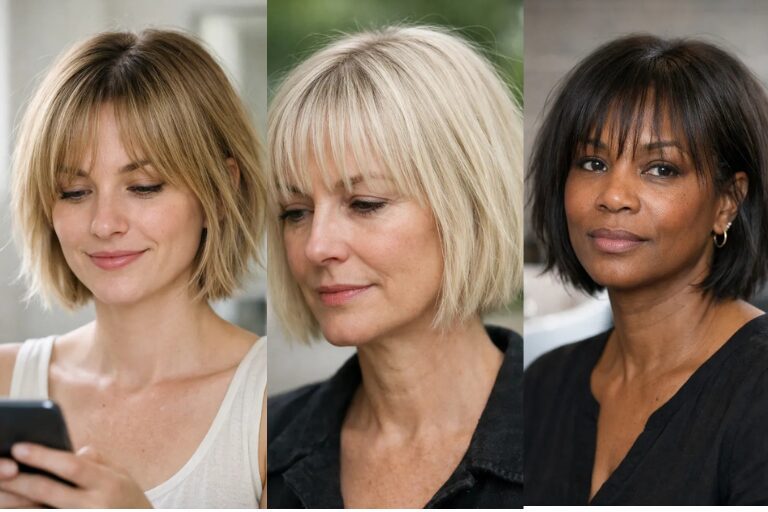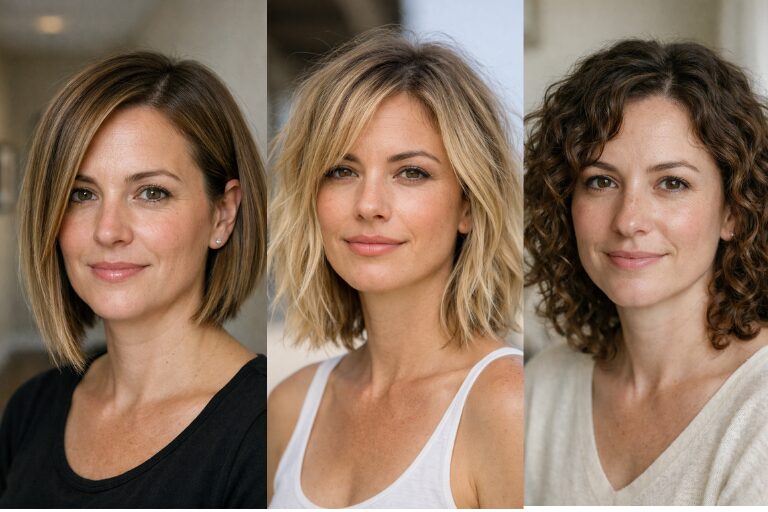
18 Short Bob Hairstyles for Thin Fine Hair That Add Volume Fast
Fine hair and the right short bob are one of the most powerful combinations in hairstyling. Not because the bob magically creates hair that is not there — but because the right shape, the right perimeter, and the right placement of any layering creates an optical illusion of density so convincing that most people will simply assume you have more hair than you do.
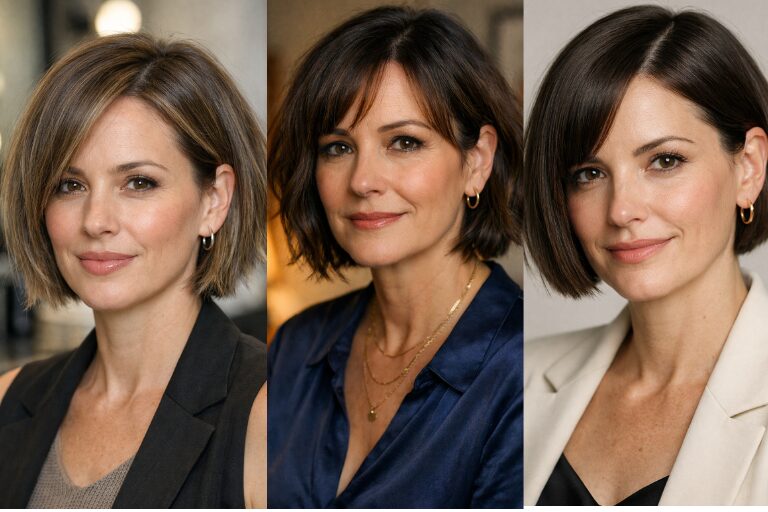
That is what this guide is about. Not tricks. Not products that promise volume and deliver disappointment. Just the specific bob shapes and cutting techniques that consistently make thin fine hair look fuller, denser, and more beautifully present than it actually is.
The principles are simple: keep the perimeter strong, build volume where the hair actually needs it, use texture strategically rather than throwing layers everywhere, and choose a length where fine hair naturally has enough weight to hold a shape. Apply those principles to the right cut for your specific hair and face shape, and the result is a bob that looks genuinely full on a regular Tuesday with minimal daily effort.
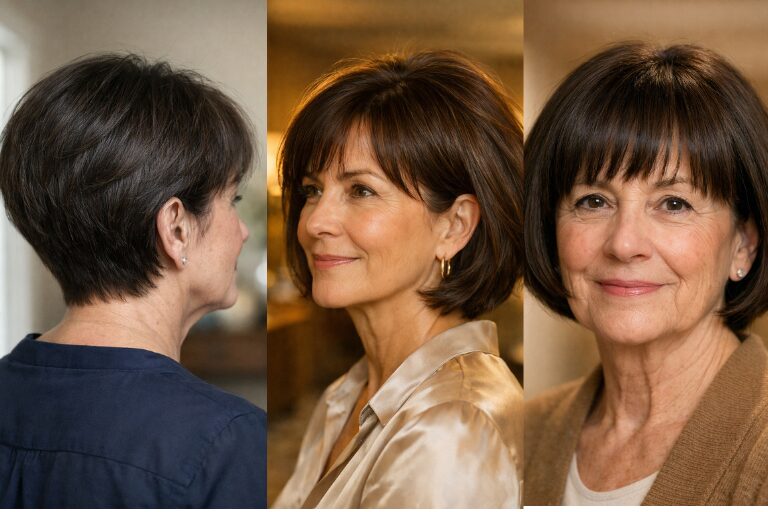
These 18 short bob hairstyles for thin fine hair cover the full range — from the cleanest blunt perimeters to the most textured shaggy versions, from sleek glass-hair finishes to soft feathered fringes. Every look comes with what to ask for at the salon, a styling tip, and why it works specifically for thin fine hair.
What Fine Hair Needs From a Bob Cut
Before choosing your look, understanding these principles makes every salon conversation more productive.
The perimeter is everything. The outer line of a bob — particularly the ends — is where fine hair shows most clearly how much density it has or lacks. A blunt, clean perimeter creates the illusion of thickness. Heavily thinned or feathered ends destroy it.
Volume belongs at the crown and back, not the ends. The two places where fine hair most needs structural help are the crown (which goes flat) and the back (which collapses). Graduation, stacking, or crown layering addresses both without disrupting the end density.
Layers should be long, not short. Short choppy layers remove end weight that fine hair cannot spare. Long, soft layers add movement at the crown and mid-length while leaving the ends as full as possible.
Length works in a specific range. For fine hair, the jaw-to-collarbone range tends to work best. Too short and there is not enough weight for the hair to fall with shape. Too long and the hair is pulled down and the ends become transparent.
One well-placed detail beats multiple competing ones. A deep side part OR a soft fringe OR face-framing pieces — not all three. Fine hair looks most polished when one detail is chosen and done beautifully.
18 Short Bob Hairstyles for Thin Fine Hair
1. A-Line Bob
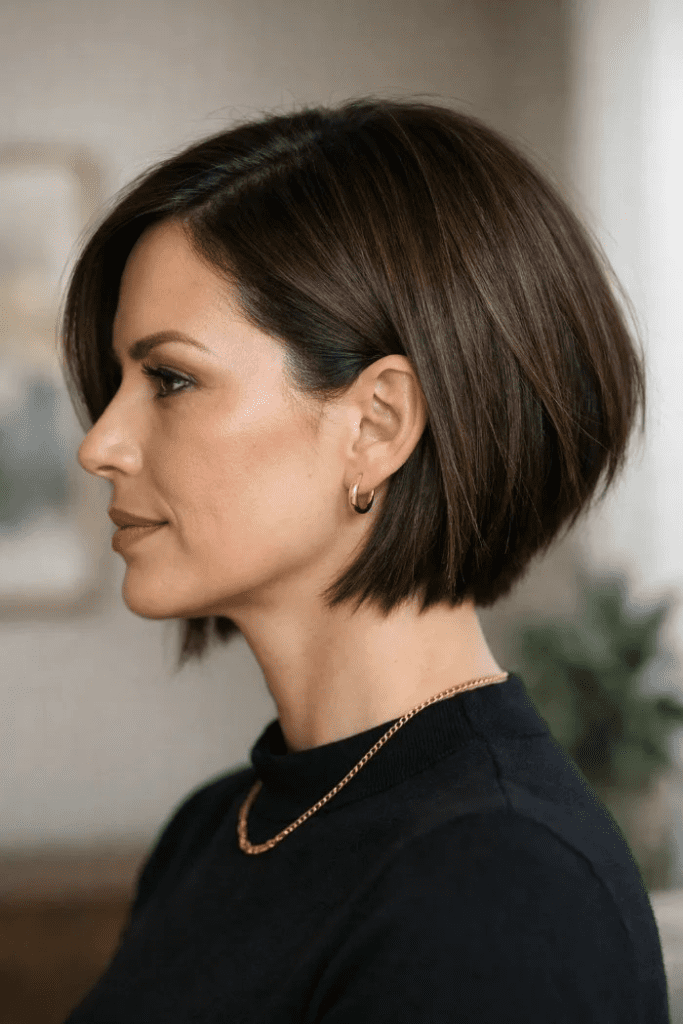
The A-line bob is one of the most structurally intelligent cuts for fine hair — it is shorter at the back and gradually longer toward the chin, creating a forward momentum that makes the hair appear to have more fullness at the front. The angled geometry also gives the cut a strong visual presence that fine hair in a straight one-length cut cannot achieve. The key is keeping the ends with a light bevel rather than heavy thinning — just enough to prevent the blunt edge from looking harsh without removing the density that makes the A-line work.
What to ask for: An A-line bob with the back cut shorter and the front sections gradually longer toward the chin, with light beveling at the ends rather than thinning. Ask for minimal layering — the angle does the structural work and layers are not needed throughout.
Best for: Fine to very fine straight hair. The clean angle is most effective on hair that lies naturally smooth.
Styling tip: A quick round-brush blow-dry rolling the ends slightly under gives the most polished finish. A root-lifting spray at the crown adds the base volume that makes the angled shape look even more substantial.
Why it works: The A-line creates visual weight at the front through its geometry — the longer front sections frame the jaw and chin in a way that makes the hair look fuller and more present without requiring any actual additional density.
2. Bixie Bob

The bixie — the hybrid between a pixie and a bob — sits in a sweet spot that is particularly flattering for fine hair. The close sides and back remove the weight that causes fine hair to go flat, while the longer crown and top sections retain enough length for styling options and softness around the face. The airy layers through the crown create genuine lift at the roots, which is the area where fine hair most commonly loses its battle with gravity.
What to ask for: A bixie with airy crown layers for lift, shorter sides and back, and a longer front section for face-framing. Ask for the crown layers to be specifically designed to push upward rather than lie flat — the direction of the cut is as important as the length.
Best for: Fine to medium-fine hair. The bixie is particularly excellent for women whose hair collapses flat at the roots regardless of product, as the crown layers address the problem at the structural level.
Styling tip: A pea-sized amount of volumizing mousse worked through slightly damp hair from roots upward, then rough-dried with fingers for soft, natural volume. Avoid heavy products that weigh the crown layers down.
Why it works: The bixie removes the length that causes fine hair to go limp and replaces it with structure — the close sides create a clean frame and the lifted crown creates the upward energy that makes fine hair look genuinely full.
3. Blunt Chin Bob
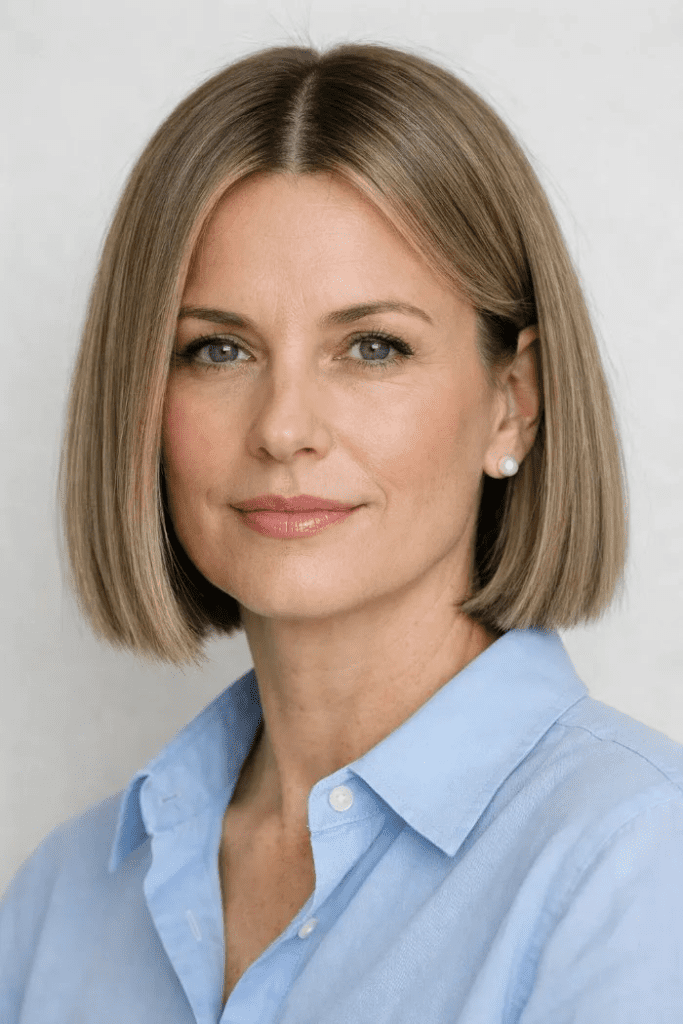
The blunt chin bob is the single most reliable fine hair cut in this entire guide. Every strand ending at exactly the same point creates a solid, dense perimeter that makes fine hair appear significantly thicker — the eye reads the clean line as fullness regardless of how little hair is actually contributing to it. No feathering, no heavy thinning, no layering through the ends. Just a precise, clean line at the chin that does more for fine hair than any product or styling technique.
What to ask for: A blunt chin-length bob with a sharp, dense perimeter — specifically ask for no thinning shears through the ends or mid-lengths. The ends should be cut cleanly with scissors only for maximum density. Minimal to no layering.
Best for: Fine to very fine straight or slightly wavy hair. The blunt bob is the maximum-fullness option and works best on hair that lies naturally smooth.
Styling tip: Tuck one side behind the ear for an asymmetric, modern finish. A light texturizing spray through the mid-lengths adds grip and prevents the clean bob from looking too flat and solid. A root-lifting spray before blow-drying adds the crown volume that prevents the clean perimeter from looking heavy.
Why it works: The blunt perimeter is the most powerful optical illusion available to fine hair. The solid line at the ends reads as density — and at chin length, it has enough visual presence to genuinely transform the appearance of very fine hair.
4. Chin-Length Bob With Curtain Bangs

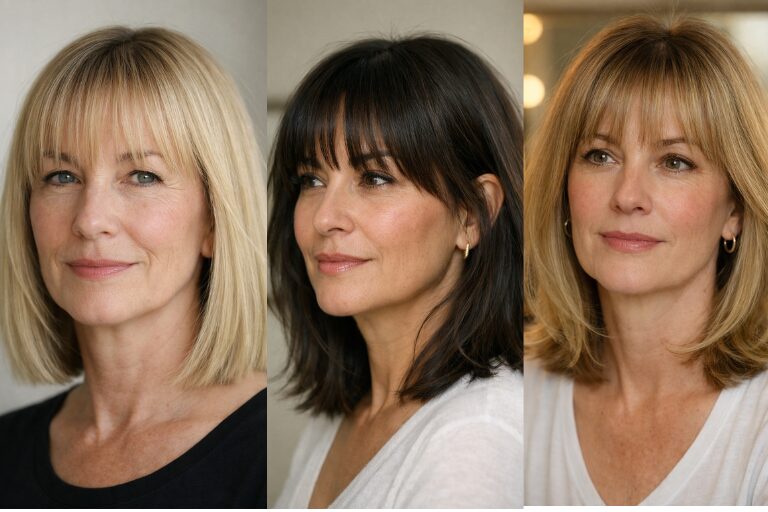
Curtain bangs on a chin-length bob create one of the most versatile and flattering combinations for fine hair. The bangs add forward interest and face-framing without requiring the density that a full blunt fringe needs, and they blend naturally into the front of the bob as they grow out — which makes the maintenance cycle significantly more forgiving than a distinct separate fringe. The rounded soft bob shape provides the full, grounded base that the curtain bangs need to look deliberately chosen.
What to ask for: A rounded chin-length bob with curtain bangs — shorter in the center, graduating longer toward the temples, blending naturally into the front layers. Ask for minimal layering through the body of the bob, concentrated only through the top. Blow-dry forward, then smooth the ends under with a round brush.
Best for: Fine to medium-fine hair with any natural movement. Curtain bangs suit fine hair particularly well because they add forward framing without the density commitment of a full blunt fringe.
Styling tip: Blow-dry the curtain bangs with a small round brush in a C-shape, directing each side outward from the center part. A tiny amount of light cream through the bangs keeps them separated and soft rather than clumping. The bob itself should be blow-dried smooth with a paddle brush for the cleanest, fullest finish.
Why it works: Curtain bangs open the face symmetrically and add a contemporary quality to the chin-length bob that makes the whole cut feel current and considered. On fine hair, they work because they add interest through placement and direction rather than through requiring density to fill a fringe section.
5. Soft Layered Bob

The soft layered bob occupies the space between a blunt one-length cut and a more heavily layered version — enough softness in the layers to add movement and prevent the bob from looking solid and rigid, but not so much layering that the ends look thin or sparse. The subtle side sweep adds horizontal movement across the cut that makes fine hair look wider and fuller at the sides.
What to ask for: A rounded chin-length bob with subtle, longer layers only through the top and crown sections — not distributed throughout. Ask for the perimeter to remain as full as possible with layering kept well above the ends. Blow-dry the top sections forward for lift, then smooth the ends under for the most flattering finish.
Best for: Fine to medium-fine hair with any natural texture. The soft layering works beautifully on hair with a slight natural wave that the layers can amplify.
Styling tip: A volumizing mousse through damp hair from roots to ends before blow-drying with a round brush, directing the top forward for lift and the ends slightly under for shape. A light hold spray over the finished style maintains the movement without product weight.
Why it works: Long, soft top layers add crown movement without removing end density — which is the fine hair layering formula that consistently produces the fullest, most flattering result.
6. Deep Side-Part Bob

A deep side part is one of the most effective and completely free tools for making fine hair look fuller — and when it is built into the cut rather than being a daily styling decision, it is even more reliable. The sweep of hair created by a deep side part adds visual coverage over thinning crown areas, lifts the roots at the part line where fine hair most commonly reveals the scalp, and creates a directional movement that makes the whole bob look more dynamic and intentional.
What to ask for: A bob designed for a deep side part, with the front sections cut to fall naturally in that direction and the perimeter kept clean and blunt. Keep the length just past the jaw for the most flattering fullness. Ask for the deep side part to be blow-dried in at the appointment to establish the natural fall direction.
Best for: Fine to very fine hair, particularly women whose hair reveals thinning at the part line. The side sweep adds coverage precisely where fine hair most commonly shows it.
Styling tip: A root-lifting spray applied specifically along the part line before blow-drying lifts the roots at the exact point where the scalp is most visible. A light mist of flexible hold spray over the finished style keeps the sweep in place without weighing the fine hair down.
Why it works: The side-swept direction moves the part away from the center where thinning is most visible, and the sweep of hair across the top creates visual coverage over areas of reduced density. It is one of the most practical and elegant solutions to the fine hair thinning challenge.
7. Textured Shaggy Bob

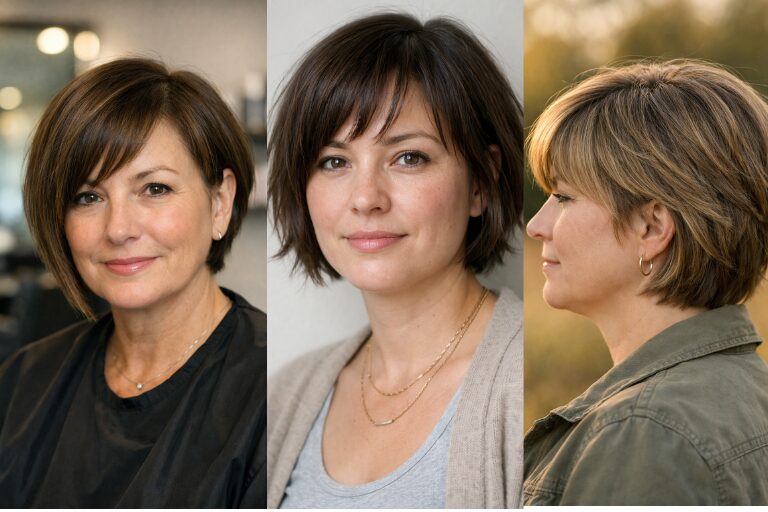
Fine hair and texture are natural allies — when the ends are separated and individuated through point-cutting rather than lying uniformly, each piece catches the light differently and the overall impression is of significantly more hair than is actually present. The shaggy bob achieves this most fully, with choppy, piecey layers throughout that create movement and apparent density simultaneously. The key for fine hair is asking for point-cutting rather than heavy thinning — the former creates texture while the latter removes the weight fine hair cannot afford to lose.
What to ask for: A choppy, piecey bob with point-cutting through the ends and interior — specifically ask for point-cutting rather than thinning shears. Ask for the overall result to feel textured and piecey rather than heavily layered and sparse. The baseline should retain enough strength to look present.
Best for: Fine to medium hair with some natural movement or wave. The shaggy quality looks most natural on hair that has an inherent casual quality.
Styling tip: A texturizing cream scrunched through damp hair from ends toward roots, then left to air-dry completely without touching. The natural air-drying process creates the most authentic shaggy separation — any brushing or smoothing destroys it.
Why it works: Point-cutting creates texture through the separation of individual pieces rather than through removing weight — which means the hair looks more dimensional without actually having any less density. That distinction is critical for fine hair.
8. Glass Hair Bob

The glass hair bob takes the opposite approach from the textured options — maximum smoothness, maximum shine, maximum precision. The clean, glassy finish creates an impression of health and density that is genuinely striking on fine hair, and the precise, strong perimeter does the density work that the absence of layering might seem to prevent. It is the fine hair bob for women who love polish and are happy to invest a few minutes in a blow-dry and flat iron routine.
What to ask for: A blunt, clean bob at any length from ear to chin, cut for maximum smoothness and with no layering or thinning whatsoever. Ask specifically for a cut designed for a glass hair finish — the precision of the cutting is critical to the success of the styling.
Best for: Fine to medium-fine straight hair. The glass hair finish works best on hair that lies naturally smooth and has no significant natural wave or frizz.
Styling tip: A heat protectant applied to damp hair before blow-drying smooth with a paddle brush. Then flat iron in small sections from the nape upward, working methodically until every section is smooth and glassy. Finish with a shine serum applied sparingly through the mid-lengths and ends — palms only, not fingertips.
Why it works: The glassy surface reflects light evenly and continuously across the entire length of the bob, creating an impression of volume and health through luminosity. On fine hair, this light-reflective quality is one of the most effective fullness tools available.
9. Graduated Bob

The graduated bob builds weight specifically at the back through a stacking technique that creates fullness and height exactly where fine hair most commonly collapses flat. The graduation means the back sections are progressively longer from the nape upward — each longer layer resting on a shorter one beneath it, creating structural volume that is built into the cut rather than requiring product or technique to maintain.
What to ask for: A graduated bob with a soft graduation rather than a hard wedge — ask for the stacking to be gentle and blended rather than creating a dramatic mushroom shape. A clean nape finishes the graduated back beautifully. Crown layering adds lift at the top to match the volume at the back.
Best for: Fine to very fine hair that struggles specifically with volume at the back and crown. The structural graduation is more reliable and longer-lasting than product-created volume.
Styling tip: A small round brush directed upward at the roots during blow-drying from the nape upward gives the graduated back its most polished, lifted finish. The graduation maintains its shape largely independently — the styling is simply helping the cut perform at its best.
Why it works: Graduation creates volume through the physical structure of the cut — each shorter layer beneath pushes the layers above it outward, creating genuine structural fullness that does not depend on product or styling to exist.
10. Sleek Side-Swept Bob

The sleek side-swept bob is the most versatile and reliably professional option in this guide. A clean one-length bob with minimal layers, dressed with a smooth side sweep that adds horizontal movement without disturbing the density of the perimeter. The one-length approach preserves end fullness while the side sweep creates the directional interest that prevents the clean bob from looking plain.
What to ask for: A one-length bob with a gentle side sweep built into the cut — the front sections should fall naturally in a swept direction. Ask for minimal layering — the sleek finish requires end weight, and layers reduce it. A smoothing cream and flat brush for the most controlled, clean blow-dry finish.
Best for: Fine to very fine straight hair. The sleek finish works best on hair that lies naturally smooth and does not require significant heat styling to achieve straightness.
Styling tip: A smoothing cream worked through slightly damp hair before blow-drying with a flat brush, pulling the hair smooth in long strokes. The side sweep can be directed and set during blow-drying by consistently pulling the front sections toward the part direction.
Why it works: The sleek side-swept bob is the fine hair bob that looks most immediately polished with the least effort once the blow-dry technique is mastered. The smooth finish and clean perimeter create a professional, considered appearance that suits virtually every occasion.
11. Razor-Cut Bob

The razor-cut bob requires careful execution for fine hair — done correctly it creates a beautiful soft movement at the ends that adds dimension and character without the stiffness of a blunt cut. Done incorrectly, with too much razoring through the body of the cut, it leaves fine hair looking frayed and sparse. The key is keeping the razor work light and surface-only — creating softness at the very tips of the ends rather than removing weight throughout.
What to ask for: A razor-cut bob with light, surface-only razor texture through the ends — ask specifically for the razoring to be minimal and focused only on the very tips rather than worked through the mid-lengths. Keep the baseline strong. Ask your stylist specifically about their approach to razor-cutting fine hair before proceeding.
Best for: Medium-fine to medium hair with some natural movement. Very fine hair may be too delicate for razor-cutting — discuss with your stylist before committing.
Styling tip: A dry shampoo at the roots before styling adds grip and lift that gives the razor-cut ends their most airy, natural movement. Finger-dry rather than blow-dry for the most relaxed, tousled result. The razor ends come alive with a light tousle once dry.
Why it works: Light razor texture at the tips creates a softness and movement at the ends that blunt cutting cannot replicate — the very ends become fine and tapered rather than uniform, which catches light differently and adds a dimensional quality to fine hair.
12. Italian Bob

The Italian bob has a specific quality — a rounded, full shape with a soft inward bend through the ends — that creates one of the most beautifully polished appearances available for fine hair at medium-short length. The rounded silhouette reads as full and voluminous even when the individual strands are fine, and the soft bend at the ends gives the whole cut a healthy, bouncy quality that photographs beautifully.
What to ask for: A rounded Italian bob with light internal layers that add bounce without disrupting the clean outer shape. Ask for the ends to be blow-dried under at the appointment to establish the inward bend direction, and to learn the technique for recreating it at home.
Best for: Fine to medium-fine hair with any natural texture. The Italian bob works particularly well on hair with a slight natural tendency to bend or curl at the ends.
Styling tip: A volumizing mousse through damp hair from roots to ends before a round-brush blow-dry, rolling the ends under throughout. The round-brush technique is the essential tool for this cut — work section by section from the nape upward, rolling each section under as you go.
Why it works: The rounded silhouette creates fullness through shape rather than through hair density — the curved outline reads as voluminous regardless of how fine the hair inside it actually is. The inward bend at the ends reinforces the rounded shape and adds a polished, healthy quality.
13. Jaw-to-Chin Length Bob

The jaw-to-chin length range is the sweet spot for fine hair — the ends have enough weight to maintain a solid perimeter, the length is short enough to feel fresh and modern, and the face framing is at its most flattering. At this exact length, fine hair typically has more natural body and shape than at any other length. A clean blunt perimeter combined with a gentle side sweep creates the combination of density and movement that fine hair needs most.
What to ask for: A bob sitting right between the jaw and chin with a blunt clean perimeter and a gentle side sweep. Keep the ends blunt with no significant thinning. A root spray before blow-drying addresses the crown flatness that fine hair tends to show at this length.
Best for: Fine to very fine hair. The jaw-to-chin range consistently produces the best results for fine hair because it keeps the ends at their fullest naturally occurring point.
Styling tip: A root-lifting spray specifically at the crown and part line before blow-drying gives the base volume that this length needs. A round brush rolling the ends slightly under adds the clean, tucked finish that makes the perimeter look most dense.
Why it works: At the jaw-to-chin length, fine hair has enough natural weight to fall into a shape without being pulled flat by its own length. The clean perimeter at this length has maximum visual impact — it is where the fullness illusion of a blunt bob is most convincing.
14. Second Razor-Cut Bob

This softer, more relaxed version of the razor-cut bob uses the technique with even more restraint — the ends are left with just enough razor texture to feel natural and alive rather than perfectly blunt, while the baseline retains enough strength to maintain the appearance of density. It is the razor-cut bob that looks like it happened naturally rather than being deliberately textured.
What to ask for: A clean baseline with light razor texture applied only to the outermost tips of the ends — ask for the result to feel slightly soft rather than perfectly blunt, but for the baseline to remain clearly defined. Ask your stylist to use the razor minimally and to stop before the ends start looking frayed or wispy.
Best for: Medium-fine to medium hair. As with the first razor-cut version, discuss the technique with your stylist before committing if your hair is very fine.
Styling tip: A light styling cream worked through dry hair with fingers gives the most natural, relaxed finish. The tousle of running fingers through the dry hair activates the razor-cut ends and gives them their most alive, dimensional quality.
Why it works: The minimal razor technique creates a soft, organic quality at the ends that makes the bob look natural and effortless rather than precisely constructed — which is one of the most appealing and difficult qualities to achieve deliberately.
15. Short Blunt Bob

The short blunt bob is the most stripped-back, most maximally-effective fine hair cut in this guide. No layers. No thinning. No texture. Just a clean, sharp edge at a short length where fine hair has the most natural body. The sharpness of the edge makes the ends look thicker immediately — which is the most direct and reliable approach to the fine hair fullness problem.
What to ask for: A short blunt bob with an absolutely clean, sharp perimeter and minimal to no layering. Ask specifically for scissors only through the ends — no thinning shears at all. If you want any polish, a flat iron through the bottom inch and one side tucked behind the ear is all the styling needed.
Best for: Fine to very fine straight hair. The blunt short bob is the most reliable single option for very fine hair that has significant density challenges.
Styling tip: A flat iron through just the bottom inch of the bob for the most polished finish — this sharpens the edge and makes the ends look even cleaner and denser than they do naturally. Keep layers minimal and resists any suggestion of adding texture or thinning at the appointment.
Why it works: The short blunt bob is the most honest and most effective approach to fine hair — it works directly with the physics of how hair looks rather than using layering or texture to create complexity. The simple, clean edge does more for fine hair than any elaborate cutting technique.
16. Short Layered Bob

This short layered bob specifically addresses the crown and root volume problem of fine hair through targeted top layering that builds lift where fine hair most commonly goes flat. The layers are soft and longer rather than short and choppy — designed to push upward and add movement rather than to remove weight from the ends that fine hair needs.
What to ask for: A short bob with soft, longer layers through the crown and top sections specifically for lift — not distributed throughout the entire cut. Ask for the perimeter to remain as full as possible with layering kept well above the ends. Blow-dry the top sections forward for maximum lift, then flip back and smooth the ends under.
Best for: Fine to medium-fine hair that struggles specifically with crown flatness. The targeted top layering is a more effective solution for this problem than distributing layers throughout the cut.
Styling tip: Blow-dry the top sections forward and over the face first, then flip back once the section is fully dry — the cool air from the dryer as you flip back sets the lift that lasts through the day. A root-lifting spray applied before drying amplifies this technique significantly.
Why it works: Forward-then-back blow-drying is a classic volume technique that works by setting the roots in a direction opposite to their final position — creating lift that stays through the day. Combined with top layers specifically designed for crown movement, the result is significantly more lasting volume than product alone can create.
17. Stacked Bob
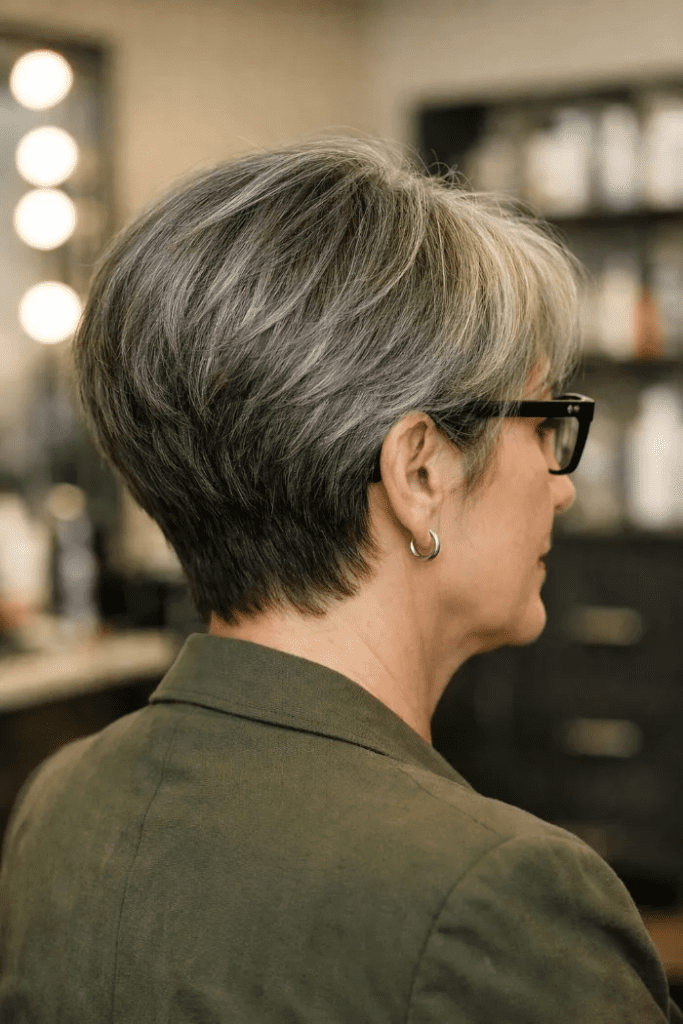
The stacked bob is the graduation technique at its most developed — stacking layers at the back specifically to create maximum structural volume at the crown and nape. The stacked shape means the hair at the back is physically lifted by the shorter layers beneath it, creating a fullness that does not collapse through the day because it is built into the architecture of the cut rather than created by product. A longer front section balances the stacked back and adds face-framing length.
What to ask for: A stacked bob with a clean, precise nape, stacked layers building volume through the back, and a longer front section for face-framing and balance. Ask for a soft graduation rather than a hard wedge at the back — the stacking should look modern and blended rather than creating a dramatically rounded mushroom shape.
Best for: Fine to very fine hair that specifically struggles with back and crown volume. The stacked bob is the structural solution — it creates volume through the architecture of the cut rather than relying on product.
Styling tip: A small round brush directing the crown sections upward during blow-drying from the nape upward gives the stacked back its most lifted, polished finish. The stacking structure does most of the volume work independently — the styling is simply maintaining and maximizing what the cut has built in.
Why it works: Stacking creates the most durable, reliable volume available for fine hair at bob length — because it is structural rather than product-dependent, it looks as good on day three as it does on wash day, which is the definition of genuinely low-maintenance for fine hair.
18. Wispy Feathered Fringe Bob

The wispy feathered fringe bob closes the guide with the most softly feminine option — a bob with a light, feathered fringe that sits gently across the forehead without any weight or heaviness. The fringe is slightly longer at the sides so it blends naturally into the bob without creating a hard line where the fringe ends and the sides begin. On fine hair, wispy feathered fringes work because they add forward interest without requiring the density that a full blunt fringe needs to look present and flattering.
What to ask for: A bob with a wispy feathered fringe cut with thinning shears for maximum lightness — slightly shorter in the center and graduating longer toward the temples. Ask for the fringe to blend into the sides naturally rather than sitting as a distinct section. The bob itself should retain a clean, full perimeter.
Best for: Fine to medium-fine hair. Wispy feathered fringes specifically suit fine hair because they are cut to be light — they look intentional rather than sparse on fine hair in a way that heavy blunt fringes do not.
Styling tip: A small round brush used only through the fringe during blow-drying — just the fringe, not the whole bob. Lift the fringe with the round brush and direct it slightly forward. The rest of the bob can air-dry or be given a quick smooth with a paddle brush. The feathered quality of the fringe looks most beautiful when it has a tiny amount of natural movement rather than being completely flat.
Why it works: The wispy feathered fringe adds a softness and face-framing quality to the bob that makes the whole cut feel more complete and considered. On fine hair, the light, feathered quality of the fringe suits the lightness of the hair — it looks deliberate and beautiful rather than compromised.
How to Choose Based on Your Fine Hair Situation
Use this to quickly match your specific hair challenge to the right cut.
Very fine or significantly thinning hair: The short blunt bob (#15), the blunt chin bob (#3), the stacked bob (#17), and the graduated bob (#9) are the strongest density options. Always prioritize perimeter strength above all else.
Fine hair with crown flatness: The bixie bob (#2), the short layered bob (#16), the stacked bob (#17), and the choppy crown options all specifically address root lift at the crown.
Fine hair that needs movement as well as fullness: The soft layered bob (#5), the textured shaggy bob (#7), and the Italian bob (#12) all add movement without sacrificing too much end density.
Fine hair wanting face-framing: The A-line bob (#1), the curtain bangs chin bob (#4), the deep side-part bob (#6), and the wispy feathered fringe bob (#18) all add forward interest and face-framing without reducing the perimeter density.
Fine hair preferring a polished, sleek finish: The glass hair bob (#8), the sleek side-swept bob (#10), and the short blunt bob (#15) all deliver a polished, controlled appearance that suits professional settings and women who enjoy a groomed aesthetic.
What to Tell Your Stylist
Being specific at the salon makes the difference between a bob that transforms your fine hair and one that leaves it looking thinner than before.
Say “please keep the perimeter as strong as possible.” This single instruction prevents the most common fine hair mistake — over-thinning the ends.
Ask specifically for no thinning shears through the mid-lengths and ends. Thinning shears through the body of a bob on fine hair are the fastest route to a sparse, wispy result. Specify scissors only for the perimeter.
Describe where you need fullness. Crown, back, or ends — identifying the specific area means your stylist can prioritize their technique accordingly.
Bring photos of fine hair specifically. A photo taken on thick hair showing the cut you want tells your stylist very little about how it will behave on fine hair. Find photos taken on similar density hair to yours.
Discuss maintenance honestly. A blunt stacked bob needs a six-week trim to maintain its structure. A softer layered version can often wait eight weeks. Knowing your maintenance preference upfront helps your stylist choose the right version of the cut.
Final Thoughts
Fine hair and the right short bob are genuinely one of the best combinations in hairstyling — because the bob’s structure, perimeter, and proportions do the work of creating fullness that fine hair cannot create through density alone.
Every cut in this guide operates on the same underlying principle: create the appearance of thickness through shape, placement, and perimeter rather than through forcing volume that is not there. Whether that is the clean optical illusion of a blunt chin bob, the structural volume of a stacked back, the directional fullness of a deep side part, or the dimensional quality of point-cut texture — each approach creates fullness in a different way, and all of them work.
Save the cuts you kept returning to in this guide. Pay attention to what drew you to them — the length, the finish, the fringe, the overall silhouette. Take those specific details to your appointment, share them with your stylist alongside the photo, and remind them to keep the perimeter strong. Fine hair in the right bob is genuinely beautiful — and with the right cut, it will look fuller than it has in years.
What short bob is best if my hair looks see-through at the ends?
A blunt bob or graduated bob is the most effective solution. The stronger and more precise the perimeter, the fuller the ends will look. Skip all thinning shears through the mid-lengths and ends and ask specifically for the baseline to be kept thick and clean. A short blunt bob or a stacked bob with a clean nape are the two strongest options for hair that is very transparent at the ends.
Should thin fine hair avoid layers in a bob?
Not necessarily — but the type and placement of layers matter enormously. Long, soft layers through the crown and top sections only can add lift and movement without removing the end density that fine hair needs. Short choppy layers distributed throughout the entire cut, or heavy thinning through the mid-lengths and ends, are the approaches to avoid. The formula is: minimal layers, long not short, placed at the crown and face frame only, with the perimeter left as full as possible.
How do I style a short bob to look fuller all day?
Start at the roots with a volumizing mousse or root-lifting spray on damp hair — volume that is not built in at this stage is very difficult to add later. Blow-dry lifting the crown sections upward with a round brush. If the ends want to flip outward, a brief pass with a round brush rolling them under corrects this. Finish with a light texturizing spray for grip and dimension rather than a heavy serum or oil that would flatten fine hair instantly. Avoid touching the hair once it is dry — each touch flattens fine hair slightly.
How often should fine hair bobs be trimmed?
Every six to eight weeks is ideal for most short bobs on fine hair. Fine hair bobs lose their shape more quickly than thicker hair versions because there is less density to maintain the outline as it grows. Blunt and stacked bobs need attention at six weeks specifically — the perimeter and stacking that create their fullness effect change significantly as the hair grows. Softer, more textured versions can sometimes wait eight weeks. Regular trims are genuinely more important for fine hair than for thicker hair because fine hair relies more heavily on the precision of the cut.
What products should I avoid with fine hair bobs?
Avoid heavy serums and oils through the mid-lengths and ends — they flatten fine hair instantly and make it look greasy rather than glossy. Avoid heavy hold gels that create crunchiness without volume. Avoid heavy creams applied all over rather than just at the roots. The products that work best for fine hair bobs are volumizing mousse at the roots, root-lifting spray targeted at the crown and part line, light texturizing spray for dimension, and flexible light-hold spray for shape without weight. Less product, applied to the roots specifically rather than all over, is almost always the right approach for fine hair.