How Long to Wait to Shower After Gel Nails (And What Happens If You Don’t)
A fresh gel manicure is one of those small luxuries that genuinely improves a week. The glossy finish, the chip-free durability, the way your hands look put-together without any daily maintenance — it’s one of the best beauty investments available. And then you get home, realize you need a shower, and suddenly find yourself standing in your bathroom wondering: is this going to ruin everything I just paid for?
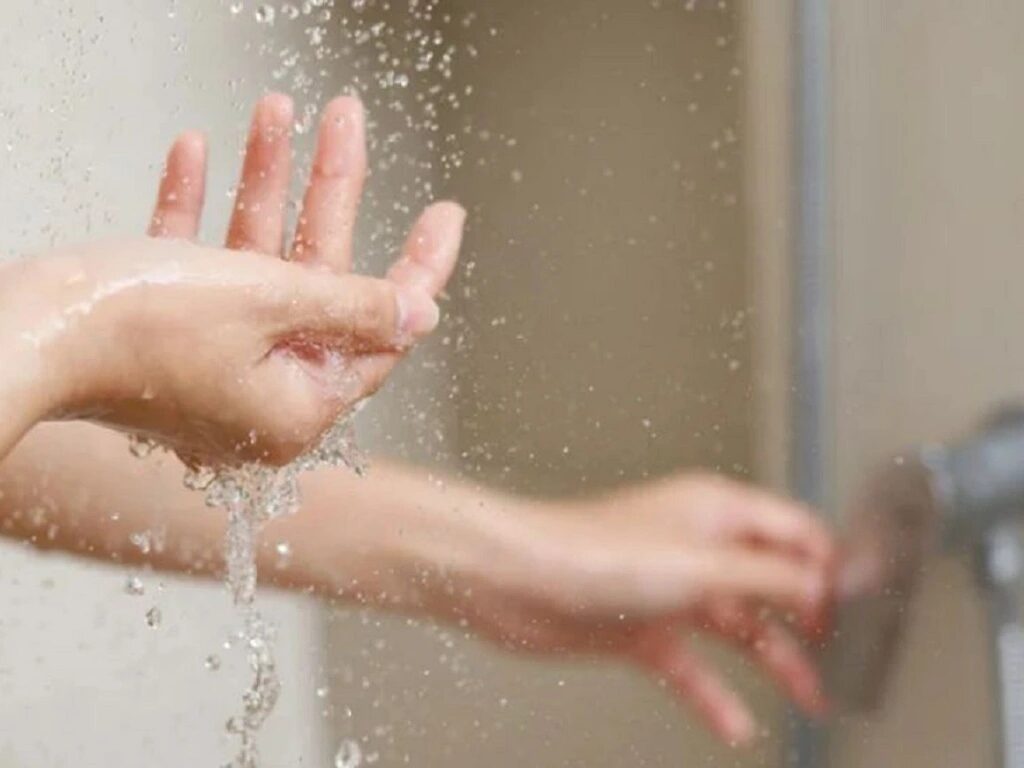
The good news is that gel nails handle water better than most people think. The slightly more complicated news is that timing, water temperature, and a few specific habits in the hours after your manicure make a meaningful difference in how long your gel stays pristine. Get those details right and your manicure lasts two to three weeks without chipping, lifting, or losing its shine. Get them wrong and you may find yourself back at the salon earlier than expected.
Here’s exactly what you need to know about showering after gel nails — including the science behind why it matters and the practical steps that protect your manicure from day one.
Can You Shower Right After Gel Nails?
Technically, yes — with important conditions attached.
Gel polish is fundamentally different from regular nail polish in one critical way: it requires UV or LED light to cure, and once that curing process is complete, the polish is hard and dry immediately. Unlike regular polish, which takes hours to fully dry and remains vulnerable to smudging and denting long after it appears set on the surface, properly cured gel is polymerized — meaning a chemical reaction has transformed it from a soft gel into a hard, solid layer that won’t smear.
This means that the moment you leave the salon or finish curing your at-home gel manicure, your nails are technically hard. You could, in theory, shower immediately without smudging the color. However — and this is the part that most people miss — hardness and full stability aren’t quite the same thing.
In the first few hours after curing, the gel is hard but still in a settling phase. The bond between the gel and your natural nail plate is establishing itself. The layers of base coat, color, and top coat are completing their integration. During this window, prolonged exposure to hot water, steam, and pressure can interfere with that settling process in ways that lead to early lifting, minor bubbling, or a subtle cloudiness in the finish that wasn’t there when you left the salon.
How Long Should You Actually Wait?
The safest guideline: wait at least 4 to 5 hours before taking a hot shower, bath, or using a sauna after a fresh gel manicure.
This timeframe gives the gel adequate time to complete its settling process and establish a strong bond with the natural nail. After that window, normal showering, washing, and water exposure are completely fine for the duration of your manicure.
Here’s how to think about the first few hours:
Immediately after curing (0-1 hour): Your nails are hard and won’t smudge, but the gel is at its most vulnerable to heat and prolonged moisture. A quick, lukewarm handwash is perfectly safe. A hot shower, bath, or sauna should be avoided.
1 to 4 hours after curing: The gel is continuing to settle and the bond with the natural nail is strengthening. A brief lukewarm shower is generally fine. Long hot showers, baths, and any prolonged soaking should still be avoided.
4 to 5 hours after curing: The gel has had sufficient time to settle fully. Normal hot showers, washing, and water exposure are fine from this point forward. The manicure is at its most durable and stable.
After 24 hours: The gel is fully settled and the bond is as strong as it’s going to get. You can resume all normal activities involving water without any special precautions.
What Happens If You Shower Too Soon?
Understanding the specific ways that early water exposure affects gel helps explain why the waiting period matters and what you’re actually protecting against.
Lifting at the edges. This is the most common and most frustrating consequence of early water exposure. When gel nails are exposed to hot water and steam before the bond with the natural nail has fully established, the seal at the free edge and sidewalls can weaken. This creates microscopic gaps where moisture can enter, causing the gel to begin separating from the nail plate. Once lifting starts, it tends to progress — moisture gets under the lifted section, the separation grows, and the manicure’s lifespan is significantly shortened.
Cloudiness or loss of shine. The top coat of a gel manicure is what creates that signature high-gloss finish. Hot water and steam in the early settling phase can cause slight surface disruption to the top coat that manifests as a subtle cloudiness or dulling of the shine. This is typically not visible in every lighting condition but is most noticeable in direct sunlight or flash photography. Once it develops, it can’t be corrected without removing and reapplying the top coat.
Minor bubbling. In some cases, early heat and steam exposure can cause very small air pockets to develop within the gel layers. This is more common with at-home gel applications where the curing process may not have been fully optimized, but it can occasionally occur with salon applications on nails that have natural oil content that wasn’t fully removed before application.
Reduced overall longevity. Even when none of the above issues are visibly obvious, early water exposure can subtly compromise the gel’s adhesion in ways that result in the manicure chipping or lifting several days earlier than it would have with proper initial care. A manicure that might have lasted 18 days with good early habits might only last 12 days if those habits were skipped.
Tips for Showering After Gel Nails
1. Control the Water Temperature
Temperature is the most critical variable in the shower-after-gel equation. Hot water expands both the gel and the natural nail plate at slightly different rates, which can stress the bond between them. Steam compounds this by surrounding the nail in continuous heat and moisture simultaneously. Lukewarm water causes significantly less thermal stress.
If you need to shower within the first few hours of your manicure, keep the water as cool as comfortably possible and keep the shower brief. If you can wait the full 4 to 5 hours, you can shower normally at whatever temperature you prefer without any concern.
2. Skip Long Soaks in the Early Window
The cumulative moisture exposure of a long bath or a prolonged hand-soaking situation is more problematic than a brief shower even at lower temperatures. Prolonged soaking allows moisture to gradually work its way into any microscopic imperfections in the gel seal in a way that a brief water exposure doesn’t. Skip baths, hot tubs, and any extended hand-soaking for at least 4 to 5 hours after your manicure.
3. Choose Gentle Products Near the Nails
Strong soaps, exfoliating scrubs, and harsh cleansers can be harder on the cuticle area and the gel edge seal than standard body wash. In the first day or two after your manicure, stick to mild, moisturizing cleansers and avoid scrubbing the nail area directly. This applies to hand washing as well as showering.
4. Pat Dry, Never Rub
After showering or washing your hands, pat your nails dry gently rather than rubbing them with a towel. Rubbing applies friction to the edge seal and to the surface of the gel, which can introduce small surface scratches over time and stress the sidewall adhesion. Patting is gentler on both the gel’s surface and its bond with the natural nail.
5. Apply Cuticle Oil After Every Shower
Water exposure — even after the gel is fully settled — can dehydrate the nail bed and cuticle area over time. Dehydrated cuticles and nail beds make the natural nail more prone to brittleness, which can contribute to gel lifting as the natural nail bends and flexes more dramatically under stress. Applying a cuticle oil after showering keeps the nail bed flexible and healthy, which directly supports the longevity of the gel above it.
This is one of the most underrated gel manicure maintenance habits available. Cuticle oil applied consistently throughout the two to three weeks of your gel manicure’s lifespan — not just immediately after application — makes a measurable difference in how long the gel stays intact and how healthy the natural nail underneath remains.
Can You Wash Your Hands Right After Gel Nails?
Yes, without any waiting period required. Handwashing is significantly less stressful on fresh gel than showering because the exposure is brief, the water volume is smaller, and most handwashing doesn’t involve sustained heat or steam.
Follow these simple habits for the first 24 hours:
Use lukewarm rather than hot water when possible. Use a gentle, mild soap rather than anything with harsh chemicals or strong exfoliants. Pat dry thoroughly after washing rather than leaving moisture on the nail surface. Apply a small amount of cuticle oil after washing when practical, especially in the first 24 hours.
After the first day, normal handwashing habits can resume completely without any special modifications.
At-Home Gel Manicures vs. Salon Gel Manicures: Does the Wait Time Differ?
The 4 to 5 hour guideline applies to both, but at-home gel manicures may benefit from slightly more caution for a few reasons.
Curing quality. Professional salons use high-powered UV or LED lamps that cure gel quickly and thoroughly. At-home lamps vary significantly in power — a lower-powered lamp may require longer curing times per layer to achieve the same degree of polymerization, and if the curing times are underestimated, the gel may not be as fully hardened as it appears. Under-cured gel is more vulnerable to water damage in the early hours.
Surface preparation. Proper gel adhesion depends heavily on nail surface preparation — removing oils, buffing lightly, and applying primer where appropriate. Professional nail techs do this as a trained, consistent process. At-home application sometimes skips or rushes these steps, which can result in a slightly weaker initial bond that benefits from extra care in the post-application window.
Layer thickness. Professional gel application typically involves thin, even layers that cure more completely and adhere more consistently. Thick or uneven layers from at-home application may have slightly more settling to do in the hours after curing.
If you’re doing gel at home, err toward the longer end of the waiting window — closer to 5 or even 6 hours before a hot shower — to give your application the best possible chance of achieving full stability.
The Best Timing Strategy: Shower Before Your Appointment
The most elegant solution to the post-manicure shower question is to eliminate it entirely by showering before your gel appointment rather than after. This simple scheduling habit removes the waiting period dilemma completely — your nails have the entire evening, overnight, and the following morning to settle fully before their first significant water exposure.
There’s also a secondary benefit: showering before your appointment means your hands are clean and your nails are prepped, but your nail beds have had some time to settle and any remaining moisture to evaporate before the gel is applied. Nail technicians often recommend that nails be as dry as possible before gel application, and freshly dried hands from a recent shower actually provide a slightly better application surface than very freshly washed hands.
How to Maximize Your Gel Manicure’s Lifespan Beyond the First Shower
The post-shower waiting period is just the beginning of gel manicure care. These ongoing habits extend the full lifespan of your manicure significantly:
Wear gloves for cleaning and dishes. Prolonged exposure to hot water and cleaning chemicals is the number one cause of gel lifting over a manicure’s lifespan. Rubber or nitrile gloves for dishes, cleaning, and any chemical exposure protect the edge seal consistently.
Apply cuticle oil daily. As mentioned above, consistent cuticle oil application throughout the manicure’s life keeps the nail bed flexible and healthy. Apply morning and evening if possible, or at minimum once daily.
Avoid using your nails as tools. Prying open containers, scratching off stickers, and similar habits apply direct stress to the free edge of the gel, which is the most vulnerable point for chipping and peeling.
Use acetone-free nail polish remover on surrounding skin. If you need to remove polish from skin around the nails, use an acetone-free remover — acetone, even when not directly on the gel, can affect the edge seal if it makes contact repeatedly.
Keep the edge sealed. If you notice any very early lifting at the edge of one nail, see your nail tech for a repair as soon as possible. Once lifting begins, moisture gets under the gel and the separation progresses more quickly than it would if caught early.
Final Thoughts
The short answer to how long to wait before showering after gel nails is 4 to 5 hours — and specifically, that guideline applies to hot showers, baths, and saunas. A quick lukewarm rinse or regular handwashing is safe immediately after your manicure without any waiting period.
The longer answer is that the habits you develop around your gel manicure from the first few hours onward determine whether it lasts 10 days or 21 days. Controlling water temperature in the early window, patting rather than rubbing dry, applying cuticle oil consistently, and wearing gloves for prolonged water exposure are the practical habits that separate a manicure that chips after a week from one that looks salon-fresh for three.
A little intentional care in the first few hours costs almost nothing. The payoff is a flawless, high-gloss manicure that earns its reputation as the most durable, beautiful nail option available.
Bookmark this guide and check it after your next gel appointment — the first five hours are the most important ones.
What if I can’t wait 4 to 5 hours before showering?
A brief lukewarm shower immediately after gel nails is unlikely to cause dramatic damage. The concerns are primarily about prolonged heat, steam, and soaking rather than brief water exposure. Keep the shower short, use lukewarm water rather than hot, avoid directing the shower stream directly onto the nails, and apply cuticle oil immediately after drying off. Your manicure may not be affected at all, though the settling time guideline is the safest approach.
Does the type of gel polish affect how long you need to wait?
Gel polish formulas from different brands cure and settle at slightly different rates, but the 4 to 5 hour guideline is a safe standard for all professional-grade gel systems. Builder gels and gel extensions — which are thicker and used for adding length or structure — may benefit from an even longer initial period before prolonged water exposure, as the greater material thickness means more settling time may be needed.
Can hot water cause gel nails to lift even after the settling period?
After the gel has fully settled (typically after 24 hours), normal hot water exposure during showering, dishwashing, and bathing won’t cause lifting. However, extremely prolonged soaking — like very long baths taken multiple times weekly — can gradually weaken the edge seal over time, which is why gloves for dishes and cleaning remain a good habit throughout the manicure’s lifespan regardless of when the first shower occurs.
Does swimming affect gel nails the same way showering does?
Pool water and saltwater present the same concerns as hot showers, plus additional ones: chlorine in pool water can affect both the gel’s color stability and its bond, particularly for lighter shades. Saltwater can be similarly drying to the nail bed. For the best longevity, avoid swimming for at least 24 hours after a fresh gel manicure. When swimming regularly during a gel manicure’s lifespan, apply a layer of cuticle oil around the nail edge before entering the water to create a minor barrier.
How do I know if my gel nails are fully cured before I leave the salon?
Properly cured gel should feel completely hard with no give when you press gently on the surface, and the surface should be smooth and non-tacky (unless a specific “tacky layer” top coat was used, which requires a no-wipe top coat over it). If your nails feel even slightly soft or sticky, they may be under-cured — let your nail tech know before you leave so they can cure them further. Leaving with under-cured gel is one of the most common sources of early manicure failure.