17 Pixie Bob Haircut Ideas That Look Effortlessly Right Every Day
The pixie bob is one of the most underappreciated haircuts in existence — and the reason is that it looks like it should be simple when it is actually the result of very specific decisions made well. Too short and it becomes a pixie. Too long and it becomes a bob. At exactly the right length, with exactly the right weight distribution and texture, it becomes something that manages to look both effortless and deliberate simultaneously.
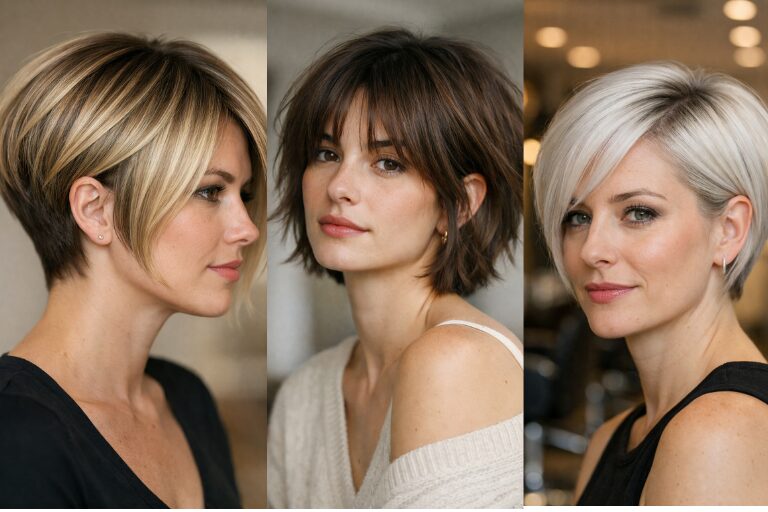
That specific quality — intentional without looking styled — is what makes the pixie bob so consistently rewarding to wear. It requires less daily effort than a pixie because the extra length at the front provides styling flexibility. It looks sharper and more modern than a bob because the shorter back creates a clean, precise frame. And it suits a wider range of face shapes and hair types than either extreme because it can be adjusted on every dimension.
The difference between a good pixie bob and a forgettable one comes down to three details. Where the weight sits — too much through the nape creates a helmet, too little creates a flat, shapeless cut. How the front falls — the front length and face-framing pieces determine whether the cut flatters or simply shortens the hair. And how much texture is left behind — over-texturized pixie bobs collapse rather than move, while under-texturized ones feel rigid and heavy.
These 17 pixie bob haircut ideas cover the full range — from the softest, most feminine feathered versions to the sharpest, most graphic tapered cuts. Every look comes with what to ask for at the salon, a styling tip, and why it works so you can walk in knowing exactly what you want.
What Makes a Pixie Bob Different from a Pixie or a Bob
Before the looks, understanding the specific characteristics that define a pixie bob helps you communicate more precisely at the salon.
Length: A pixie bob typically sits between the earlobe and the jaw — longer than a classic pixie (which sits above the ear) and shorter than a traditional bob (which sits at or below the jaw). The front is usually kept slightly longer than the back.
Back shape: The nape is the defining characteristic of a pixie bob’s style. It can be tapered (close and clean), stacked (graduated for volume), rounded (soft curve), or feathered (light and textured). Each creates a completely different rear silhouette.
Weight placement: Unlike a bob where weight distributes evenly around the perimeter, a pixie bob concentrates weight through the crown and top for lift, with the back and sides kept lighter and closer to the head.
Front length: The longer front sections of a pixie bob are what distinguish it from a pixie — they provide the face-framing quality that makes the cut flattering rather than simply short.
17 Pixie Bob Haircut Ideas
1. Soft Highlighted Pixie Bob
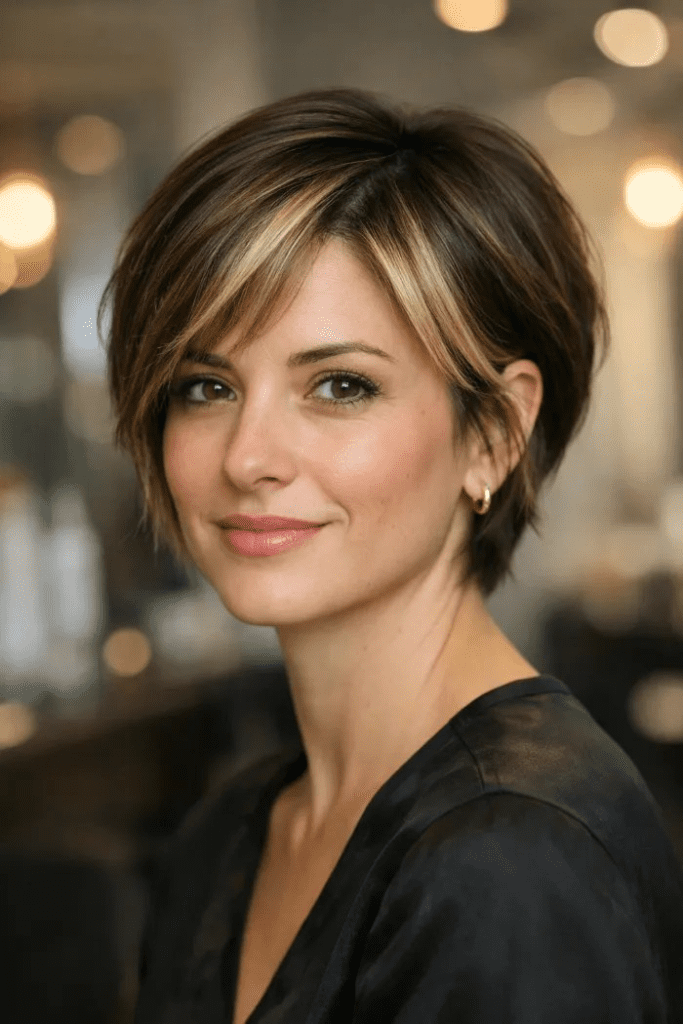
This polished-but-relaxed pixie bob uses soft highlights through the top to add dimension and brighten the overall look without the color overpowering the cut. The longer front pieces frame the face gently, and the overall shape is designed to grow out gracefully — a quality that makes it particularly well-suited to women who prefer longer intervals between salon appointments.
What to ask for: A pixie bob with longer front pieces that frame the face, soft layering through the crown, and a clean back. For the highlights, ask for fine, face-brightening pieces through the top that add dimension without creating obvious sections.
Best for: Fine to medium hair. The highlights add visual dimension that makes fine hair look denser through the crown.
Styling tip: A light volumizing mousse at the crown before blow-drying gives the top sections enough lift to hold their position through the day. The highlights show most beautifully with a smooth, lightly blown-out finish.
Why it works: The combination of a well-shaped pixie bob and subtle highlights creates two layers of dimension — the cut provides shape and movement, and the color provides depth. Together they produce a result that looks significantly more elaborate than either element alone.
2. A-Line Pixie Bob
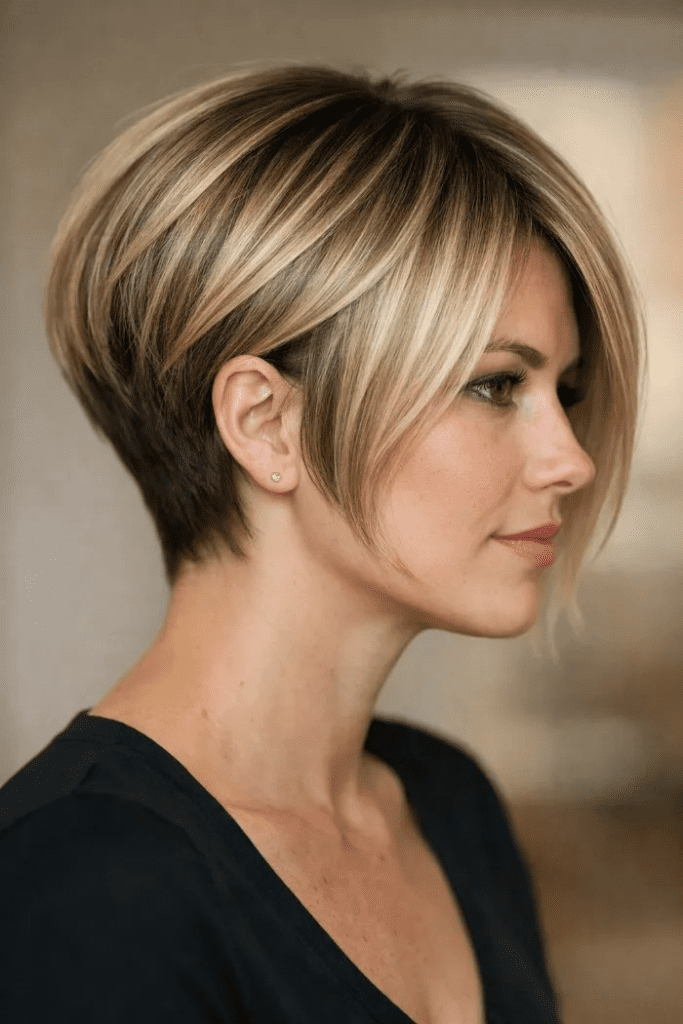
The A-line pixie bob is the most structurally considered option in this guide — shorter at the back and gradually longer toward the front, creating a diagonal line that gives the cut real geometric presence. The shape gives fine hair more visual weight and presence without requiring stacking or heavy graduation. It is neat, structured, and one of the most flattering pixie bob shapes for most face shapes because the longer front sections frame and soften while the shorter back creates precision.
What to ask for: A pixie bob with a clear A-line shape — shorter at the nape, graduating longer toward the front sections. Ask for the angle to be gentle rather than dramatic, and for the perimeter to stay clean and defined. Minimal internal layering maintains the clean A-line geometry.
Best for: Fine to medium hair. The A-line shape gives fine hair more visual weight through geometry rather than through bulk.
Styling tip: A round brush rolling the front sections slightly toward the face during blow-drying emphasizes the A-line framing and gives the cut its most polished, intentional finish.
Why it works: The A-line creates visual weight at the front of the cut — where it flatters the face most — while the shorter back keeps the overall silhouette clean and precise. The diagonal line adds direction and momentum to a cut that could otherwise simply look short.
3. Brunette Pixie Bob With Texture
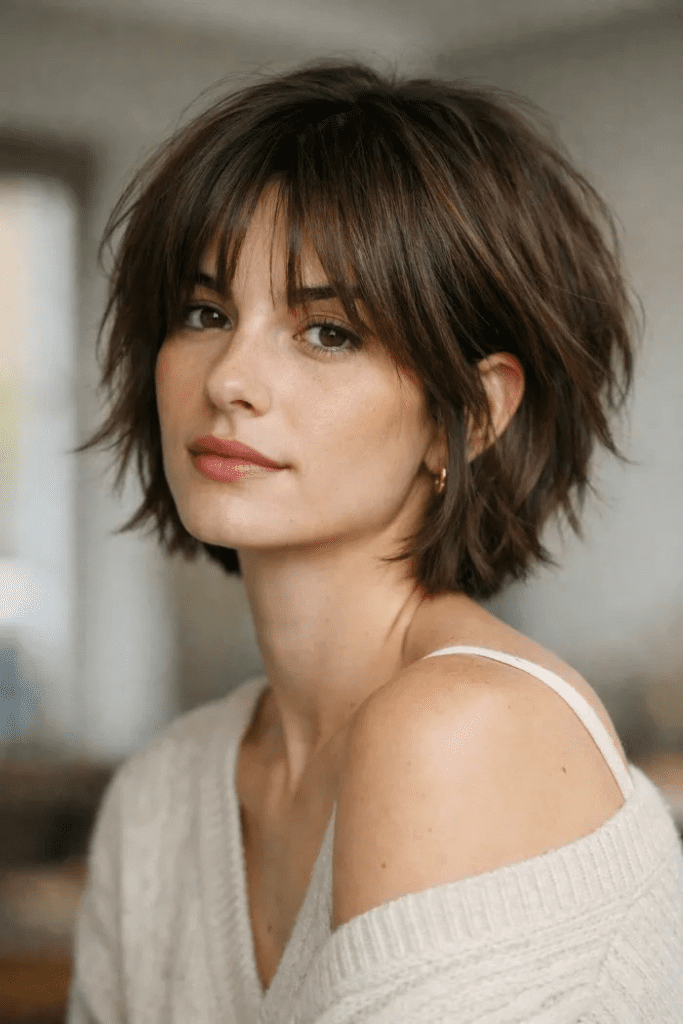
Deep brunette coloring and light texture through the ends are a specifically excellent combination for a pixie bob — the rich color adds depth and presence while the texture prevents the cut from sitting too heavily or too solidly. Subtle layering around the crown adds natural movement without creating obvious step-layers that can look dated. It is the most practical everyday pixie bob in this guide.
What to ask for: A pixie bob with light point-cut texture through the ends and subtle crown layering for natural movement. Ask for the texture to feel soft and organic rather than choppy or deliberately disheveled — the goal is movement, not obvious textural detail.
Best for: Medium to thick brunette hair. The texture specifically addresses the risk that darker, medium-thick hair has of sitting too solidly and looking heavy rather than shaped.
Styling tip: A light texturizing cream worked through slightly damp hair and rough-dried with fingers gives the most natural texture finish. Avoid heavy products that would weigh down the fine texture the cut is designed to create.
Why it works: Texture and brunette depth working together create a cut that has visual interest from multiple sources simultaneously — the color adds richness and the texture adds movement, so the eye is never simply looking at a solid, static shape.
4. Choppy Pixie Bob
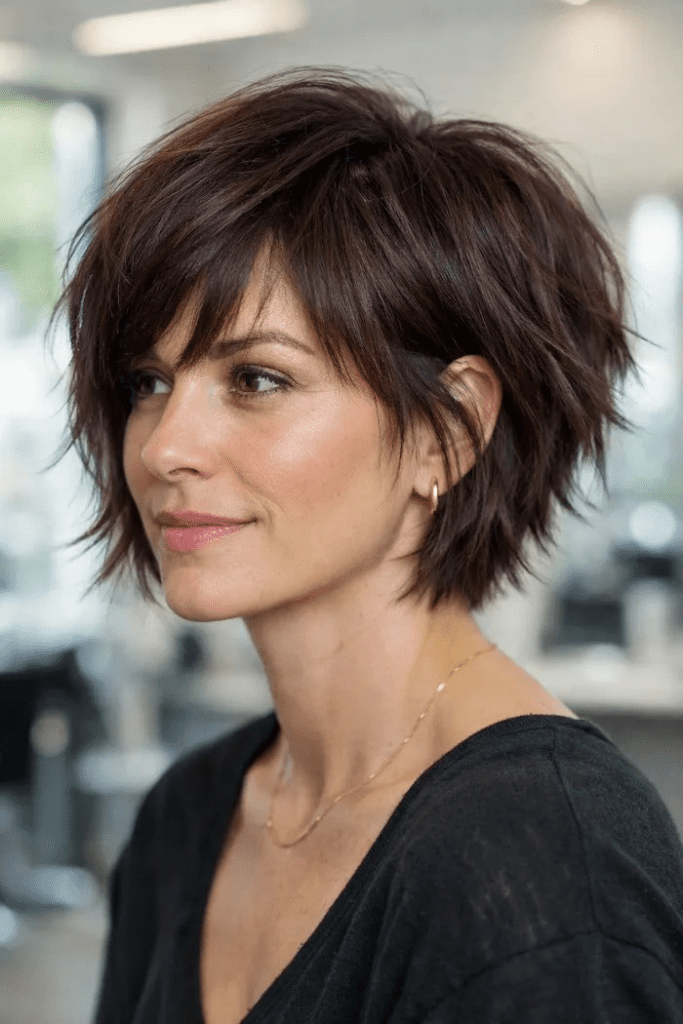
The choppy pixie bob is the most deliberately casual and most relaxed option in the guide — uneven ends that create personality and interest around the sides and throughout the cut, specifically designed for hair that tends to fall flat. The choppiness is the styling — it does not require volume products or elaborate technique to look intentional because the cut itself has enough personality to carry the style independently.
What to ask for: A pixie bob with choppy layers throughout — ask for the ends to be cut with point-cutting or razoring to create genuine unevenness rather than a standard uniform texture. The choppiness should feel organic rather than aggressively designed.
Best for: Fine to medium hair that tends to go flat. The choppy texture creates visual interest that reads as volume without requiring any actual density.
Styling tip: A matte paste worked through dry or slightly damp hair with the fingers, separating pieces gently, gives the most authentic choppy finish. Avoid brushing or smoothing — it destroys the intentional unevenness that makes this cut work.
Why it works: Choppy layers add personality to a pixie bob in the same way that natural imperfection adds personality to any design — the irregularity creates visual interest that a perfectly uniform cut simply cannot achieve. It looks lived-in from day one.
5. French-Inspired Pixie Bob
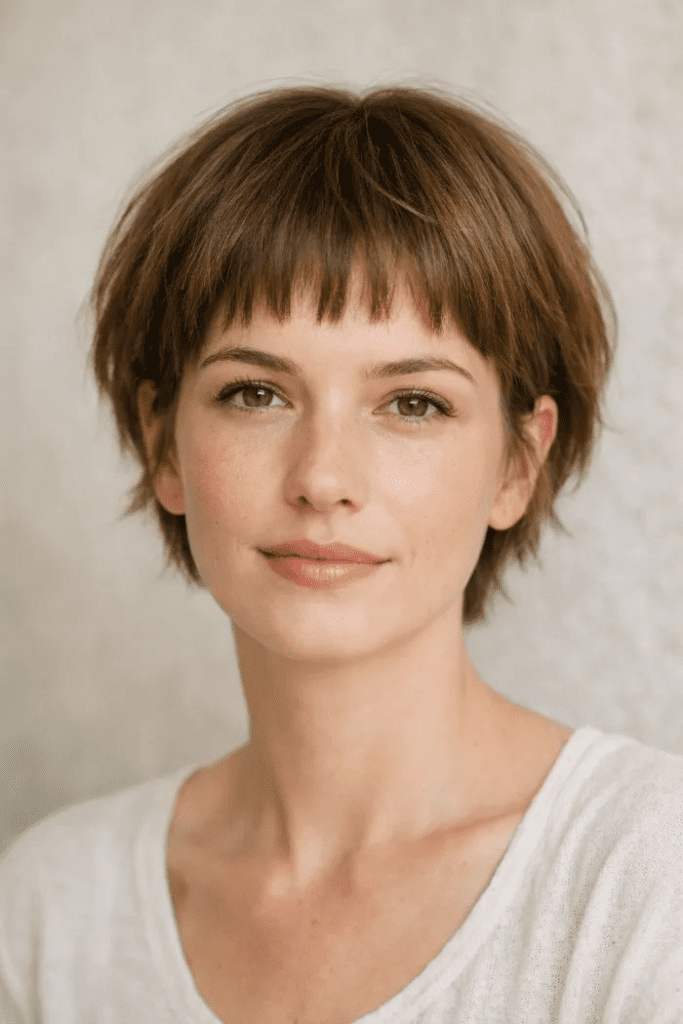
The French-inspired pixie bob has that specific quality of effortlessness that no amount of deliberate styling can fully replicate — it looks like it happens naturally rather than being carefully constructed. The shape is relaxed rather than precisely defined, the face-framing length is present but not dramatic, and the overall finish has just enough movement to look alive without looking styled.
What to ask for: A pixie bob with a relaxed, natural shape — ask for the cut to prioritize easy wearability over geometric precision. Slight length around the face that blends naturally into the rest of the cut. Light, organic texture through the ends rather than deliberate choppiness.
Best for: Most hair types. The French-inspired approach is more about the quality of the finish than the specific technique, and it adapts to most textures and densities.
Styling tip: Let the hair dry naturally if possible, or use the minimum heat styling needed to simply direct it rather than precisely style it. The French-inspired pixie bob looks most authentic when it settles slightly differently each day rather than being reproduced identically.
Why it works: The relaxed quality of the French-inspired pixie bob suits everyday life in a way that more precisely styled cuts sometimes do not — it looks like the person simply has great hair naturally, which is the highest possible compliment any haircut can receive.
6. Ice Blonde Pixie Bob
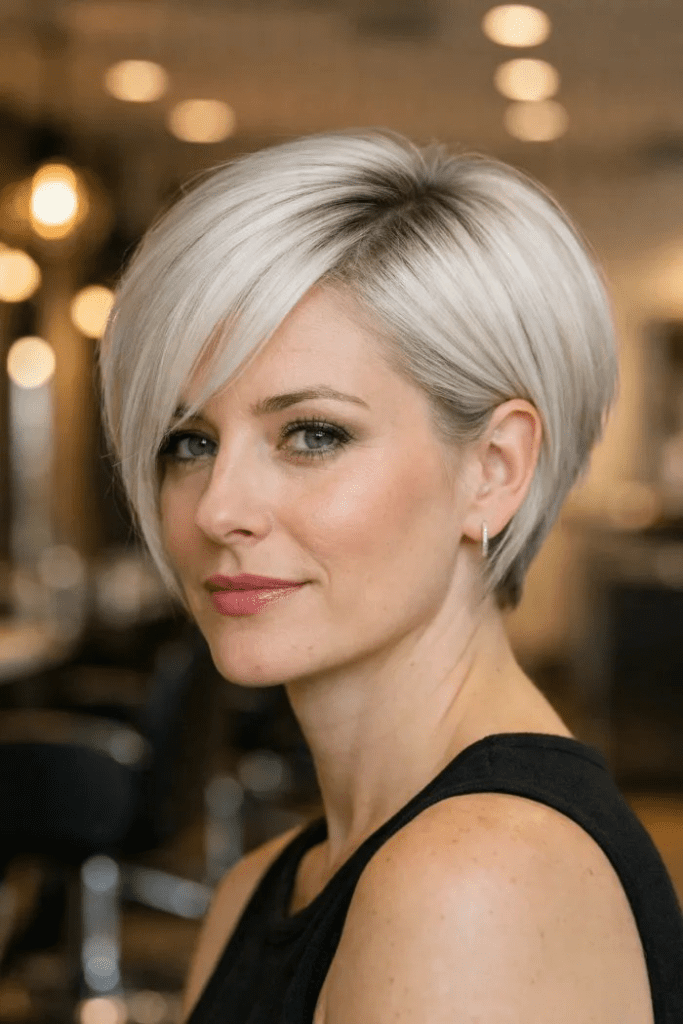
The ice blonde pixie bob uses color as a primary design element — the cool, pale tone creates a crispness and precision that darker colors cannot achieve. The short back contrasts with the longer top layers in a way that is most visible on a pale blonde, where every layer transition and every textural detail reads clearly. The simplicity of the cut lets the color be the statement.
What to ask for: A clean, moderately short pixie bob with longer top layers for contrast, in an ice or platinum blonde tone — ask for a cool ash toner over the finished color to maintain the crisp, cool quality of the blonde. Keep the cut relatively simple: the color does more visual work than any elaborate layering would.
Best for: Fine to medium hair. Ice blonde amplifies the visual presence of fine hair significantly — the pale tone makes every strand of texture and every layer clearly visible.
Styling tip: A root-lifting spray at the crown before blow-drying and a quick smooth through the top with a brush gives the ice blonde pixie bob its most polished finish. A toning shampoo used weekly maintains the cool, crisp quality of the blonde.
Why it works: The combination of a clean pixie bob shape and ice blonde color creates the most modern and most graphic result in this guide — both the cut and the color communicate deliberate intention, and together they amplify each other’s impact.
7. Classic Pixie Bob
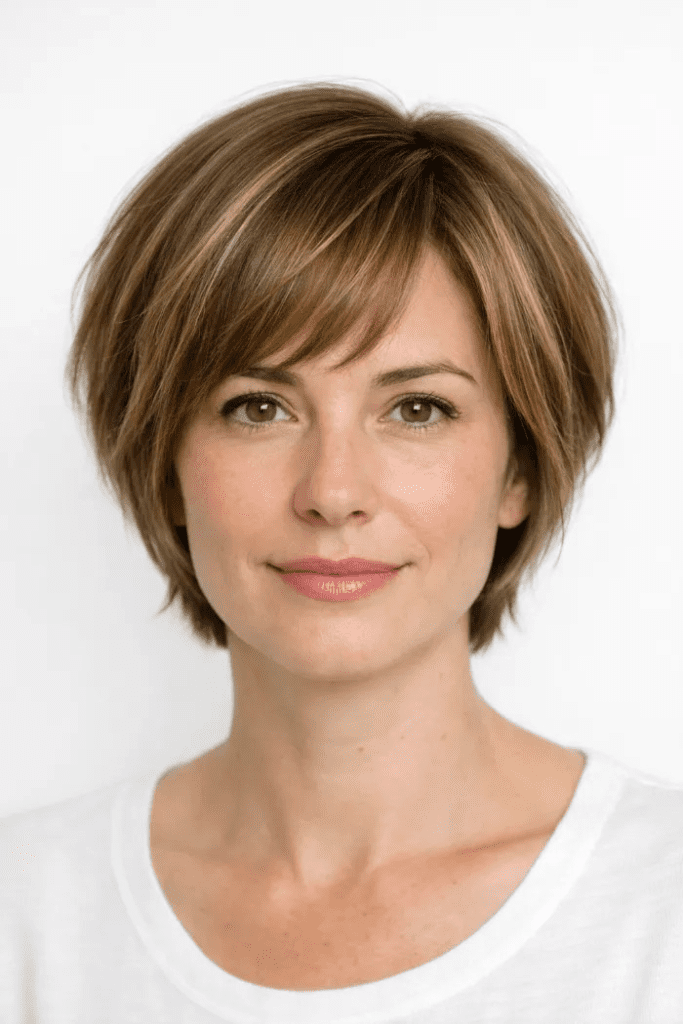
The classic pixie bob is the most timeless and most universally flattering option in the guide — a balanced, proportionate cut with soft layering throughout that reads as familiar and wearable rather than experimental. It is the pixie bob that suits the widest range of face shapes, hair types, and lifestyles, and it grows out more gracefully than any of the more specifically styled versions.
What to ask for: A balanced pixie bob with soft layering distributed naturally throughout — not concentrated in any specific area, just enough movement to prevent the cut from sitting stiff and solid. Clean lines at the perimeter and a proportionate relationship between the crown volume and the nape.
Best for: Most hair types and most face shapes. The classic pixie bob is specifically designed to work broadly rather than being optimized for any specific hair characteristic.
Styling tip: A volumizing mousse at the roots before a quick blow-dry with a vent brush gives the classic pixie bob its most natural, everyday finish. It should look like the hair just dried this way rather than having been precisely styled.
Why it works: The classic pixie bob works because it prioritizes proportion over detail — every element is balanced against every other element, creating a cut that looks right from every angle and in every lighting condition. That balance is harder to achieve than dramatic detail and more consistently flattering.
8. Layered Pixie Bob
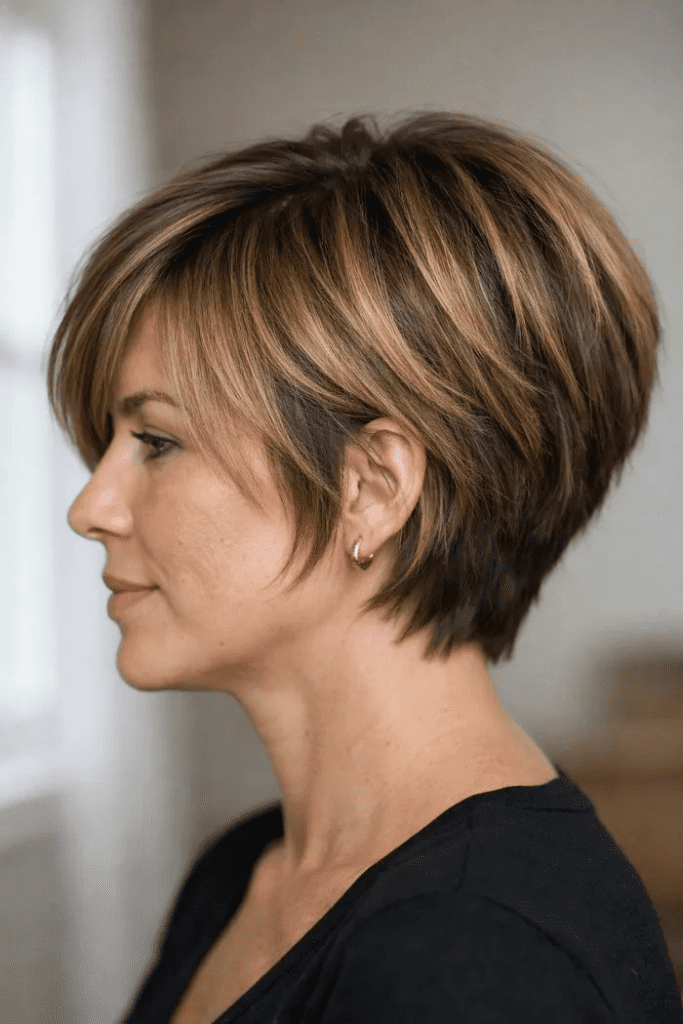
Layers are the primary design tool in this pixie bob — distributed specifically through the crown and sides to help the hair sit naturally without developing the boxy, solid shape that unlayered cuts at this length can produce. The result is a cut that feels genuinely light and flexible, refreshes easily with minimal product, and holds its proportions even as it grows.
What to ask for: A pixie bob with deliberate layering through the crown and sides — ask for the layers to be placed to encourage natural movement and prevent a boxy silhouette. The layering should feel like it has direction — crown layers pushing upward, side layers creating movement outward — rather than being distributed uniformly.
Best for: Medium to thick hair that needs layering to prevent the cut from sitting too solidly. Fine hair can work with lighter, more minimal layering.
Styling tip: A vent brush or diffuser during blow-drying lifts the layered sections most effectively and gives the cut its most natural movement. Avoid a paddle brush, which smooths down the layers and removes the natural movement they are designed to create.
Why it works: The right layering in a pixie bob is the difference between a cut that looks alive and moves naturally and one that simply sits on the head in a fixed shape. When the layers are placed with the hair’s natural growth direction in mind, the result looks effortless because the hair is genuinely moving the way it wants to.
9. Piecey Brunette Pixie Bob
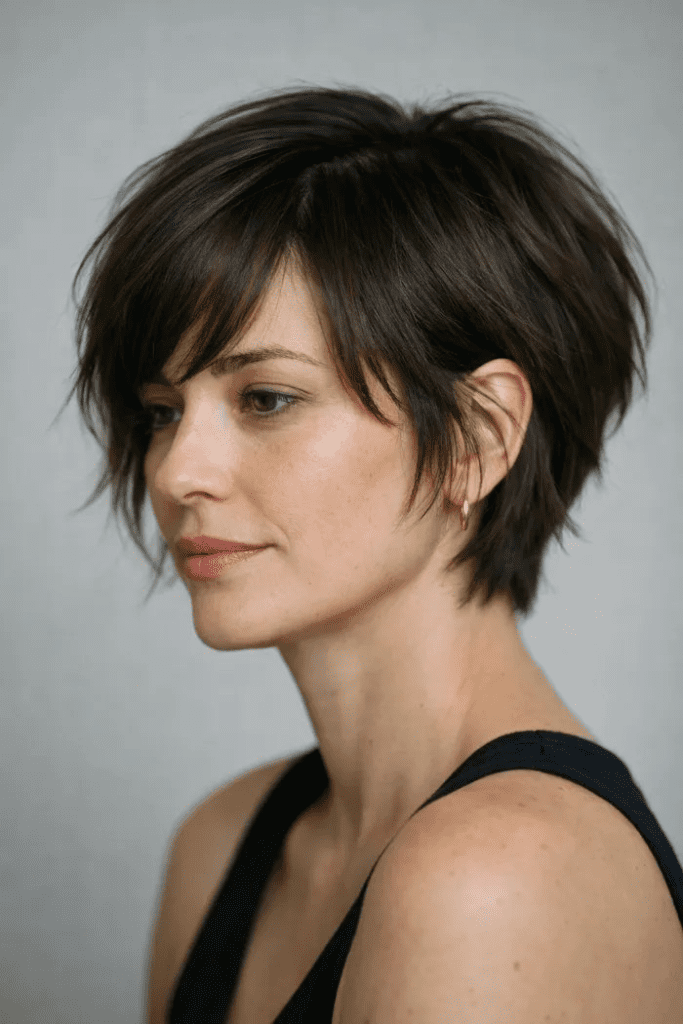
The piecey pixie bob uses gentle separation of the ends to add character and movement without crossing into messy or undone territory. The brunette depth adds richness to every separated piece, and the controlled nature of the piecey finish means the cut looks considered rather than casual. It is the ideal middle ground for women who like texture but find fully choppy or deliberately disheveled cuts too informal.
What to ask for: A pixie bob with piecey end texture — ask for point-cutting through the ends that creates natural separation when the hair dries rather than lying uniformly. The pieciness should be subtle enough that a quick smooth-through with a brush makes it disappear on days when you want a cleaner finish.
Best for: Medium brunette hair. The depth of brunette coloring makes piecey texture most visible and most attractive — each separated piece catches light differently, adding genuine dimension.
Styling tip: A light paste or texture cream worked specifically through the ends with fingertip application gives the most controlled piecey separation. Work from the ends upward rather than throughout the whole cut — the roots and crown should stay smooth while the ends separate.
Why it works: Piecey texture adds movement and personality to a pixie bob without the maintenance demand of a fully textured or choppy cut. On any given day, you can emphasize the separation with product for a more casual look or smooth it down for a more polished one — the versatility is built in.
10. Short Textured Pixie Bob
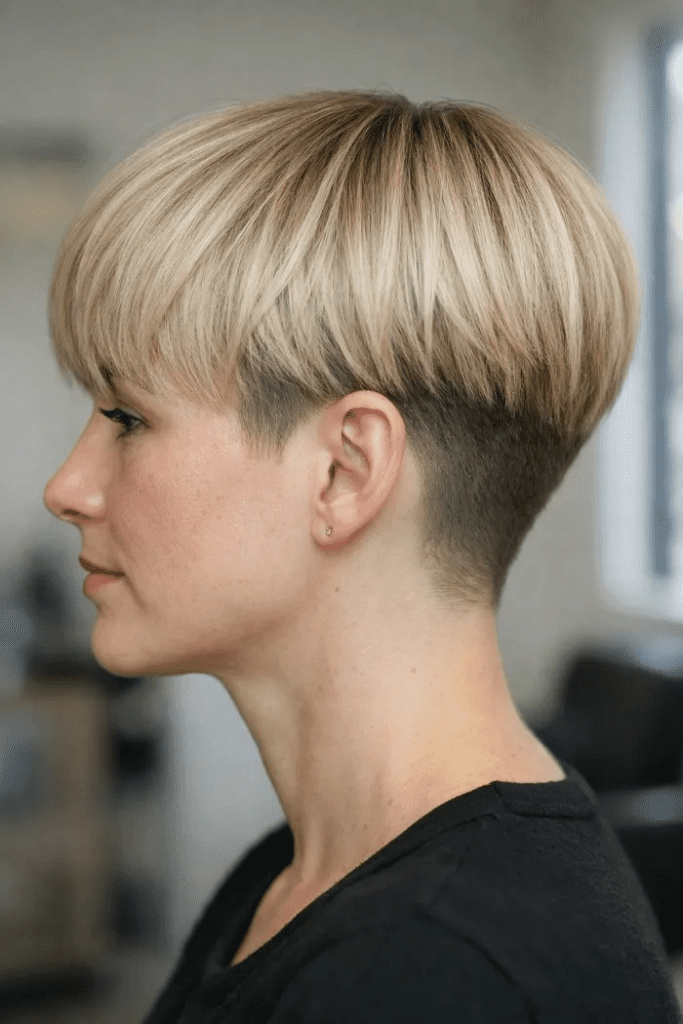
This is the closest option to a traditional pixie in the guide — cut close but not severe, with texture through the top that prevents the shortness from reading as stark or harsh. The shorter sides create a clean, precise outline that gives the cut a deliberate quality, while the softness through the top prevents it from looking overly structured.
What to ask for: A short pixie bob with close but tapered sides and soft texture through the crown and top — ask for the top to stay slightly longer than the sides so the textural detail has room to express itself. The overall finish should feel clean and intentional rather than rough or deliberately undone.
Best for: Fine to medium hair. The close sides and textured top create the most flattering proportional balance on hair that has enough natural body to hold the top texture without collapsing.
Styling tip: A texturizing paste or matte wax worked through the top section with fingers while slightly damp, then air-dried, gives the most natural texture for this cut. The close sides require no product — their precision is built into the cut.
Why it works: The contrast between the clean close sides and the softer textured top gives this pixie bob a very specific graphic quality — structured at the frame and textured at the crown — that makes the cut look extremely deliberate and extremely modern.
11. Platinum Pixie Bob
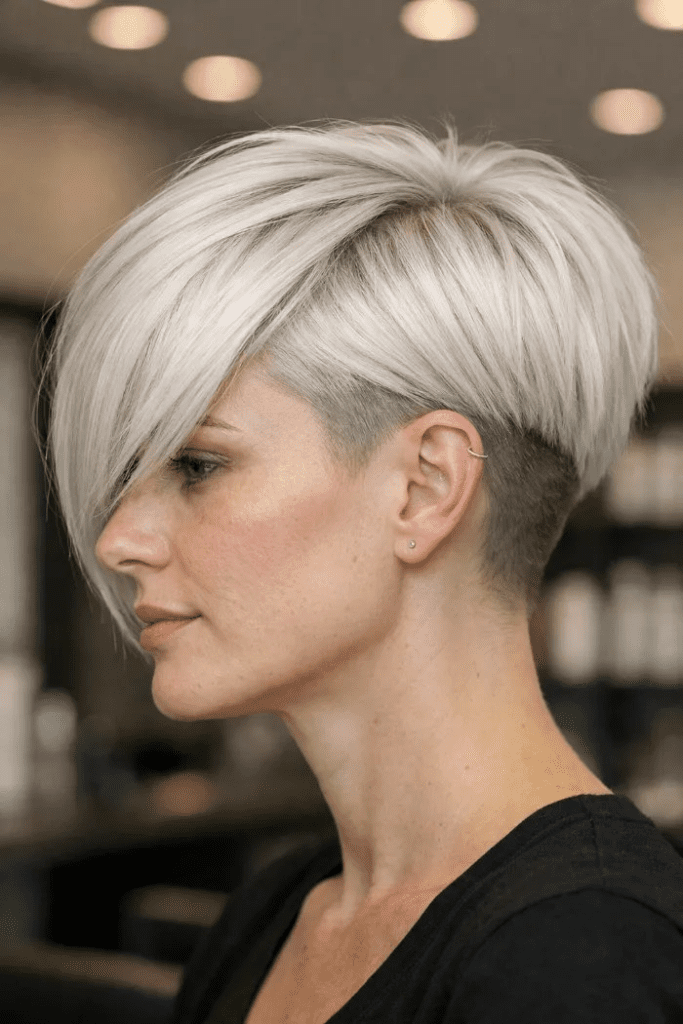
Platinum on a pixie bob creates one of the most visually impactful short hairstyles possible — the pale color and precise cut work together to create a result that looks genuinely architectural. Every layer, every textured piece, and every proportion decision is illuminated by the platinum, which means the quality of the cut is completely visible and the skill of the execution is entirely on display.
What to ask for: A clean pixie bob with shorter sides and soft layering through the top in a platinum or near-platinum blonde tone. Ask for a cool toner applied at every appointment to maintain the crisp, precise quality of the platinum. Keep the cut relatively clean rather than heavily textured — the platinum does more visual work than any additional textural detail would.
Best for: Fine to medium hair. Platinum makes every texture and layer detail visible, which means it flatters a clean, well-proportioned cut more than any other color.
Styling tip: A root-lifting spray before blow-drying and a purple toning shampoo weekly to maintain the cool quality of the platinum. Keep styling minimal — the platinum pixie bob looks best when the cut’s precision is the focus rather than elaborate styling.
Why it works: Platinum on a pixie bob is the most honest possible showcase for the quality of the cut — every proportion, every line, every layer is completely visible and completely unable to hide behind color depth or volume. When it is done well, the result is genuinely extraordinary.
12. Rounded Pixie Bob
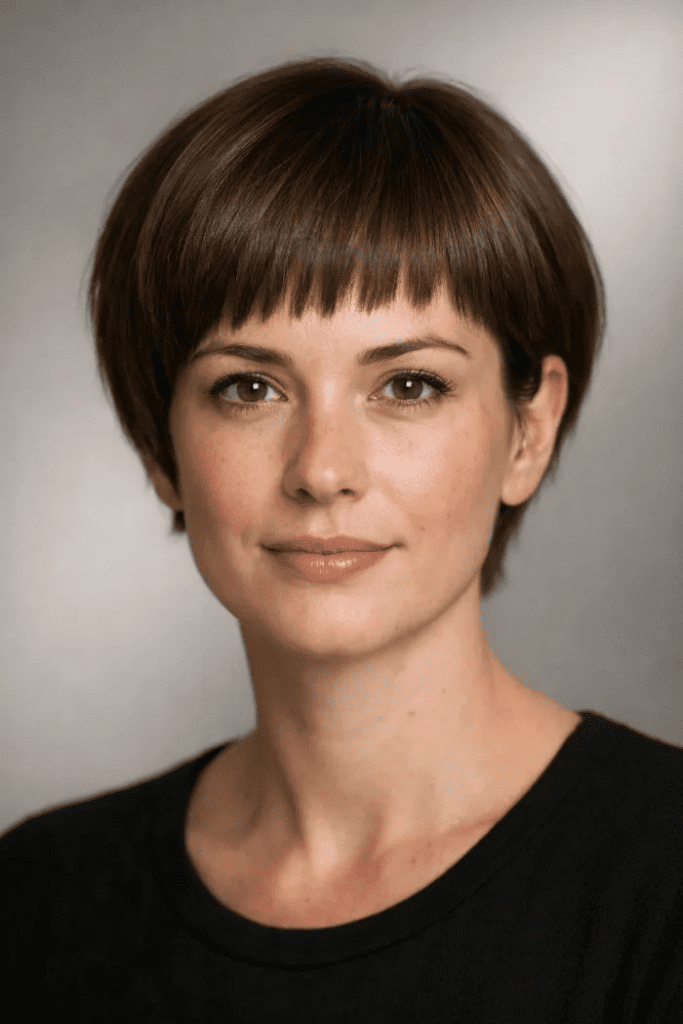
The rounded pixie bob prioritizes softness over precision — a gentle curve through the back prevents the cut from feeling flat or angular, and the soft overall silhouette suits face shapes that benefit from curved rather than straight lines. On fine hair specifically, the rounded shape creates visual fullness through its silhouette rather than through actual hair density.
What to ask for: A pixie bob with a rounded back silhouette — ask for the back to be cut with a gentle curve rather than stacked, tapered, or straight across. The overall impression should be soft and rounded from every angle rather than having defined geometric lines.
Best for: Fine hair and women who prefer a softer, less graphic aesthetic. The rounded shape is the most flattering pixie bob option for women with square or angular face shapes where softness creates the most flattering contrast.
Styling tip: A round brush used throughout the blow-dry — rolling all sections slightly downward and under — gives the most rounded, contained finish. This is the pixie bob that benefits most from a consistent styling technique because the rounded shape requires consistent direction.
Why it works: The rounded silhouette creates visual fullness through its shape — the curve of the outline reads as volume regardless of how fine or sparse the hair inside it actually is. It is one of the most reliable fullness tools available for fine hair at this length.
13. Sleek Tapered Pixie Bob
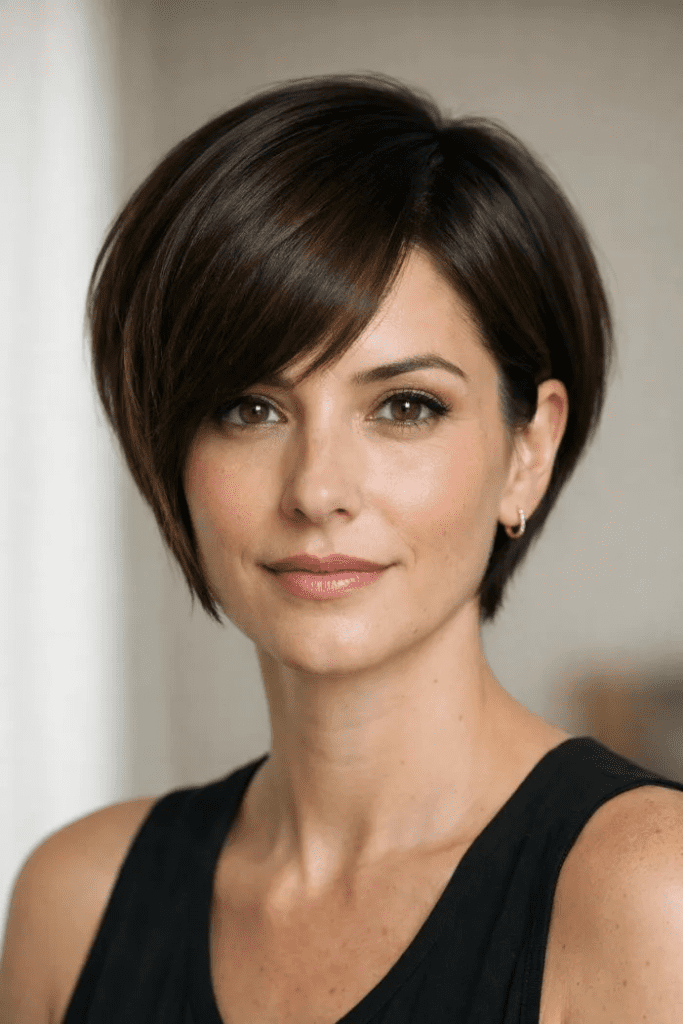
The sleek tapered pixie bob is the most polished and most formally groomed option in this guide — clean lines throughout, the nape tapered to sit close and clean, and the top smooth and controlled. It suits women who like their hair to look precisely groomed rather than casually effortless and is the pixie bob that reads most naturally in professional environments.
What to ask for: A clean, smooth pixie bob with a clearly tapered nape that sits close to the neck, and a smooth, controlled top that does not rely on texture or volume tricks. Ask for the cut to be finished with a clean outline at the nape and ears.
Best for: Straight to slightly wavy hair that blows dry smoothly. Medium to thick hair creates the most polished sleek finish at this cut’s proportions.
Styling tip: A smoothing cream through damp hair before blow-drying with a paddle or flat brush gives the most sleek, controlled finish. A light shine serum through the finished top adds the polished, groomed quality that defines this cut.
Why it works: The sleek tapered pixie bob communicates precision and deliberate grooming in a way that no other pixie bob variation does. The tapered nape in particular — the point where many cuts show poor execution — looks most refined when it is closely tapered and cleanly defined.
14. Soft Feathered Pixie Bob
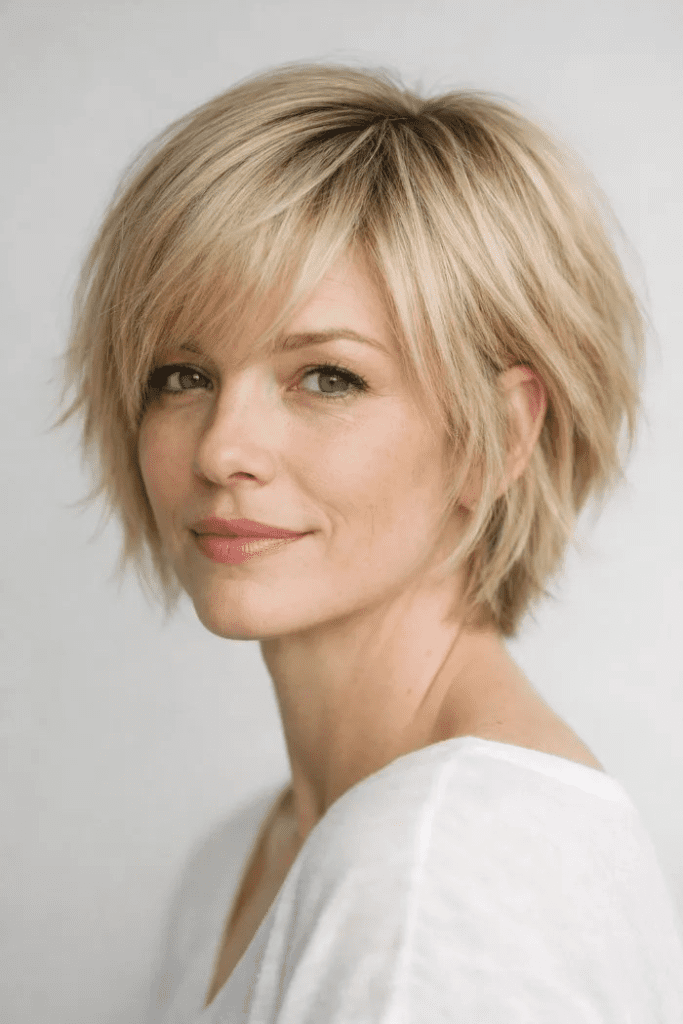
Feathering is the cutting technique that most consistently produces the lightest, most naturally flattering pixie bob — softly tapered ends that move freely rather than sitting in a fixed position, creating a gentle, floating quality that makes short hair feel feminine and easy rather than precise and demanding. It is the pixie bob for women who want their hair to look and feel light.
What to ask for: A pixie bob with feathered ends — ask specifically for feathering with thinning shears applied to the surface of the ends rather than point-cutting or blunt-cutting. The feathering should create a soft, gradual taper to the ends so they move naturally rather than lying uniformly.
Best for: Fine to medium hair. Feathering is particularly effective for fine hair because it creates movement and dimension without removing end weight — the tapered ends look full while moving freely.
Styling tip: A light volumizing mousse at the roots before blow-drying with a round brush gives the feathered pixie bob its most flattering finish. The feathered ends naturally want to flip and move — the round brush simply directs that tendency in a flattering direction.
Why it works: Feathered ends on a pixie bob create a quality that no other cutting technique replicates — the hair moves with a lightness and naturalness that makes it look like it grows this way rather than having been cut. That quality is genuinely rare and genuinely flattering.
15. Stacked Pixie Bob
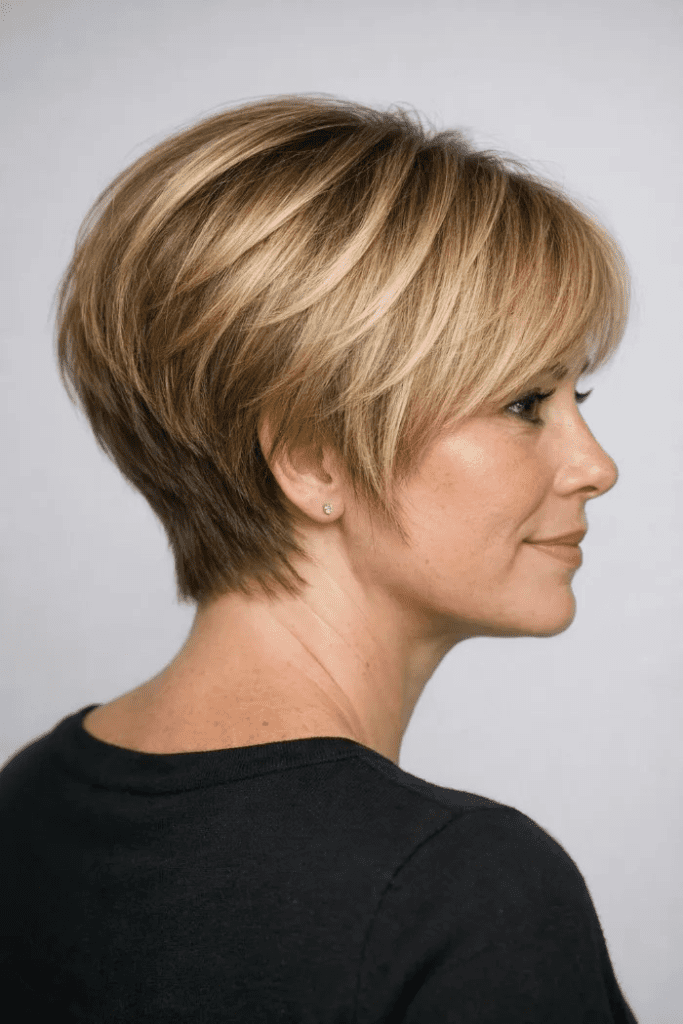
The stacked pixie bob builds volume specifically through the back through graduation — shorter layers beneath pushing the longer layers above them outward, creating structural fullness right where the cut needs it most. The extra lift at the back gives the pixie bob real presence from the side and back views, making it particularly flattering for women with flatter occipital bone shapes.
What to ask for: A pixie bob with stacking graduation through the back — ask for the stacking to be soft rather than creating a hard wedge shape, and for the sides to stay neat rather than flaring outward. A clean nape finishes the stacked back beautifully.
Best for: Fine to medium hair that needs volume at the back and crown. The structural volume of stacking is more reliable and longer-lasting than product-created volume for fine hair at this length.
Styling tip: A root-lifting spray at the crown and a round brush lifting the top sections upward during blow-drying maximizes the lift that the stacked graduation has built in. The stacking structure does most of the volume work independently — the styling simply maintains and refines it.
Why it works: Stacking creates the most durable and most reliable volume available at pixie bob length — the structural graduation holds its shape regardless of humidity, activity, or how many times the hair is touched. For fine hair that flattens easily, this structural approach is genuinely transformative.
16. Tapered Silver Pixie Bob
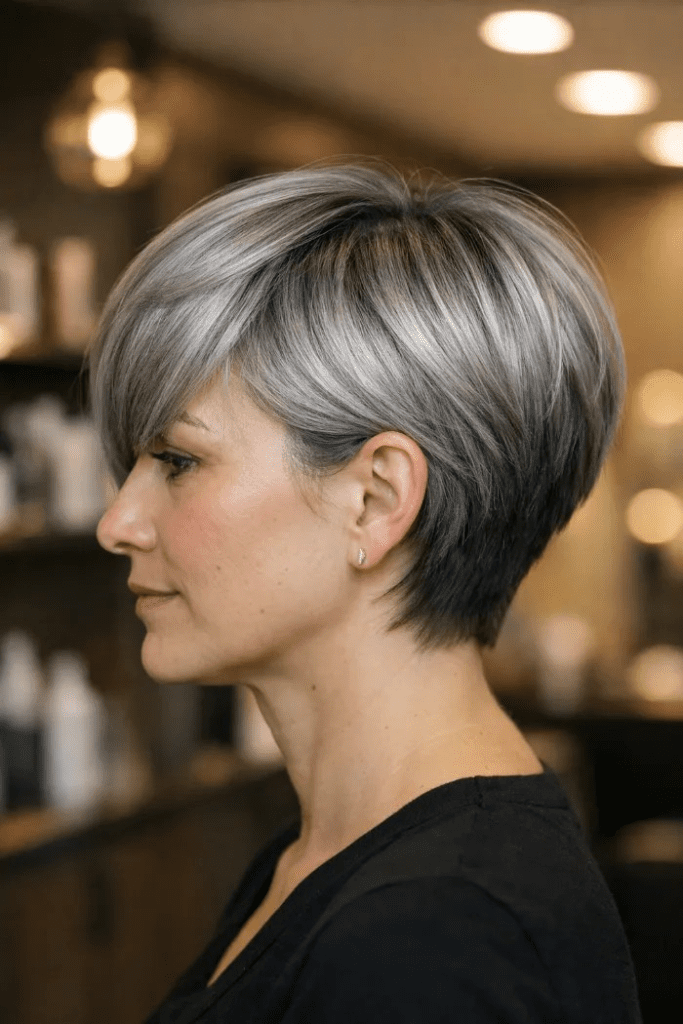
Silver and cool-toned hair on a tapered pixie bob creates a combination of refinement and modernity that is very specific and very appealing. The silver tone gives the cut a cool precision that warmer colors do not have, and the tapering at the neckline makes every clean line visible and sharp. The softness through the top layers prevents the overall effect from being too severe.
What to ask for: A pixie bob with a clearly tapered nape and cool, refined layering through the top in a silver or cool grey tone. Ask for the taper to be gradual rather than abrupt, and for the overall cut to balance the precision of the neckline with some softness through the crown.
Best for: Medium to thick hair. Silver tones on a tapered pixie bob look most striking when the hair has enough density to show the graduation clearly.
Styling tip: A purple or silver-toning shampoo used weekly maintains the cool quality of the silver tone. Keep styling minimal — the precision of the tapered neckline and the cool tone do most of the visual work without needing elaborate styling support.
Why it works: Silver toning on a tapered pixie bob creates a very specific kind of elegance — the cool precision of the color and the technical precision of the taper work together to create a result that reads as completely considered and completely modern.
17. Textured Pixie Bob
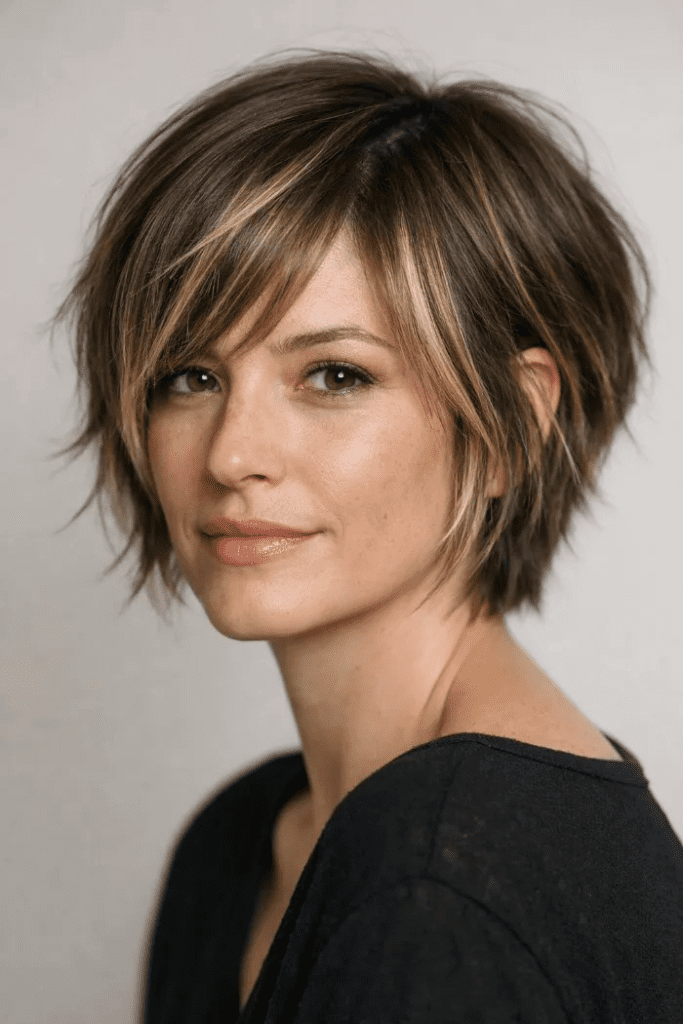
The fully textured pixie bob is designed to look good from every angle and to hold its proportions and personality even as it grows — because the texture through the crown adds movement, the sides stay relaxed rather than rigidly structured, and the overall cut has a flexibility that more precisely styled versions do not. It is the most practical day-to-day pixie bob for women with active lifestyles.
What to ask for: A pixie bob with light layering through the crown for movement and relaxed, textured sides — ask for the overall finish to feel flexible and natural rather than precise or heavily styled. Point-cutting throughout for movement without choppiness.
Best for: Most hair types. The textured pixie bob’s flexibility and adaptability mean it suits fine, medium, and thick hair with only minor adjustments to the weight and placement of the texture.
Styling tip: A texturizing spray applied to slightly damp hair and left to air-dry gives the most natural, authentic textured finish. The result should look like the hair dried into a naturally shaped, naturally textured position — minimal product, minimal intervention.
Why it works: A textured pixie bob holds its character as it grows in a way that more precisely cut versions do not — the texture disperses the visual evidence of growing length and keeps the cut looking intentional at six and eight weeks as well as at two. That longevity between appointments is genuinely the most practical quality any short cut can have.
How to Choose Your Pixie Bob Based on Your Hair Type and Lifestyle
Fine hair: The A-line (#2), rounded (#12), stacked (#15), and soft highlighted (#1) versions all specifically address fine hair’s need for visual weight and structural volume. Avoid very heavy texturing that removes the end density fine hair needs.
Medium hair: The widest options. The classic (#7), layered (#8), piecey (#9), and French-inspired (#5) all work beautifully on medium hair.
Thick hair: The choppy (#4), tapered sleek (#13), and textured (#17) versions all manage thick hair’s tendency toward bulk most effectively. Ask for internal thinning to remove weight without disrupting the outer shape.
Low maintenance lifestyle: The French-inspired (#5), textured (#17), and piecey brunette (#9) all grow out most gracefully and require the least daily effort to look intentional.
Polished, professional environment: The sleek tapered (#13), classic (#7), and A-line (#2) read as the most groomed and most professional.
Bold color and cut together: The platinum (#11), ice blonde (#6), and tapered silver (#16) all use color as a design element that amplifies the impact of the cut.
What to Tell Your Stylist
Three questions that improve every pixie bob appointment significantly.
Ask about weight distribution specifically. Where will the weight sit — through the crown, through the back, or balanced throughout? This single decision changes the entire character of the cut more than any other. Most pixie bobs look best with weight through the crown and lightness at the nape.
Ask about the nape treatment. Tapered, stacked, rounded, or feathered — each nape approach creates a completely different rear silhouette. Ask to see examples of each before the cutting starts if you are unfamiliar with the differences.
Ask how this cut grows out. The best pixie bob should still look intentional at eight weeks, not just at two. Ask your stylist specifically how this cut will transition as it grows and whether there are adjustments they would recommend for the next appointment.
Final Thoughts
The pixie bob works best when it stops feeling like a short haircut and starts feeling like simply the way your hair is. That quality — the sense that the cut belongs to the person wearing it rather than having been applied to them — is the mark of a genuinely excellent pixie bob.
None of the cuts in this guide rely on drama. They rely on proportion, weight distribution, and the relationship between the crown, the front length, and the nape. Get those three things right for your specific hair type and face shape, and the result is a cut that looks intentional on day one, day twenty, and day forty-five.
Save the version that felt most like you in this guide — not the most dramatic one or the most obviously different, but the one that seemed most natural and most wearable for your actual daily life. Take that instinct to your appointment, describe the specific qualities that attracted you to it, and trust that the right pixie bob will require less daily thought than you expect and deliver more daily satisfaction than you imagined.
How often does a pixie bob need reshaping?
Most pixie bobs start losing their defining line around the six-week mark, particularly at the neckline where the hair grows most visibly. Six to eight weeks is the ideal trim interval for most pixie bob styles. Tapered and stacked versions tend to need attention at six weeks because the precision of the nape changes quickly as it grows. Softer, more textured versions like the French-inspired or feathered pixie bob can often wait eight weeks because the cut is less dependent on a precise outline to look intentional.
What is the most common mistake with a pixie bob?
Over-texturizing is the most consistent mistake — too much thinning through the ends removes the weight that holds the cut’s shape and causes it to collapse and flatten rather than move. A pixie bob should have enough internal structure to hold its proportions independently. The shape should do the work, not the razor. The second most common mistake is cutting the front sections too short — they are the face-framing elements that make a pixie bob flattering rather than simply short.
What face shapes suit a pixie bob?
Most face shapes suit a pixie bob when the specific cut is adjusted for the shape. Round faces benefit from cuts with crown height and minimal width through the sides — the A-line, stacked, and layered versions are most flattering. Square faces suit softer, more rounded versions — the rounded pixie bob and the feathered version create the most flattering contrast with angular features. Long faces suit versions with more side width and shorter crown height. Oval faces have the most versatility — most pixie bob styles work beautifully on an oval face shape.
Can a pixie bob work for fine hair?
Absolutely — and in many ways fine hair suits a pixie bob better than longer styles because the cut removes the weight that causes fine hair to fall flat and limp. The structural elements of a pixie bob — crown layering, A-line geometry, or stacked graduation — create volume and presence that fine hair cannot achieve at longer lengths. The key is choosing a version that adds visual weight (like the A-line or stacked options) rather than one that relies on actual hair density to look full.
How do I style a pixie bob on a low-effort morning?
The best pixie bobs are designed to require minimal morning effort. A light texturizing spray or mousse applied to slightly damp hair, a quick rough-dry with fingers, and a brief pass with a round brush or vent brush is genuinely all most pixie bobs need. The versions that require the least daily effort are the textured, feathered, and French-inspired options — they are specifically designed to look most natural with minimal intervention. A pixie bob that requires significant daily styling to look right has either been cut incorrectly for your hair type or is not the right version for your lifestyle.