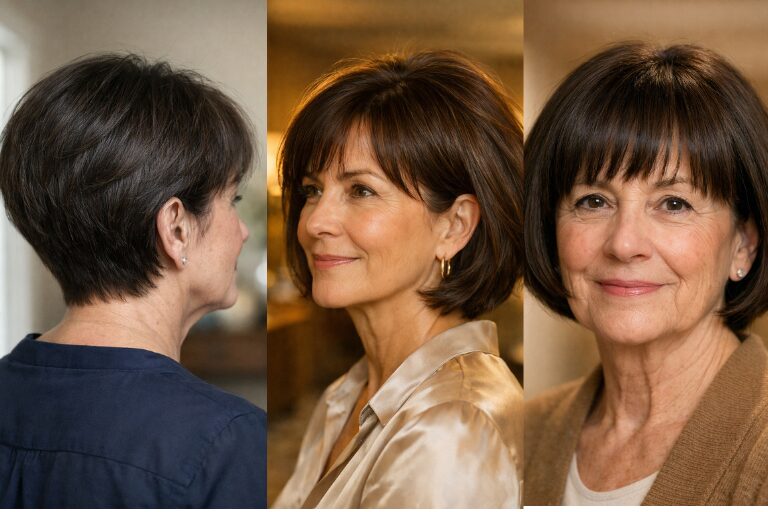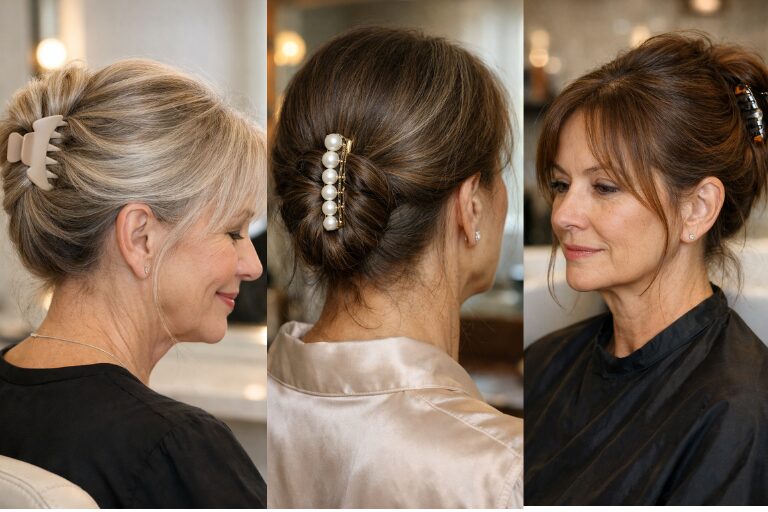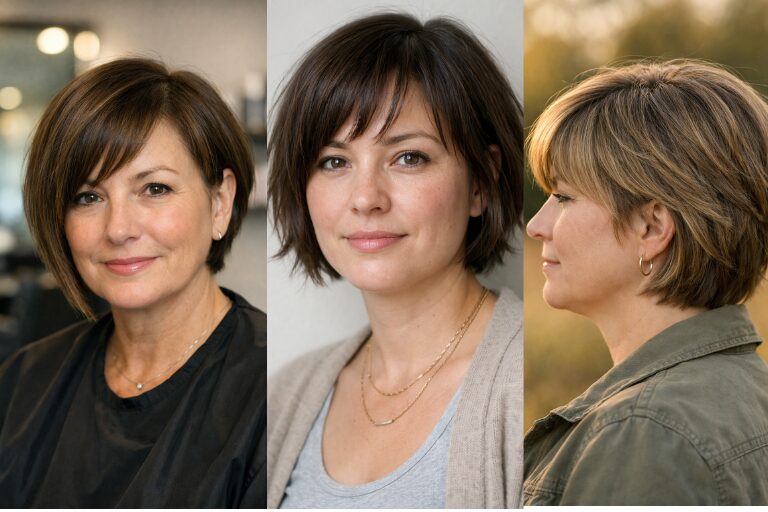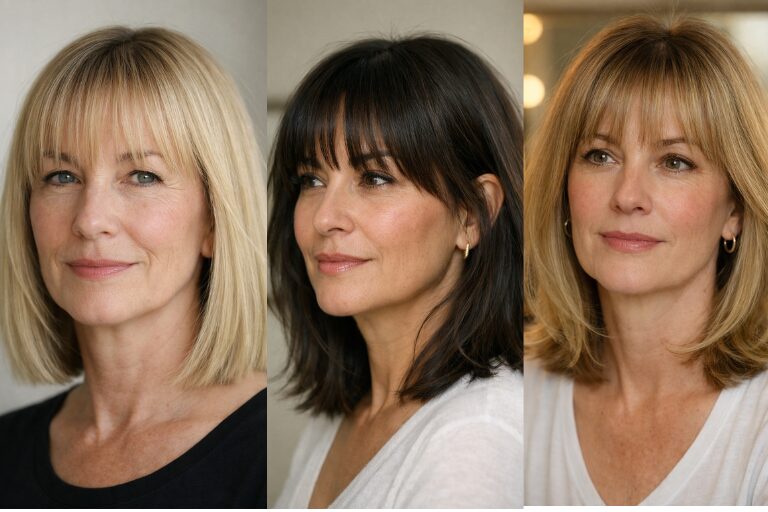
24 Shaggy Bob Hairstyles for Fine Hair That Add Volume, Movement, and Real Shape
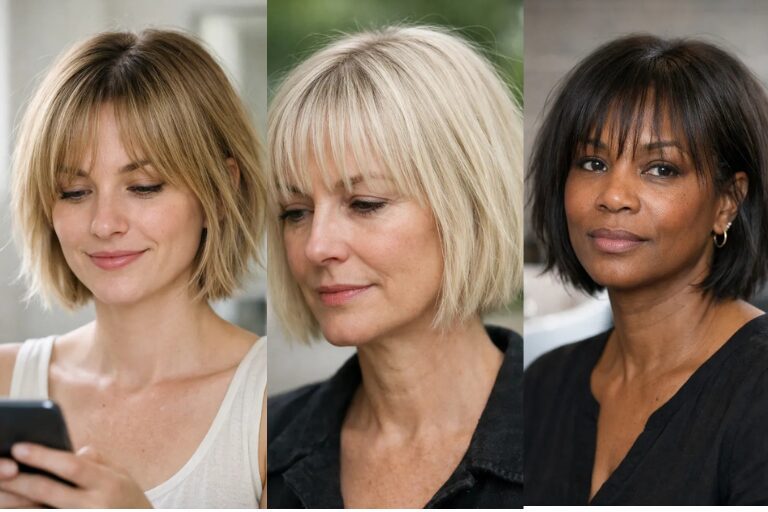
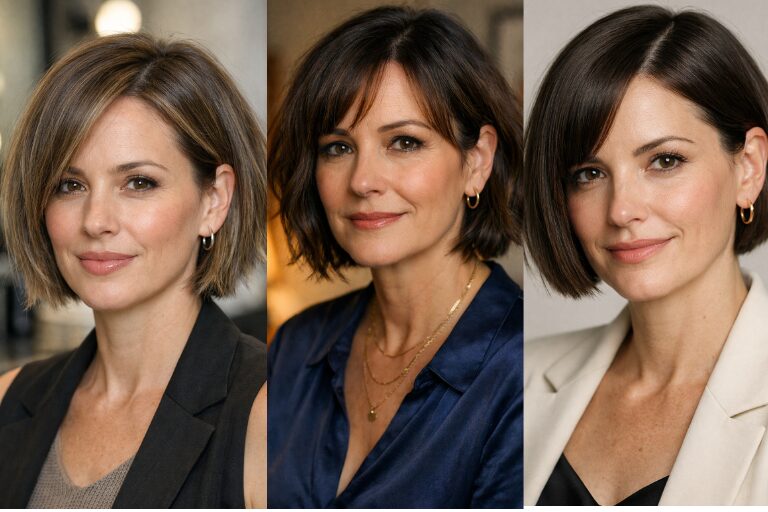
Fine hair and a shaggy bob have a relationship that genuinely works — but only when the layering is handled with the right restraint. Too much texture and the ends look sparse. Too little and the bob sits flat and one-dimensional. The shaggy bob that works for fine hair lives in the precise middle: enough movement to look alive and intentional, enough structure to look full and well-considered.
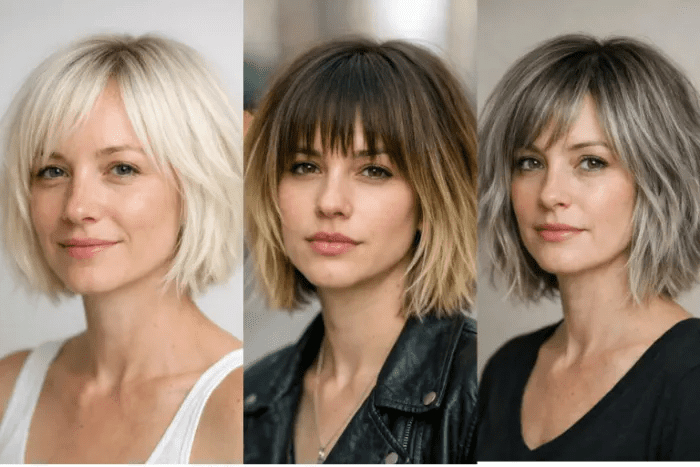
What the shaggy bob specifically does for fine hair that other cuts can’t quite replicate is create the impression of density through movement rather than through actual hair count. Each separated layer catches light from a slightly different angle, producing a visual depth that a single-length or heavily blended cut doesn’t have. The slightly undone, lived-in quality of a well-cut shag also disguises fine hair’s natural tendency toward flatness — a shag is supposed to look relaxed, which means relaxed styling is exactly right rather than a compromise.
The 24 styles below demonstrate every version of that approach, from soft and polished to relaxed and textured, all specifically calibrated for fine hair’s specific needs.
What Fine Hair Needs From a Shaggy Bob
Three principles separate shaggy bobs that work for fine hair from those that don’t.
Layering that creates shape without removing density. The most common mistake in shaggy bobs on fine hair is layering too aggressively throughout — particularly through the bottom sections and ends — which removes the density that fine hair needs to look full. The layering should be concentrated at the crown and through the face-framing sections, with the ends kept stronger than feels instinctive. Wispy or sparse ends are the sign of over-layering on fine hair.
A perimeter that maintains weight. The baseline of the shaggy bob — where it falls at its longest point — should retain enough weight to read as full rather than thin. Point-cutting for texture at the very tips is appropriate; thinning shears through the bottom section removes the weight that fine hair depends on for its visual substance.
Movement from the cut, not from styling products. The shaggy bob that truly works for fine hair should air-dry into something recognizably styled rather than requiring products and heat tools to achieve its shape. If the cut only looks like a shaggy bob after significant product application, the cut itself isn’t doing enough structural work.
24 Shaggy Bob Hairstyles for Fine Hair
1. Chin-Length Shaggy Bob With Soft Bangs

A chin-length shag with soft bangs that blend naturally into the sides rather than sitting as a separate, defined fringe section — this is the most universally wearable shaggy bob for fine hair because the chin length maintains enough perimeter weight for fullness while the soft bangs add face-framing without the density concerns of a full blunt fringe. The slightly undone texture is what creates movement without making the ends look thin.
Ask for: Soft bangs achieved through point-cutting rather than blunt-cutting so they blend naturally. Layering concentrated through the crown and sides with the ends left relatively strong. A texture cream in small amounts for daily styling.
Best for: Those who want a face-framing shaggy bob that’s genuinely versatile for everyday wear. One of the most consistently flattering shaggy bob options for fine hair.
2. Choppy Shaggy Bob With Dark Roots
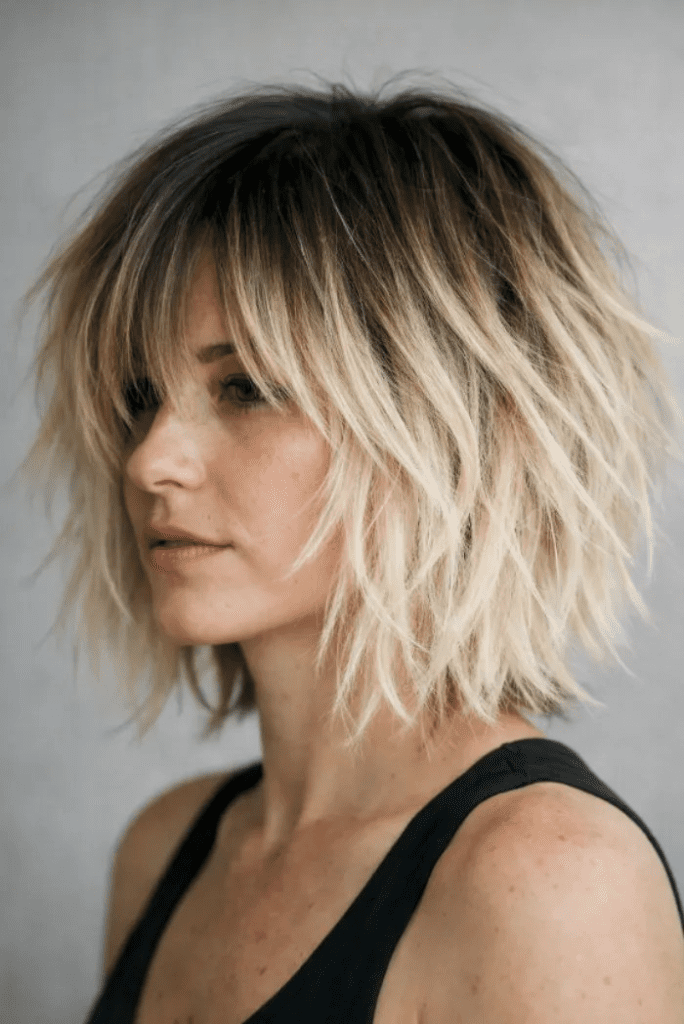
A choppy-textured shaggy bob where the darker natural root provides visual density at the crown — the contrast between the darker roots and any lighter mid-lengths or ends creates the impression of more hair at the top of the head, which is specifically helpful for fine hair that tends to look flattest at the crown. The uneven, choppy ends keep the style relaxed and easy to air-dry.
Ask for: Choppy layering that breaks up the perimeter of the bob without removing significant density from the lower sections. The root contrast should be preserved rather than colored away — it’s doing structural visual work.
Best for: Those whose fine hair has a natural root-to-end contrast, whether from growth or from previous color. Works particularly well on fine straight hair.
3. Feathered Shaggy Bob With Light Volume
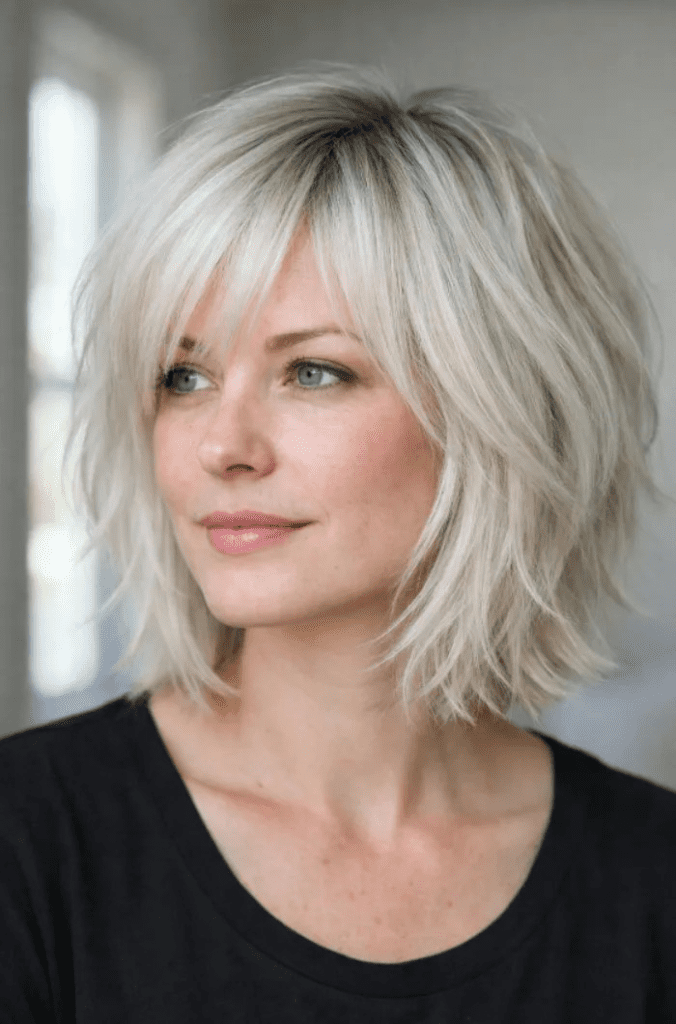
Feathered layers that lift the hair through the crown and sides without removing weight from the perimeter — feathering is a specific technique that creates movement and separation through point-cutting and surface feathering rather than cutting entire sections shorter, which makes it ideal for fine hair that needs the appearance of density maintained throughout.
Ask for: Feathered layering through the crown and sides for lift, with the perimeter left relatively unfeathered to maintain end weight. The feathering should be concentrated where volume is most needed rather than distributed throughout the entire length.
Best for: Women who want visible texture and lift without sacrificing the end weight that fine hair needs to look full.
4. Layered Bob With Wispy Ends

A layered bob where the ends are softened with light point-cutting to create a wispy quality — the wispiness here is subtle and controlled rather than sparse, creating the appearance of natural end movement rather than thin, trailing tips. Light internal layering through the mid-lengths allows natural movement without the aggressive thinning that makes fine hair look stringy.
Ask for: Light point-cutting at the tips for a wispy quality — not thinning shears, which remove too much density from the end section. Internal layering through the mid-lengths kept restrained.
Best for: Those who want a clean, polished shaggy bob finish rather than a heavily textured or casual one. Works on straight to slightly wavy fine hair.
5. Classic Balanced Shaggy Bob
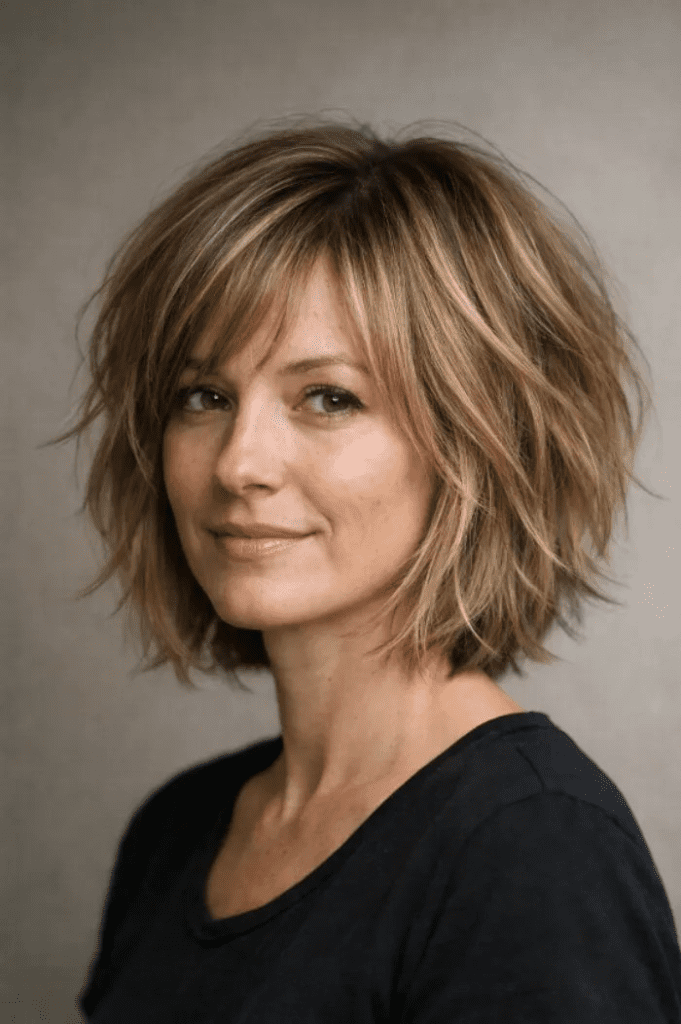
A shaggy bob balanced between polished and relaxed — subtle layering that’s clearly present and functional without being dramatically textured or aggressively choppy. This is the shaggy bob that works consistently across most styling approaches, looks professional on Monday and casual on Saturday, and grows out gracefully enough to look intentional at eight weeks as well as at four.
Ask for: Subtle but effective layering — ask for movement and shape without dramatic texture. The finished result should look like a very good layered bob rather than an obviously shaggy or edgy cut.
Best for: Women who want a reliable, broadly appropriate shaggy bob that suits most lifestyle contexts. The most universally wearable option on this list.
6. Messy Shaggy Bob With Natural Texture
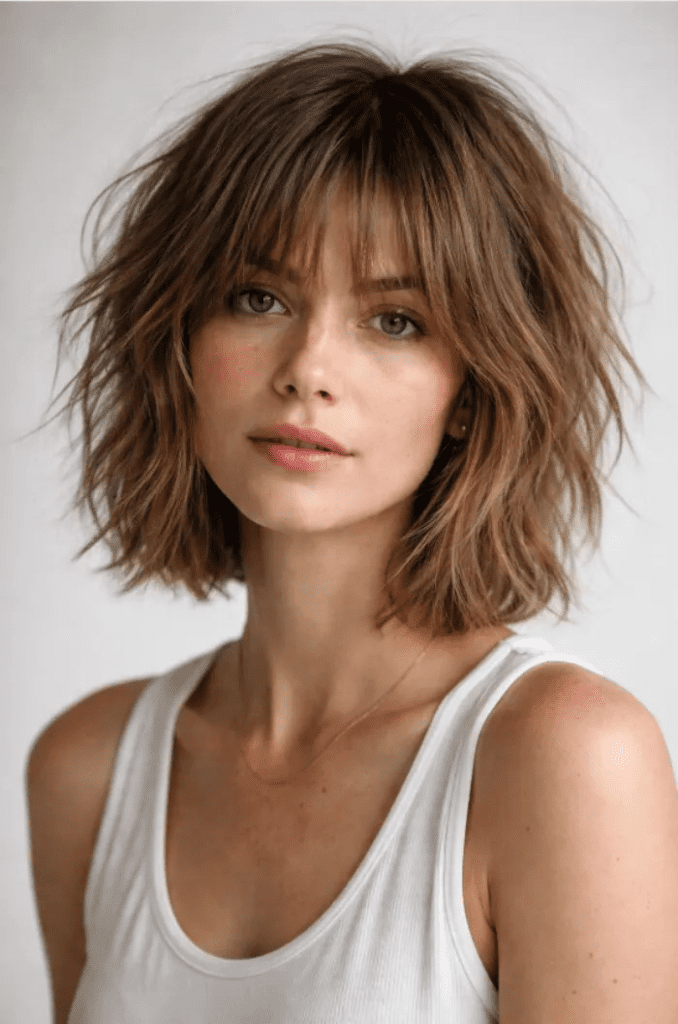
A deliberately casual shaggy bob that embraces and enhances the hair’s natural texture rather than imposing a specific style direction — the unevenly cut layers prevent the blunt quality that makes fine hair look flat, and the relaxed styling approach means this cut looks most intentional when it’s least fussed-with. A small amount of texture cream is genuinely all this needs.
Ask for: Unevenly distributed layering rather than precisely even sections — the natural variation in layer length is what creates the lived-in quality. Avoid over-thinning, which makes the natural texture look sparse rather than relaxed.
Best for: Women who want the lowest-effort styling routine. Air-dry is not only acceptable but ideal for this cut.
7. Platinum Shaggy Bob With Soft Fringe

A light platinum shade that makes the layering more visible through the increased contrast between the highlighted sections and the overall color base — on fine hair specifically, color dimension does some of the visual density work that actual hair thickness can’t always accomplish. A soft fringe frames the face without the weight concerns of a blunt fringe on fine hair.
Ask for: Light platinum that shows the layer variation clearly. A soft fringe blended into the face-framing sections. Consistent toning maintenance to keep the platinum looking intentional rather than faded.
Best for: Those who already wear or are considering platinum or light blonde color and want the color to work synergistically with their shaggy bob’s layering.
8. Shaggy Bob With Face-Framing Layers
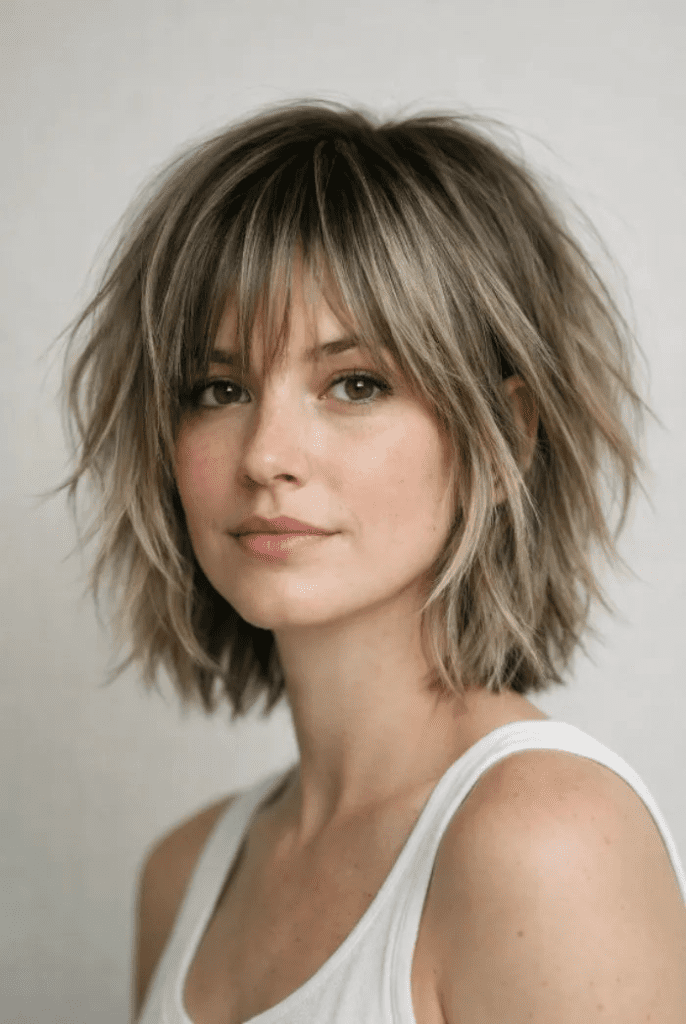
A shaggy bob where the primary layering investment is concentrated through the face-framing sections — shorter pieces at the cheekbones and temples that create movement and dimension at the front of the cut — while the rest of the bob maintains stronger, fuller ends. The face-framing layers do the visual work of the shag without thinning the overall cut.
Ask for: Face-framing layers starting at cheekbone level blending into the body of the bob. The rest of the cut kept relatively strong at the ends. This targeted approach gives fine hair the face-framing movement benefits of a shag without the density cost.
Best for: Women who want their shaggy bob to be most expressive at the face-framing level while maintaining fullness throughout the rest of the cut.
9. Soft Shag Bob With Natural Highlights
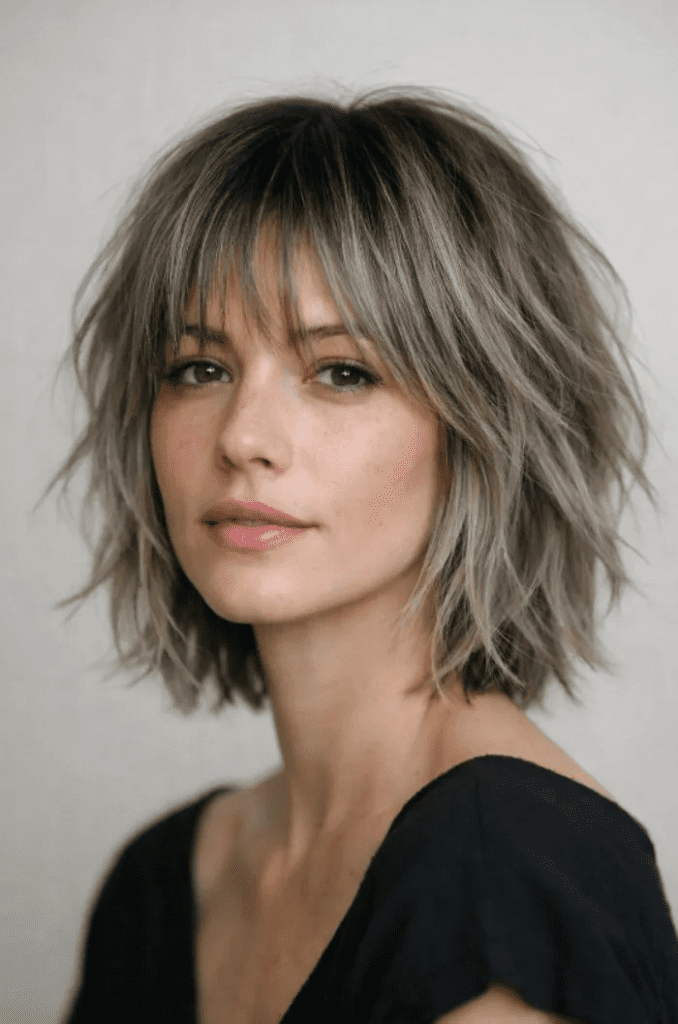
Natural or natural-looking highlights that add depth through the layers — on a shaggy bob on fine hair, color dimension specifically amplifies the visual effectiveness of the layering by making each layer’s position more visible against the layers above and below it. The shag keeps the bob from sitting stiff around the jaw.
Ask for: Highlights placed specifically where the layers fall for maximum visibility of the dimensional effect. A shag shape that accommodates the highlighting’s visual contribution — avoiding over-layering, which would undermine the density that the highlights are adding.
Best for: Those with existing highlights or considering them who want their color to contribute to their cut’s visual fullness.
10. Shaggy Bob With Choppy Layers and Blended Fringe
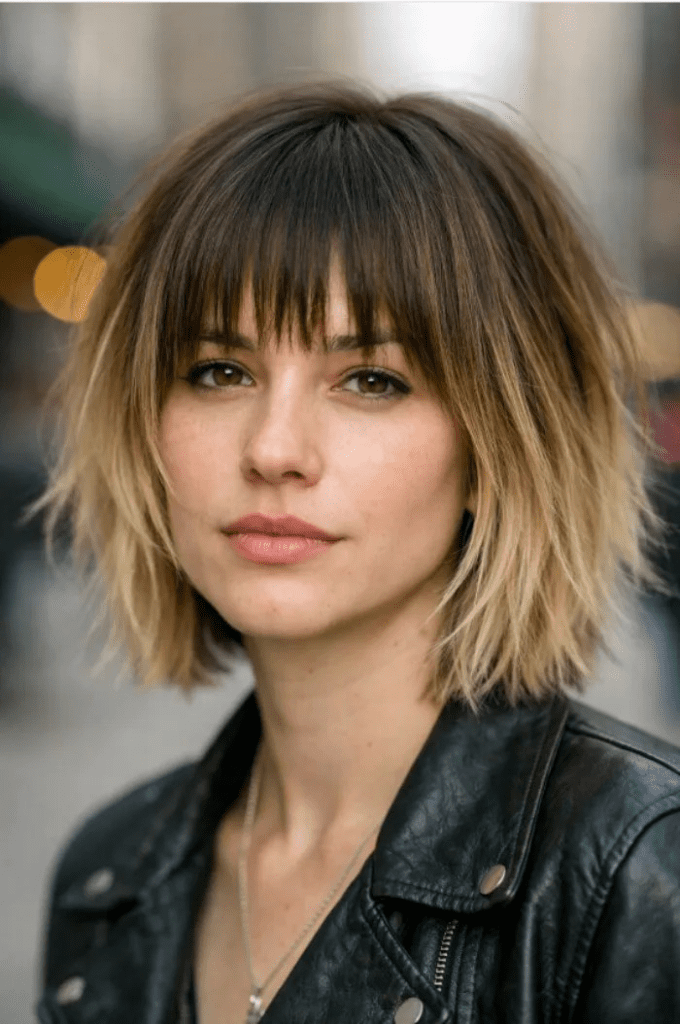
Choppy layers that create texture throughout the bob with a fringe that blends softly into the sides rather than sitting as a defined section — the blended fringe is specifically appropriate for fine hair because it uses the existing density of the front sections to create the fringe rather than requiring the thickness of a full, heavy fringe. The choppy texture through the body of the cut prevents the flat quality fine hair develops without layering.
Ask for: Choppy layering through the body of the bob with the fringe blended rather than cut as a separate section. The fringe should look like a continuation of the front layers rather than a deliberate fringe decision.
Best for: Those who want a textured, casual shaggy bob with a soft fringe element.
11. Shaggy French Bob With Soft Fringe

A short French-inspired shaggy bob that sits just below the cheekbones — the short length concentrates fine hair’s density into a compact, clearly visible shape, and the soft fringe adds face-framing without the weight concerns of a blunt fringe on fine hair. The shaggy influence prevents the precision of a classic French bob from becoming stiffness.
Ask for: A short length that sits close to the cheekbone. A soft fringe that blends into the face-framing layers rather than hanging as a separate defined section. Enough texture to prevent stiffness but not so much that the ends look thin.
Best for: Women who want to go shorter than a standard chin-length bob while maintaining fullness and face-framing interest.
12. Mid-Length Shaggy Bob With Loose Layers
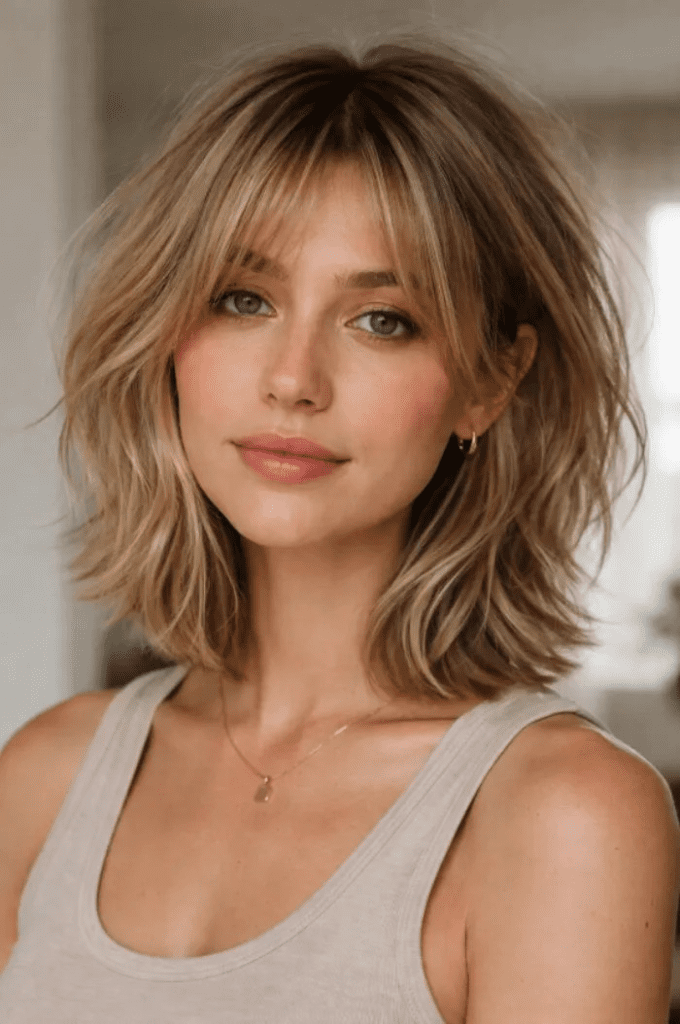
A mid-length shaggy bob — sitting between chin and shoulder — with loose, gentle layers that create movement without blunt ends — this version suits women who want shag character and movement within a longer bob format that maintains enough length for versatility. The avoidance of blunt ends is specifically what makes this work on fine hair.
Ask for: Loose, gentle layers rather than aggressive choppy ones. The mid-length should be long enough to show the layering’s movement clearly while the ends stay substantial enough to read as full rather than sparse.
Best for: Women who want a shaggy bob with more length and styling versatility than a chin-length cut provides.
13. Shag-Inspired Bob With Subtle Texture

A classic bob with just enough shag influence to prevent stiffness and add movement — this is the shaggy bob for women who find full shag aesthetics too casual or too undone for their preference. The controlled layering adds texture without looking deliberately messy.
Ask for: Soft, controlled layering that reads as a very good layered bob rather than an obviously shaggy one. The texture should be felt as movement rather than seen as deliberate separation.
Best for: Those who want shag movement within a more polished and conservative overall appearance. Works for professional contexts where a heavily textured shag might not be appropriate.
14. Short Shaggy Bob for Fine Hair
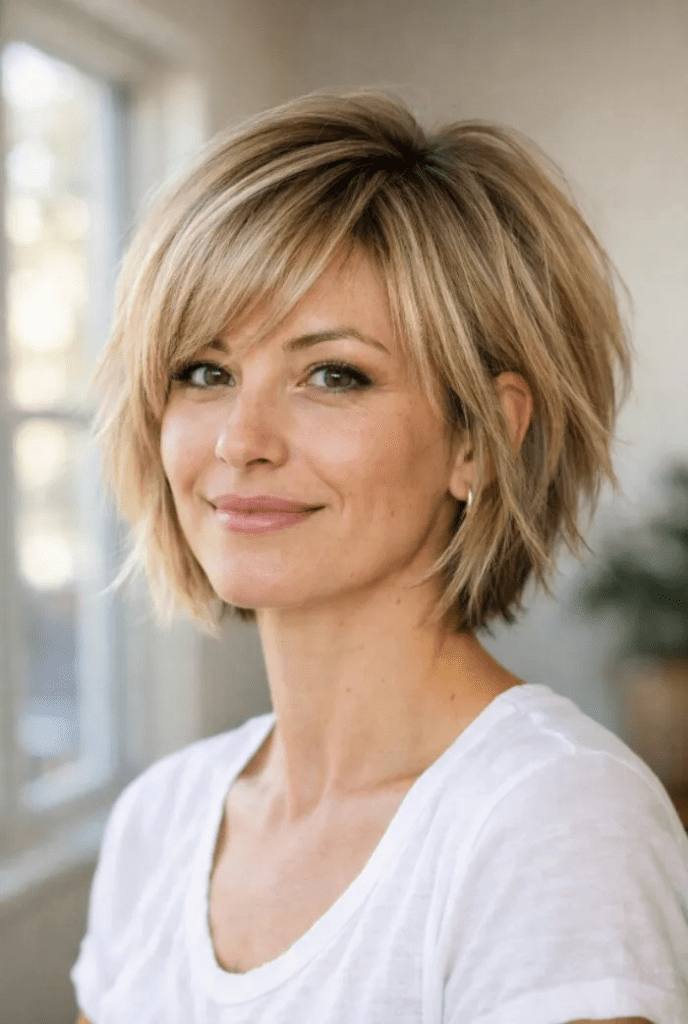
A compact shaggy bob at a shorter length that keeps the shape tight and the texture visible throughout — the short length specifically helps fine hair by concentrating its limited density into the smallest possible visual area, and the shag layering prevents the close length from reading as flat or formless.
Ask for: Light layering that adds texture without removing density from the ends. The shape should be compact and clearly defined — a short shaggy bob should still read as a deliberate style rather than simply short hair.
Best for: Women who want to go shorter than a chin-length bob while maintaining shag character and visible texture. Works on most fine hair textures.
15. Smoky-Toned Shaggy Bob
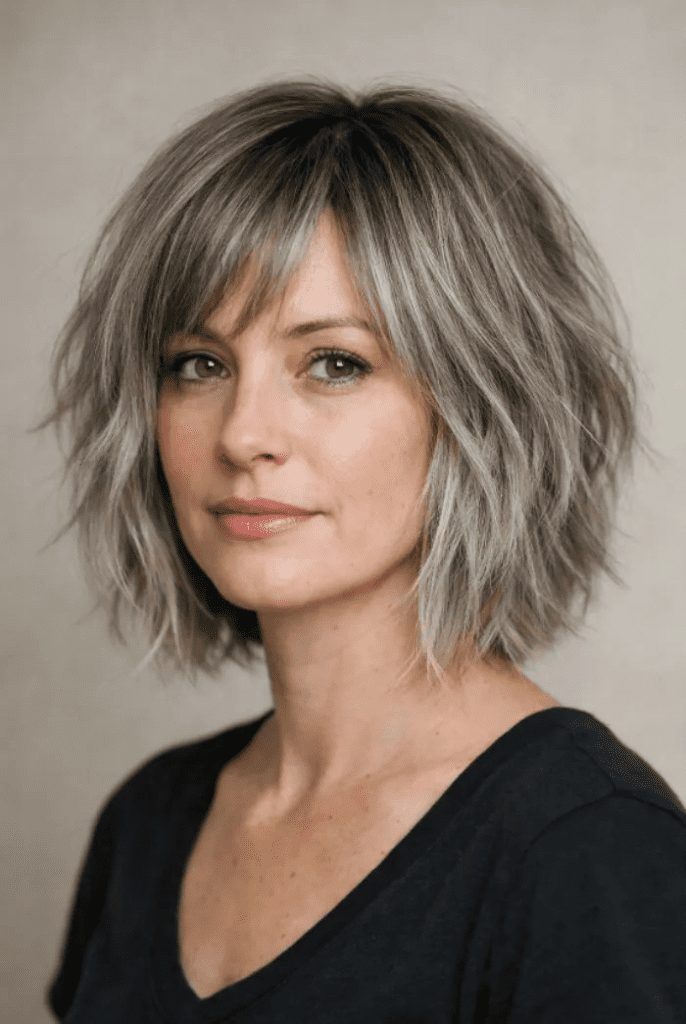
A shaggy bob with a smoky, dimensional color — whether natural or applied — that makes the layered cut’s structure more visible by creating tonal variation within the layers. The uneven layering of the shaggy bob has maximum visual impact when the color is dimensional enough to show each layer’s position relative to the ones above and below it.
Ask for: Uneven layers that create fullness rather than thinning. A color approach that enhances the dimensional quality of the layering — balayage, shadow root, or natural variation all achieve this more effectively than a single flat tone.
Best for: Those who use color to add dimension and want their shaggy bob’s layering to be clearly visible and impactful.
16. Soft Shaggy Bob With Natural Movement
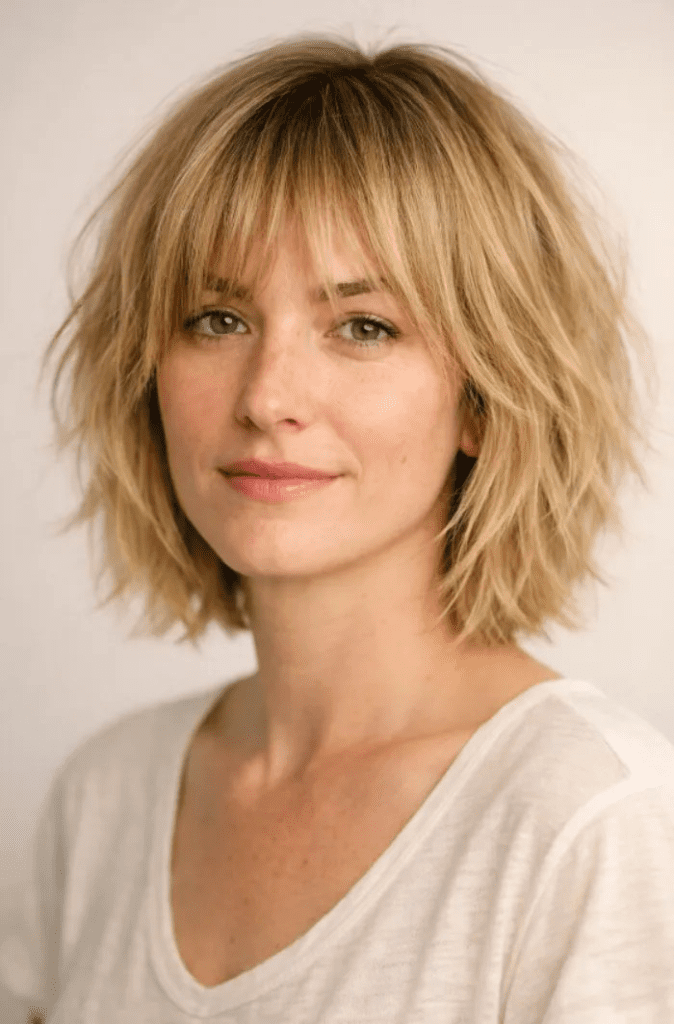
A shaggy bob where the layering follows the hair’s natural movement direction rather than being applied in a predetermined pattern — this placement approach produces the most organically natural-looking shaggy bob because the layers settle into positions that the hair would naturally find on its own, just enhanced.
Ask for: Ask your stylist to observe your natural hair movement before applying the layering and to follow that direction in the cut. The most natural-looking shaggy bobs are the ones where the layers look like they belong to the hair’s own behavior.
Best for: Women who want the most naturally blended and organically settled shaggy bob result. Works across most fine hair textures.
17. Tousled Shaggy Bob With Soft Bangs

A light, casual shaggy bob with a tousled finish and soft bangs that blend into the rest of the cut rather than sitting as a defined fringe section — the tousled quality specifically works for fine hair because it looks intentionally relaxed rather than accidentally flat. Soft bangs add face-framing without the density concerns of heavier fringe.
Ask for: Tousled layering throughout with soft, blended bangs. Minimal product — a light mousse or texturizing spray is enough to support the tousled quality without weighing fine hair down.
Best for: Women who want a casual, low-effort shaggy bob that looks styled without seeming like it took any effort.
18. Voluminous Shaggy Bob With Lifted Crown

A shaggy bob where the layering is specifically concentrated at the crown to create maximum lift and volume at the top of the head — this is the fine-hair shaggy bob specifically designed to address the flatness that fine hair develops most obviously at the crown. The crown lift makes the entire silhouette read as fuller.
Ask for: Crown-concentrated layering for lift — the layers should be shorter and more significant at the top, graduating softly into longer, stronger ends. A volumizing mousse at the roots before blow-drying reinforces the crown lift between appointments.
Best for: Women whose primary fine-hair frustration is crown flatness. Specifically addresses the area where fine hair loses volume first and most obviously.
19. Wavy Blonde Shaggy Bob
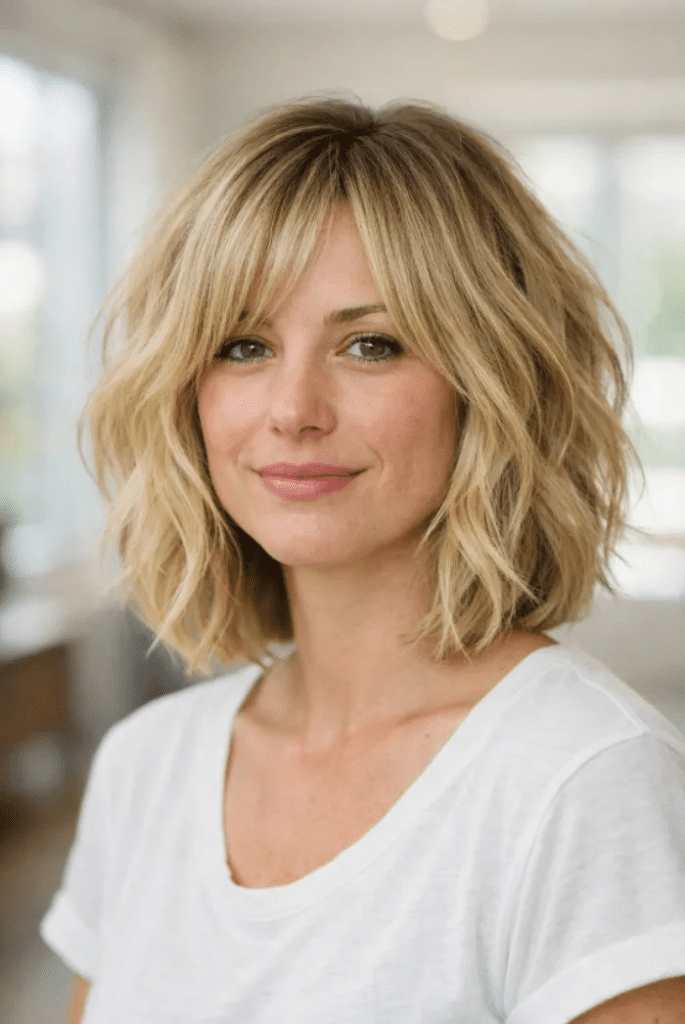
Loose waves through a blonde shaggy bob that amplify the layered shape and give fine hair more visual presence — the waves specifically activate the dimensional quality of the shag’s layering, showing each layer from a slightly different angle as the wave pattern moves the hair. Blonde color adds its own visual lightness that suits the airy quality of the shaggy bob on fine hair.
Ask for: A cut that supports wave formation at the bob length rather than fighting the natural direction of the hair. A light curl cream or wave-enhancing product for styling without weight.
Best for: Fine-haired women who regularly style with waves or have natural wave and want a shaggy bob that performs at its best in that styling context.
20. Wispy Platinum Bob With Shag Influence

A platinum-toned bob with wispy, softly layered ends — the platinum makes the wispy end quality look intentionally delicate rather than sparse, and the subtle shag influence adds movement without going fully into heavily textured territory. The lightness of the platinum color and the lightness of the wispy ends create a cohesive aesthetic of deliberate airiness.
Ask for: Wispy ends achieved through light point-cutting rather than thinning shears. Subtle shag layering that reads as elevated rather than casual. Consistent toning maintenance for the platinum to maintain its intentional quality.
Best for: Platinum or light blonde wearers who want a shaggy bob that’s airy and feminine rather than heavily textured or deliberately undone.
21. Textured Shaggy Bob With Side Part
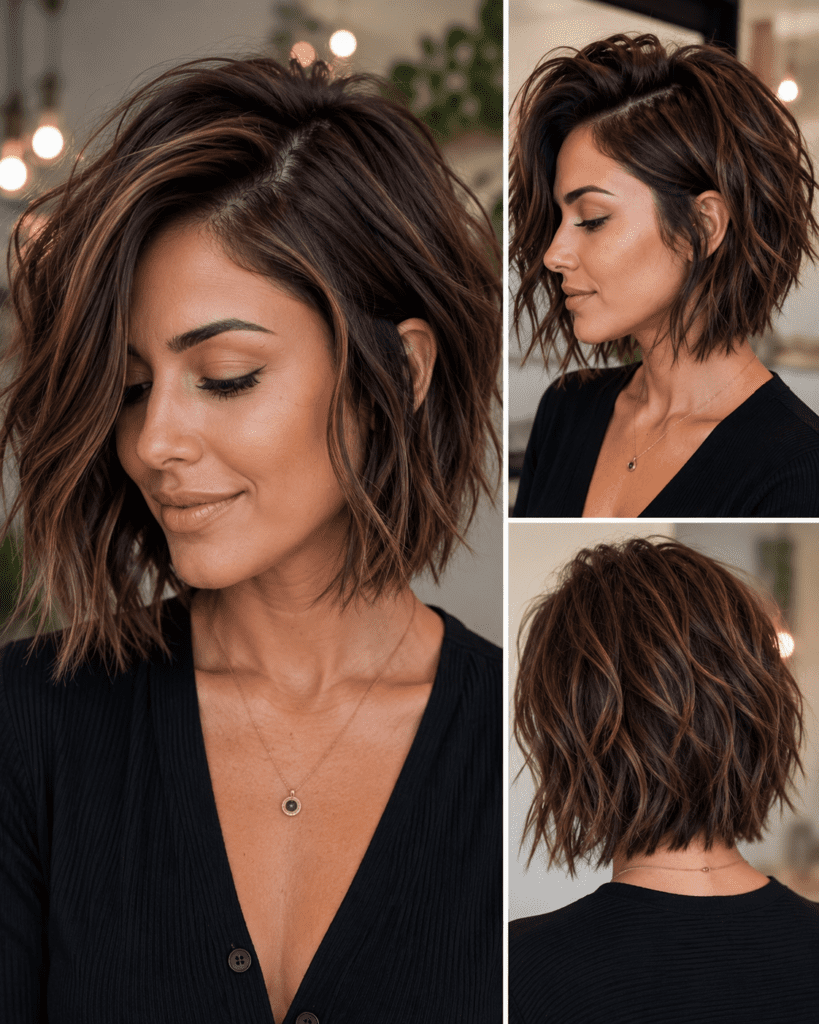
A shaggy bob with visible texture throughout and a deep side part that creates immediate root lift on one side — the side part is a specifically effective technique for fine hair because it redistributes existing density to create volume that the hair’s natural growth pattern doesn’t produce. Combined with the shag’s distributed movement, the side part adds root lift to a cut that already creates mid-section and end movement.
Ask for: A shaggy bob with distributed texture throughout and a deep side part established before blow-drying. The side part can be set with a light-hold spray to maintain it through the day.
Best for: Women who need root volume as much as they need texture and movement. The side part adds the crown dimension that layering alone can’t always achieve on fine hair.
22. Graduated Shaggy Bob
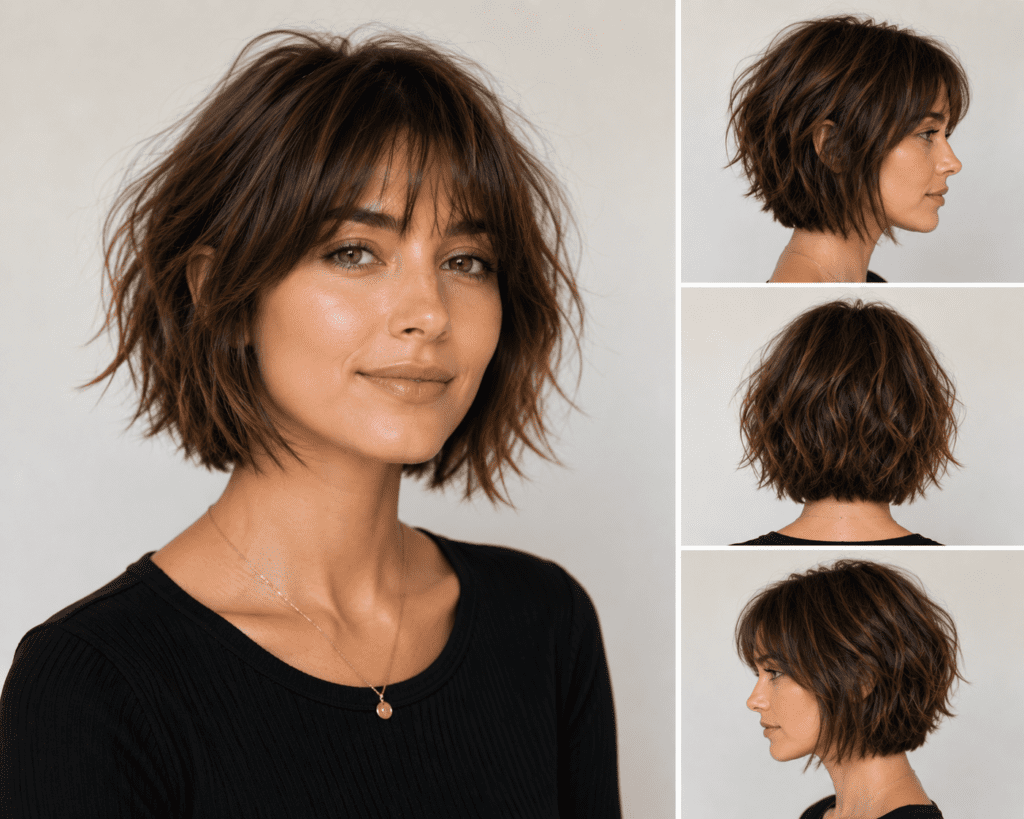
A shaggy bob with graduation built into the cut — slightly shorter through the back, gradually longer toward the front — that adds structural volume at the back of the head where fine hair is often flattest when viewed in profile. The shag’s texture prevents the graduation from looking stiff or dated.
Ask for: Soft graduation rather than a dramatic angle — the back should be notably fuller than the front without the extreme graduation of a stacked bob. Shag layering distributed throughout to soften the structured quality of the graduation.
Best for: Women who want visible back volume and a strong profile shape. Works particularly well on fine hair where the back tends to sit close and flat.
23. Shaggy Bob With Crown Texture and Strong Ends
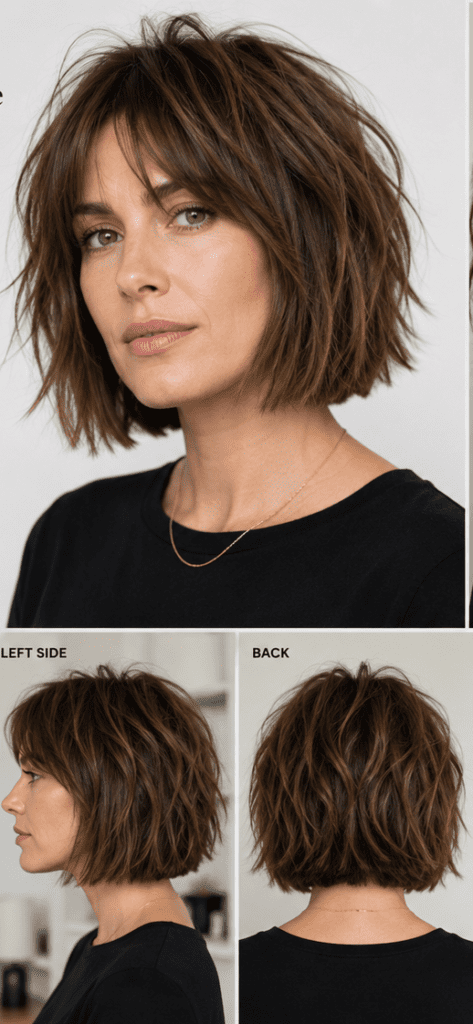
A shaggy bob where the texture investment is concentrated specifically at the crown — creating lift and separation at the top — while the ends are left deliberately strong to maintain the visual density that fine hair needs at the perimeter. This is the technically most precise approach to a shaggy bob on fine hair, placing texture exactly where it’s needed and preserving density exactly where it can’t be spared.
Ask for: Crown and upper-section layering for texture and lift, with the perimeter specifically kept strong and full. Ask your stylist to be conservative with the ends specifically — they should look full rather than wispy.
Best for: Women who understand their fine hair’s specific needs and want a technically precise shaggy bob that addresses crown flatness without sacrificing end fullness.
24. Effortless Everyday Shaggy Bob
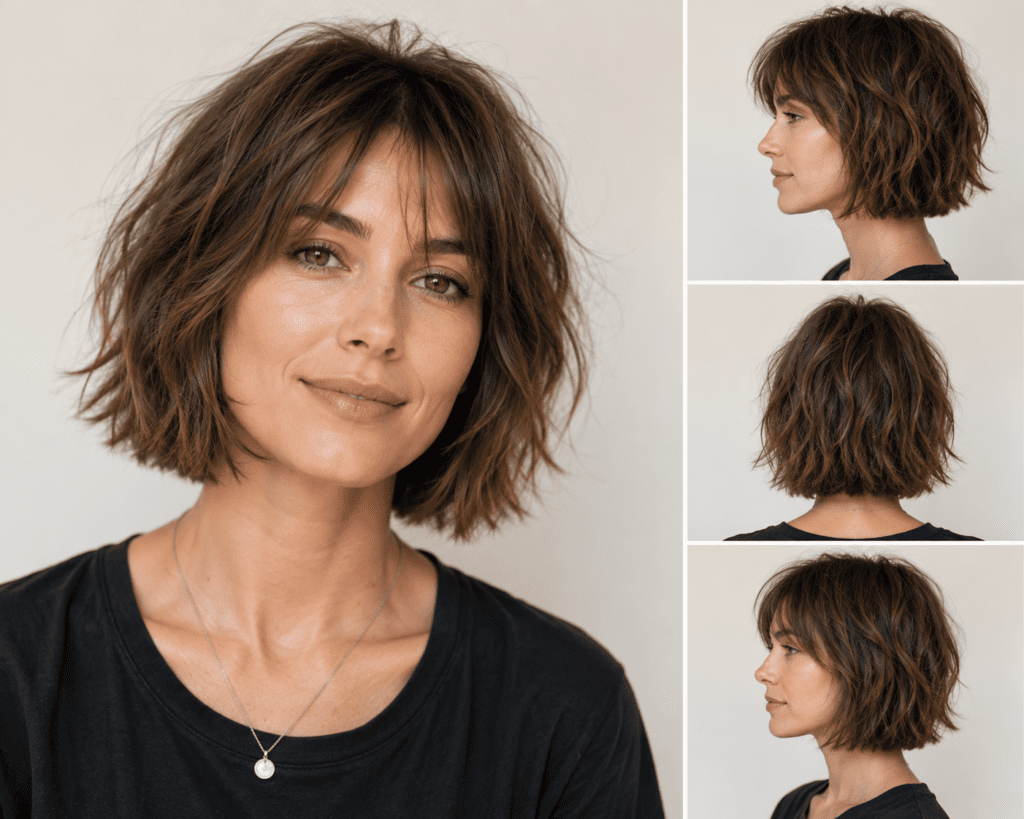
A shaggy bob designed for the daily reality of fine hair — air-dry-friendly, product-minimal, and consistently looking like a considered style choice rather than the result of extensive morning effort. This version of the shaggy bob has enough layering to create shape without requiring daily styling to maintain it.
Ask for: A cut where the shape falls naturally when the hair is air-dried — confirm this by asking your stylist to show you what the cut looks like without additional styling after the wash. The effortless quality should come from the cut, not from the styling products.
Best for: Women who want a shaggy bob that’s genuinely manageable within a realistic morning routine. The most practical and life-appropriate option on this list.
Final Thoughts
The shaggy bob works for fine hair when it’s designed around fine hair’s specific reality rather than applied as a general aesthetic without technical consideration. The layering should be targeted rather than comprehensive. The ends should be strong rather than thinned. The texture should be created through movement rather than through removal of density. And the cut should look intentional when air-dried rather than only when professionally styled.
Every style on this list achieves that balance from a slightly different angle — different lengths, different fringe approaches, different texture levels, different color contributions. The right choice is the one that matches your honest answers about how you style your hair, how often you’re willing to have trims, and whether you prefer a polished or relaxed finish.
Save the ones that feel genuinely like you. Take them to your stylist with specific questions about how the layering will be applied for your density level. A shaggy bob that’s designed specifically for your fine hair’s behavior is one of the best cuts available for the texture — it just needs to be executed with the right restraint.
How much layering is actually right for fine hair in a shaggy bob?
Less than feels instinctive, and specifically concentrated rather than distributed throughout. The crown and face-framing sections benefit most from layering. The mid-sections can have light internal layering. The ends should be left relatively strong — point-cut for texture at the very tip, not significantly thinned or layered through the bottom section. If you can see through the ends of your bob, the layering went too far.
What’s the difference between a shaggy bob and a layered bob for fine hair?
A layered bob typically has layering concentrated at the perimeter and face-framing sections with a relatively defined outer outline. A shaggy bob has more distributed layering that deliberately creates a slightly undone, less precise outline — the shaggy quality comes from the outer edge having visible texture rather than a clean line. For fine hair, the shag’s undone quality is actually helpful because it disguises the sparse quality that thin ends can develop, while a precisely clean-lined bob requires perfect end weight to look polished.
Can a shaggy bob on fine hair be air-dried?
Yes — and it should be. A shaggy bob that requires heat styling every day to achieve its intended look isn’t doing enough structural work for fine hair. The cut itself, through its layering and texture, should produce a recognizably shaped result when air-dried. If it does, you have a genuinely good shaggy bob for fine hair. If it doesn’t, the cut needs adjustment rather than more styling products.
How often does a shaggy bob for fine hair need trimming?
Every five to seven weeks for most shaggy bobs on fine hair. The shaggy bob’s texture relies on its specific layering distribution, which changes as the hair grows — the layers become longer and closer together, reducing the movement and texture that makes the cut work. Regular trims restore the distribution and maintain the shaggy quality that created the fullness in the first place.
What products work best for maintaining a shaggy bob on fine hair?
A lightweight texturizing spray or mousse applied to damp hair before air-drying provides grip and separation that helps the shaggy texture develop naturally. A dry shampoo at the roots between washes refreshes volume that fine hair loses quickly. Avoid heavy serums, oils, or glossing products through the lengths — they weigh fine hair down and eliminate the movement that the shaggy bob’s layering creates. Less product consistently produces better results on fine hair in a shaggy bob than more product does.