How to Build a Mini Spa Day at Home Without Leaving Your Door
There is a specific kind of tiredness that a full calendar, a busy household, and a constant stream of small decisions creates — and it is not the kind that a good night’s sleep fully fixes. It is the kind that needs intentional rest, sensory calm, and a few hours of doing absolutely nothing except being good to yourself.
A professional spa solves this beautifully — but it also requires booking in advance, driving somewhere, spending significantly more money than most people can justify regularly, and somehow looking presentable enough to be seen in public. None of which is compatible with the days when you actually need it most.
An at-home spa day solves the same problem with none of those barriers. Done well, it is genuinely restorative — not a consolation prize for not going to a real spa, but a complete, considered self-care experience that suits your own home, your own preferences, and your own schedule. The key is intention. Not what products you own, not how expensive your bath bombs are, but the decision to create real space and real calm around the experience.
Here is exactly how to do it.
Step 1: Choose the Right Time and Protect It
The single most important decision in a home spa day is not what products you use or how long the bath is. It is choosing a time when you will genuinely not be interrupted — and protecting that time as if it were an appointment you cannot cancel.
Block two to three hours minimum. Tell the people in your household that this is your time. Put your phone on Do Not Disturb or, better yet, leave it in another room entirely. Close the door. If you have children, arrange coverage first so the spa time is real rather than aspirational.
The reason this matters so much is that the relaxation response — the physiological state of genuine calm where cortisol drops and the nervous system settles — requires approximately twenty minutes of uninterrupted quiet to begin. A home spa day that is constantly interrupted by notifications, questions, and small tasks never reaches the state that makes the whole exercise worthwhile.
Protect the time first. Everything else builds on that.
Step 2: Set the Atmosphere
A spa works on your senses before it works on your skin or your muscles — and creating a sensory environment that signals safety, calm, and indulgence to your nervous system is the foundation of the whole experience.
Lighting. Dim or turn off overhead lighting entirely. Candles are the most effective light source for creating the specific warm, soft quality that reads as luxurious and restful. Fairy lights or a salt lamp also work well. Avoid screens — the blue light is actively counterproductive to relaxation.
Scent. This is the most powerful atmospheric element available to you. The olfactory system connects directly to the limbic system — the brain’s emotional and memory processing center — which is why scent produces a faster and more visceral relaxation response than almost any other sensory input. Lavender is the most researched for anxiety reduction and sleep quality. Eucalyptus supports respiratory ease and mental clarity. Chamomile is deeply calming. Rose is mood-lifting. A diffuser with essential oils is ideal, but scented candles work equally well. Choose one primary scent rather than mixing multiple competing ones.
Sound. Soft instrumental music, nature sounds, or binaural beats specifically designed for relaxation all support the atmosphere. Spa playlists on most streaming services are specifically curated for this purpose. Keep the volume low — the goal is a sound environment that your nervous system does not have to process, just rest within.
Temperature. Slightly warmer than your usual room temperature is most conducive to relaxation — around 73 to 77 degrees Fahrenheit. A cold environment keeps the body alert and slightly stressed. A warm environment signals safety and rest.
Step 3: Prepare Your Spa Station
Before you begin any treatments, gather everything you will need and arrange it in a way that feels intentional and beautiful. This step matters more than it sounds — the act of preparing the space is part of the ritual, and arriving at a prepared, ready station feels genuinely different from rummaging through a bathroom cabinet mid-treatment.
On a small table or tray, arrange your products neatly. Have a soft, clean towel and a robe or comfortable wrap nearby. Pour a glass of cold water with lemon, cucumber, or mint, or brew a calming herbal tea — peppermint, chamomile, or ginger all work beautifully. The hydration is important throughout the session, and having a beautiful drink to sip is a simple but genuinely luxurious touch.
If you are setting up for a bath, clean the tub thoroughly first. A sparkling clean bathtub feels completely different from one that has been neglected, and the cleanliness of the environment is part of what makes it feel like a genuine spa experience rather than simply a bath.
Have your bath additions ready to go — Epsom salts, bath salts, essential oil drops, a bath bomb, or a bubble bath. You do not need all of these; choose one or two that appeal to you.
Step 4: Start With a Bath or Shower
The warm water immersion at the start of a spa session does several things simultaneously — it softens the skin for subsequent treatments, relaxes muscle tension, raises the core body temperature slightly in a way that triggers the relaxation response when you cool down afterward, and signals to the mind that this time is different from ordinary time.
For a bath: Run the water to a comfortable warm temperature — hot enough to feel luxurious, not so hot that it is uncomfortable or causes skin redness. Add your chosen bath additions once the tub is full. Epsom salts specifically draw out lactic acid from muscles and are the most therapeutic addition for physical tension. Essential oil drops (10 to 15 drops maximum, mixed into a carrier oil or milk first so they disperse rather than sitting on the surface) add aromatherapy benefit. A bath bomb adds visual and sensory pleasure. Soak for at least 20 minutes — this is the minimum time for the warm water immersion to produce genuine physiological relaxation.
For a shower: A long, warm shower can produce a genuinely spa-like experience with the addition of a eucalyptus bundle hung from the showerhead (the steam releases the scent beautifully), a shower steamer placed on the floor, or simply your favorite shower products used with more care and intention than usual. A body scrub used during the shower prepares the skin for the moisturizing steps that follow.
While in the bath or shower, resist the temptation to plan, problem-solve, or mentally rehearse the rest of your day. This is specifically the time for sensory awareness — the temperature of the water, the scent, the feeling of tension releasing from your muscles.
Step 5: Pamper Your Skin
After bathing, while the skin is still slightly warm and the pores are open, is the most effective time for targeted skincare treatments. The warmth from the bath increases circulation and skin permeability, which means active ingredients absorb more effectively than they do on cool, unprimed skin.
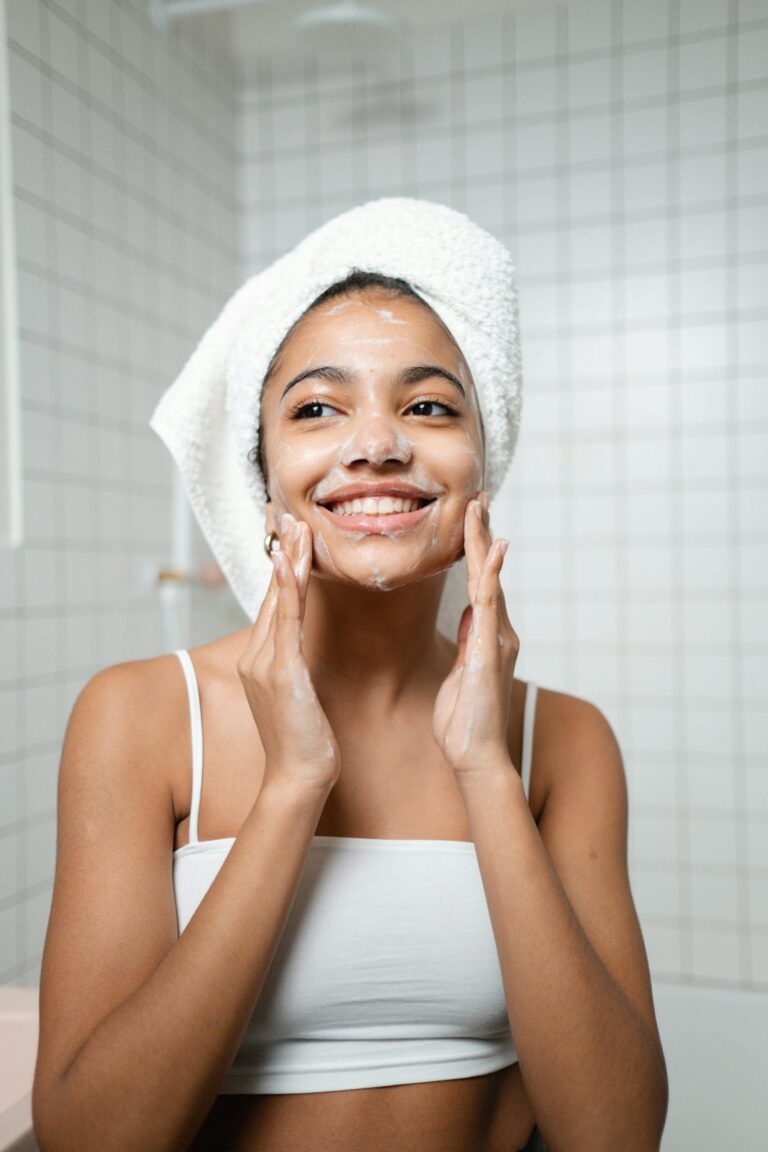
Face mask. This is one of the most spa-specific skincare rituals available at home. Choose a mask formulated for your skin type — clay or charcoal for oily or congested skin, hydrating sheet masks or cream masks for dry or sensitive skin, enzyme or AHA masks for brightening dull skin. Apply evenly, set a timer for the recommended processing time (usually 10 to 20 minutes), and lie down rather than scrolling through your phone while you wait. Rinse thoroughly with lukewarm water.
Gentle exfoliation. If you did not exfoliate in the bath or shower, a gentle facial exfoliant applied in circular motions removes the dead skin cells that create dullness. Use very gentle pressure — the skin is already slightly softened from the steam, so aggressive scrubbing is unnecessary and counterproductive.
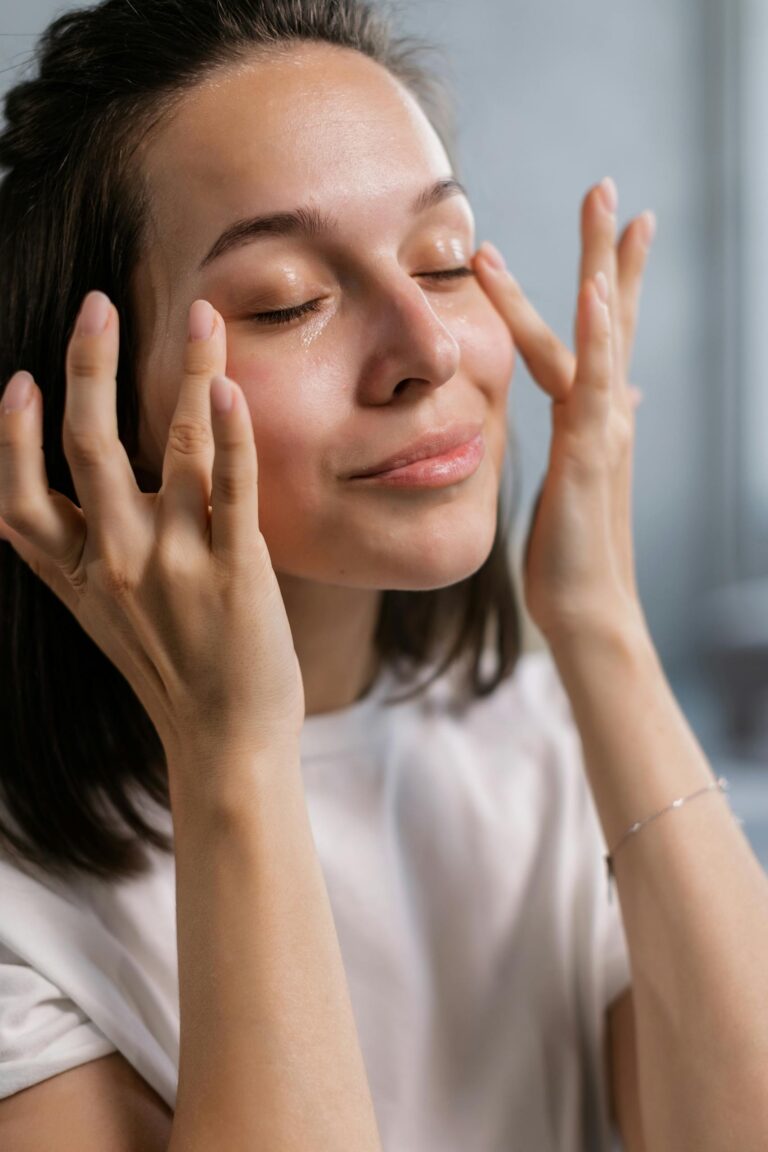
Serum and moisturizer. After the mask, apply your serum while the skin is still slightly damp — this locks in hydration most effectively. Follow with a richer moisturizer than you might use in your daily routine. Take time with the application, using gentle upward strokes rather than hurried pats. This is not the time for speed.
Eye cream and lip treatment. The under-eye area and lips often show the first signs of dehydration and fatigue. A cooling eye cream applied with the ring finger (the lightest touch of any finger) addresses puffiness. A thick overnight lip treatment applied generously is deeply hydrating during the session.
Step 6: Hand and Foot Care
This is the step that most home self-care routines skip, and it makes a more significant difference to how pampered you feel than almost any other treatment. Hands and feet carry an enormous amount of daily stress and show neglect quickly — giving them proper attention is one of the most restorative things you can do in a home spa session.
Hands. Soak your hands in warm water with a few drops of essential oil or a small amount of gentle bath salts for five to ten minutes. This softens the cuticles and the skin. Push cuticles back gently with a cuticle pusher — do not cut them, just ease them back. Apply a generous amount of hand cream and spend two to three minutes massaging it thoroughly into the palms, the backs of the hands, and each finger individually. The hand massage is genuinely relaxing and the benefits to skin softness are immediate and visible.
Feet. Fill a basin or small tub with warm water and add Epsom salts, a few drops of peppermint essential oil (which creates a cooling, refreshing sensation), and any foot soak product you enjoy. Soak for ten to fifteen minutes. Use a pumice stone or foot file gently on any rough areas, particularly the heels. Apply a thick foot cream or a rich body butter, massage thoroughly, and then put on a pair of clean cotton socks — the socks lock in the moisture and the transformation in softness after even twenty minutes is remarkable.
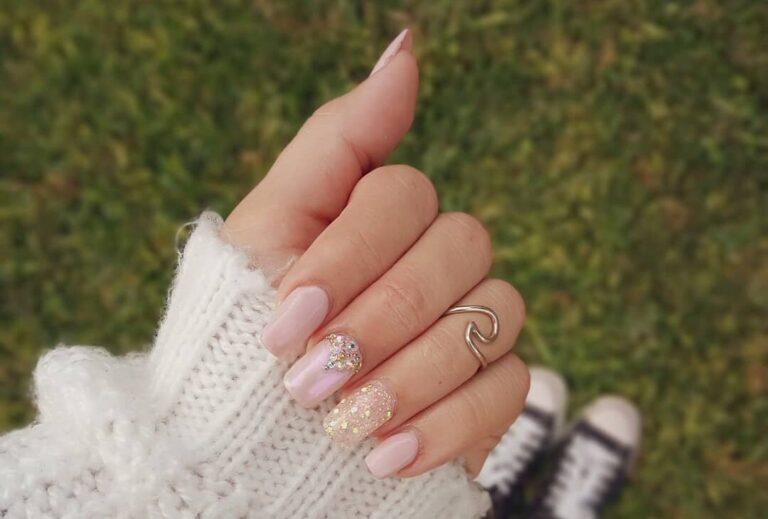
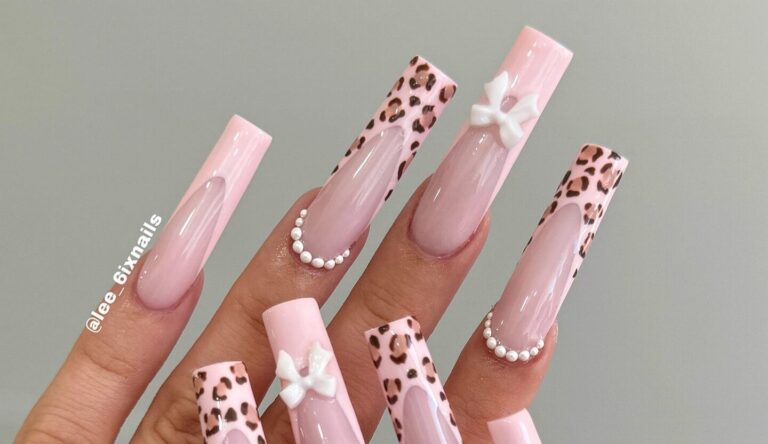
Nails. If you enjoy nail care, this is the ideal time to apply a fresh coat of nail polish or a clear strengthening treatment. The nails are clean, the cuticles are tended, and the overall presentation of clean, cared-for nails is one of the most lasting physical reminders of the spa day when it is over.
Step 7: Hair Treatment
A deep conditioning hair treatment running during your face mask time is one of the most time-efficient and most effective spa-style hair rituals available at home. The warmth from the bath or shower opens the hair cuticle and allows treatment ingredients to penetrate more deeply than they would on cold, dry hair.
Apply a generous amount of a deep conditioning mask or hair oil from mid-length to the ends, avoiding the roots if your hair tends toward oiliness. Twist or clip the hair up, cover with a shower cap or warm towel, and leave on for the duration of your face mask — typically fifteen to twenty minutes. Rinse thoroughly with cool water (cooler water closes the cuticle and adds shine) and notice the difference in softness and manageability.
Argan oil, coconut oil, or any dedicated hair mask works well. The twist and cap step is important — the warmth trapped by the cover increases the effectiveness of the treatment significantly.
Step 8: Body Moisturizing
After all the skincare, hand, and foot treatments, finishing with a full-body moisturizer application is the step that closes the physical portion of the spa day most completely. Choose a body lotion, body butter, or body oil that appeals to you in both scent and texture — the sensory pleasure of the product matters here as much as its ingredients.
Apply while the skin is still slightly warm from the bath, working from the feet upward in long, gentle strokes. Take five minutes for this rather than thirty seconds — it is both more effective for skin hydration and significantly more relaxing as an experience. Pay particular attention to elbows, knees, and anywhere that tends toward dryness.
Dress in soft, comfortable clothing after moisturizing — a robe, soft pajamas, or anything that continues the physical comfort of the experience rather than immediately returning to regular clothes and regular mode.
Step 9: The Wind-Down
The final element of a genuinely restorative home spa day is not a treatment — it is the transition time that follows the treatments and allows the relaxation to settle rather than being immediately disrupted.
Spend twenty to thirty minutes doing nothing in particular. Lie down or sit comfortably. Drink the rest of your herbal tea or water. Read something gentle and undemanding if you want something to do — not the news, not work emails, not social media. Let the sensory experience integrate and the physical relaxation deepen.
This is the step that most people skip — moving immediately from the last treatment back into regular activity — and it is the step that determines whether the spa day feels like a genuine recharge or simply a nice hour that disappeared quickly into the rest of the day.
The transition time is part of the ritual. Honor it.
What You Actually Need — and What You Do Not
One of the most common barriers people name for not doing home spa days more often is not having the right products. This barrier is largely imaginary. Here is what you actually need versus what is optional.
Genuinely necessary: A clean bath or shower space. A candle or diffuser. One face mask that suits your skin type. A moisturizer. A hand cream. A thick foot cream. Soft towels. An uninterrupted block of time.
Makes it better but is not essential: Epsom salts. A bath bomb. A hair mask. A body scrub. Herbal tea. A robe. A playlist.
Optional extras that elevate the experience: A jade roller or gua sha tool for facial massage. A foot spa basin. Sheet masks. Specialty eye treatments. A bath tray for holding products and a drink while you soak.
The experience is created by the intention and the atmosphere, not by the price of the products or the comprehensiveness of the setup.
Making It a Regular Ritual
The most significant benefit of a home spa day is not the single session — it is what happens when you do it regularly. Monthly is the minimum frequency that produces lasting benefits to skin, stress levels, and overall sense of self-care. Twice a month is genuinely ideal for most people.
The ritual itself becomes more restorative the more consistently you practice it. Your nervous system learns to recognize the dimmed lights, the candle scent, the warm water as signals for genuine rest — and the relaxation response comes faster and more completely with each repetition.
Mark it in your calendar as a real appointment, not a vague intention. Protect the time with the same commitment you would give a professional booking. And give yourself the credit of treating your own well-being as something worth that level of care.
Final Thoughts
A home spa day is not a substitute for a professional spa — it is something different and, in some ways, better. It is fully personalized to your preferences, available whenever you need it, and conducted in an environment where you are completely comfortable and completely yourself.
The investment is minimal. The barrier is almost entirely mental — the willingness to decide that two hours of intentional self-care is worth protecting from everything else that competes for your time.
Set the mood, run the bath, tend your skin and your hands and your feet, and spend the wind-down time simply resting in the space you created. The rejuvenation that follows is real, it is lasting, and it is entirely available to you without stepping outside your door.
How long should a home spa day take?
Two to three hours is ideal for a complete home spa day that includes all the steps — atmosphere setup, bath or shower, skin treatments, hand and foot care, hair treatment, and wind-down time. If you have less time, a focused one-hour session concentrating on a bath and a face mask is still genuinely restorative. The wind-down time at the end is important regardless of how long the treatments take — build at least twenty minutes of quiet time into any session.
What is the most important product to have for a home spa day?
A face mask and a good moisturizer are the two most impactful skincare products. For the physical relaxation element, Epsom salts in a warm bath are the single most effective and most affordable addition. For the atmosphere, a candle or essential oil diffuser does more for the overall experience than any skincare product. If you had to choose one thing to invest in, a quality face mask suited to your skin type delivers the most visible result.
How do I stop feeling guilty about taking time for myself?
Reframe rest as necessary maintenance rather than indulgence. The nervous system, the skin, the immune system, and the emotional regulation system all require genuine rest to function well. A person who regularly rests and recovers is more capable, more patient, more present, and more resilient in every area of life. A home spa day is not time taken away from your responsibilities — it is the investment that makes meeting your responsibilities sustainably possible.
Can I do a home spa day on a budget?
Absolutely. Epsom salts, a candle, a face mask from a drugstore, and a rich moisturizer are sufficient for a genuinely restorative experience. Many of the most effective treatments — a warm bath, a homemade sugar scrub using kitchen staples, coconut oil as a hair mask or body moisturizer, and a foot soak with warm water and any available salt — cost very little. The quality of the experience is far more dependent on the atmosphere and the uninterrupted time than on the products.
How often should I do a home spa day?
Once a month is a realistic minimum for most people and produces meaningful cumulative benefits to skin health, stress levels, and sense of self-care. Twice a month is ideal. Some people build a shorter, lighter version — a thirty-minute evening bath ritual with a face mask — into their weekly routine and reserve the full two to three hour spa day for once a month. Any regularity is better than none, and the benefits of the ritual compound over time.