Can You Sell Press-On Nails Without a License? Here’s the Complete Truth
Press-on nails have transformed from a drugstore afterthought into a thriving, multi-million dollar creative industry. Custom sets designed for specific occasions, nail art that rivals what’s available in high-end salons, perfectly fitted press-ons in every aesthetic from minimalist to maximalist — the market is real, it’s growing, and if you have an eye for nail design and some entrepreneurial ambition, it’s genuinely accessible.
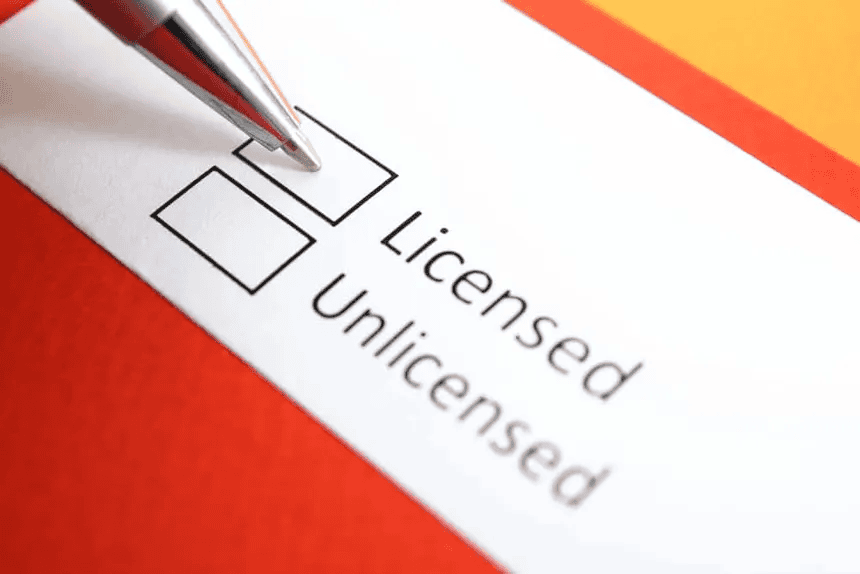
The question that stops most aspiring press-on sellers in their tracks is the licensing one: do you need a cosmetology license to sell press-on nails? The answer is more nuanced than a simple yes or no, and getting it right before you launch your business matters — both for legal compliance and for building a brand with a solid foundation.
Here’s the complete breakdown of what you need to know before you open your first Etsy shop or launch your Instagram storefront.
The Short Answer: No Cosmetology License Required for Selling
In virtually every US state and most countries, you do not need a cosmetology or nail technician license to make and sell press-on nails. The legal distinction is fundamental: selling press-ons is product sales, not a personal care service.
Cosmetology licensing laws exist to regulate services performed on other people’s bodies — applying acrylic or gel products to a client’s nails, filing and shaping nails, applying cuticle treatments. These activities require a licensed professional because they involve direct contact with a client and carry potential for physical harm if done incorrectly.
Making and selling press-on nails — designing them, painting them, packaging them, and shipping them to customers who apply them at home themselves — is categorically different. It’s the same legal territory as selling handmade jewelry, custom candles, or decorative art. You’re selling a finished product, not performing a service.
This distinction holds as long as you don’t cross the line into applying the press-ons to clients yourself. The moment you physically work on someone’s nails for payment, the legal category changes.
When You Absolutely Don’t Need a Cosmetology License
The following scenarios are unambiguously in the “product sales” category — no cosmetology license required in any of them:
Selling on Etsy, Shopify, or your own website. Online product sales are the clearest case. You design and make the nails, customers purchase and apply them. This is product retail, legally identical to any other handmade product sold online.
Selling at craft fairs and markets. Displaying and selling your press-ons at a local market or craft fair is straightforward product sales. No license is needed to sell a finished product in this context, though the event organizer may require proof of business registration or a seller’s permit — not a cosmetology license.
Selling through social media (Instagram, TikTok, Facebook). Social commerce is product sales. Building a press-on brand through Instagram and selling directly through DMs or a linked shop requires no cosmetology credentials.
Wholesale to boutiques or other retailers. Supplying press-ons to other shops who then sell them to end customers is straightforward wholesale product distribution. No cosmetology license involved.
Pop-up shops and events where customers select and purchase nails. Selling nails at a pop-up where customers choose and buy a set is product sales, not a service, as long as you’re not applying them.
Custom commissions shipped directly to customers. Making custom sets per customer specifications and shipping them for the customer to apply at home is product manufacturing and sales — not a service.
Teaching others to make press-ons. Running press-on nail crafting workshops or selling tutorials and courses about nail art and design is educational content, not a cosmetology service.
The consistent thread across all of these: the customer applies the product themselves. Your role is manufacturer and seller, not service provider.
When You Will Need Licensing
The Line You Cannot Cross Without a License
Physically applying press-ons to clients in exchange for payment requires a nail technician or cosmetology license in most jurisdictions.
This is where many aspiring press-on business owners run into confusion. The logic seems counterintuitive — press-ons aren’t permanent, they don’t involve chemicals the way acrylics do, and the application seems simple. But the legal test isn’t about the complexity of the product. It’s about whether you are performing a personal care service on another person’s body for compensation.
Filing a client’s natural nails before application, applying adhesive to a client’s nails, physically placing and pressing the nails onto a client’s fingers — all of these activities, when performed for payment, fall into the category of nail services in most state and local regulations. Performing nail services without a license is illegal in most US states and can result in fines, cease-and-desist orders, and in some jurisdictions, criminal charges.
If you want to offer press-on application as a service alongside your product sales, you have two compliant paths: get licensed yourself (a nail technician license typically requires 300 to 600 hours of training depending on the state), or partner with a licensed nail tech who provides the application service while you supply the product.
What Licenses You Might Need for the Business Itself
While cosmetology licensing isn’t required for product sales, operating a legitimate business typically requires some form of business registration or licensing — completely separate from cosmetology credentials. Here’s what to investigate:
Business license. Many cities and counties require any business — including home-based online shops — to obtain a general business license. The requirements and costs vary significantly by location, but this is often a basic registration rather than a regulatory permit. Check your city or county’s business services office.
Sales tax permit (seller’s permit). If you’re selling physical products, most states require you to register for a sales tax permit and collect and remit sales tax on applicable sales. This is a tax administration requirement, not a business qualification. Each state has different rules about which products are taxable — check your state’s department of revenue website.
Home occupation permit. If you’re running your press-on business from home (including manufacturing the nails at home), some municipalities require a home occupation permit. These are typically inexpensive and straightforward but exist to ensure residential areas aren’t disrupted by business activity.
DBA (Doing Business As) registration. If you’re operating under a business name that differs from your legal name — which is almost always the case for a press-on nail brand — you may need to register a DBA or fictitious business name with your county or state. This is a simple registration, not a licensing process.
Federal Employer Identification Number (EIN). If you plan to hire employees, open a business bank account, or eventually operate as an LLC or corporation, you’ll need an EIN from the IRS. This is free to obtain and takes minutes to complete online.
Reseller certificate. If you purchase nail tips, polish, and other supplies wholesale and sell the finished product, a reseller certificate allows you to purchase supplies without paying sales tax (since you’ll collect sales tax from your end customers). Available through your state’s tax authority.
The practical approach: contact your local Small Business Development Center (SBDC) — a free resource available in most US counties — for guidance specific to your location. They can tell you exactly which permits and registrations apply to a product-based home business in your jurisdiction.
Product Safety and Cosmetic Regulations
This is the legal area that most press-on nail sellers overlook, and it’s worth understanding before you start selling commercially.
In the United States, the FDA regulates cosmetics, and nail products — including the adhesives, polishes, and nail tips used in press-ons — fall under cosmetic regulations. As a seller of finished nail products, there are specific compliance considerations:
Cosmetic safety standards. Products applied to the nails or skin must meet FDA cosmetic safety standards. This means the nail tips, polishes, gel products, and adhesives you use in your press-ons should be cosmetic-grade, not craft or industrial grade. Most professional nail supply brands sell cosmetic-compliant products, but it’s worth verifying that the specific products you use are intended for cosmetic application.
Labeling requirements. Commercially sold cosmetic products have FDA labeling requirements — ingredient lists (INCI names), manufacturer information, net quantity, and warnings where applicable. While small independent sellers are often not strictly scrutinized for every labeling requirement, including clear ingredient information and your business contact details in your packaging is both legally prudent and a trust-building practice with customers.
Allergic reactions and ingredient transparency. Certain ingredients in nail adhesives (particularly cyanoacrylates) and gel products can cause allergic reactions in sensitive individuals. Being transparent about the ingredients in your adhesive or any gel products used in your press-ons helps customers make informed decisions and reduces your liability exposure.
Cosmetic Good Manufacturing Practices (GMP). The FDA recommends following GMP guidelines for cosmetic manufacturing, which include keeping your workspace clean and hygienic, using sanitary tools and materials, and storing products properly. These aren’t strict legal requirements for small sellers in the way they are for large manufacturers, but following them demonstrates professionalism and protects your customers.
Building Your Press-On Nail Business: A Complete Starter Framework
1. Register Your Business Name and Structure
Before anything else, decide on a business structure. For a solo press-on nail business just getting started, a sole proprietorship is the simplest option — minimal paperwork, you report business income on your personal taxes. As your business grows and your liability exposure increases, an LLC (Limited Liability Company) provides a legal separation between your personal assets and business liabilities that’s worth the additional setup cost.
Register your business name as a DBA with your county or state, and open a separate business bank account to keep personal and business finances clearly separated from the start. This separation makes taxes significantly simpler and is the foundation of professional financial management.
2. Establish Compliant Supplier Relationships
The quality and safety of your press-ons begins with your supply chain. Source nail tips, gel products, nail polish, and adhesives from established professional nail supply brands — not general craft suppliers or unverified overseas sellers on marketplace sites, where product quality and cosmetic compliance can’t be easily verified.
Reputable professional nail supply brands include OdysseyNail, Nailite, Young Nails, Entity, and similar brands distributed through licensed nail supply distributors. These products are manufactured for professional and consumer nail use, which gives you confidence in their cosmetic safety profile.
3. Create Genuinely Great Packaging
In the press-on nail market, packaging is a significant part of the product experience — customers expect an unboxing moment that feels premium and considered. The packaging communicates the quality of the nails before anyone has even opened the box.
A professional press-on nail package should include: the nail set in a clearly organized tray or card showing all sizes, a sizing guide that helps customers match the nails to their own measurements, application instructions (step-by-step with images if possible), the materials or ingredients list for the adhesive and any gel products, your business name and contact information, and any care or maintenance instructions for extending wear.
Mini application kits — a small bottle of nail glue, application tabs for temporary wear, a cuticle stick — add genuine value and reduce the application barrier for customers who are new to press-ons.
4. Offer a Sizing System
The single most common cause of press-on customer dissatisfaction is poor fit. Press-ons that are too wide, too narrow, or too long don’t adhere correctly and lift quickly, which damages both the customer experience and your brand reputation.
A sizing kit or system addresses this at the point of sale. Send first-time customers a sizing guide that asks them to measure the width of each nail in millimeters, or provide a physical sizing strip they can hold against their nails to identify which sizes they need. Collecting this information before production means every custom set is made to the customer’s actual measurements — dramatically improving fit, adhesion, and customer satisfaction.
5. Use Only Cosmetic-Grade Materials
Every product that goes into your press-on nails should be cosmetic-grade and intended for nail or skin application. This includes:
Nail tips: Acrylic or soft gel nail tips from professional nail supply brands, not generic plastic pieces.
Nail polishes and gel polishes: Standard professional or consumer gel or regular polish brands, verified to be free of the most concerning ingredients (toluene, formaldehyde, dibutyl phthalate in the minimum — many customers now seek “5-free,” “7-free,” or “10-free” formulations).
Nail adhesive: Professional nail glue (cyanoacrylate-based) from established nail brands. Adhesive tabs for temporary wear are an additional option that appeals to customers who don’t want permanent adhesion.
Top coat and base coat: Standard cosmetic nail products, not craft varnishes.
Not only does using cosmetic-grade materials protect your customers — it protects your business. A customer who has a reaction to industrial-grade products used inappropriately would have a legitimate product liability claim.
6. Photograph Your Work Professionally
In the press-on nail business, your photography is your most important marketing asset. Customers are purchasing based entirely on how the nails look — not on any in-person assessment — which means high-quality, accurate photography is the difference between consistent sales and a stagnant shop.
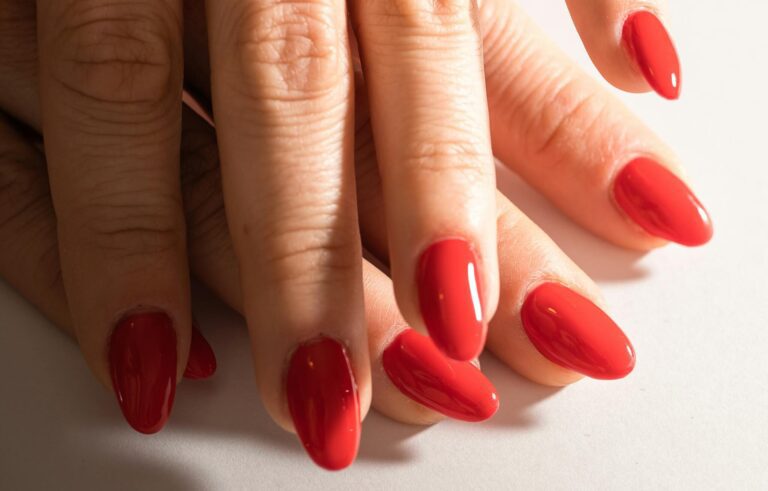
Natural light is the most flattering for nail photography and requires no special equipment. A ring light creates the consistent, even lighting that makes nail art details most visible in artificial light settings. Photograph from multiple angles: a flat lay showing the full set, a curved hand shot showing how the nails look worn, a close-up showing design details, and an “on-hand” shot showing the nails at a flattering angle.
Consistency across your product photography — similar backgrounds, similar lighting, similar composition — creates a cohesive brand aesthetic that builds recognition across your shop and social media.
7. Build a Pinterest-First Marketing Strategy
Press-on nails are one of the most naturally Pinterest-friendly products available. The visual format, the occasion-specific nature of many designs, the search intent of users looking for “press-on nails aesthetic” or “custom nail sets for [occasion]” — all of these align perfectly with Pinterest’s platform mechanics.
Create a Pinterest business account and pin every product image with keyword-rich descriptions that describe the design, the occasion it suits, the color palette, the nail shape, and the nail art style. Pinterest pins have extended discovery lifespans compared to other social media content — a pin from two years ago can still drive consistent traffic to your shop today.
Instagram is equally important for visual discovery and community building. Short-form video content (Reels, TikTok) showing the creation process, the packaging, or application results generates high engagement and reaches audiences beyond your existing followers.
8. Consider Product Liability Insurance
Product liability insurance protects you if a customer claims they experienced harm from one of your products — an allergic reaction, a skin irritation, a nail adhesive incident. While product liability claims from press-on nails are relatively rare, they do occur, and operating without insurance means any such claim would be paid from your personal or business funds rather than an insurer’s.
Many small business insurance providers offer product liability coverage at reasonable rates for home-based product businesses. The annual cost is typically a few hundred dollars — a meaningful protection for the risk it covers.
This isn’t legally required in most jurisdictions, but it’s the professional standard for anyone selling cosmetic products and the mark of a business that takes its customers’ safety seriously.
Creative Ways to Build a Press-On Nail Brand
The press-on nail market is competitive but highly segmentable — there are many distinct niches within the broader category, and finding and owning a specific niche is more valuable than trying to appeal to everyone.
Occasion-specific collections. Bridal press-on sets, Halloween designs, holiday collections, wedding guest sets, prom nails — occasion-specific designs answer a specific search intent and convert browsers into buyers with more purchasing urgency than general designs.
Aesthetic-specific branding. Coquette, Y2K, clean girl, dark academia, coastal grandmother, cottagecore, maximalist — designing and marketing within a specific aesthetic attracts a dedicated customer base that shares the aesthetic and recommends within their community.
Inclusive sizing and fit. Offering press-on sets specifically designed for wider nail beds, shorter nails, or longer-than-average fingers serves customers who find standard sets consistently don’t fit — a genuinely underserved segment with strong purchase intent and brand loyalty.
Subscription boxes. A monthly or seasonal press-on subscription sends curated sets to customers on a recurring basis, creating predictable revenue and strong customer retention. The subscription model works particularly well for press-ons because customers who love the product want it regularly.
Collaboration with influencers and content creators. Sending sets to nail content creators on TikTok and Instagram for review generates authentic content and exposure to their audiences without the cost of paid advertising. Start with smaller micro-influencers (10,000 to 100,000 followers) in the nail and beauty niche, where engagement rates are often higher and partnership costs are more accessible.
DIY kits and nail art supplies. If you develop expertise in press-on nail creation, selling the supplies and tutorials needed for others to make their own is a natural product extension that also positions you as an authority in the space.
Custom sets for events. Wedding parties, bachelorette groups, birthday celebrations — custom sets where all members of a group receive matching or coordinated nails for an event are a high-value product that justifies premium pricing and generates strong word-of-mouth.
Final Thoughts
The press-on nail business opportunity is real, it’s accessible, and it’s genuinely one of the more creatively rewarding product businesses available to someone with nail art skills and entrepreneurial drive. The licensing picture is clear: no cosmetology license is required to make and sell press-on nails as a product. The business licensing picture requires a small amount of local research but is entirely manageable.
What separates the press-on nail businesses that grow into sustainable brands from those that sell a few sets and stall is the professionalism of the foundation: cosmetic-grade materials, thoughtful packaging, accurate sizing systems, strong photography, and a distinct brand identity that owns a specific niche rather than trying to compete broadly.
Start with the compliance basics. Build with quality materials and great packaging. Market with platform-appropriate content. And design with the specific customer you’re trying to reach always in mind.
The nail art community is enthusiastic, loyal, and actively looking for the next great press-on brand. Yours could be it.
Do I need a cosmetology license to sell press-on nails online?
No. Selling press-on nails online — through Etsy, Shopify, Instagram, or any other platform — is product sales and does not require a cosmetology or nail technician license in any US state. You’re selling a finished product, not performing a service.
Do I need any license at all to sell press-on nails?
You may need a general business license from your city or county, a sales tax permit from your state, and potentially a home occupation permit if you’re manufacturing from home — but none of these are cosmetology-related. Check with your local Small Business Development Center for jurisdiction-specific requirements.
Can I apply press-on nails to clients without a license?
In most US states, no. Physically performing nail services — including applying press-ons to paying clients through filing, shaping, or adhering them to another person’s nails — constitutes a nail service and requires a nail technician or cosmetology license in most jurisdictions. Violating this can result in fines and legal consequences.
Are press-on nail products regulated by the FDA?
Yes. Nail products — including the nail tips, polishes, adhesives, and gel products used in press-ons — are regulated as cosmetics by the FDA. Using cosmetic-grade materials and providing accurate ingredient information in your packaging is both a regulatory expectation and a customer trust practice.
Do I need to charge sales tax on press-on nail sales?
Most likely yes, if you’re selling in a state that taxes physical products. You’ll need to register for a sales tax permit in your state and collect the appropriate tax on sales to customers in your state. Sales tax rules for online sales to customers in other states became more complex after the 2018 South Dakota v. Wayfair Supreme Court decision — consulting a tax professional or a service like TaxJar or Avalara helps ensure compliance.
How much can I charge for custom press-on nails?
Custom press-on nail pricing ranges widely based on complexity, materials, and brand positioning — from $15 to $20 for simpler solid-color or basic design sets to $50 to $100 or more for highly detailed custom art, premium materials, or elaborate embellishments. Research comparable sellers on Etsy and Instagram to understand where your designs fit in the market, and price to reflect the time, materials, and skill invested rather than simply matching the lowest available price.
What’s the most important thing to do before starting a press-on nail business?
Register your business name, open a dedicated business bank account, obtain whatever business license your local jurisdiction requires, source cosmetic-grade materials from professional suppliers, and get your packaging and photography right before your first sale. These foundational steps create a business with a credible, professional foundation rather than a side hustle that struggles to grow beyond its informal origins.