
How to Keep Your Space Stylish and Clutter-Free Without Sacrificing Comfort
There is a specific quality that well-organized, beautiful homes have that goes beyond just looking good in photographs. They feel different to be in — calmer, more spacious, more deliberate. The visual noise of accumulated clutter has a genuine cognitive load that most people do not notice until it is gone, and its absence creates a mental clarity that shows up in how you feel at home, how easily you can find what you need, and how much energy you spend managing your possessions rather than simply living.
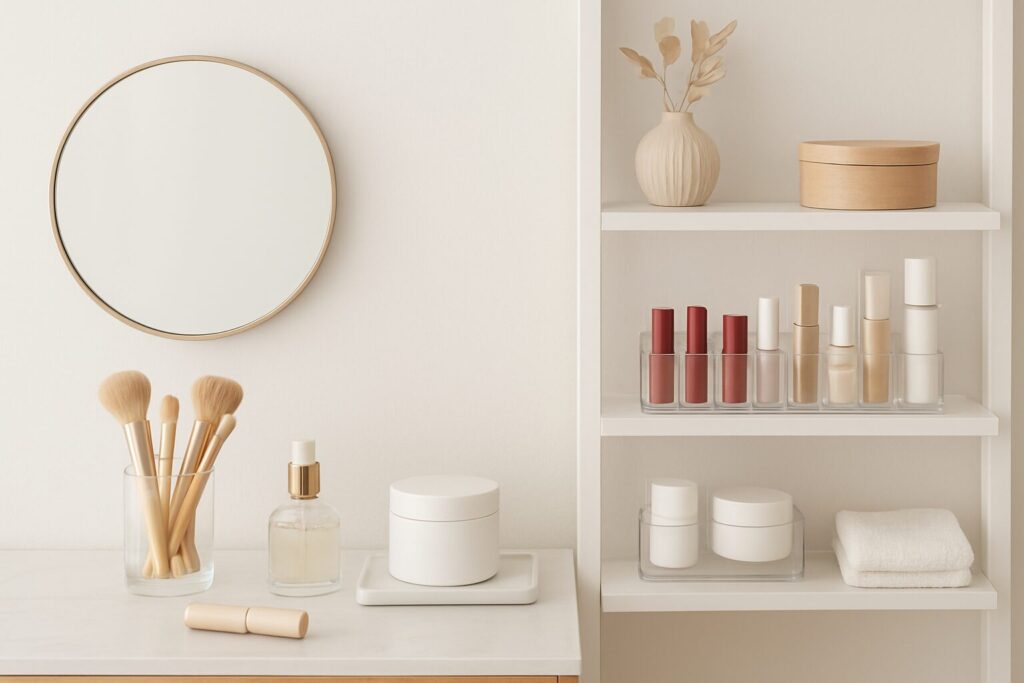
The challenge is that maintaining a stylish, clutter-free home competes with the reality of busy schedules, accumulating purchases, and the natural entropy of everyday life. Most decluttering guides address the initial clear-out without adequately addressing what happens after — how to maintain the order you created, how to stop the accumulation from resuming, and how to make good organization habits automatic rather than effortful.
This guide covers both — the initial steps for creating a clutter-free, stylish space, and the ongoing systems and habits that keep it that way without constant conscious effort.
The Relationship Between Style and Simplicity
Before the practical steps, it is worth establishing a principle that runs through all of them: visual simplicity is a feature of stylish spaces, not a sacrifice for them. The most beautiful interiors in any style — modern, maximalist, bohemian, traditional — share a quality of intentionality. Every element is there for a reason. Nothing is there simply because it accumulated.
This does not mean empty rooms or minimal possessions. It means that the things in your space have been chosen rather than simply kept. The difference is entirely in whether a deliberate decision was made about each item, and it shows.
Decluttering is not about getting rid of your personality. It is about revealing it more clearly by removing what is obscuring it.
Step 1: Start With a Thorough Declutter Session
No organizational system functions well until the volume of possessions is manageable. Trying to organize a space that has too much in it is like trying to file papers faster than new ones arrive — you will always be behind. The declutter session comes first, before any storage solutions are purchased or any organizational decisions are made.
Work room by room and handle every item — not just the obviously problematic ones. For each item, the question is not “should I get rid of this?” but “does this belong in my life right now?” The distinction matters because the first question triggers loss aversion while the second asks for an honest assessment.
Useful filters for decision-making: Have you used it in the last twelve months? If you did not own it and saw it in a store today, would you pay for it? Does it function, or is it broken or obsolete? Does it genuinely add to your life or simply take up space?
Items that do not pass these filters belong in one of three categories: donate, sell, or discard. Move them out of the house promptly — a bag sitting in the corner waiting to be donated still contributes to the visual clutter of the space and makes it easier to retrieve items from it.
Start with the easiest area — a single drawer, a bathroom cabinet, a kitchen junk drawer — and build momentum from there. The cognitive ease of small wins makes the larger areas feel more approachable.
A realistic timeline for a thorough whole-home declutter is several sessions spread over a few weeks rather than a single overwhelming day. Sustainable decluttering is thorough decluttering.
Step 2: Invest in Storage That Looks as Good as It Functions
The visual difference between a stylish organized space and a simply functional one is almost entirely in the quality and intentionality of the storage solutions. Storage that looks beautiful enough to be part of the decor — rather than simply containing the items that do not have a better home — is the element that allows organized spaces to look deliberate rather than merely tidy.
Baskets and woven storage. Natural material baskets in rattan, seagrass, water hyacinth, or linen create warmth and texture while containing items that would otherwise be visually chaotic. A handful of beautiful baskets in consistent materials across a room unifies the look while serving a genuine organizational function. Use them for blankets in living rooms, toiletries in bathrooms, produce or bread in kitchens, and linens in bedrooms.
Matching containers and decanting. The visual calm of a well-organized pantry, bathroom, or laundry space comes largely from decanting into matching containers rather than displaying a collection of different branded packaging. Clear acrylic containers, ceramic canisters in one or two tones, or glass jars in a consistent size family create visual order from what would otherwise be visual noise.
Furniture with built-in storage. Ottoman coffee tables, storage benches at the foot of a bed, beds with under-bed storage drawers, side tables with drawers rather than open shelves — furniture that conceals storage within its primary function eliminates the visible clutter of separate storage pieces and makes the most of square footage.
Vertical space. Walls and vertical surfaces are consistently underused in home organization. Shelving units, wall-mounted hooks, pegboards in kitchens and home offices, and over-door organizers all use space that would otherwise be empty while keeping floor space clear. Floor clutter is the most visually disruptive form of clutter — keeping items off the floor immediately makes a space look more spacious and more deliberate.
When selecting storage, choose pieces that complement each other in material, color, or finish. Cohesive storage looks intentional; mismatched storage looks accumulated.
Step 3: Establish Dedicated Zones for Each Category of Activity
A space looks cluttered primarily when items are in the wrong place — when the mail is on the dining table, the remote is on the kitchen counter, and the charging cables are on the bedroom floor. Creating clearly defined zones for each category of activity gives everything a specific home, and having a specific home makes putting things away instinctive rather than requiring a decision.
Entryway zone. The entry to any home is the first place clutter accumulates — shoes, bags, keys, mail, coats, reusable shopping bags. An intentional entry zone with hooks for bags and coats, a bowl or tray for keys and small items, a bench or rack for shoes, and a specific spot for incoming mail prevents these items from migrating into the main living spaces. What enters the home has a first stop before it goes anywhere else.
Paper zone. Incoming paper — mail, school communications, receipts, documents — is one of the most persistent sources of surface clutter. Establishing a single processing point for all paper (a tray, a clipboard, a designated drawer) where it is sorted and acted upon prevents it from spreading across every surface in the house. Process the paper zone weekly at minimum.
Technology zone. Charging cables, devices, remotes, and technology accessories accumulate visually when they have no designated home. A charging station in a consistent location, a basket or drawer for remotes, and cord management for visible cables reduces the visual noise of technology significantly.
Working zone. If any work happens at home — even occasional — having a dedicated space for it keeps work materials from colonizing the rest of the home. Even a single designated drawer in a living space creates a boundary between work and living that has both visual and psychological benefits.
When zones are established and communicated clearly within a household, the maintenance of the system becomes shared rather than falling to one person. Children old enough to understand zone assignment are capable of returning items to their designated location.
Step 4: Apply the Less-Is-More Principle to Decor
The decorative objects, artwork, textiles, and accessories in a home have more visual impact — positive or negative — than most people realize. A few carefully chosen pieces in the right positions create beauty and personality. Surfaces crowded with objects, however individually attractive, create visual noise that counteracts the beauty of the individual items.
The principle is simple but requires honest editing: fewer, better, more deliberately placed.
Group rather than scatter. A collection of small objects scattered across multiple surfaces looks chaotic. The same objects grouped together in a deliberate arrangement on a single surface look curated. Styling in groups of three, varying heights within the grouping, and maintaining consistent tone or material within a grouping are the principles that make the difference between decor that looks collected and decor that looks cluttered.
Leave surfaces breathing room. Every surface — shelves, countertops, side tables, mantlepieces — looks more beautiful when it has empty space as part of the composition. Empty space around objects draws attention to them. Crowded objects compete for attention and cancel each other out visually.
Audit regularly. What was a conscious, considered decorative choice last year may have become part of the furniture — something you no longer see because it has been there so long. Regular reviews of decorative arrangements with fresh eyes reveal objects that have lost their purpose in the space.
Quality over quantity. One beautiful object that you genuinely love does more for a space than five objects you feel neutral about. This is the principle that justifies investing in a few significant pieces rather than filling spaces with affordable but unmemorable ones.
Step 5: Build the Daily Habits That Make Maintenance Automatic
This is the step most organization guides underserve, and it is the one that determines whether your space stays stylish and organized after the initial effort or gradually returns to its previous state within weeks.
The reason clutter accumulates is not that people are disorganized — it is that the default behavior for most items is to be put down in the nearest convenient spot rather than returned to their designated home. Changing that default behavior is the work.
The one-minute rule. If returning something to its place takes less than one minute, do it immediately rather than setting it down elsewhere. This single habit eliminates the majority of daily surface clutter before it has the opportunity to accumulate.
The one-in, one-out principle. For every new item that enters the home, one existing item leaves. This applies to clothing, books, kitchen equipment, children’s toys, decorative objects, and any other category that tends to expand over time. The principle maintains the post-declutter volume without requiring repeated declutter sessions.
The five-minute evening reset. Spending five minutes at the end of each day returning items to their designated zones prevents the daily accumulation from compounding into a weekly problem. Five minutes of resetting is dramatically easier than a thirty-minute restoration of order. This habit, done consistently, is the single most effective maintenance practice for a clutter-free home.
Process immediately rather than setting aside. Mail that is opened and sorted immediately at the entry does not end up on the dining table for three days. Dishes that go directly into the dishwasher after use do not accumulate in the sink. Laundry that is folded and put away directly from the dryer does not create a pile on the bedroom chair. The habit of processing rather than deferring prevents the accumulation that requires later effort.
Involve everyone in the household. Organizational systems that depend on one person to maintain for everyone else are inherently fragile. Systems that are understood and maintained by everyone in the household are resilient. This requires clearly communicating where things belong, making storage accessible to everyone who uses it, and making the return-to-place habit a shared expectation rather than one person’s responsibility.
Step 6: Reassess Periodically as Your Life Evolves
A home that is well-organized for your life now may not be as well-organized for your life in six months. Seasons change, children grow, work situations shift, hobbies evolve — and the storage systems and spatial arrangements that work well in one context may create friction in another.
Build a quarterly or seasonal review into your calendar — a dedicated time to walk through the space with the same honest assessment you applied during the initial declutter. What is accumulating again? What organizational system is not being used because it does not suit the actual behavior? What has come into the home over the past few months that does not have a designated place?
This periodic reassessment prevents the gradual drift back toward accumulation and keeps the organizational systems responsive to actual life rather than to a theoretically ideal version of it.
Seasonal reviews are also a natural opportunity to rotate decor — bringing out pieces that suit the current season and storing others — which keeps the space feeling fresh and intentional rather than static.
The Visual Principles That Keep Styled Spaces Looking Their Best
Beyond organization, a few styling principles make the difference between a space that looks tidy and a space that looks genuinely beautiful.
Consistent color palette. Spaces that use a limited, cohesive color palette across furnishings, textiles, and accessories look more unified and more deliberate than those that use many competing colors. This does not mean everything must be the same color — it means that the colors present relate to each other intentionally.
Varying heights and textures. Arrangements of objects at the same height look flat. Varying the height of items within a grouping, on a shelf, or across a surface creates visual rhythm and interest.
Natural elements. A plant, a vase of branches, a bowl of fruit, a piece of natural stone — organic materials add warmth and life to spaces in a way that manufactured objects cannot fully replicate. Even a single well-placed plant changes the quality of light and atmosphere in a room.
Lighting. The quality of light in a space affects how organized and how beautiful it looks as much as any organizational decision. Layered lighting — overhead, table lamps, and accent — creates warmth and dimension that overhead-only lighting cannot achieve. Natural light, maximized by keeping windows clear of obstruction, is the most flattering light a home can have.
Final Thoughts
A stylish, clutter-free home is not a state you achieve once and maintain effortlessly forever. It is the ongoing result of a system of deliberate choices — about what belongs in your space, where it lives, and the habits that return it there consistently.
The initial declutter and organization session creates the foundation. The daily and weekly habits maintain it. The periodic reassessment keeps it responsive to your actual life rather than to a fixed organizational framework that no longer fits.
The effort is genuinely modest compared to the benefit — not just the visual beauty of the space, but the mental clarity, the ease of daily movement through your home, and the sense that your environment is supporting rather than complicating your life. That quality is entirely achievable, and it compounds over time as the habits become second nature and the maintenance becomes lighter.
Start with one room. Build the habits. Let the system take care of the rest.
Where should I start if my whole home feels cluttered?
Start with the space you use most and that causes you the most daily friction — typically the kitchen, the main living area, or the bedroom. Beginning with the highest-impact space produces the most motivating result and makes the rest of the home feel more manageable. Within that space, start with one category or one surface rather than attempting to address everything at once. Small, completed sections are more motivating than large, partially addressed ones.
How do I keep clutter from coming back after I have decluttered?
The one-in-one-out principle and the daily five-minute reset habit are the two practices that most effectively prevent clutter from re-accumulating. The one-in-one-out principle prevents the volume of possessions from growing; the daily reset prevents the volume that exists from spreading across surfaces. Both require conscious practice for a few weeks before becoming automatic.
What storage solutions are most worth investing in?
Furniture with built-in storage — ottomans, storage benches, beds with drawers — delivers the most value because the storage is invisible within a functional piece of furniture. After that, a set of matching baskets or boxes in natural materials adapts to almost any room and any organizational need. Matching containers for pantry and bathroom storage have a significant visual impact for a modest investment.
How do I maintain a stylish home with children or a busy household?
Zone assignment is the most effective system for households with multiple people — when everyone knows where things belong, everyone can participate in maintenance. Making storage accessible at the height of the people using it removes friction from returning items to their place. Accepting that a family home during active use will not look like a catalog photograph, and reserving the full reset for evenings and weekends rather than expecting it throughout the day, creates a sustainable relationship with home organization.
How often should I do a full home declutter?
An initial thorough declutter followed by a quarterly reassessment works well for most households. The quarterly review catches accumulation before it becomes overwhelming and keeps organizational systems responsive to changing needs. An annual deeper pass — coinciding with a seasonal change or the beginning of a new year — addresses the categories and areas that the quarterly review may not have reached.