How Long Should Nails Be Under UV Light? A Complete Guide to Perfect Gel Curing Time
If you’re new to gel manicures — or you’ve been doing them for years but still eyeball the timer — you’ve probably asked yourself: how long should nails be under UV light? It’s one of the most common questions in the gel nail world, and honestly, there’s a good reason it trips people up. Curing time isn’t a fixed number. It shifts depending on your lamp, your polish brand, and even how thick you’ve applied each coat.
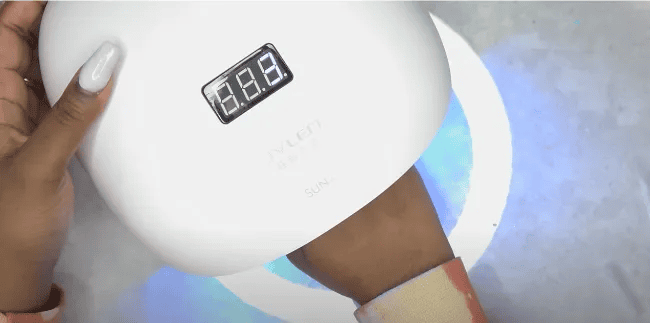
This guide breaks down exactly how long your nails should sit under UV or LED light, what happens if you get the timing wrong in either direction, and the small habits that make the difference between a gel manicure that lasts two weeks and one that chips within days.
Why UV or LED Light Is Essential for Gel Polish
Regular nail polish dries through evaporation — the solvents in the formula simply air out over time. Gel polish works completely differently. It’s built from photopolymers, meaning the formula stays liquid until it’s exposed to a specific wavelength of light, at which point it hardens almost instantly. This hardening process is called curing.
Skip proper curing, or rush it, and the gel never fully sets. That’s what leads to the tacky, soft nails that peel or smudge within a day or two. Cure for too long, on the other hand, and you’re not doing your manicure any favors either — more on that below.
How Long Should Nails Be Under UV Light?
As a general baseline, most standard UV lamps require around 2 minutes (120 seconds) per coat to fully cure gel polish. LED lamps, which use a more concentrated and efficient wavelength, typically only need 30 to 60 seconds per coat.
Here’s a general breakdown by coat type:
- Base coat: usually 30 seconds under LED, or up to 2 minutes under UV
- Color coat (per layer): 30–60 seconds under LED, or about 2 minutes under UV
- Builder gel or thicker gel layers: often 60–90 seconds under LED, or up to 2–3 minutes under UV
- Top coat: 30–60 seconds under LED, or around 2 minutes under UV
These numbers are a solid starting point, but they’re not universal. Always check the curing instructions printed on your specific gel polish bottle, since formulas vary by brand and some are engineered for faster or slower cure cycles.
Signs Your Nails Are Fully Cured
A properly cured gel manicure should feel hard and smooth, not sticky or soft. If your nails still feel tacky right after curing, don’t assume something went wrong — that stickiness is usually just the inhibition layer, a normal byproduct of the curing chemistry that sits on the very top of the gel. Wiping it away with a lint-free pad and a little isopropyl alcohol is all it takes to reveal the fully hardened, glossy finish underneath.
If your nails feel soft, dented easily, or the polish smears when you press on it, that’s a sign of under-curing, and the coat likely needs more time under the lamp.
Can You Over-Cure Gel Nails?
Yes, and it’s more common than people think. Leaving your nails under a UV or LED lamp longer than necessary can lead to a few issues:
- Increased brittleness in the cured gel layer, which can make it more prone to cracking
- A buildup of heat during curing, sometimes causing a brief but uncomfortable “heat spike” against the nail bed
- A duller finish over time, since excess curing can affect how the top coat reflects light
- Unnecessary extra exposure to UV wavelengths, which is worth minimizing even though single sessions are brief
This is exactly why sticking to the recommended curing time — rather than assuming “longer is safer” — actually gives you a better, longer-lasting result.
Factors That Affect Gel Curing Time
Lamp Type: UV vs. LED
UV lamps use a broader light spectrum and generally take longer to fully cure gel polish, often around 2 minutes per coat. LED lamps concentrate their wavelength more precisely, which is why they can cure most gels in as little as 30 seconds per layer.
Thickness of Each Gel Layer
Thicker coats need more time under the lamp to cure all the way through, not just on the surface. Applying thin, even layers is one of the simplest ways to get consistent, fully-cured results and avoid the “cured on top, soft underneath” problem.
Lamp Wattage
A weak or older lamp will need more curing time to fully set the same coat that a stronger lamp could cure quickly. For reliable results, most nail techs recommend using at least a 36-watt UV lamp or a 48-watt LED lamp.
Gel Formula
Not all gel polishes are built the same. Some color gels are formulated for quick, low-heat curing, while builder gels and thicker gel extensions are typically designed to need longer cure times. Always default to the manufacturer’s instructions over a generic rule of thumb.
Tips for Perfect Curing Every Time
- Apply thin, even coats rather than one thick layer to help light penetrate the gel fully
- Cure each layer separately — base coat, color coats, and top coat — rather than skipping steps
- Keep your lamp clean and replace UV bulbs periodically, since dimmer bulbs cure less effectively
- Avoid moving your fingers during curing, since shifting the nail can create uneven spots
- When in doubt, check your specific gel brand’s instructions rather than relying on a universal timing chart
Health and Safety Considerations with UV Light
If you’re curing your nails regularly, it’s reasonable to think about cumulative UV exposure. While a single curing session is brief, some dermatologists suggest applying a broad-spectrum sunscreen to the hands before curing, or wearing UV-protective, fingerless gloves designed for gel manicures, as a simple way to reduce long-term exposure. This is a small habit that doesn’t affect your curing results but adds a layer of protection over time.
Final Thoughts
So, how long should nails be under UV light? For most gel polishes, plan on roughly 2 minutes per coat under a UV lamp, or 30 to 60 seconds per coat under an LED lamp — with thicker layers like builder gel sometimes needing a bit more time. Sticking to thin, even layers, checking your specific polish brand’s recommended timing, and using a reliable, adequately powered lamp are the three biggest factors in getting a glossy, long-lasting gel manicure without over- or under-curing.
Get the timing right, and you’ll end up with the chip-resistant, salon-quality finish that makes gel nails worth the extra step in the first place.
What happens if I cure gel nails for too short a time?
Under-curing typically leaves the gel soft, tacky, or prone to smudging, and the manicure will likely chip or peel much faster than a fully cured set.
Is LED or UV better for curing gel nails?
LED lamps cure most modern gel formulas faster and use less energy, but both LED and UV lamps can produce excellent results as long as you follow the correct curing time for your specific lamp and polish.
Why do my nails still feel sticky after curing?
That tackiness is usually the inhibition layer, a normal surface residue left after curing. Wiping it off with isopropyl alcohol and a lint-free pad reveals the fully hardened gel underneath.
Can I cure gel nails without a UV or LED lamp?
No — gel polish is formulated specifically to cure under UV or LED light and will not harden properly through regular air-drying, unlike traditional nail polish.
How often should I replace the bulbs in my UV lamp?
Most nail techs recommend replacing UV bulbs every few months with regular use, since dimmer, older bulbs can under-cure gel polish even at the recommended time setting.