How Long Should Gel Last on Nails? (What to Expect & How to Make It Last Longer)
Gel manicures have a well-earned reputation for longevity — but that reputation comes with an asterisk. The two to three weeks that gel is commonly cited to last is a realistic average for a well-applied manicure with good aftercare. It’s not a guarantee that every gel manicure will automatically reach that point, and it’s not a ceiling that can’t be extended with the right approach.
The lifespan of a gel manicure is determined by a combination of factors that most people don’t think about until something goes wrong: how the nail was prepped before application, the quality and consistency of the layers applied, how quickly the natural nail grows, what the nails are exposed to daily, and how the manicure is cared for between appointments. Any one of these factors, handled poorly, can cut a three-week gel manicure down to one week. All of them handled well can push a two-week manicure reliably toward three or beyond.
This guide breaks down each of those factors, explains what’s happening technically when gel lifts or chips early, and gives you actionable guidance for getting the longest, healthiest possible wear from every gel manicure.
How Long Does Gel Actually Last?
The honest answer is: two to three weeks for most people under normal conditions, with the specific endpoint depending on the factors below.
The two-week end of that range typically applies to women with oilier nail beds, faster nail growth, active lifestyles that put more stress on the nails, or any gap in the application or aftercare process. The three-week end applies to women who’ve optimized their application process (or consistently see a skilled technician), maintain a good aftercare routine, and have lifestyles that don’t subject their nails to excessive stress.
Some women reliably reach four weeks. This is possible but not recommended as a regular practice — the longer gel remains on the nail, the more moisture becomes trapped beneath the enhancement, increasing the risk of lifting, nail bed weakening, and in some cases bacterial or fungal issues that develop between the gel and the natural nail.
The practical recommendation is to aim for two to three weeks, remove or refill at that point, and give the natural nail a brief break between applications when possible.
Factor 1: Application Quality
Application quality is the single most impactful factor in gel longevity — more than aftercare, more than lifestyle, more than nail health. A perfectly prepped and applied gel manicure will outlast a carelessly applied one regardless of how well everything else is managed afterward.
Nail prep is where most early-lifting manicures go wrong. The natural nail surface must be completely clean, dry, and free of oil before any gel product is applied. Any residual moisture or oil creates a barrier between the nail plate and the base coat that prevents proper adhesion. The prep sequence that produces the most reliable bond is: remove any existing product completely, lightly buff the nail surface with a fine-grit buffer to create micro-texture for the gel to grip, apply a nail dehydrator to eliminate surface moisture, and then apply a pH-balancing primer or base bond product before the base coat.
Layer thickness matters more than most people realize. Gel that’s applied in thick, heavy coats doesn’t cure fully through the entire layer depth — the UV or LED light penetrates to a certain point, and the product beneath that point remains partially uncured, which creates a weak, flexible layer that’s prone to peeling. Thin, even coats that cure completely produce a rigid, well-bonded result. Three thin layers produce better longevity than one thick layer.
Capping the free edge — applying the final layer of gel polish or topcoat to the very tip of the nail, wrapping slightly under the free edge — is the single application technique most commonly skipped and most directly responsible for premature chipping. The free edge is where all mechanical stress on the nail concentrates. Without a sealed cap, that stress breaks through an unsealed edge and progressively lifts the gel from the tip back toward the cuticle.
Cure time must be matched to the product and the lamp. UV and LED lamps have different cure time requirements, and gel products are formulated for specific cure times — cutting those times short leaves product partially uncured. If a manicure consistently lifts after a few days despite good prep, insufficient curing is often the cause.
Factor 2: Natural Nail Health and Type
The natural nail’s condition and type creates the foundation that gel has to adhere to — and some nail types are genuinely more challenging for gel adhesion than others.
Oily nail beds are the most common natural nail factor that shortens gel longevity. The oil that naturally rises to the nail surface creates a barrier to adhesion regardless of how good the base coat is, which is why a nail dehydrator step before base coat application is specifically important for oily nail types. Women who know their nails are oily should treat this as a non-negotiable prep step rather than an optional one.
Brittle or peeling nails have a compromised nail plate structure that doesn’t provide a stable surface for gel to adhere to. If the natural nail is already peeling in layers, the gel will essentially bond to those peeling layers rather than to the nail plate itself, and those layers will eventually separate and take the gel with them. Treating the underlying brittle nail condition — consistently applying cuticle oil, using a strengthening base coat, supplementing with biotin — improves gel adhesion over time by improving the nail plate structure itself.
Nail ridges create an uneven surface that can leave air pockets under the base coat where the gel doesn’t fully contact the nail. A ridge-filling base coat addresses this specifically and is worth using for women whose natural nails have significant vertical ridging.
Fast nail growth shortens the practical lifespan of a gel manicure not because the gel itself fails but because the visible gap at the cuticle becomes cosmetically unacceptable before the gel itself starts to lift or chip. Women with faster growth rates should expect to refresh at two weeks rather than three simply because of the growth gap, regardless of how well the gel is holding.
Factor 3: Daily Activities and Lifestyle
What the nails are exposed to daily has a direct, measurable impact on how long gel lasts — and the specific culprits are more nuanced than simply “hard work.”
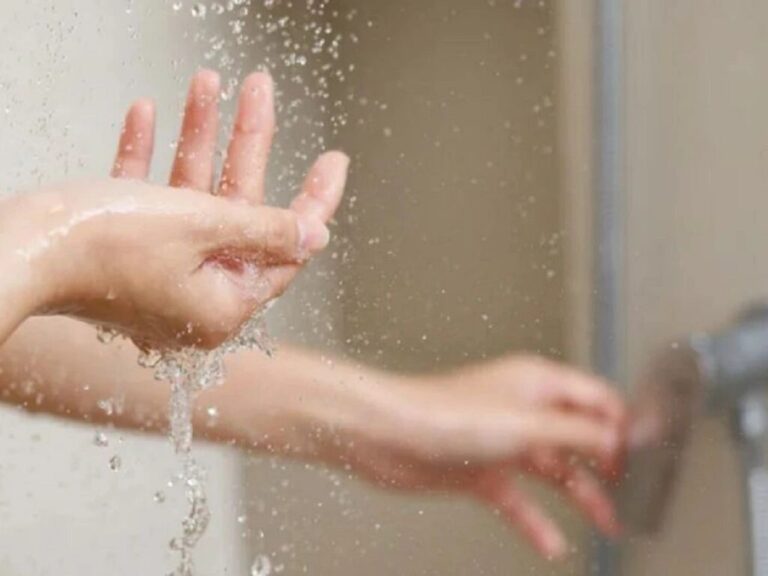
Water immersion is the most consistently damaging daily exposure for gel longevity. The natural nail plate is slightly porous and expands when wet, then contracts when dry. Gel, which is non-porous, doesn’t expand and contract with the nail — which means repeated wet-dry cycling creates a micro-separation stress at the nail-gel interface that gradually weakens adhesion. Long baths, swimming, and extended dish washing without gloves all accelerate this process. This is specifically why gel longevity is often noticeably worse in summer (more swimming, more frequent hand washing in heat) than in winter.
Chemical exposure — cleaning products, acetone-containing products, hand sanitizers with high alcohol content — degrades both the gel surface and the bond between the gel and the natural nail. High-alcohol hand sanitizers specifically are a significant and frequently overlooked source of gel degradation for women who use them frequently throughout the day.
Mechanical stress — using nails as tools (opening packages, scraping stickers, prying open lids), typing with very long nails that deflect under key pressure, frequent picking at small tags or seams — concentrates stress at the free edge and at any small existing lifting point. A tiny lift at the edge that might self-resolve with no mechanical stress will propagate rapidly with regular mechanical pressure.
Nail length and shape intersect with mechanical stress: longer nails have more leverage working against the nail-gel interface with every impact, and pointed shapes like stilettos concentrate that stress at the most structurally fragile point. Oval and rounded shapes distribute stress more evenly and are significantly more resistant to chipping under normal use.
Factor 4: Aftercare Routine
How the manicure is maintained between application and removal or refill determines whether it reaches its potential longevity or falls short of it.
Cuticle oil is the aftercare step with the most direct impact on gel longevity. Applied daily to the cuticle and the skin surrounding the nail, it maintains the flexibility of both the skin and the nail plate — dry, inflexible nail plate material is more prone to cracking, and dry cuticle skin is more prone to pulling away from the gel at the base in a way that creates a lifting point. Any nail-specific cuticle oil works, but jojoba oil is particularly effective because its molecular structure is close to the skin’s natural sebum and absorbs readily.
Gloves for water and chemical exposure are the single most effective protective measure for women who do regular cleaning, cooking involving long water exposure, or any task involving cleaning chemicals. Nitrile gloves rather than rubber latex prevent the latex-specific yellowing that can discolor light gel colors.
Topcoat refresh — applying a fresh layer of gel-compatible or regular topcoat over the gel manicure at the one-week mark — can meaningfully extend the surface quality of the manicure by replacing the layer most affected by UV degradation and daily wear. This doesn’t extend the adhesion of the gel itself but keeps the manicure looking freshly done for longer.
Avoiding picking and peeling needs to be treated as a non-negotiable rule rather than a strong suggestion. Picking at the edge of lifting gel removes the gel and layers of the natural nail plate together — because at the point where gel is lifting, the bond between the gel and the nail plate is still partially intact, and peeling forces those bonded areas to separate forcibly. The thinning and peeling that many women attribute to gel as a product is almost always the result of picking rather than any inherent quality of the gel itself.
Signs It’s Time to Remove or Refill
Lifting at the edges or base is the clearest signal that the manicure’s adhesion is failing and moisture can now accumulate under the gel. Once lifting begins, it should be addressed promptly rather than left — the gap between the gel and the nail plate is an ideal environment for bacteria and moisture-related nail issues.
Visible growth gap at the cuticle is cosmetic rather than a structural concern, but a gap larger than about three to four millimeters (typically two to three weeks of growth) affects the balance of the extension enough that it can increase mechanical stress on the gel.
Chipping or cracking at the free edge indicates the protective cap has failed. A chip that’s caught early can sometimes be sealed with a topcoat application, but a crack that extends from the free edge toward the nail plate needs professional assessment — continuing to wear a cracked extension puts stress on the nail underneath it.
Surface dullness or discoloration that doesn’t respond to a fresh topcoat application indicates the gel itself has degraded rather than just the surface, and a full removal and reapplication is the right next step.
Can Gel Nails Last a Full Month?
Technically possible, occasionally achieved — but not recommended as a regular practice for two reasons.
First, the longer gel remains on the nail, the greater the growth gap becomes, and the more stress the leverage of a significantly longer extension places on the nail-gel interface. Extensions held for four or more weeks have a progressively higher likelihood of a traumatic break rather than a clean chip.
Second, any lifting that has developed over four weeks has had four weeks to accumulate moisture underneath it. Even a small lifting area creates a pocket where water can sit against the nail plate, creating conditions that can lead to nail plate softening and in some cases fungal or bacterial issues that aren’t always visible until the gel is removed.
The two-to-three-week refresh cycle isn’t arbitrary — it’s the range where most gel manicures are still structurally sound enough to remove cleanly, the growth gap is cosmetically manageable, and the nail plate hasn’t been compromised by any lifting-related moisture accumulation.
Gel Polish Versus Regular Nail Polish: Longevity Comparison
Regular nail polish, well-applied over a quality base coat with a good topcoat, typically lasts five to seven days before chipping becomes noticeable under normal use. With a topcoat refresh at day three or four, this can sometimes be extended to ten days, though the color and surface quality begin to degrade regardless of chip status.
Gel polish, applied correctly with proper prep and curing, reliably lasts two to three weeks without chipping or surface degradation — a lifespan roughly three to four times longer than regular polish. The tradeoff is the UV or LED curing requirement (which means application requires a lamp and can’t be done in the same impromptu way that regular polish can), and the removal process, which requires acetone soaking rather than a simple polish remover.
For daily wear, regular polish is more convenient for frequent color changes. For occasions, events, vacations, or anyone who wants a low-maintenance manicure for an extended period, gel’s longevity advantage is significant enough to justify the additional application and removal process.
Final Thoughts
The honest benchmark for gel longevity is two to three weeks — achievable consistently with good application and basic aftercare, occasionally stretchable toward four weeks for women whose nails, lifestyle, and application quality all align favorably.
What determines where in that range your manicure lands is largely within your control: the quality of the prep before application (the most important single factor), the daily practices that protect the gel from the specific things that degrade it fastest (water immersion, chemical exposure, mechanical stress), and the aftercare habits that maintain both the adhesion and the surface quality of the manicure through its full wear cycle.
The women who consistently get three weeks from their gel manicures aren’t necessarily working with better products or seeing better technicians — they’ve simply built the habits that let the product perform at its potential rather than falling short of it.
Why does my gel always lift after just one week?
One-week lifting almost always has an application cause rather than a product or nail health cause. The most common culprits are insufficient nail prep (residual oil or moisture on the nail surface before the base coat was applied), base coat applied too close to the cuticle (which creates a lifting point at the base as the skin moves), or insufficient curing of one or more layers. If this is happening with a professional application, ask your technician specifically about their prep and curing process — this is a reasonable and appropriate question that will help identify where the problem is occurring.
Does gel damage natural nails?
The gel product itself doesn’t damage natural nails when applied and removed correctly. The damage that people attribute to gel almost always comes from one of two sources: forced or improper removal (peeling or picking off gel rather than soaking), or over-buffing of the nail surface during prep. Proper gel application requires only light buffing to create texture for adhesion — aggressive buffing that thins the nail plate is unnecessary and harmful. Proper removal via acetone soak, allowing the gel to soften completely before gentle removal rather than forcing it, preserves the nail plate integrity.
Can I apply a new layer of gel over existing gel to extend the wear?
Applying a fresh topcoat layer over existing gel at the one-week mark is a legitimate and effective way to refresh the surface appearance of a gel manicure. Applying new gel color over existing gel (fill-over) without removing the original is possible but carries specific risks — if there’s any existing lifting or compromise at the base or edges, the new layer seals that over rather than addressing it, which can create the moisture-trapping conditions that damage nail plates. A fill-over is only appropriate over gel that is still completely adhered with no lifting anywhere.
Is gel safe for people who get manicures frequently?
Yes, with two conditions: proper removal technique every time (acetone soak rather than forced removal) and adequate time between applications for the natural nail to recover. Most nail professionals recommend a brief application-free period every few months — even a week or two without any product allows the nail plate to breathe and recover any hydration lost to the acetone removal process. Consistent, conscientious aftercare (daily cuticle oil especially) offsets most of the drying effect of regular gel removal.
Why does my gel lose its shine before it lifts or chips?
Gel surface shine degrades primarily from UV exposure (the same UV in sunlight that cures gel in the lamp will gradually degrade the topcoat over time, causing cloudiness), friction from daily activities, and the drying effect of frequent hand washing and sanitizer use. Applying a fresh layer of gel-compatible topcoat at the one-week mark addresses this directly and is one of the most effective ways to maintain the just-applied appearance throughout the full wear cycle. If the gel is losing shine within the first few days, the topcoat may have been applied too thinly or the curing time may have been insufficient.