Can You Use Super Glue on Nails? Here Is What Actually Happens
A nail pops off an hour before an important meeting. You are nowhere near a salon, you cannot find your nail glue, and there is a tube of super glue sitting right there in the kitchen drawer. It is tempting. It is very, very tempting.
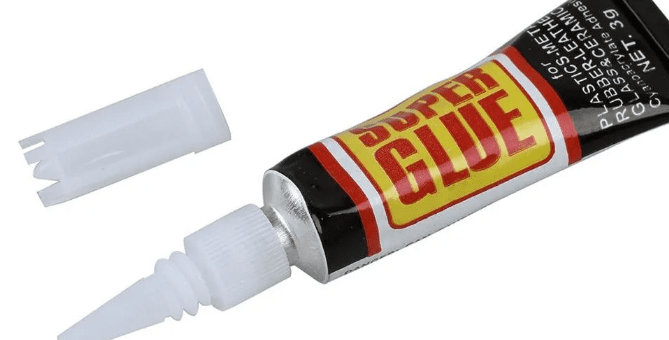
The question of whether super glue is a viable emergency nail fix comes up constantly — and the answer is genuinely more nuanced than most beauty guides present it. The short version is that super glue and nail glue share a key ingredient, which explains why super glue works on nails at all. The longer version is that they differ in formulation, flexibility, and concentration in ways that matter meaningfully for your nail health, your skin safety, and your ability to remove the product afterward without causing damage.
Here is everything you actually need to know before you decide.
What Super Glue Actually Is — and Why It Works on Nails
Super glue is cyanoacrylate adhesive. It bonds surfaces through a rapid polymerization reaction that is triggered by the moisture present on almost every surface — including human skin and nails. The bond it forms is extremely strong and extremely fast.
Here is the detail that surprises most people: nail glue is also cyanoacrylate adhesive. The active ingredient is the same. This is why super glue works on nails at all — it is not an entirely different chemical category, it is a different formulation of the same base compound.
The differences are in the specifics of the formulation. Nail glue is specifically formulated for use on keratin (the protein that makes up both nails and natural nail extensions), which means it is tested for skin safety, designed to have some degree of flexibility once cured (important because nails flex with daily use), and formulated to be removable with standard nail solvents. Super glue is formulated for maximum rigid bond strength on industrial and household materials — flexibility, skin safety, and solvent-based removability are not design priorities.
So when you use super glue on a nail, you are using a related but differently prioritized compound for a purpose it was not designed for.
What Actually Happens When You Use Super Glue on Nails
It bonds — strongly and rigidly. Super glue creates a harder, more brittle bond than nail glue because it is not formulated for the micro-flexing that nails undergo constantly during daily activity. Every time the nail bends slightly — picking up objects, typing, opening packaging — the rigid super glue bond works against that movement rather than accommodating it.
It traps moisture and creates an environment for potential infection. If the nail is not completely clean and dry when the super glue is applied, moisture can become trapped under the bond. The sealed environment can encourage bacterial or fungal growth, particularly if the nail is applied imperfectly and there are gaps between the artificial nail and the natural nail where moisture accumulates.
Removal becomes significantly more difficult. Because super glue is not designed to respond to nail solvents or acetone in the same way nail glue is, removing it safely is more complicated. Attempting to force off a nail bonded with super glue without proper softening pulls layers of the natural nail plate with it — this is the source of most of the actual nail damage associated with super glue use.
Skin contact causes problems. The skin around the nail, the cuticle, and the nail bed are all exposed during nail application, and super glue bonds to skin almost instantaneously. It can cause contact dermatitis (a reactive skin irritation), chemical burns in higher concentrations, and significant discomfort if it bonds skin surfaces together.
It works — temporarily. In the spirit of honest information: super glue does hold a nail in place. It creates a real bond that will last through the event, the meeting, or whatever the emergency situation was. The problems are in what happens to the nail over the next several days, and particularly in the removal process.
Nail Glue vs. Super Glue: The Meaningful Differences
Both are cyanoacrylate. Here is where they diverge in ways that matter for nail use.
Flexibility. Nail glue contains plasticizers and modifiers that allow the cured bond to flex slightly with nail movement. Super glue cures to a harder, more brittle state. On a rigid surface like wood or metal, this hardness is an advantage. On a nail that bends and flexes, it creates stress at the bond points and eventually causes the artificial nail to pop off or the bond to crack — taking nail surface with it.
Skin safety testing. Nail glue formulations undergo safety testing for incidental skin contact, which is inevitable during nail application. Super glue is tested for industrial and household use, not for deliberate application near mucous membranes and skin that will remain in continuous contact with the product.
Concentration. Super glue typically contains a higher concentration of cyanoacrylate than nail glue. Higher concentration means faster polymerization (instant bonding), which sounds like an advantage but creates more risk of accidental skin bonding and a harder, less flexible final cure.
Removability. Nail glue responds reasonably well to acetone and nail solvents. Super glue, in its standard formulation, is more resistant — removal requires longer exposure to acetone at higher temperatures, and the nail plate is more vulnerable to damage during extended acetone exposure.
Intended purpose. Nail glue is specifically designed to bond artificial nails to natural nails safely and removably. This single fact encompasses all the formulation differences — the design priorities are different because the use case is different.
Safer Alternatives That Actually Solve the Problem
Nail glue — the correct solution. Professional-grade nail glue is widely available at drugstores, beauty supply stores, and online. It is specifically formulated for safe nail use, dries in ten to thirty seconds, creates a strong bond that accommodates nail flex, and removes cleanly with acetone. A small bottle costs between two and eight dollars and lasts for many applications. If you do gel, press-ons, or extensions regularly, keeping a bottle accessible is simply good preparation.
Adhesive nail tabs. Double-sided adhesive tabs designed specifically for press-on nail application create a temporary, genuinely removable bond that causes zero damage to the natural nail. They do not last as long as glue — typically one to three days under normal use — but they are completely safe, require no solvent for removal, and leave the natural nail entirely intact. For an event lasting one evening or a weekend trip, adhesive tabs are often the best choice.
Gel nail glue with UV/LED cure. For a stronger, longer-lasting bond than standard nail glue, a gel-based adhesive that cures under a UV or LED lamp creates an extremely durable bond that is still formulated for safe nail use and removes with standard gel removal methods. If you already have a lamp for gel polish, a gel nail adhesive is worth having available.
Nail repair kits. Most drugstores carry nail repair kits that include a safe bonding agent for fixing cracked or broken natural nails rather than reattaching artificial ones. These are specifically designed for nail use, and the included bonding agents are formulated to work safely with the nail plate.
If Super Glue Is Genuinely the Only Option
If you are in a genuine emergency — an important event starting imminently, no nail glue available, and no realistic way to obtain any in time — here is how to minimize the risk if you decide to proceed with super glue.
Use the absolute minimum amount. A tiny drop, smaller than you think you need. More super glue does not mean a better bond — it means more chemical contact with your nail and skin and a harder removal process later.
Make sure both surfaces are completely clean and dry before application. Any moisture, oil, or residue will compromise the bond and increase the risk of gaps where bacteria can accumulate.
Avoid any skin contact. Apply the super glue only to the artificial nail before pressing it onto the natural nail. If super glue contacts the skin, do not pull — see the removal instructions below.
Treat it as a temporary measure only. Remove it properly within twenty-four to forty-eight hours using the method below, and replace it with nail glue at the first opportunity.
This is a harm reduction approach to a genuinely inadvisable choice — it does not make super glue a good option for nails, it just makes it a slightly less damaging one in an emergency.
How to Remove Super Glue From Nails Without Damaging Them
If super glue has already been used, the removal process requires more care and more patience than standard nail glue removal. The key principle is the same as with any nail adhesive removal: soften before you separate. Force is what causes damage.
Do not peel, pull, or force anything. This cannot be emphasized strongly enough. Super glue bonded to a nail is attached to the nail plate surface — pulling the artificial nail off without proper softening pulls nail plate material with it. The thinning and surface damage that people experience from super glue on nails is almost always from improper removal, not from the super glue itself.
Soak in warm, soapy water first. Warm water alone will not dissolve super glue, but it softens the nail plate slightly and begins to loosen the bond at the edges. Soak for ten to fifteen minutes. Try gentle pressure at the edges with an orangewood stick after soaking — if there is any natural movement, continue to ease gently rather than pulling.
Use acetone or nail polish remover. Acetone does dissolve super glue, though it requires longer exposure than with standard nail glue. Soak a cotton ball or pad in acetone and press against the nail, holding in place with aluminum foil wrap to prevent evaporation. Leave for fifteen to twenty minutes. The super glue should begin to soften and the bond should loosen enough for gentle removal with an orangewood stick. If resistance is still encountered, rewrap and soak for another ten minutes.
Work from the edges inward. Once the bond has softened, ease the orangewood stick under the edge of the artificial nail and work gently around the perimeter. The goal is to separate the bond progressively without any single point of high force. If any point resists, stop and resoak that area rather than increasing pressure.
For super glue on skin: Warm soapy water and gentle rolling of the bonded skin (never pulling) is the first approach. Acetone or nail polish remover applied with a cotton swab softens super glue on skin and allows gentle separation. If two skin surfaces are bonded together, do not attempt to pull them apart — use acetone or nail polish remover on the bonded area and gently roll or ease the surfaces apart as the bond softens.
Aftercare is essential. After removing super glue from the nail using acetone, apply cuticle oil generously and immediately. The nail plate will be dehydrated from the acetone exposure and the stress of the bond. Follow with a nail strengthener or treatment and continue daily cuticle oil application for at least a week.
The Bottom Line on Super Glue and Nails
Super glue will hold a nail. That is factually true. Whether it should be used on nails is a different question.
For a true single-use emergency where no alternative is available, the minimum amount of super glue used carefully and removed properly within twenty-four to forty-eight hours is unlikely to cause permanent damage. The risks are manageable if the approach is careful and the removal is done correctly.
For regular use or as a substitute for proper nail glue, super glue is a genuinely bad idea. The cumulative effects on nail plate integrity, the difficulty of safe removal, and the availability of better alternatives at minimal cost all point clearly toward keeping proper nail glue stocked rather than relying on super glue as a workaround.
Your nails tolerate a surprising amount of use and treatment — but they are also genuinely vulnerable to products that were not designed with their specific chemistry and mechanics in mind. Nail glue exists precisely because nails need something different from what general-purpose adhesives provide. That distinction matters.
Is super glue the same as nail glue?
They share the same active ingredient — cyanoacrylate — but differ in formulation. Nail glue contains modifiers for flexibility and skin safety that super glue does not, and it is specifically designed for the bond-and-remove cycle of nail applications. Super glue is formulated for maximum rigid bond strength on industrial surfaces. The shared base ingredient is why super glue works on nails at all; the formulation differences are why it causes more problems than nail glue.
Can super glue damage your natural nails?
Yes, primarily through the removal process rather than the application itself. Super glue that is forced off a nail without proper softening pulls nail plate material away with it, causing thinning and surface peeling. The rigid cure of super glue also creates stress fractures at the bond points during normal nail flexing, which can cause the artificial nail to detach suddenly and take nail surface with it. Proper removal using acetone and patience minimizes but does not completely eliminate these risks.
How do you get super glue off nails?
Soak in warm soapy water for ten to fifteen minutes to soften the bond at the edges. Then soak a cotton pad in acetone, press against the nail, and wrap in aluminum foil for fifteen to twenty minutes. Use an orangewood stick to gently ease the bond from the edges inward, working gradually and resoaking any areas of resistance. Never pull or force. Apply cuticle oil generously after removal to replenish moisture lost during the acetone exposure.
What is the best emergency nail fix if I do not have nail glue?
Adhesive nail tabs are the safest emergency alternative — they create a temporary bond with zero damage risk and remove cleanly without any solvent. They are available at most drugstores and beauty supply stores for a few dollars. If adhesive tabs are not available, super glue in the absolute minimum amount, removed properly within twenty-four hours, is less damaging than most people expect when done carefully. Replacing the super glue with proper nail glue at the first opportunity is important.
Can super glue cause an allergic reaction on nails or skin?
Yes. Cyanoacrylate adhesives, including both super glue and nail glue, can cause contact allergic dermatitis in some people — a reactive skin irritation that may not appear on first exposure but develops with repeated contact. Super glue’s higher concentration of cyanoacrylate and the absence of skin-safety formulation testing makes this risk slightly higher than with specifically formulated nail glue. If you experience redness, itching, or swelling after nail glue or super glue exposure, discontinue use and consult a dermatologist.