17 Honey Brown Balayage Ideas That Add Warm Dimension Without Looking Overdone
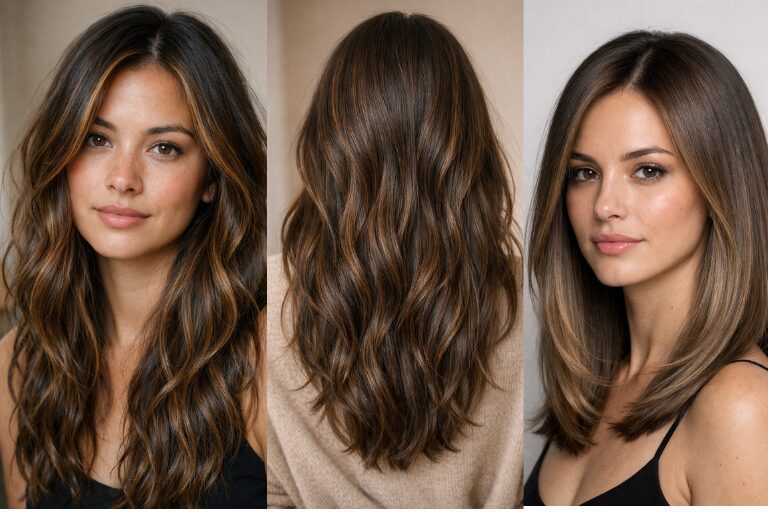
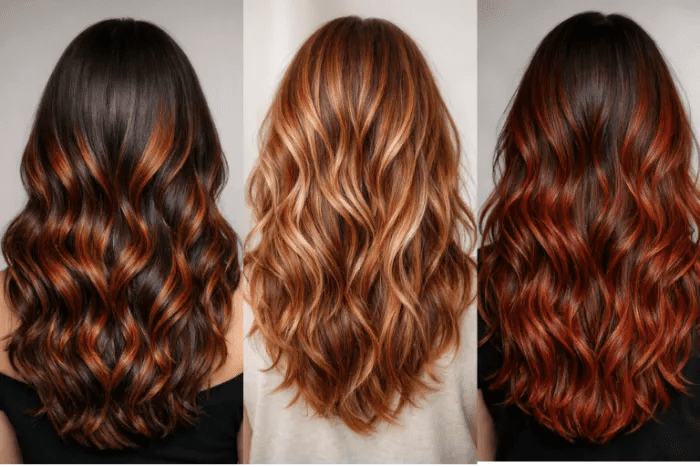
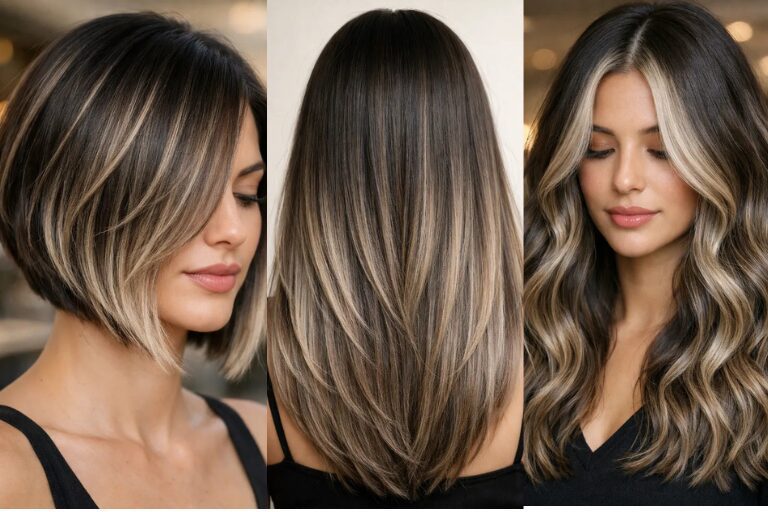
Honey brown balayage occupies a specific and particularly useful position in the color spectrum — it’s the sweet spot where color becomes visible enough to make a difference while remaining subtle enough to look completely natural. Not quite golden enough to read as obviously highlighted, not quite brunette enough to leave hair looking flat and one-dimensional. Just warm, rich, and deeply dimensional in the way that the very best versions of dark hair look when they’re catching the right light.
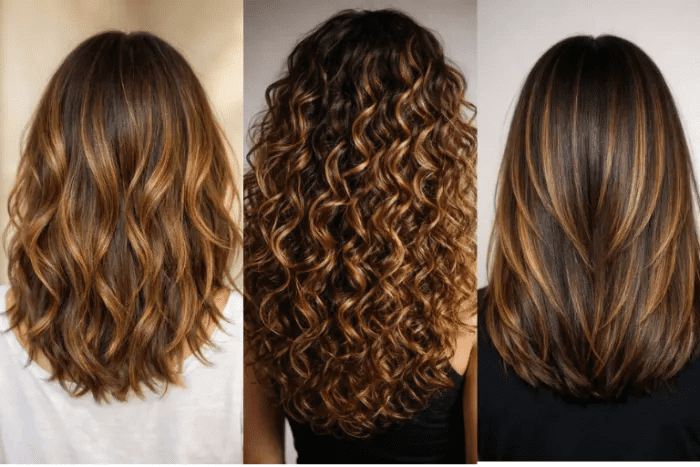
What makes honey brown balayage so broadly flattering is its relationship to dark hair’s natural pigment. The warm amber and honey tones in honey brown balayage sit within the same warm color family as dark brown hair’s natural undertone, which means the transition from dark base to honey highlight reads as organic rather than imposed. The result looks like something the sun did to your hair rather than something a colorist did, which is exactly the quality that separates expensive-looking color from obvious color.
The 17 ideas below demonstrate every application of that principle — from barely-there warmth on straight hair to defined honey dimension through curls and waves — so you can find the version that suits your specific hair texture, length, and maintenance preference.
What Makes Honey Brown Balayage Work
Two technical decisions determine how well honey brown balayage performs on any given head of hair.
Placement relative to the root. Honey brown balayage that starts at the mid-length keeps the root completely natural and makes the grow-out virtually invisible. Honey brown that starts higher — at or near the root — is more visible and more impactful but requires more frequent maintenance to prevent an obvious regrowth line from developing. Most of the styles on this list use mid-length to end placement because that approach produces both the most natural-looking and the most maintenance-forgiving result.
Tonal direction within the honey-brown range. Honey brown isn’t a single shade — it’s a warm color family that spans from deep amber-brown through rich honey to golden honey at its lightest. Deeper amber-honey reads as rich and moody. Mid-range honey reads as warm and sunlit. Golden honey reads as bright and summer-toned. The right position within that range depends on your base color, your skin tone, and how much visible warmth and brightness you want the color to contribute.
17 Honey Brown Balayage Ideas
1. Airy Bob With Honey Brown Balayage
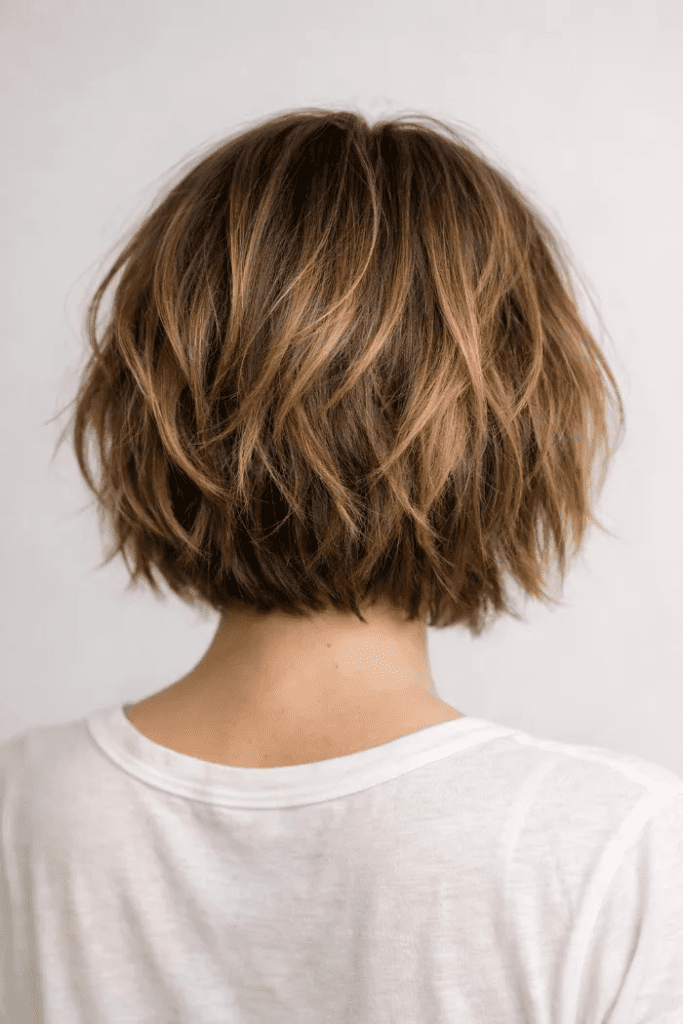
A softly layered bob with honey brown tones blended through the mid-lengths — the airy quality of the layered bob gives the balayage room to move through the cut naturally rather than sitting as a block of color in the lower section. The honey tones add warmth without overpowering the cut’s lightness and texture, and the overall impression is one of naturally warm, healthy hair rather than obviously highlighted hair.
Ask for: Honey brown placement through the mid-lengths with a soft, feathered root melt. The placement should follow the movement of the layered cut rather than sitting in defined horizontal sections.
Best for: Bob wearers who want warm dimension that enhances the cut’s shape rather than competing with it. Works on most bob textures from straight to wavy.
2. Naturally Curly Hair With Honey Brown Balayage
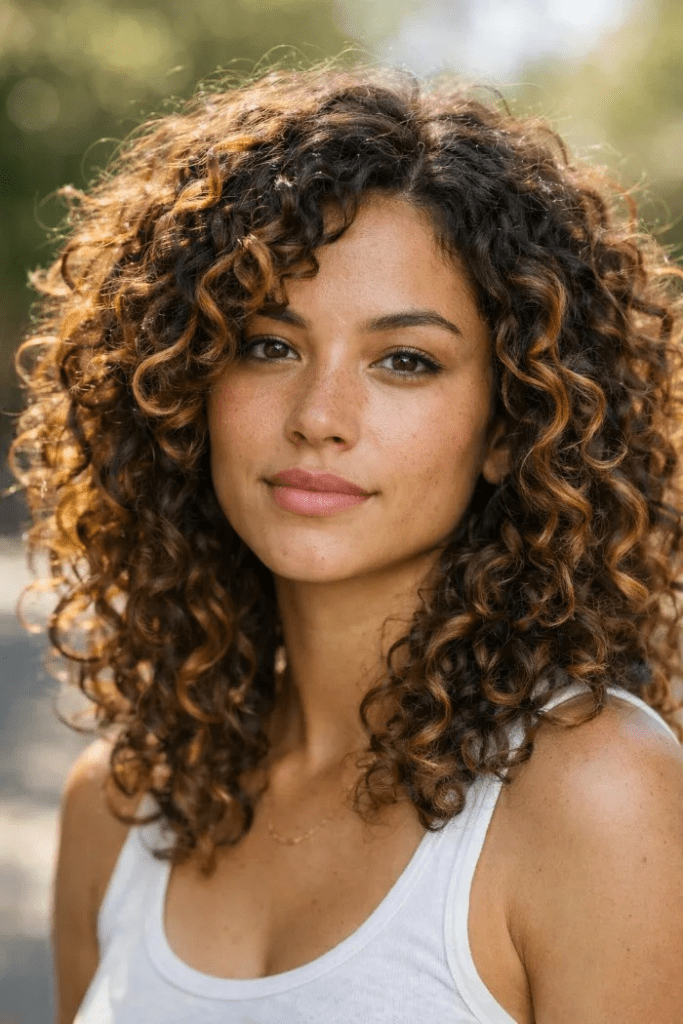
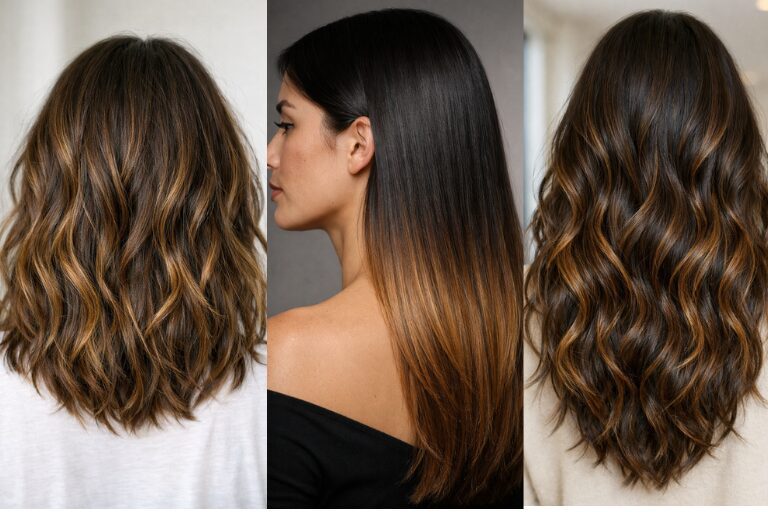
Honey brown highlights worked through natural curls in a way that follows the curl’s pattern rather than sectioning in the traditional horizontal way — this curl-pattern-following placement is what produces the most natural-looking and most dimensionally flattering result on curly hair. The lighter pieces catch light as the curls move, adding depth and softness without breaking up curl definition or creating a patchy, uneven color distribution.
Ask for: Placement that follows the natural curl pattern rather than standard horizontal sectioning. Lighter pieces primarily on the outer curl surfaces where they catch the most light. A curl cream for definition that allows the honey tones to show within the curl structure.
Best for: Natural curl wearers who want honey brown balayage that works with their texture’s natural behavior. Works across loose to medium curl patterns.
3. Defined Curls With Honey Brown Dimension
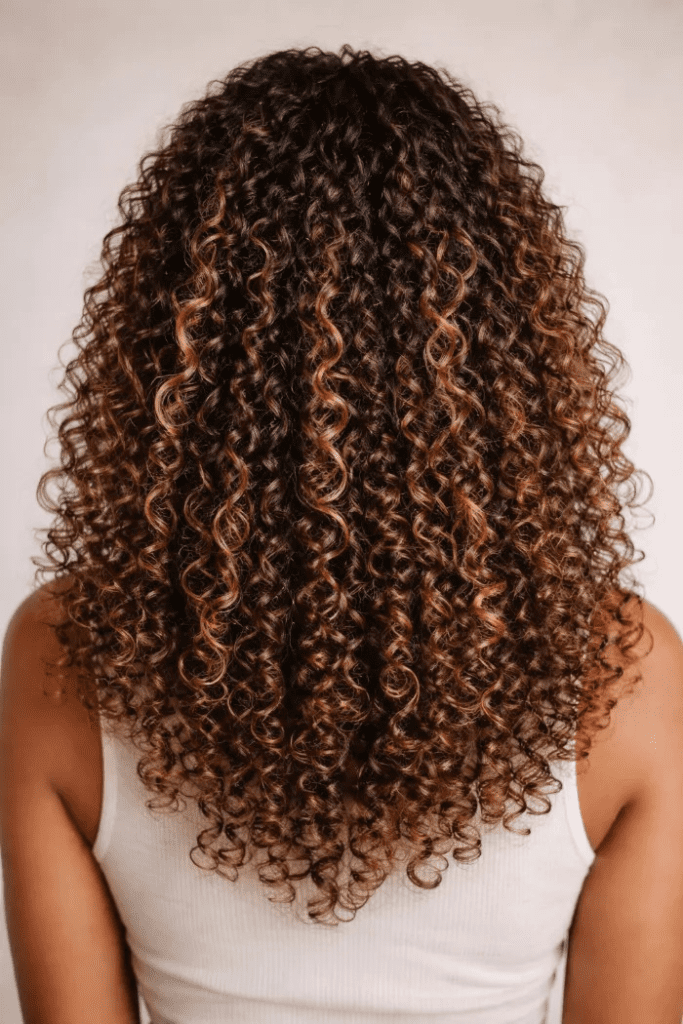
Fine honey brown strands placed primarily through the outer curl layers — the outer layer placement is specifically effective for defined curls because the outer surface of each curl is what’s most visible and catches the most light. The contrast is subtle but clearly noticeable, helping each curl stand out individually while the honey tones blend smoothly back into the darker base through the inner curl sections.
Ask for: Fine honey strands on the outer curl layers specifically, with the inner layers left at the natural dark base for depth contrast. The color should enhance individual curl definition rather than creating a general overall lightness.
Best for: Those with highly defined curls who want color that amplifies the curl pattern’s visual interest. Works on most defined curl and coil textures.
4. Soft Curly Layers With Honey Brown Balayage
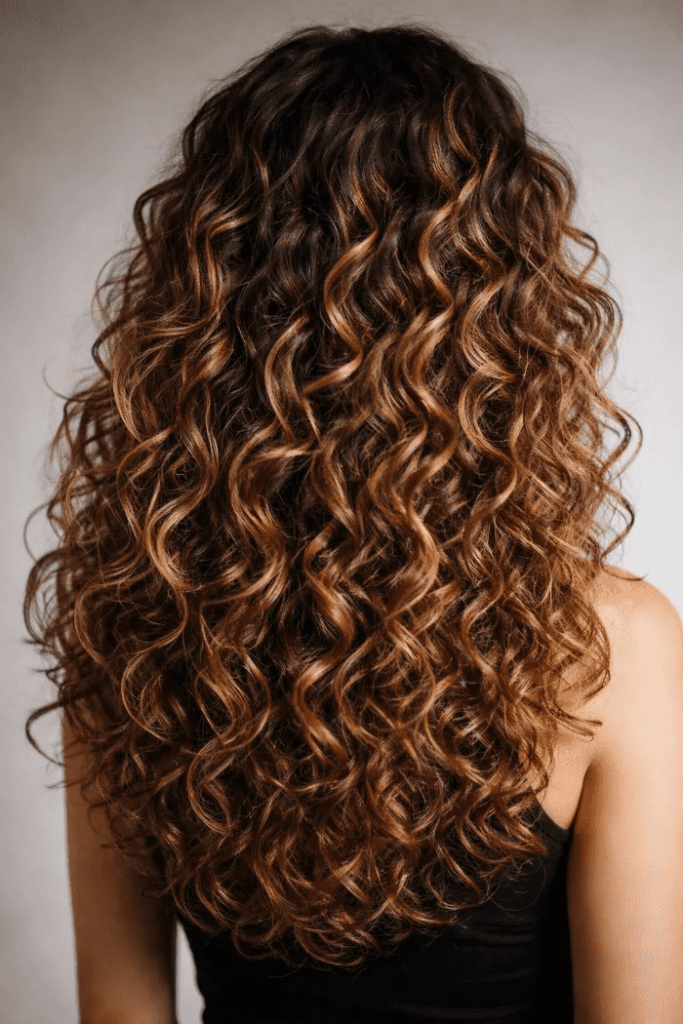
Honey brown balayage focused on the mid-lengths and ends of curly layered hair — the mid-length and end focus specifically keeps the roots looking natural and makes regrowth virtually invisible, while the warm honey tones give the curls a sun-kissed movement quality that flat, single-tone curly hair doesn’t have.
Ask for: Mid-length to end placement with the root kept completely natural. Honey rather than golden honey — warmer and deeper, which complements curly hair’s natural texture.
Best for: Curly-haired women who want their color to look completely natural at the root while adding noticeable warmth and dimension through the lengths.
5. Golden Honey Brown on Loose Waves
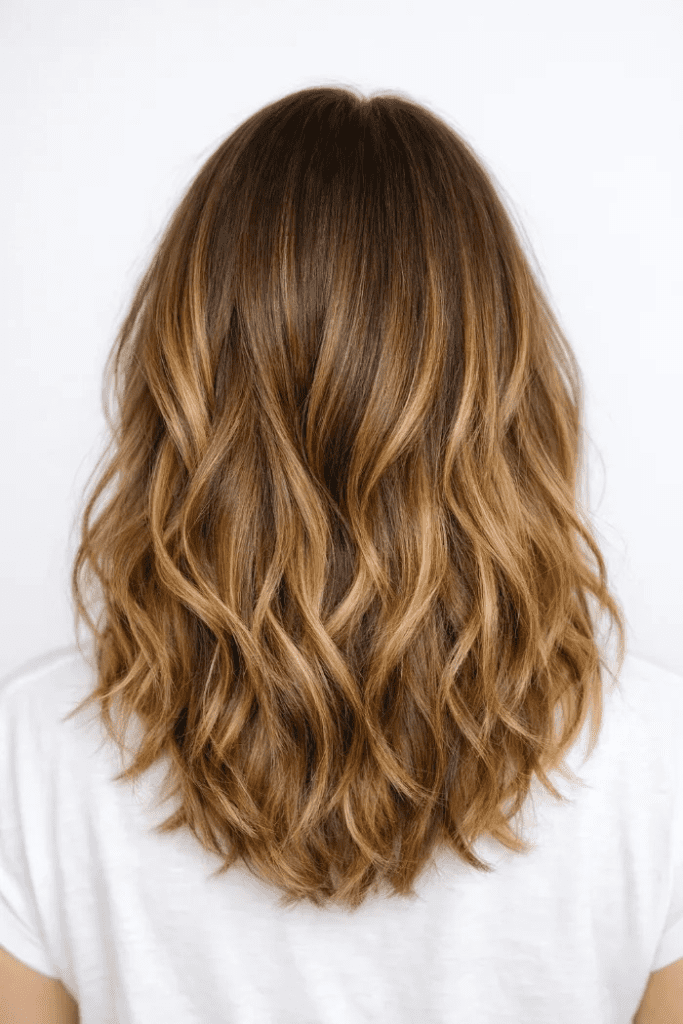
A warmer, more golden direction within the honey brown family on loose, relaxed waves — the golden honey tones are slightly brighter and more yellow-warm than standard caramel-honey, which creates a more obviously sunlit effect. The loose wave styling allows the graduated color transition to show from every angle as the hair moves.
Ask for: A warm golden toner rather than a neutral or amber one — the golden direction is specifically what creates the sunlit quality. A gradual, seamless transition rather than any defined starting line for the color.
Best for: Those who want honey brown balayage in its most luminous and summer-toned expression. Works on medium to long loose waves.
6. Honey Brown Balayage With Subtle Gradual Transitions
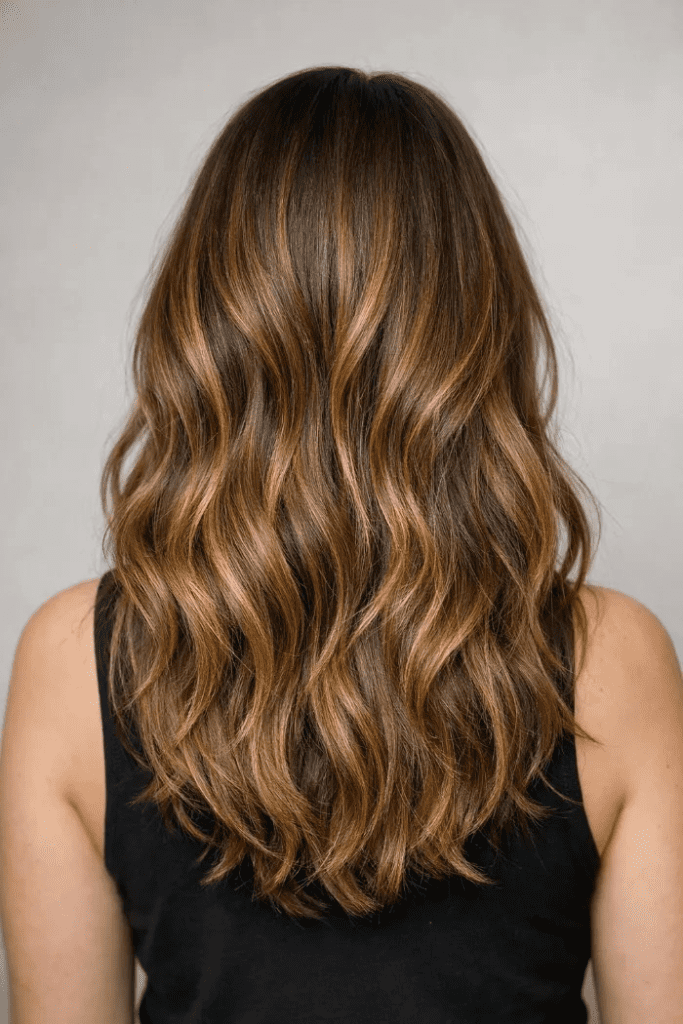
A very gradual, softly layered honey brown color blend where the darker base transitions into honey tones over an extended section rather than in a defined transition zone — this approach produces the most naturally blended result available in the honey brown balayage family, with regrowth that’s essentially invisible because there’s no defined boundary between where the natural color ends and the highlighted color begins.
Ask for: A gradual blend rather than a sharp melt or visible transition. The softer the transition, the lower the maintenance requirement. Ask for placement that softens contrast rather than creating it.
Best for: Those who want the lowest possible maintenance honey brown result. Works for women who want to go as long as possible between appointments without any visible grow-out.
7. Honey Brown Bob With Soft Highlights
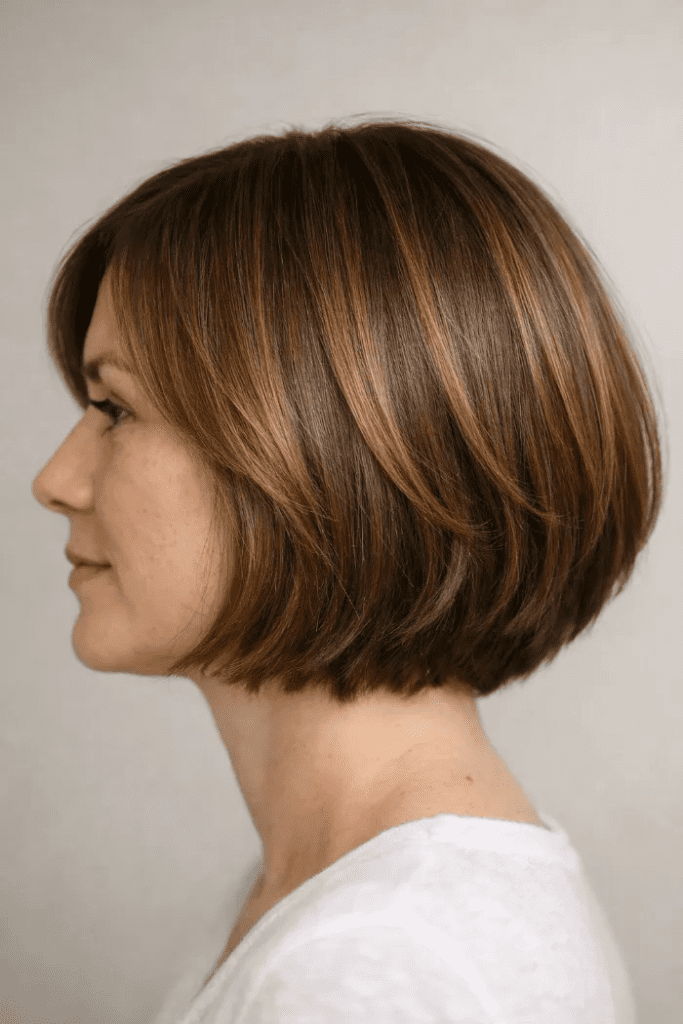
Fine honey brown highlights placed through a classic bob to add dimension to the cut without distracting from its shape — the precision of the bob’s outline means any color placed within it is clearly visible against the clean structure, so even fine, subtle highlights make a meaningful difference to the overall impression.
Ask for: Fine highlights rather than wide ribbons — the bob’s structure amplifies color visibility, so a lighter application produces a more appropriate result. The highlights should enhance the bob’s shape rather than create a color statement within it.
Best for: Bob wearers who want dimension that reads as cleaner, more refined hair rather than obviously highlighted hair. Works on straight to slightly wavy bobs.
8. Honey Brown Balayage on Medium-Length Layers
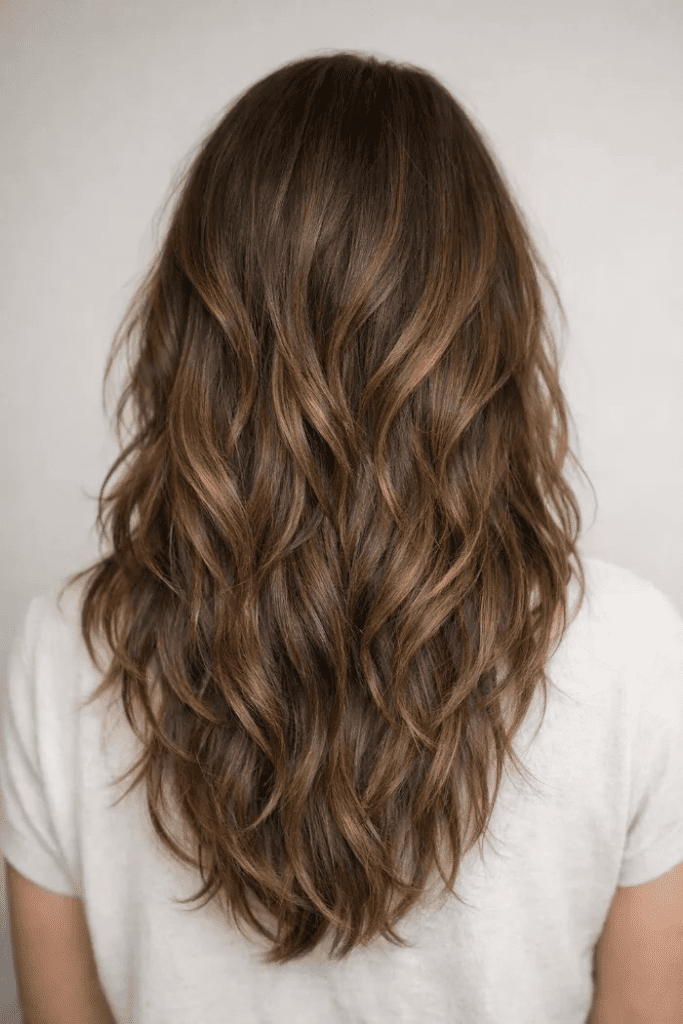
The layered cut gives the honey brown balayage room to show through movement rather than through contrast alone — each layer that catches light shows a slightly different tone, creating dimensional variety that a single-length cut with the same color placement wouldn’t produce. Lighter concentration toward the ends keeps the roots natural.
Ask for: Honey brown placement with the lighter concentration toward the ends of the layers. The layering itself distributes the color visibility across multiple levels, so a relatively restrained placement produces a generous visual result.
Best for: Medium-length layered hair wearers who want color that shows through movement. Works across straight, wavy, and softly textured medium lengths.
9. Loose Waves With Honey Brown Placement
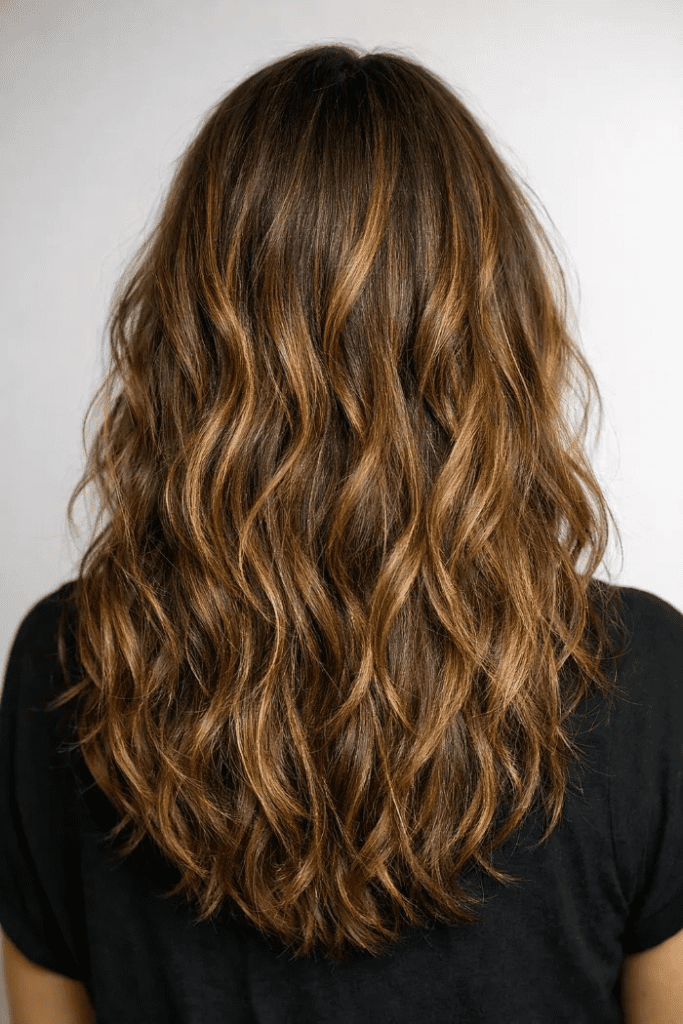
Honey brown tones blended through loose waves in a relaxed, natural placement that feels casual rather than precise — the looseness of the wave styling matches the casual quality of the color placement, creating a result that reads as effortlessly warm rather than carefully colored. The waves help the highlights catch light without requiring any specific styling to show the color well.
Ask for: Relaxed, natural-feeling honey placement rather than precisely sectioned application. The color should look like it belongs to the hair rather than having been applied to it.
Best for: Those who want warm, natural-looking dimension with a genuinely effortless aesthetic. Works on most loosely wavy hair textures.
10. Precise Honey Brown Balayage With a Polished Finish
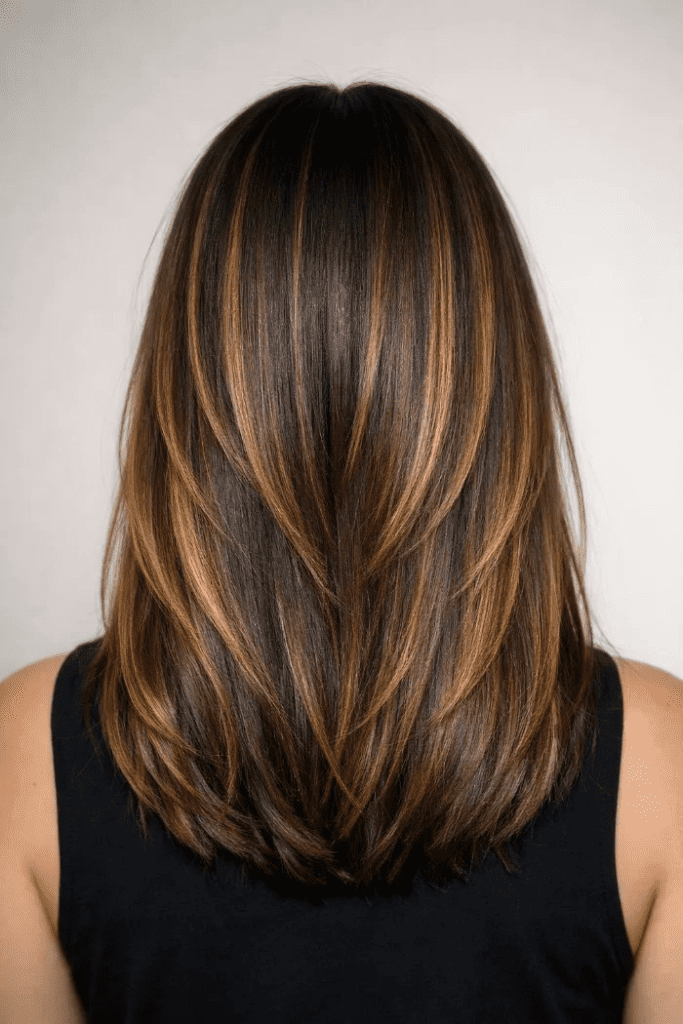
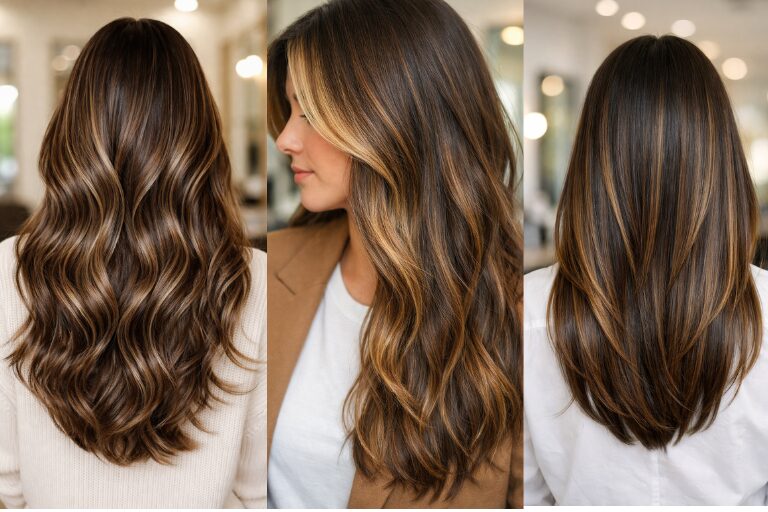
A more controlled honey brown balayage with clean, evenly placed honey ribbons through the lengths — this approach produces a more structured and polished result than the relaxed and organic placements elsewhere on this list. The darker base remains clearly visible between the honey ribbons, maintaining depth and contrast while the ribbons themselves add a refined, considered dimension.
Ask for: Clean honey brown ribbons placed with more deliberate spacing than a loose balayage application. The result should look controlled and intentional — polished rather than casual.
Best for: Those who want their honey brown balayage to have a precise, salon-fresh quality at all times. Works particularly well on straight or sleek-styled hair where the precision of the placement is most clearly visible.
11. Warm Honey Brown Balayage With Natural Flow
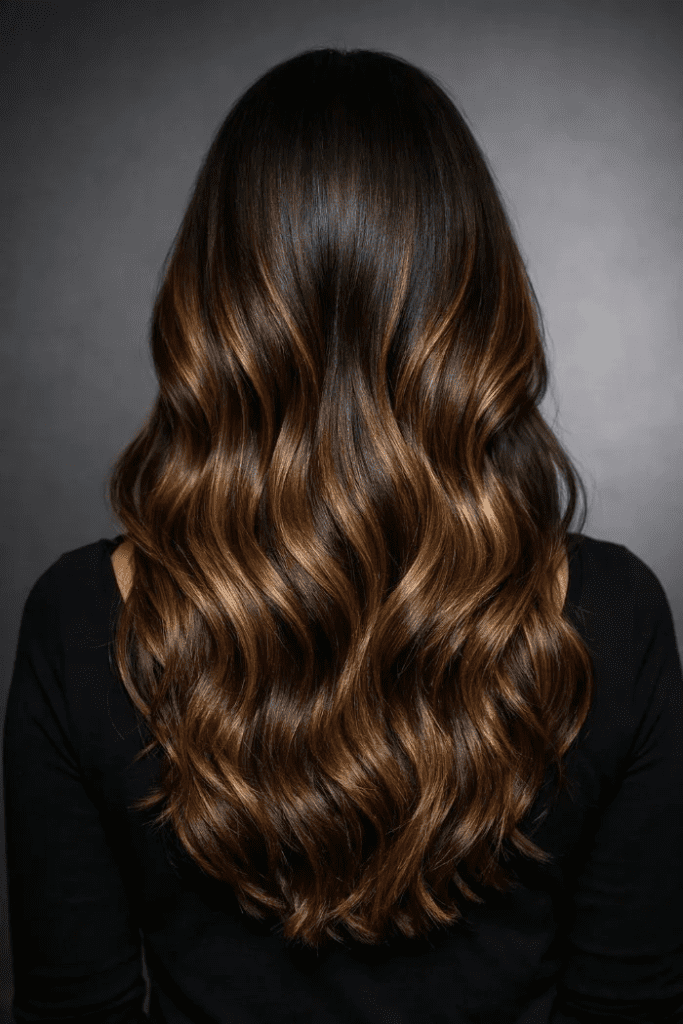
Honey brown tones blended specifically to follow the hair’s natural growth direction and movement pattern — this placement approach produces the most cohesive and naturally integrated result because the color follows the hair’s own logic rather than imposing a separate pattern over it. The warm tones flow naturally from the root area downward in a way that looks like warmth built into the hair’s structure.
Ask for: Ask your colorist to observe your natural hair movement and flow before applying, and to follow that pattern in the color placement. The goal is honey tones that look like part of the hair’s natural variation rather than highlights applied over it.
Best for: Those who want the most organically natural-looking honey brown result. Works on most hair types and lengths when executed by a skilled balayage colorist.
12. Honey Brown Balayage on a Shoulder-Length Lob
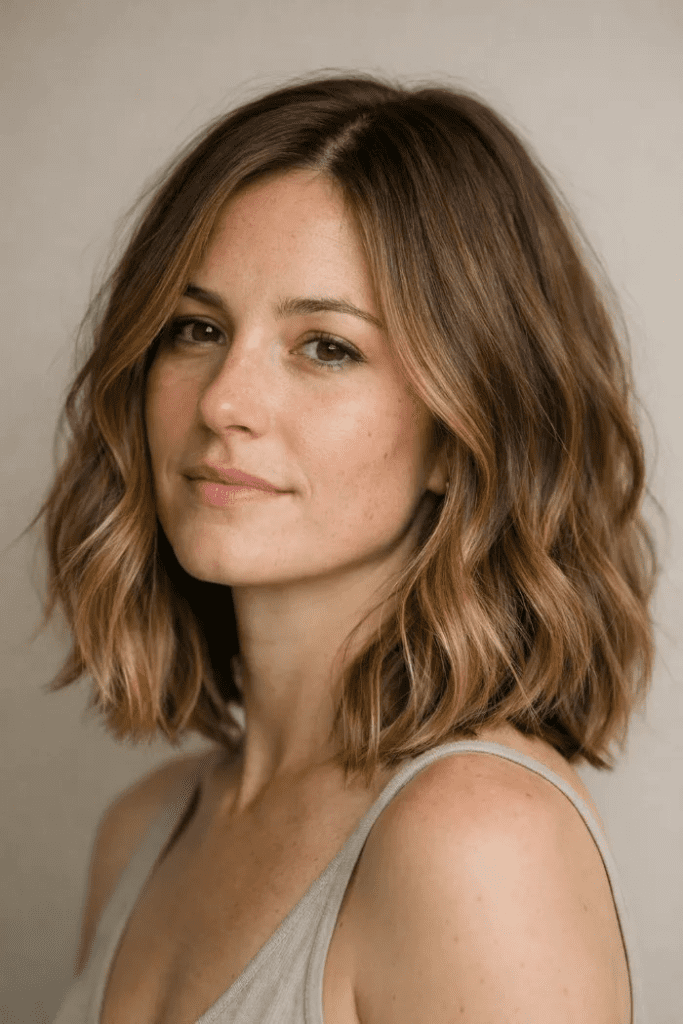
Honey brown tones placed primarily through the outer layers of a shoulder-length lob — the lob’s length provides enough canvas for the color to develop from a soft root through to warm honey ends without the transition feeling rushed or compressed. The outer layer concentration keeps the brighter tones visible while the inner layers maintain depth.
Ask for: Outer layer concentration rather than throughout all layers — the surface visibility is what matters on a lob, and concentrating the honey on the outer sections produces maximum visibility with minimal overall lightening. A root shadow that keeps the crown naturally dark.
Best for: Lob wearers who want honey brown that reads clearly through their length without being applied extensively throughout the entire head.
13. Lived-In Honey Brown Balayage
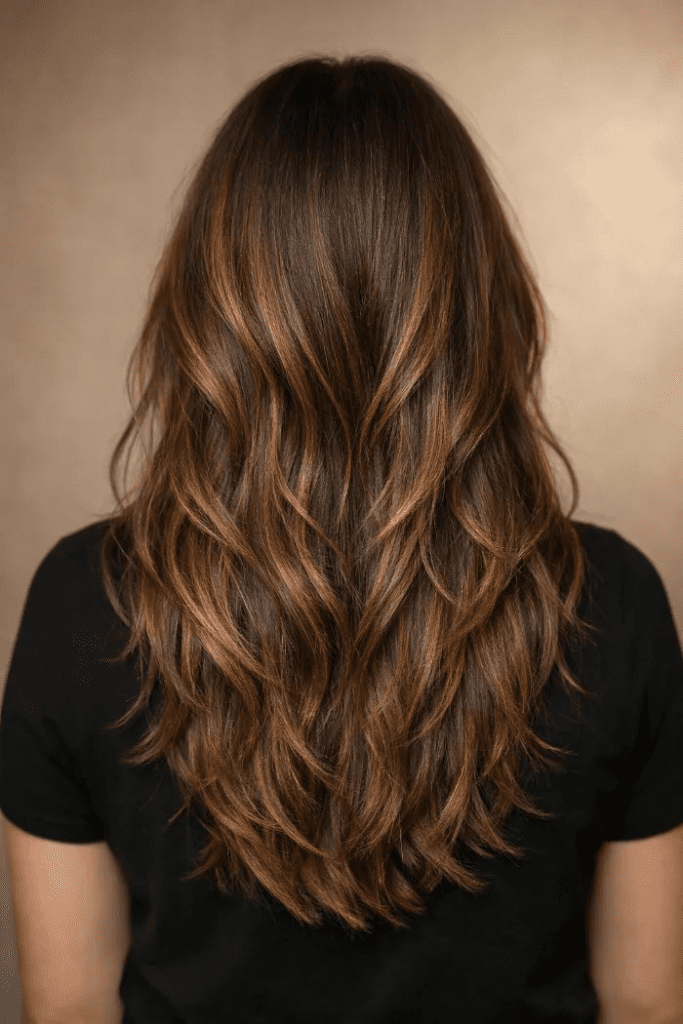
Intentionally understated honey brown placement through the mid-lengths that creates the impression of color that’s been there for months rather than freshly applied — this lived-in approach is the one that looks best precisely between appointments rather than immediately after them. The deliberate understatement is the point.
Ask for: Soft honey tones layered through the mid-lengths in a way that reads as natural and settled-in rather than freshly applied. The colorist should specifically aim for a placement that looks better after a few weeks of grow-out than it does on application day.
Best for: Those who want color that consistently looks natural and unfussy rather than salon-fresh. The most genuinely low-maintenance approach on this list.
14. Subtle Honey Brown Balayage for Straight Hair
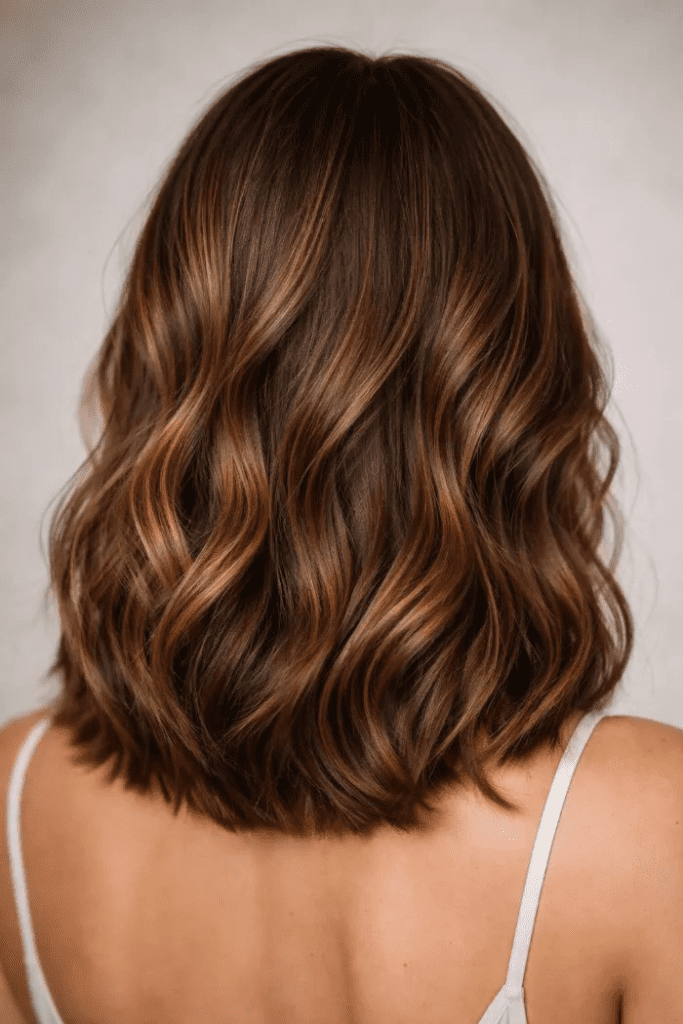
On straight hair where every highlight is clearly visible against the flat surface, honey brown is kept soft and minimal — fewer sections, lighter lifting, a more neutral honey direction that reads as depth and shine rather than obvious highlights. The gentle transition adds dimension through the lower lengths while keeping the overall impression clean and polished.
Ask for: Soft, minimal placement with a neutral-warm honey direction rather than bright golden honey. The straight styling shows every highlighted section clearly, so lighter application produces a more appropriate level of visibility than the same placement would on textured hair.
Best for: Straight-haired women who want honey brown dimension without any risk of the color reading as overly highlighted or striped on the flat hair surface.
15. Honey Brown Balayage With Face-Framing Pieces
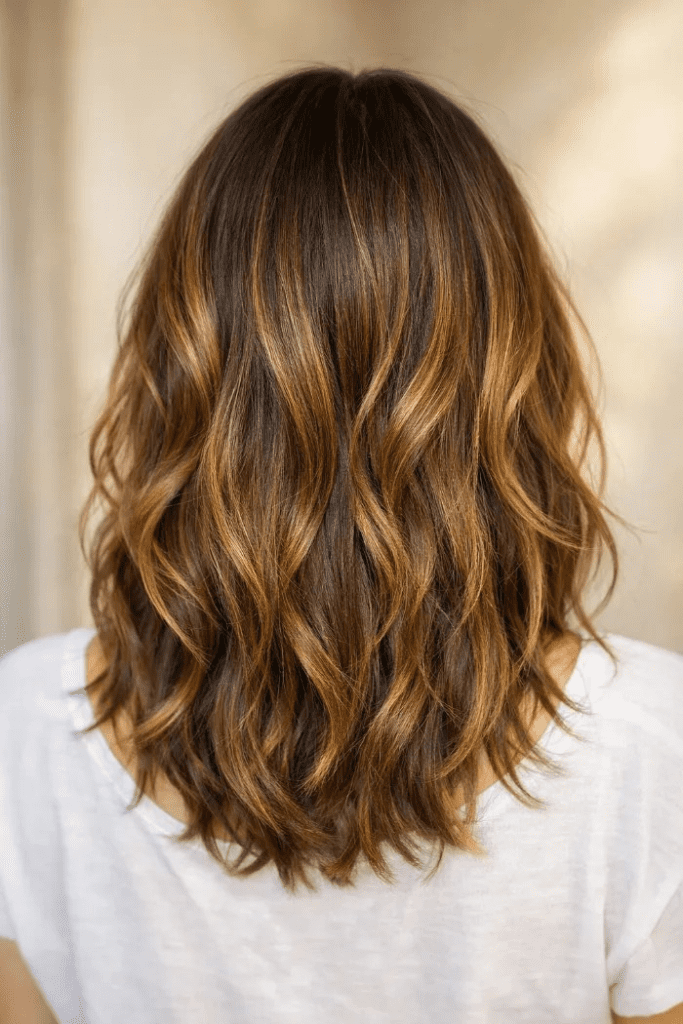
Lighter honey brown strands concentrated around the front face-framing sections with the rest of the color staying soft and blended through the lengths — the face-framing placement puts the warmth where it creates the most immediate and flattering effect, near the eyes and cheekbones where light reflects most noticeably, without requiring significant overall color coverage.
Ask for: Honey placement specifically at the face-framing sections with a soft melt or shadow root at the front to prevent a hard starting line. The rest of the lengths can stay at a softer, less lifted honey tone for balance.
Best for: Those who want the most face-brightening effect from honey brown balayage with the least overall color coverage. A strong option for those who want high impact from a conservative amount of lifting.
16. Soft Curly Layers With Warm Honey Brown
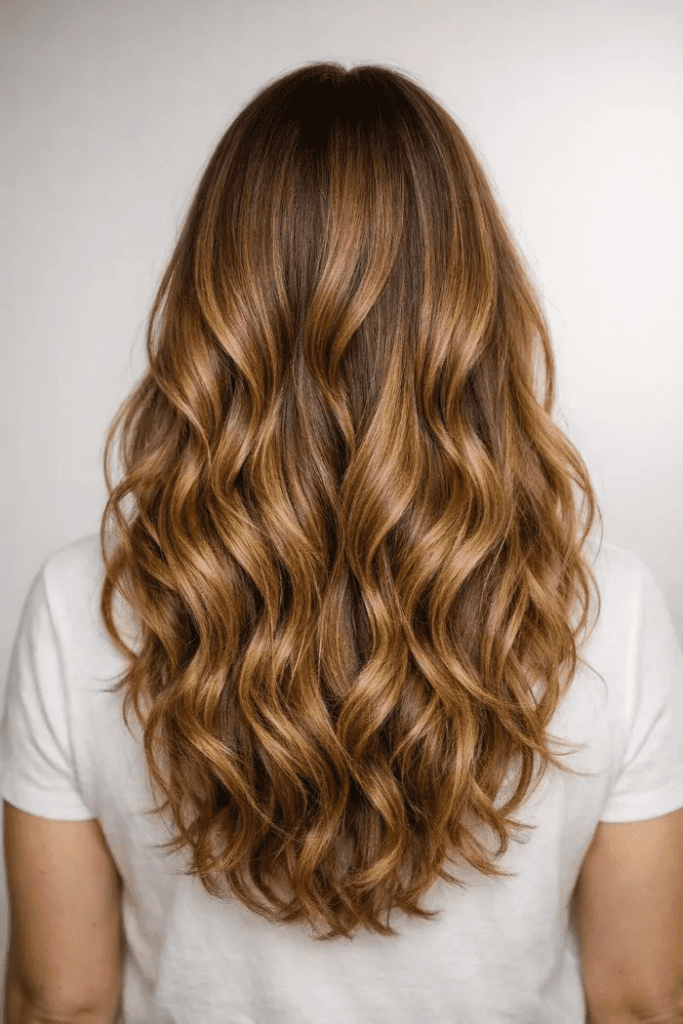
A variation on the soft curly layer placement with an emphasis specifically on the warm quality of the honey tone — this version uses a slightly deeper, more amber-honey direction rather than a bright or golden honey, which suits curly hair’s natural richness and prevents the color from reading as too light or too contrast-heavy against the dark curl base.
Ask for: A warm amber-honey toner direction rather than a bright or golden one. Mid-length and end placement that keeps the roots completely natural. Movement-based styling — scrunch rather than brush — to show the honey tones within the curl definition.
Best for: Curly-haired women with darker bases who want honey brown warmth that reads as rich rather than bright against their natural color.
17. Classic Honey Brown Balayage With Smooth Dimension
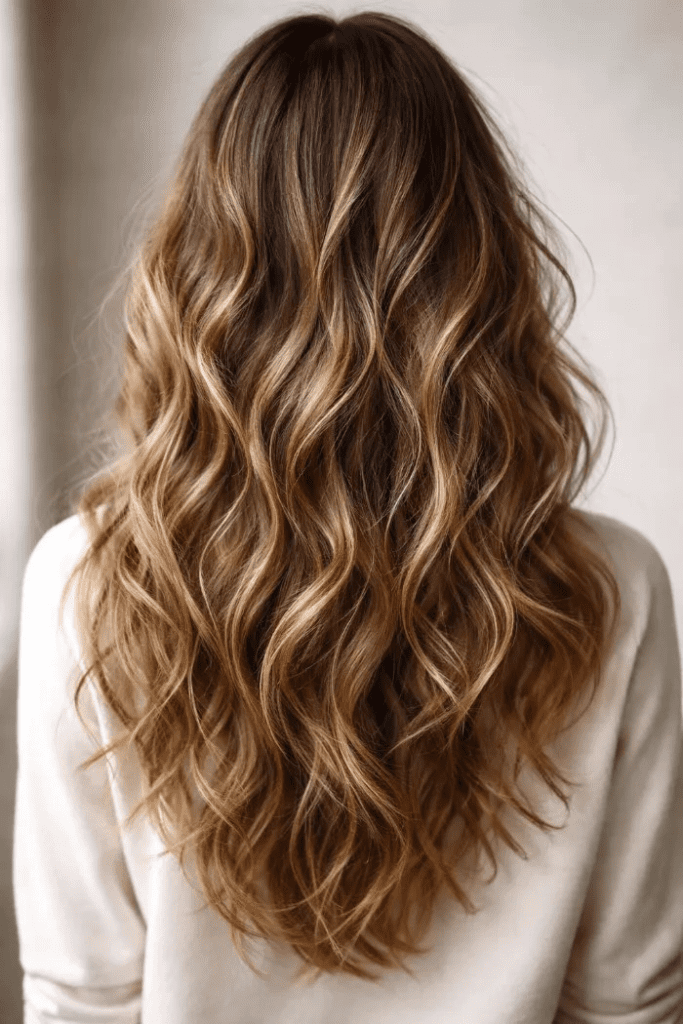
A clean, smooth honey brown balayage using an even, well-distributed blend that reads as versatile and universally appropriate — this is the foundational honey brown balayage approach, the one that works for most hair types, most face shapes, and most lifestyle contexts. The smooth, even blend produces consistent dimension from every angle rather than a look that’s specifically designed for any one styling approach or viewing context.
Ask for: A smooth, even distribution of honey brown through the lengths with no obvious thicker or thinner sections. A balanced approach that adds dimension rather than highlights. Versatile enough to look good straight, waved, or in an updo.
Best for: Those who want a reliable, broadly flattering honey brown result that works for their hair in every context. The clearest and most direct expression of what honey brown balayage is designed to accomplish.
Final Thoughts
Honey brown balayage is at its best when it’s doing quiet, consistent work — adding warmth where the hair looks flat, creating dimension where a single shade looks one-dimensional, brightening the face at the framing sections where warmth matters most. It’s not trying to transform the hair into something dramatically different from what it naturally is. It’s trying to make the hair look like the most beautiful version of itself.
The right version from this list depends on your hair’s texture, how much maintenance you want to commit to, and how visible you want the color to read. Curly and wavy textures show honey brown at its most dimensional and most naturally beautiful. Straight hair shows it at its most precise and most refined. Mid-length and end placement gives the longest appointment gap. Face-framing placement gives the most immediate visual impact. The combination that suits you best is the one that makes your specific hair look most like the ideal version of itself.
Is honey brown balayage genuinely low maintenance?
Yes — particularly when the placement starts at the mid-length rather than near the root. The absence of a defined root line means there’s no obvious regrowth to manage, and most honey brown balayage clients can comfortably go twelve to sixteen weeks between full color appointments. A warm-toned gloss every six to eight weeks refreshes the honey tones between color visits without requiring relighting.
Does honey brown balayage work on very dark brown or black hair?
It does, with the understanding that darker bases require more lifting to achieve the honey tone, which may mean more than one session to reach the desired result without brassiness. For very dark hair, a first appointment achieving a deep amber-honey or toasty caramel result is usually more realistic than a full honey brown in a single session. Subsequent appointments can move toward brighter or lighter honey tones once the base is at a more workable level.
How is honey brown balayage different from caramel balayage?
Honey brown and caramel sit in overlapping areas of the warm color spectrum but have a meaningful distinction. Caramel is warmer and more amber-orange, sitting closer to the traditional burnt-sugar color it’s named for. Honey brown is slightly cooler and more golden, sitting closer to the color of actual honey. Honey brown reads as slightly more natural and less obviously warm than caramel on most dark brunette bases, while caramel reads as richer and more deeply warm.
What products help maintain honey brown balayage at home?
A sulfate-free color-safe shampoo extends color vibrancy significantly compared to regular shampoo. A warm-toned color-depositing conditioner used once a week adds the honey tones back as they fade. A clear gloss used at home adds the shine that makes warm balayage look its best. Consistent heat protectant use prevents the thermal exposure that causes warm tones to shift toward brassiness faster than they otherwise would.
How do I communicate honey brown versus golden honey versus caramel to my colorist?
The most effective communication is a combination of photos and descriptive words. Bring two or three reference photos showing the specific warmth direction and contrast level you want. Descriptively, “honey brown” signals warmer-than-neutral but lighter-than-caramel. “Golden honey” signals brighter and more yellow-warm. “Caramel” signals deeper and more amber. If you want the lowest contrast, add “subtle” or “blended.” If you want more visibility, add “ribbons” or “medium contrast.” That combination of photo reference and descriptive language gives your colorist the clearest possible brief.