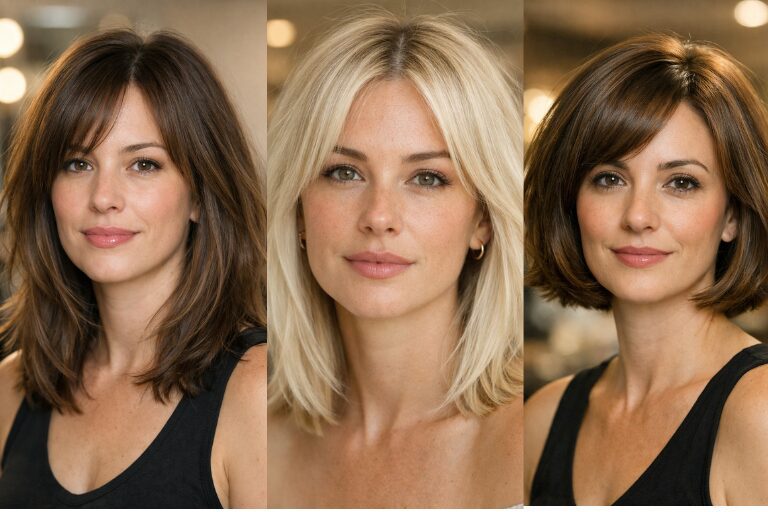
20 Hairstyle Ideas For Long Layered Hair: The Definitive Guide to Dimensional Fullness
Retaining your hard-earned length while avoiding a flat, heavy silhouette is the ultimate goal when searching for the perfect haircut. Executing strategic layers is the most effective method to inject fluid movement, texture, and the illusion of increased hair density into your style. The transformation lies completely in structural placement: high-tier texturizing provides immediate crown volume and aerial bounce, while low-tier perimeter layering preserves the physical weight of your ends for a crisp, high-fashion finish.
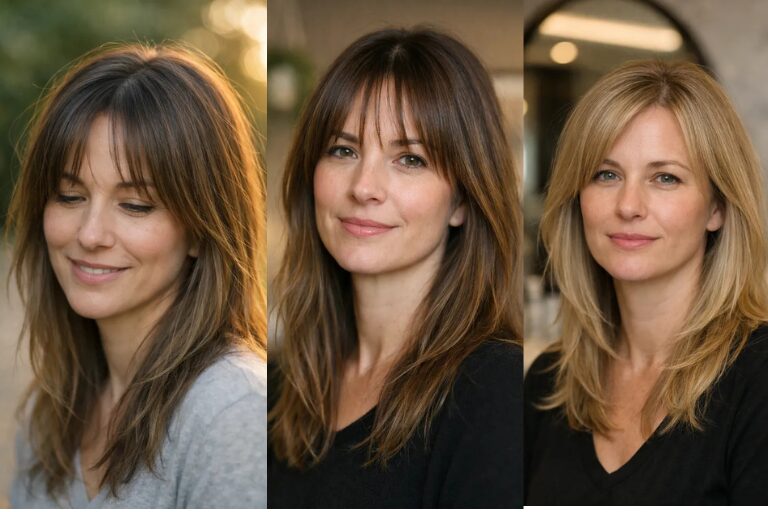
When consulting with your hair technician, the critical foundational decision is determining exactly where your face-framing structural geometry begins. Initiating the shortest layer at the cheekbone delivers a sharp, visually contoured profile; anchoring it at the chin offers a soft, romantic frame; while mapping it to the collarbone provides a seamless transition that preserves your baseline mass.
Below is our masterfully engineered breakdown of 20 high-performance hairstyle ideas for long layered hair, structured to maximize body and movement across all styling routines.
High-Volume Blowouts and Dramatic Face-Framing Geometries
1. The Multi-Tier Butterfly Cut for Soft Movement
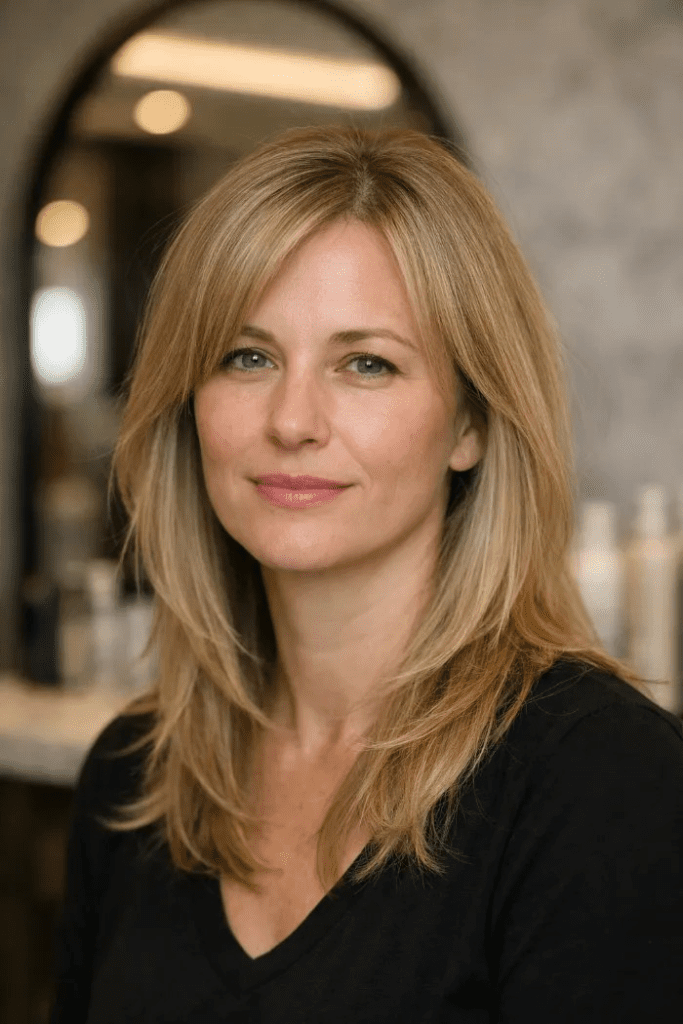
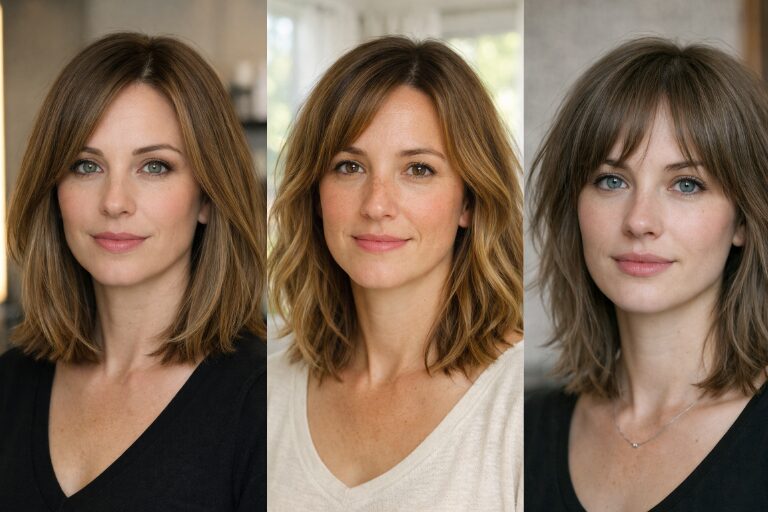
This viral sensation utilizes dramatic, cascading layers to simulate maximum fullness. The interior is divided into two distinct structural zones: shorter, volumetric layers that lift beautifully around the cheekbones, paired with an extended, low-tier baseline that preserves your length. This architecture creates an incredibly airy finish that responds perfectly to large rollers or a round-brush blowout.
2. High-Precision Korean Inspired Long Layers
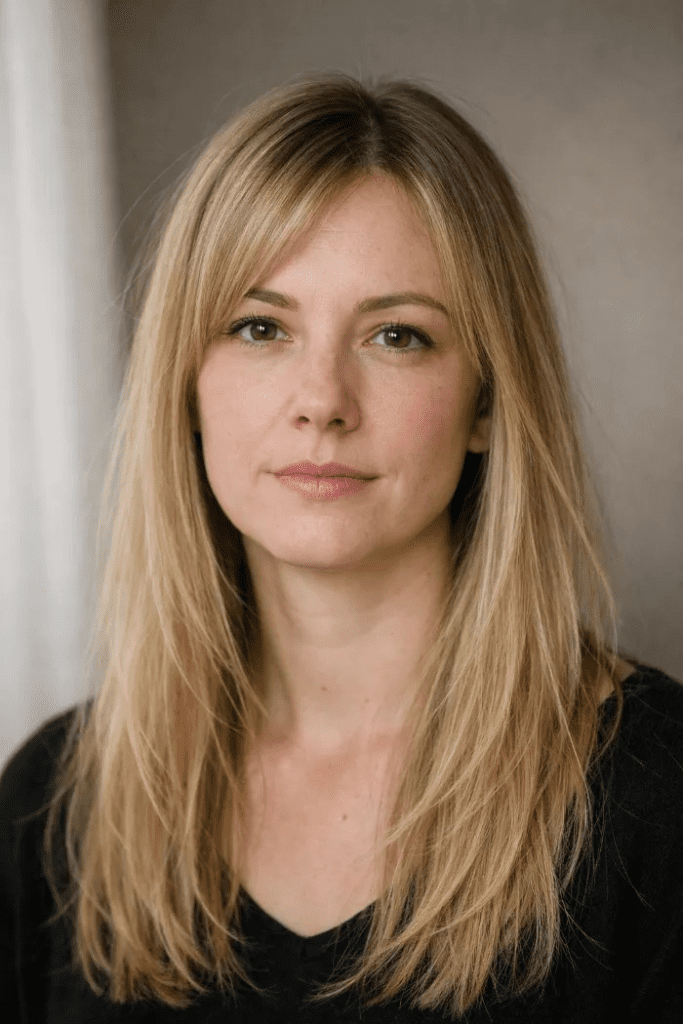
Characterized by an ultra-smooth, lightweight aesthetic, this Eastern-inspired design prioritizes a delicate, fluid weight distribution. The face-framing pieces begin precisely at the chin line and taper down smoothly toward the perimeter, offering an elegant, high-end profile that appears expensive and pristine.
3. Classic Volumetric Layered Blowout with Flipped Ends
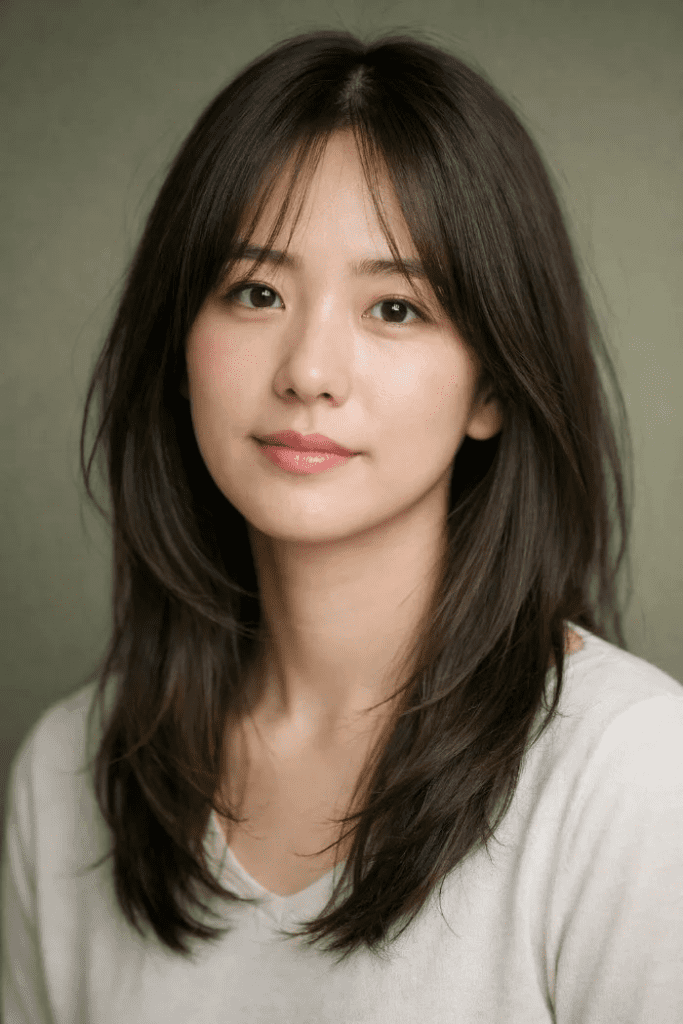
A nostalgic nod to 90s glamour, this cut is specifically engineered to support heat styling. The internal graduation causes the ends to flip outward naturally when passing over a ceramic barrel, introducing structural contrast and a high-shine bounce that looks exceptionally polished.
4. High-Contrast Long Layers with a Deep Side Part

If your current length is suffering from gravitational pull at the roots, shifting your parting axis can create immediate lift. Coupling long, fluid layers with a deep side sweep forces the hair mass across the vertex, generating instant volume at the crown and emphasizing your face-framing angles.
5. Highly Articulated Extended Face-Framing Cascade

Perfect for enhancing facial geometry in photography, this approach targets the front perimeter with high-precision slicing. The shortest tiers are anchored precisely at the zygomatic arch (cheekbone) and slide down diagonally to carve out structure and break up broad facial planes.
6. The Two-Layer High-Contrast Strategic Cut
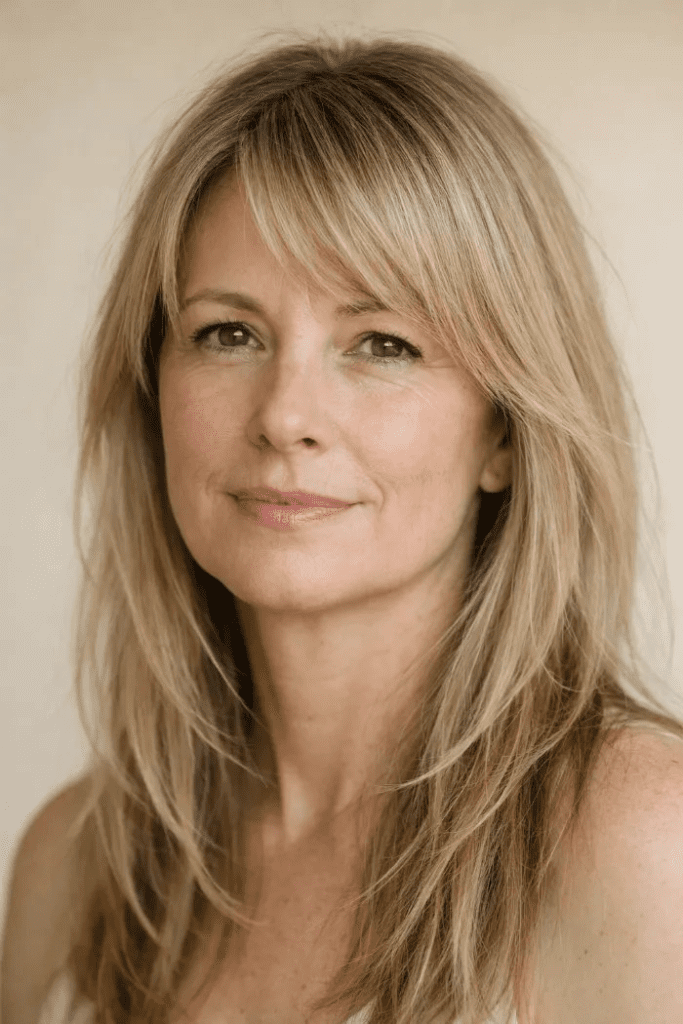
A bold, modern configuration designed for individuals who demand both crown height and maximum length extension. The top layer functions as an independent, volume-boosting canopy, while the secondary bottom layer drops down smoothly to protect the baseline thickness from appearing wispy.
Invisible Layering and Minimalist Polish
7. Seamless Internal Ghost Layers for Weightless Blend
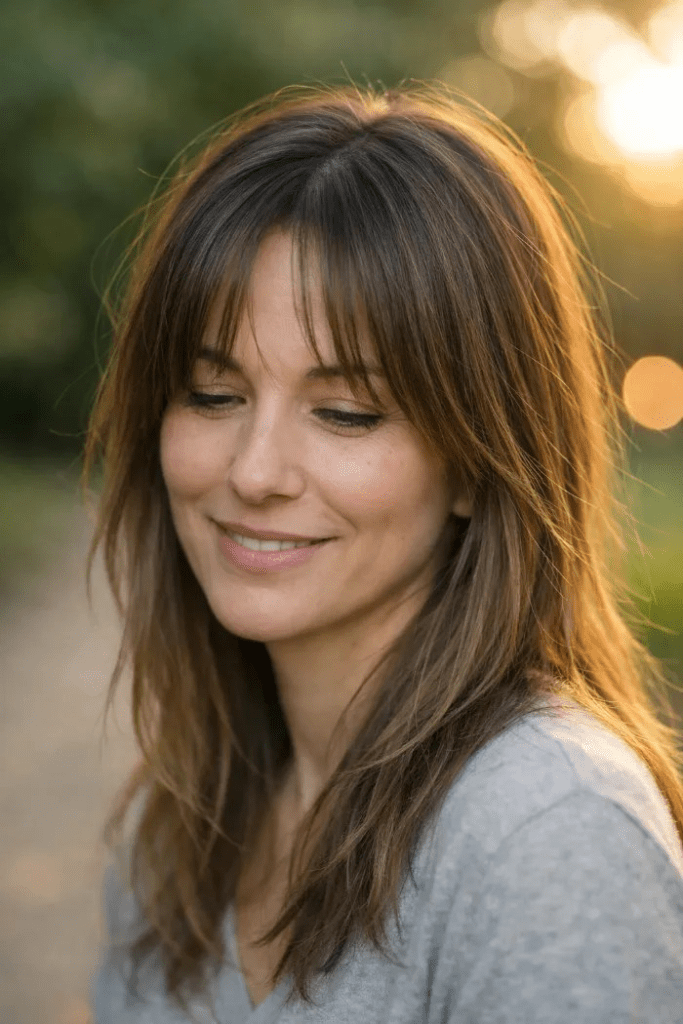
An exceptional technical solution for dense, heavy hair that collapses under its own weight. Ghost layers are cut internally beneath the top canopy using an advanced point-cutting method. The exterior surface remains completely solid and sleek, while the hidden internal architecture creates weightless pockets that push the hair upward for effortless movement.
8. Spaced-Out Long Layers for Straight, Fine Textures
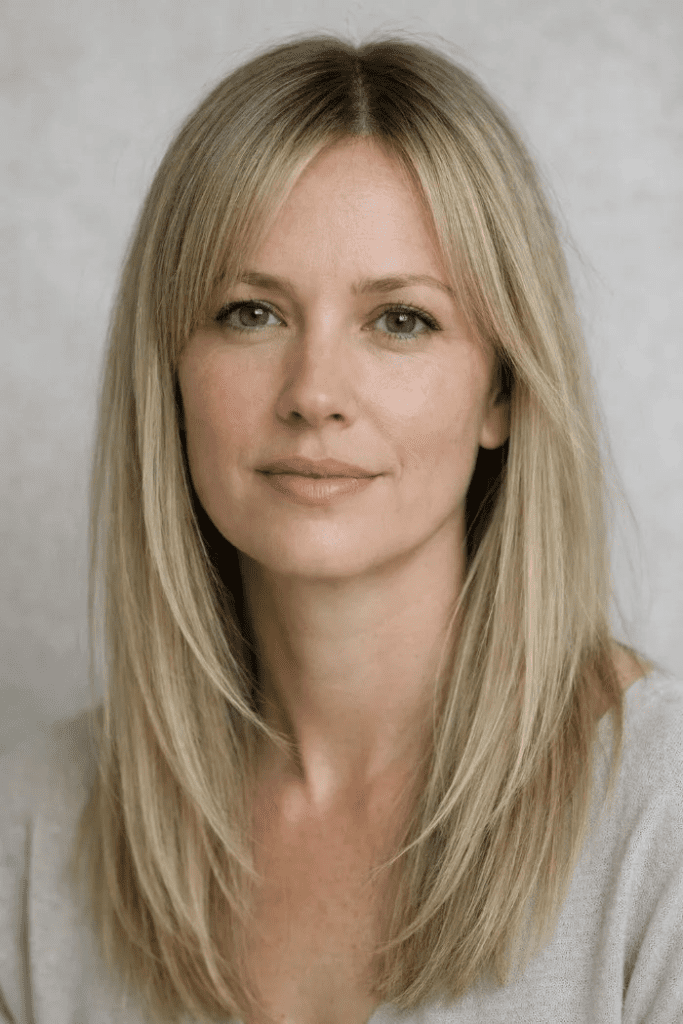
Fine hair demands extreme caution to avoid looking sparse. This layout utilizes broad, spaced-out layering concentrated strictly through the mid-lengths, ensuring that the foundational perimeter stays completely blunt. This technique injects a much-needed sense of animation into straight strands without compromising the hemline thickness.
9. Classic Low-Graduation Long Layers
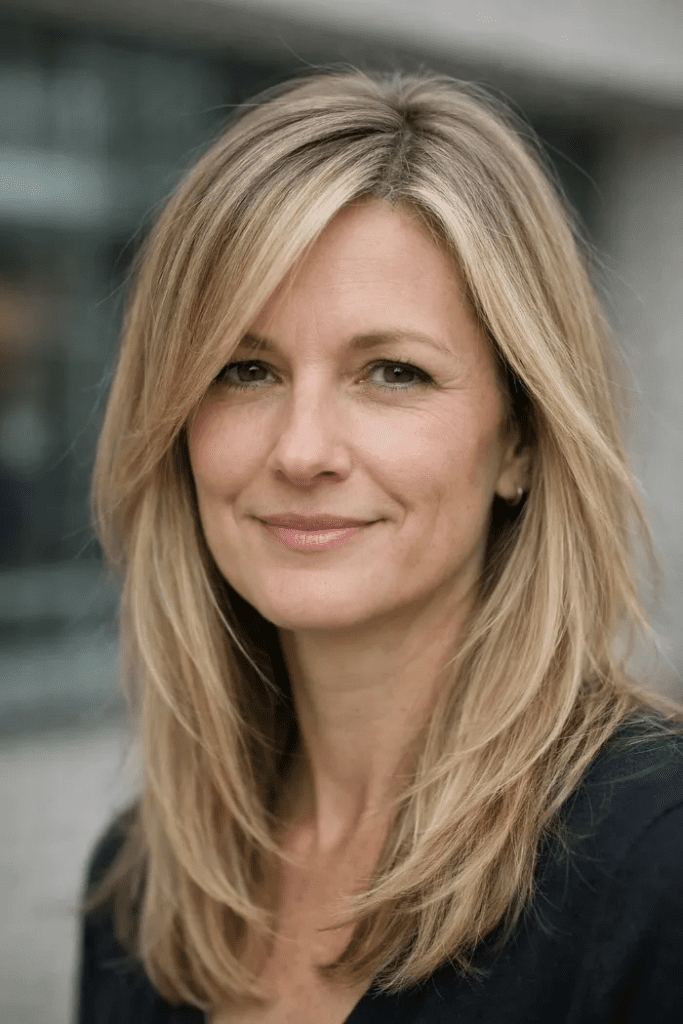
The ultimate, timeless standard that adapts seamlessly from straight to wavy styling textures. The layers are initiated low on the hair shaft, preserving a thick and uniform bottom edge. This low maintenance cut is highly recommended for individuals who prefer extended intervals between salon trims.
10. Sleek, Polished Soft Long Layers
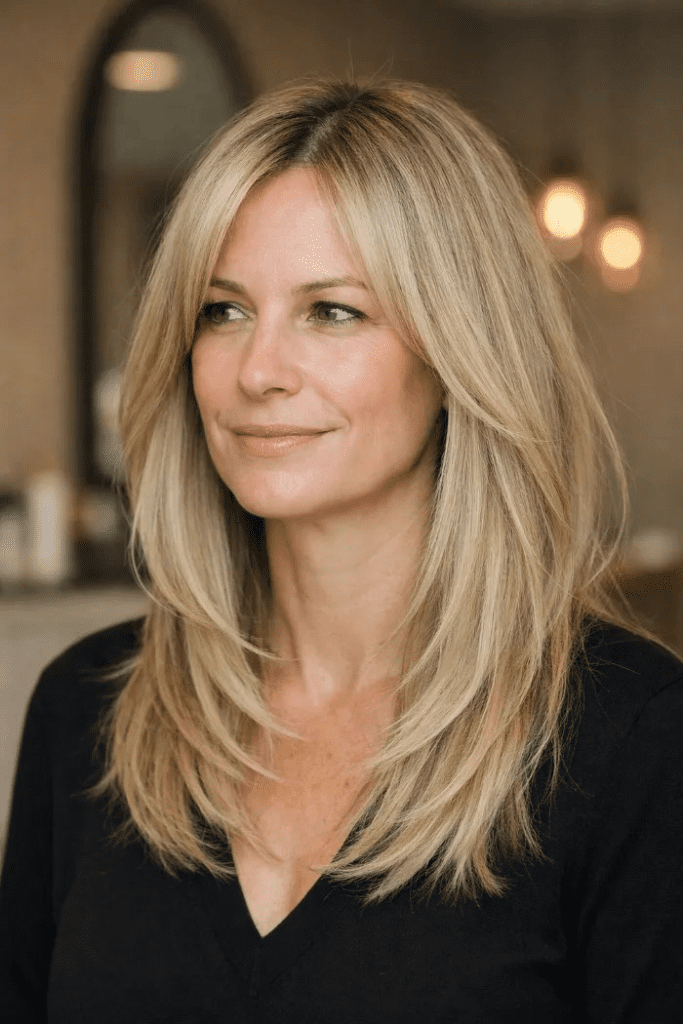
Emphasizing clean lines and zero harsh, choppy boundaries, this design features an incredibly soft, blended transition throughout the mid-lengths. The face-framing elements are understated and gentle, ensuring that the haircut grows out uniformly while retaining a clean, fluid silhouette.
11. Subtle V-Shaped Long Layering
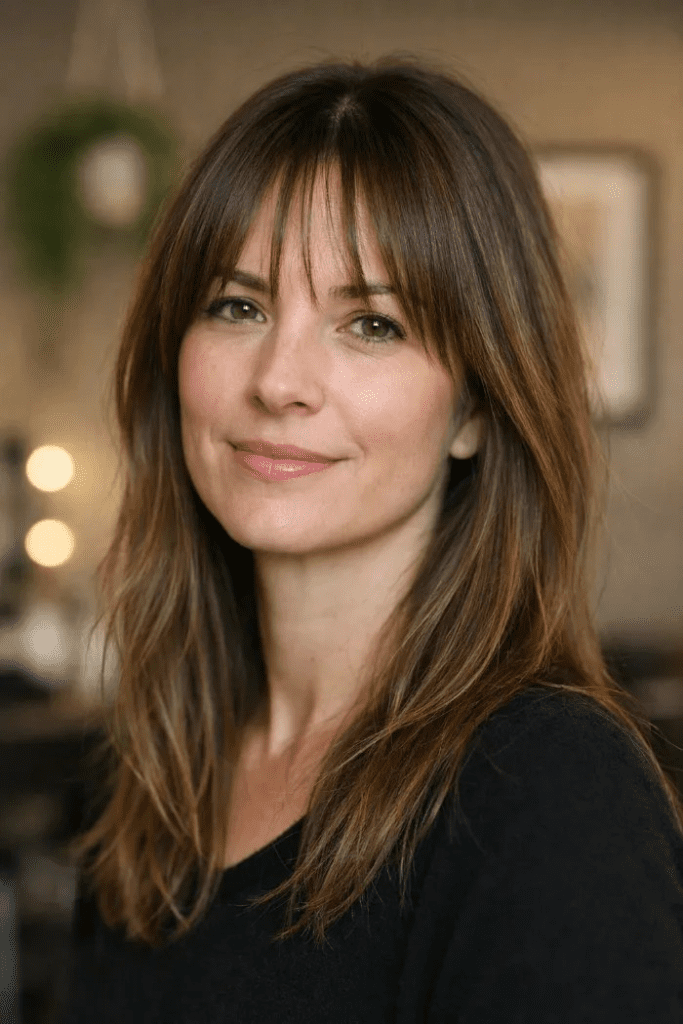
Designed specifically for individuals who wear their hair down frequently. The back perimeter is carved into a soft, sloping V-formation rather than a harsh straight line. This directional cutting allows your natural lengths to drape beautifully over the shoulders, highlighting the dimensional tiers from a rear profile.
Trending Shags, Wolves, and Fragmented Fringes
12. Texturized Shaggy Long Layers
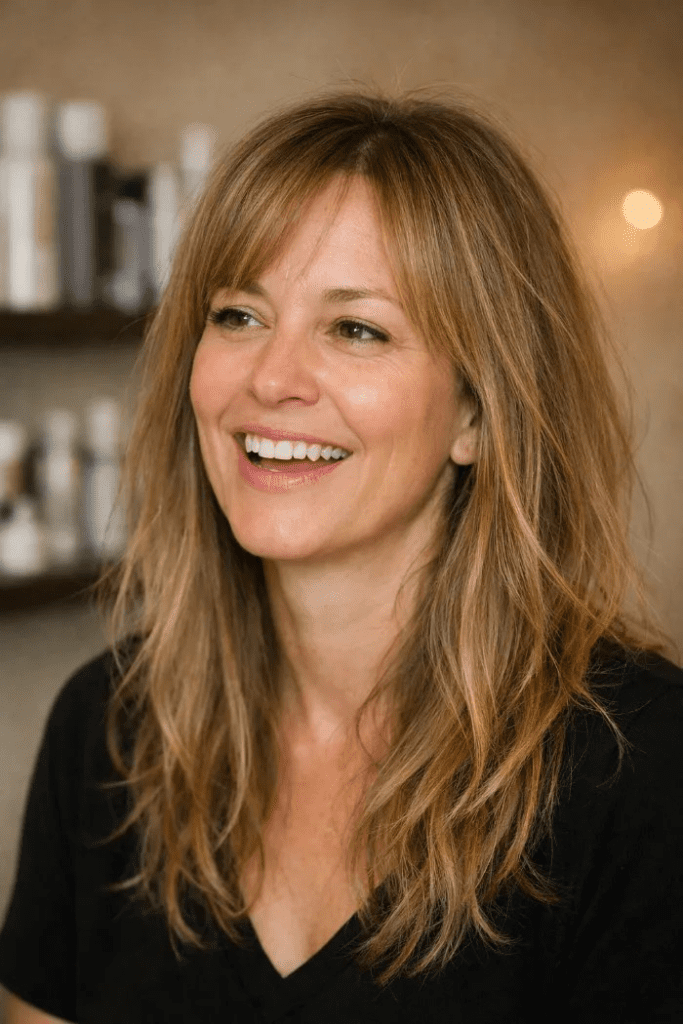
For the individual who prefers a lived-in, rock-and-roll edge over a manicured blowout. This cut features heavily texturized, disconnected layers through the crown and piece-y shattered ends. It pairs beautifully with Type 2 waves, allowing you to simply air-dry with texturizing mousse.
13. The Wearable Soft Shag with Internal Thinning

A subdued, highly approachable adaptation of the traditional shag. It creates a beautiful vertical lift through the top sections and soft texture around the jawline without looking overly aggressive. This is an excellent choice for thick, dense hair profiles that require extensive bulk removal.
14. Long Tapered Feathered Layers

A highly protective cut where the hair ends are delicately tapered with a sliding texturizing technique. This motion removes microscopic weight from the tip of each strand, allowing the length to swing freely and dance with minimal styling input.
15. Long Layers Paired with Softly Contoured Bottleneck Bangs

Bottleneck bangs feature a narrow, pinched bridge at the center of the forehead that expands gracefully outward into sweeping cheekbone frames. Integrated into a long, layered background, this hybrid fringe introduces architectural interest without overtaking small facial features.
16. Long Tiers Coupled with Whispy Curtain Bangs
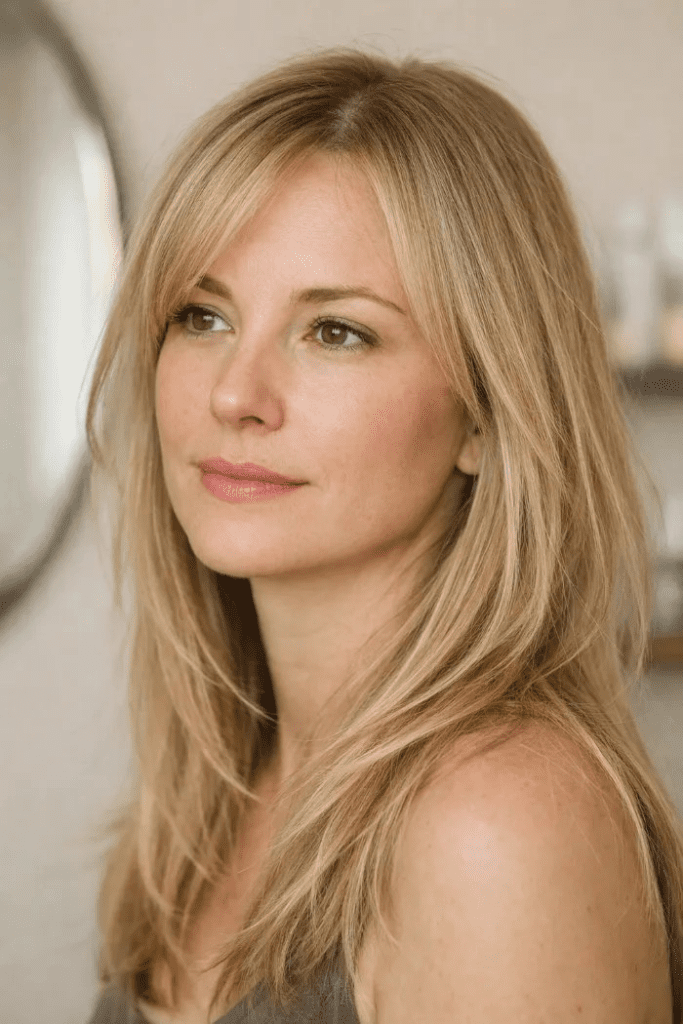
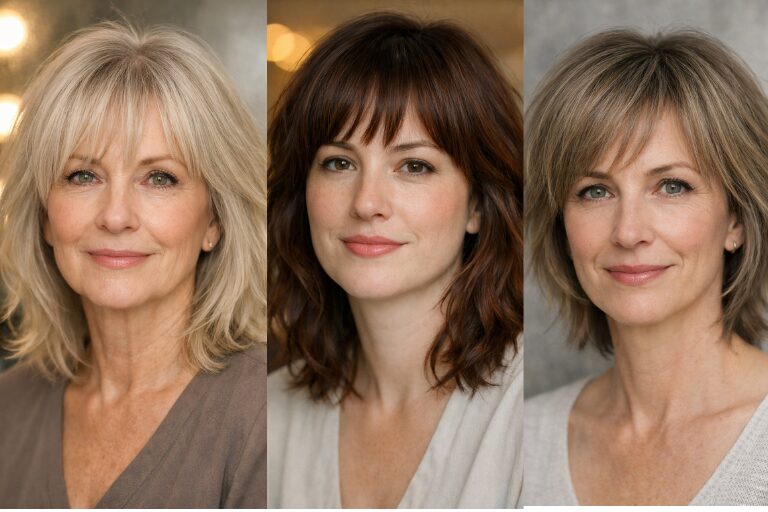
A universally flattering aesthetic that balances structural long hair with romantic softness. The airy curtain fringe path splits precisely above the eyes and sweeps outward, providing a beautiful lateral expansion that elevates a fine or flat hair profile.
17. Volumizing Long Layers with a Sweeping Side Fringe
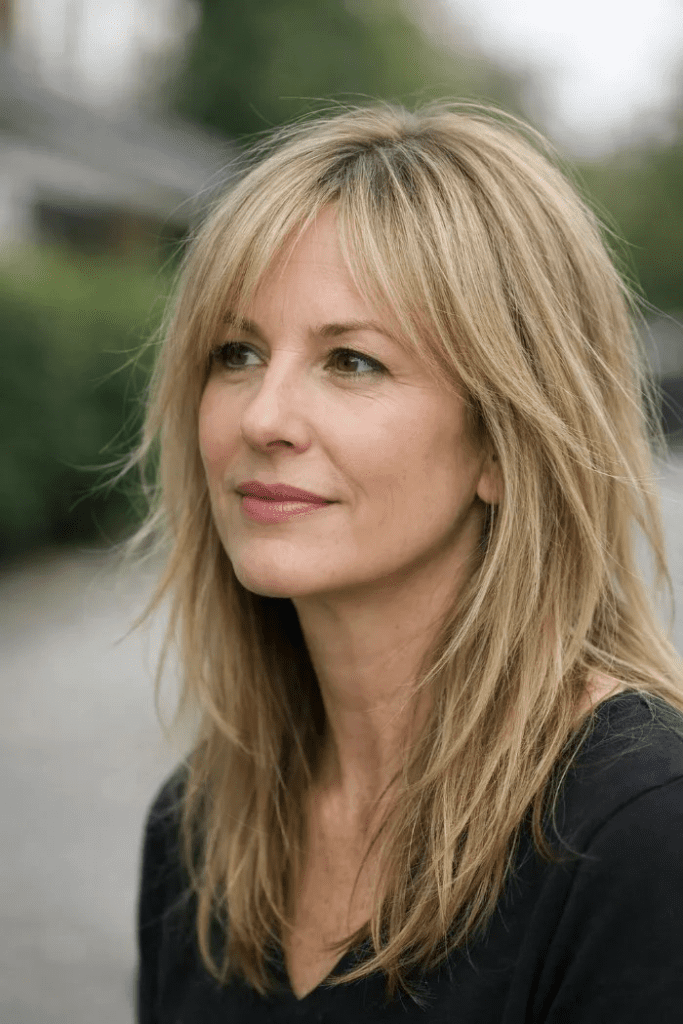
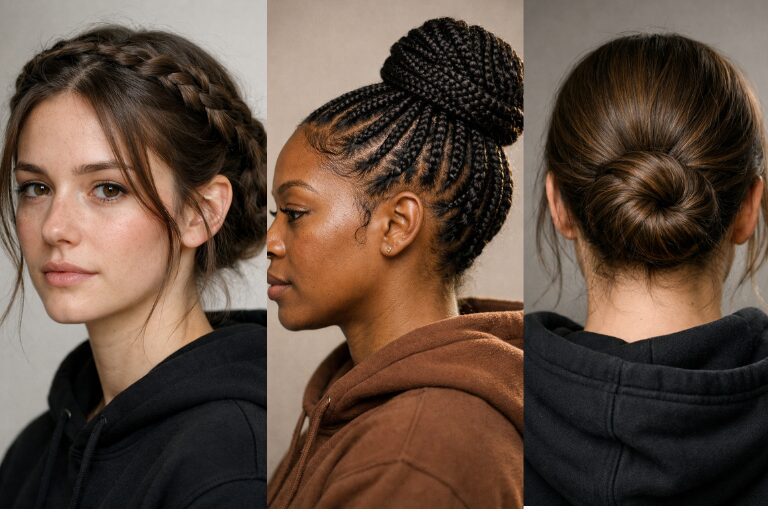
Incorporating a delicate side-swept fringe provides immediate height along the front hairline. As the bangs blend seamlessly into your primary layers, they offer incredible styling versatility—allowing you to transition effortlessly from a full down-style to a clean, secured updo.
18. Long Layer Architecture Enhanced by Subtle Balayage

To make your structural layering visually pop, incorporate a hand-painted balayage technique. Placing brighter, light-reflective pigments on the face-framing pieces and dimensional ends accentuates the movement of the cut, building deep optical contrast.
19. The Editorial Soft Wolf Cut
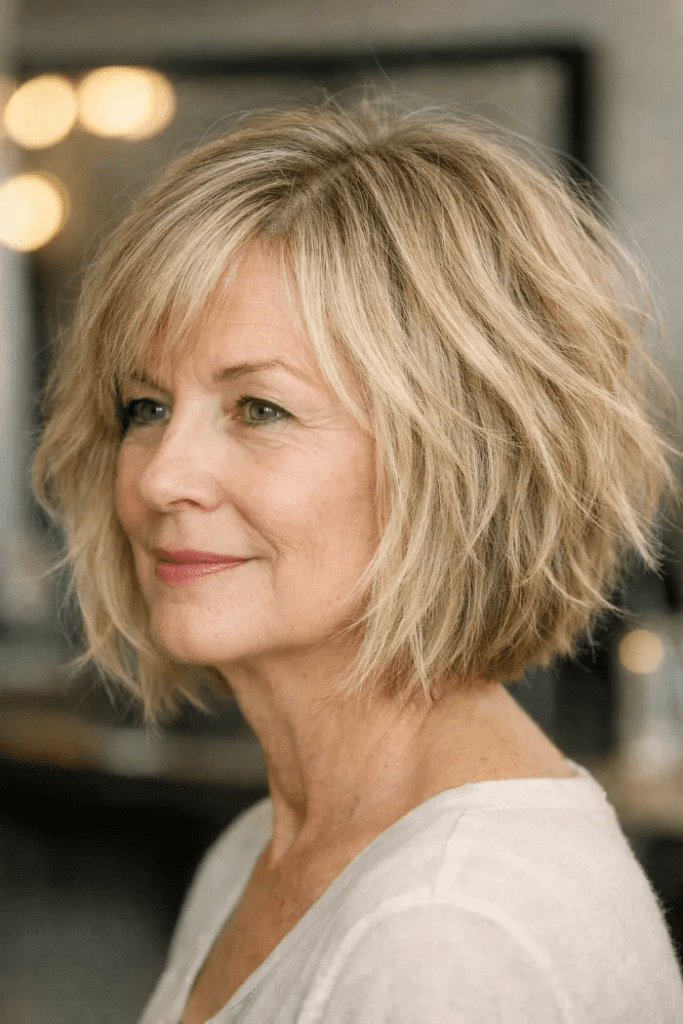
A high-fashion, heavily layered hybrid that blends the volume of a shag with the length tracking of a mullet. By creating multiple step-down layers from the crown to the shoulders, it delivers an edgy, gravity-defying shape that works seamlessly with your hair’s natural wave memory.
Bonus Length-Reset Style: 20. The Textured Wavy Choppy Bob

While technically a departure from extreme lengths, this choppy bob is an essential reference style for individuals contemplating a complete structural reset. The heavily texturized, wavy geometry creates immediate horizontal fullness and a thick perimeter, making it a powerful solution for reviving thin or compromised fine strands.
Wrap Up: Selecting Your Ideal Layered Silhouette
The ultimate success of long layered hair relies on choosing a tailored geometry that resolves your specific structural challenges—whether your goal is deflecting gravitational weight from a heavy mane, introducing movement into straight, fine strands, or framing your face with editorial precision. Long hair should never look static; by embracing advanced techniques like seamless ghost layers, a cascading butterfly cut, or a soft, texturized shag, you unlock the full dynamic potential of your hair’s volume.
As you collect your favorite architectural inspirations for your upcoming appointment, evaluate your daily styling habits. If your lifestyle demands an express, wash-and-go routine, lean toward low-maintenance variations like long feathered layers or a subtle V-cut that holds its shape natively. If you love a glamorous, high-volume aesthetic, prioritize butterfly layers or cascading frames paired with wispy curtain bangs. When your cut is engineered to complement your natural texture and styling reality, maintaining a beautiful, red-carpet profile becomes entirely effortless.
Do long layers make fine hair look thinner or thicker?
The outcome depends entirely on layer placement and the cutting tools utilized by your hair technician. If layers are initiated too high or if the perimeter is over-processed with thinning shears, the baseline will collapse and appear wispy or thin. However, when executed correctly via internal point-cutting or low-graduation techniques coupled with a solid, blunt hemline, layers eliminate the downward weight that pulls strands flat, providing a powerful illusion of overall fullness and crown volume.
What parameters should I communicate to my stylist to ensure my long layers remain full?
To achieve a high-density, luxury result, explicitly instruct your stylist to avoid the use of texturizing razors or thinning shears on the bottom three inches of your length. Clearly specify your desired focal point for the face-framing perimeter (such as the cheekbone, chin, or collarbone) and request blunt-cut, seamlessly blended internal layers that retain structural mass at the baseline.
How can I style long layers quickly without executing a full, time-consuming blowout?
For an efficient, heat-reduced styling routine, apply a lightweight polymer-based root lifter or volumizing mousse to damp roots at the crown. Rough-dry the scalp area with your head inverted to force maximum vertical lift. Once dry, take a large 1.5-inch curling barrel and apply a single, rapid bend to the mid-shafts of large sections, deliberately leaving the bottom inch entirely straight. Finger-comb the curls to break up the pattern into rich, organic waves.
How frequently do long layers require maintenance trims to preserve their shape?
To prevent your tiers from migrating downward and flattening your style, long layered hair should be maintained every 8 to 10 weeks. Regular maintenance micro-trims eliminate split ends before they can travel up the hair cortex, ensuring that your perimeter stays visually crisp and your internal layers retain their self-supporting bounce.