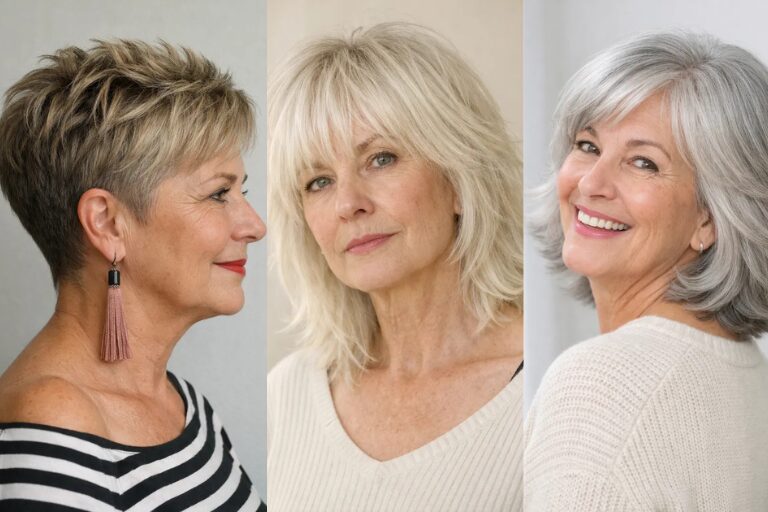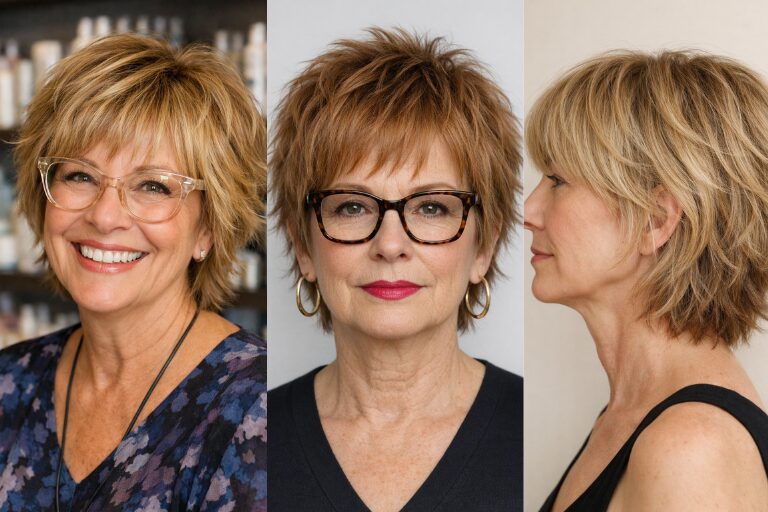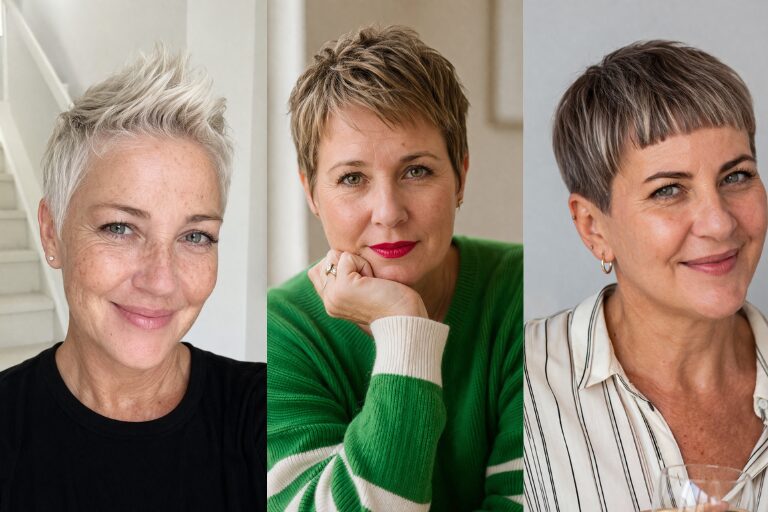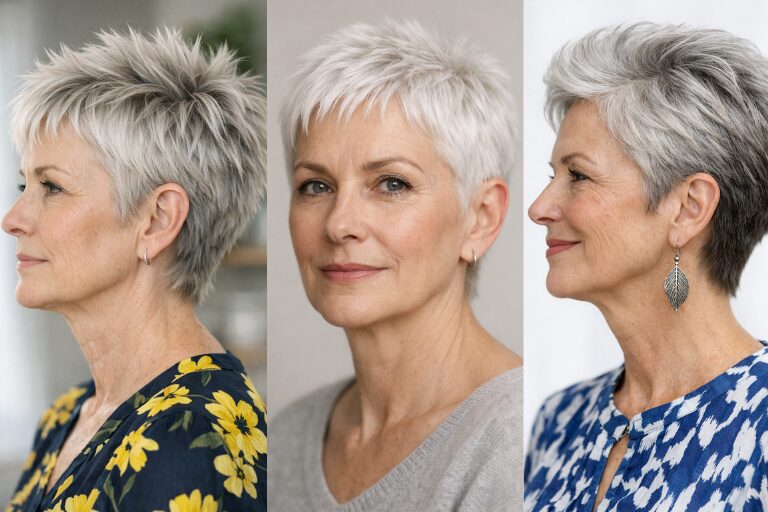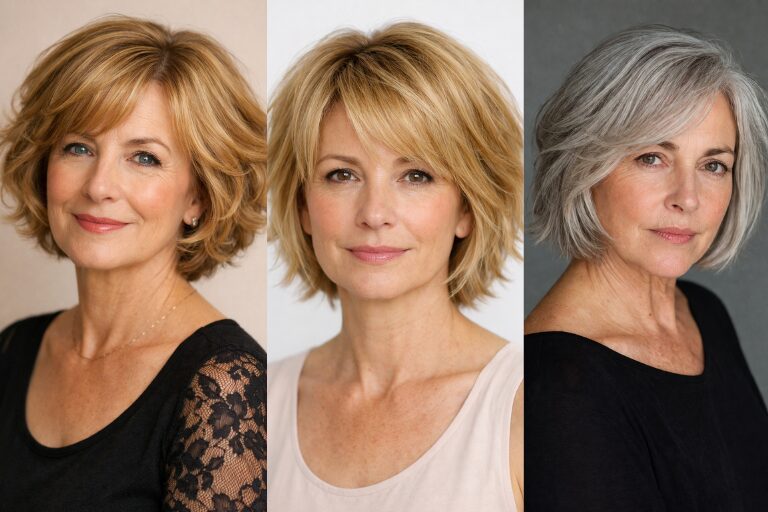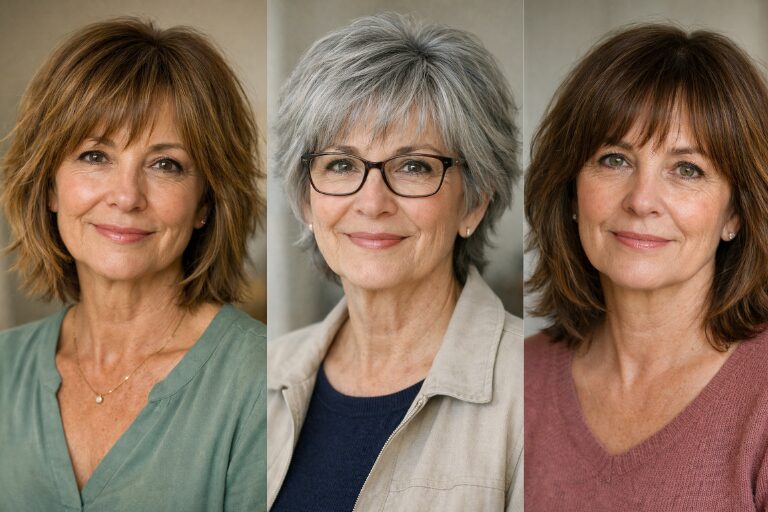
17 Low-Maintenance Choppy Bob Hairstyles for Women Over 60 That Look Fresh Every Day
If there is one haircut that consistently delivers more than it asks for in return, it is the choppy bob.
It does not require a complicated styling routine. It does not demand expensive products or daily heat styling. It does not need to be perfectly smooth or precisely set to look great. In fact, a choppy bob often looks better with a little natural movement and imperfection than it does when it is over-styled — which makes it one of the most genuinely low-maintenance cuts available for women over 60.
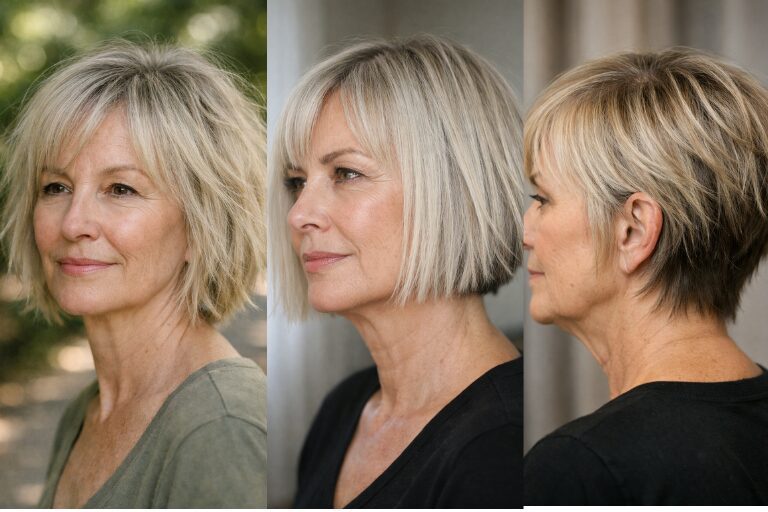
What it does give you is shape. Real, intentional shape that makes your hair look like it was thought about — like the cut itself has personality rather than simply being whatever your hair does when it dries. The choppy layers lift flat crowns, break up heavy sides, add movement to ends that have been sitting limp, and give fine or thinning hair a texture and dimension that smooth cuts simply cannot create.
These 17 low-maintenance choppy bob hairstyles for women over 60 cover every version of this cut — from the softest, barely-there choppiness to the most textured, full-shag versions. Every look comes with what to ask for at the salon, a styling tip, and why it works for women over 60 specifically.
Before you choose your favorite: decide what matters most to you — a tidy nape, volume at the crown, or softness around the face. Those three priorities shape every detail of the cut, and being clear about them before the appointment gets you a much better result.
Why the Choppy Bob Works So Well for Women Over 60
Fine hair, changing texture, flatter roots — these are the realities of hair after 60, and the choppy bob addresses all of them in a way that smooth, one-length cuts simply cannot.
Choppy texture creates visual density. When hair ends are cut unevenly through point-cutting or razoring, each piece catches the light differently. The result reads as dimension and fullness — which is exactly what fine hair needs.
Crown layers address root flatness. Strategic layers through the top section push the roots upward rather than allowing them to collapse. The result is lift that does not require a daily blow-drying routine to maintain.
The texture hides grow-out beautifully. A smooth bob with a blunt perimeter looks noticeably different after four weeks. A choppy bob with textured ends looks almost as good at eight weeks as it did the day after the salon — which is the definition of low maintenance.
Choppy layers help blend color transitions. If you are transitioning to natural gray or silver, choppy texture disperses the line of demarcation and makes the color shift look gradual rather than abrupt.
Face-framing and bangs options add without complicating. Side-swept bangs, curtain bangs, and soft face-framing pieces can all be incorporated into a choppy bob without adding styling complexity — they blend into the layers naturally rather than requiring separate daily attention.
17 Low-Maintenance Choppy Bob Hairstyles for Women Over 60
1. Tousled Wash and Wear Choppy Bob
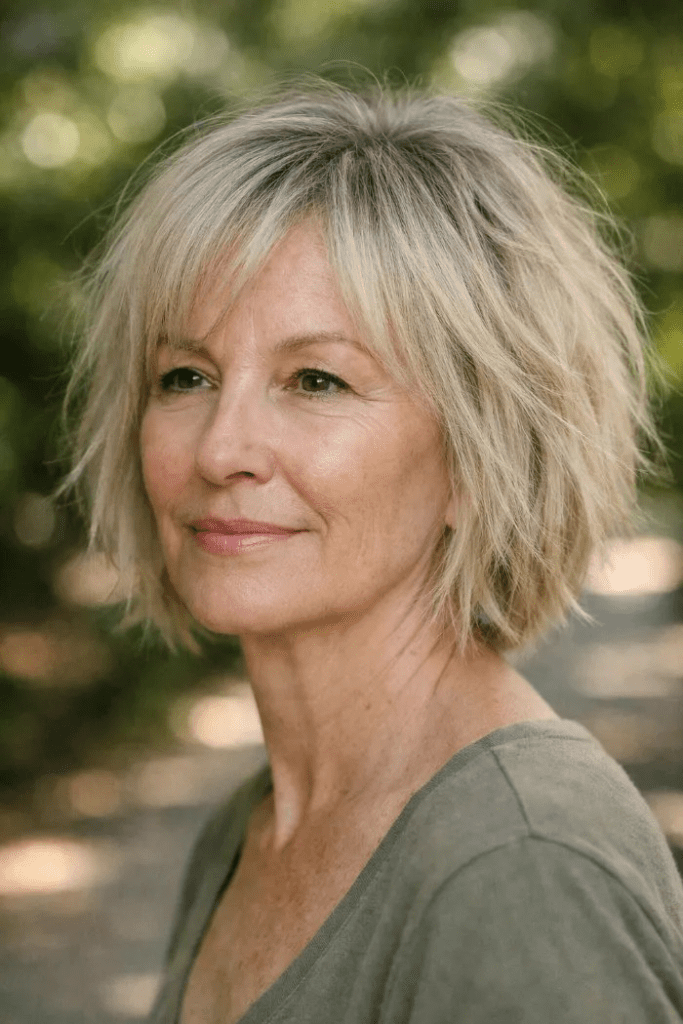
This is the choppiest and most relaxed entry in the guide — the bob for women who want to wash their hair, add the minimum amount of product, and walk out the door looking like they have a genuinely great haircut. The wispy ends keep the jaw area light and mobile rather than stiff and structured, and the overall tousled quality means the cut looks better as the day goes on rather than worse.
What to ask for: A choppy bob with wispy, point-cut ends throughout the perimeter and soft piecey layering through the mid-lengths and crown. Ask for the overall finish to feel deliberately undone rather than smooth — the goal is tousled character, not polished precision.
Best for: Fine to medium hair with any amount of natural movement or wave. The tousled quality looks most natural on hair that has some inherent softness to work with.
Styling tip: A small amount of volumizing mousse scrunched through damp hair from roots to ends, then left to air-dry completely without touching. Resist the urge to brush or smooth — the slight imprecision of air-drying is what gives this cut its beautiful, lived-in quality.
Why it works: The tousled wash-and-wear bob is genuinely the lowest-maintenance option in this entire guide. It requires no heat styling, no precise technique, and no daily effort — and it looks like a deliberate style choice rather than hair that was simply left to dry.
2. Blunt Meets Choppy Bob
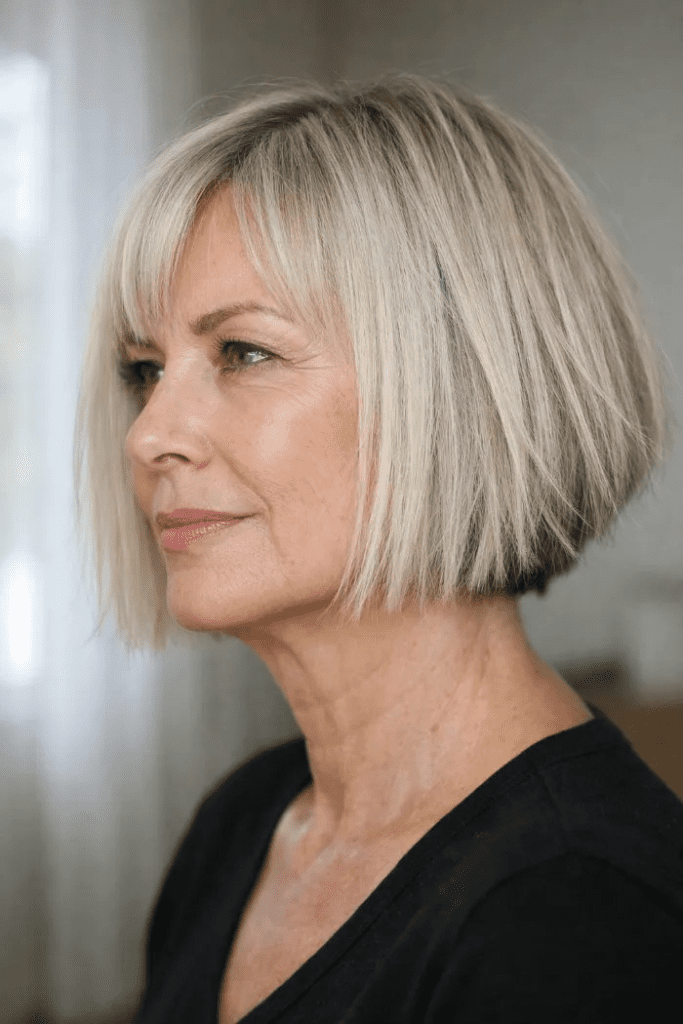
This cut is a sophisticated hybrid — the clean, dense outer line of a blunt bob with subtle choppy texture worked through the ends and interior. From a distance it looks like a polished, precise bob. Up close there is a movement and personality to the ends that prevents it from looking stiff or helmet-like. It is the choppy bob for women who love structure but find pure blunt bobs too rigid.
What to ask for: A blunt perimeter that maintains the appearance of density at the ends, with subtle point-cutting or soft layering worked through the interior sections for movement. Ask for the outer line to stay clean and visible — the choppiness should be inside the cut rather than disrupting the perimeter.
Best for: Fine to medium-fine hair. The blunt perimeter preserves end density while the interior texture adds the movement and character that make the cut interesting.
Styling tip: A quick blow-dry with a round brush smooths the outer shape while allowing the interior texture to express itself naturally. A light hold spray over the finished style maintains the clean perimeter without stiffening the interior movement.
Why it works: The combination of a clean outer line and internal choppy texture is the most sophisticated approach to the choppy bob — it looks polished from across a room and interesting up close, which is exactly the combination that makes a haircut genuinely great.
3. Chin-Length Choppy Bob
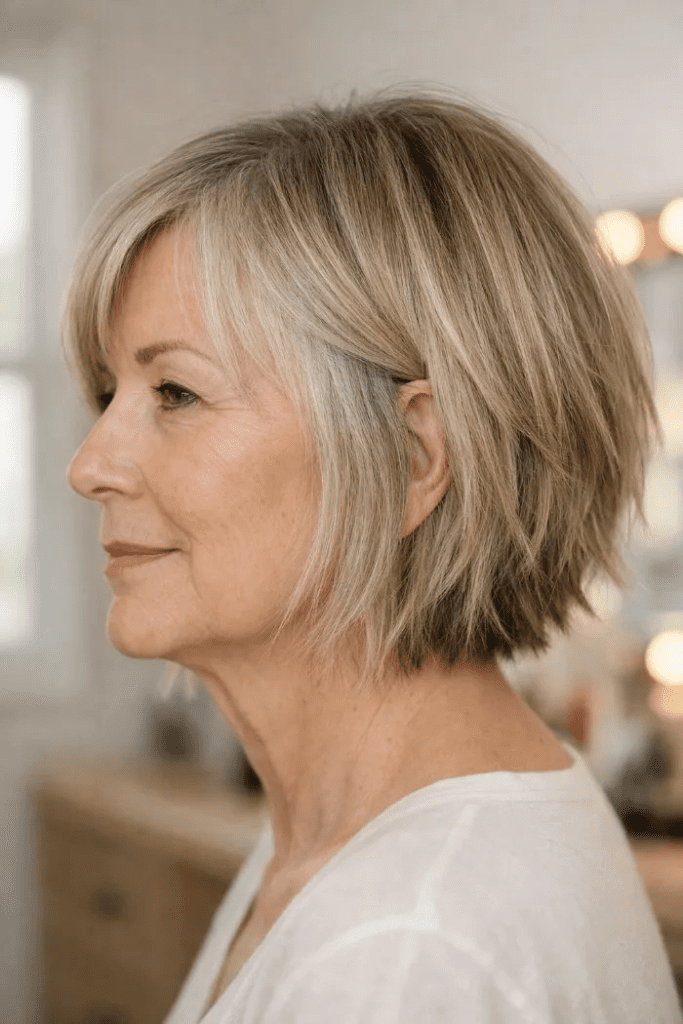
Chin length is one of the most flattering lengths for a choppy bob — long enough to frame the jaw and face with softness, short enough to feel genuinely fresh and light. At this length, choppy layers lift the sides of the hair at the jaw, preventing the common problem of ends flipping outward and losing their shape. The texture adds enough personality that the cut looks intentional even on days with minimal styling.
What to ask for: A chin-length bob with choppy layering that adds lift at the sides and prevents the ends from flipping outward. Ask for the texture to be distributed through the sides and mid-lengths specifically — not just at the surface — for the most natural movement.
Best for: Straight to slightly wavy hair with fine to medium density. The chin length and choppy texture work particularly well for women whose hair is relatively straight and needs texture to look interesting.
Styling tip: A flat iron used briefly through the mid-lengths and ends on days when the flip wants to happen — just one pass to direct the ends slightly under or straight. A texturizing spray through slightly damp hair before air-drying encourages the natural choppy texture to express itself without heat styling.
Why it works: Chin length with choppy layers hits the sweet spot between definition and ease. The length is substantial enough to feel significant without being difficult to manage, and the choppiness gives it the movement that prevents it from looking plain.
4. Choppy Bob With Tapered Nape
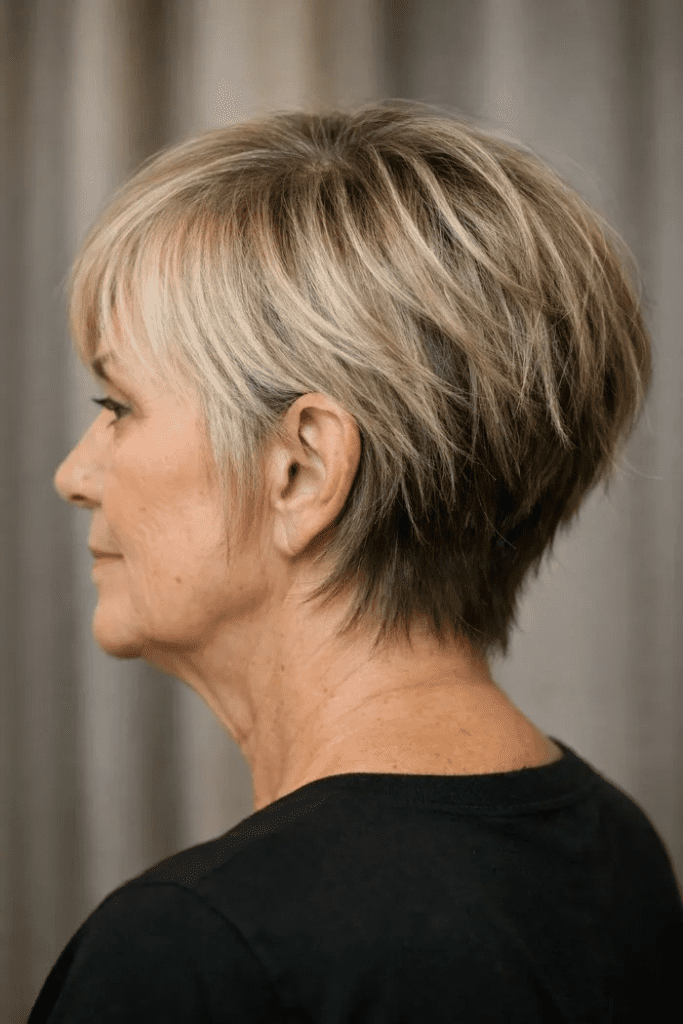
The tapered nape transforms a choppy bob from a casual, relaxed style into something with real polish and architectural intention. The close, clean nape gives the back of the cut a refined, deliberate finish that looks genuinely groomed from behind — which is where most other people see you most of the time. The choppy layers through the top and crown maintain the easy, textured quality that makes the style low-maintenance in practice.
What to ask for: A choppy bob with a tapered nape that sits cleanly close to the neck, and choppy layering through the crown and top for lift and volume. Ask for the taper to be gradual rather than creating a hard line — a soft graduation gives the most flattering result.
Best for: Most hair types. The tapered nape is particularly flattering for women who prefer a neater back view and find that rounded or bulky napes add unwanted width at the base of the head.
Styling tip: A root-lifting spray applied to the crown and sides before blow-drying gives the choppy layers their most lifted finish. The tapered nape requires no daily product — its closeness is the styling.
Why it works: The contrast between the polished, tapered nape and the relaxed, choppy top creates a cut with two distinct qualities at once — groomed and easy. That combination is particularly flattering for women over 60 who want their hair to look considered without feeling overdone.
5. Choppy Bob With Face Framing
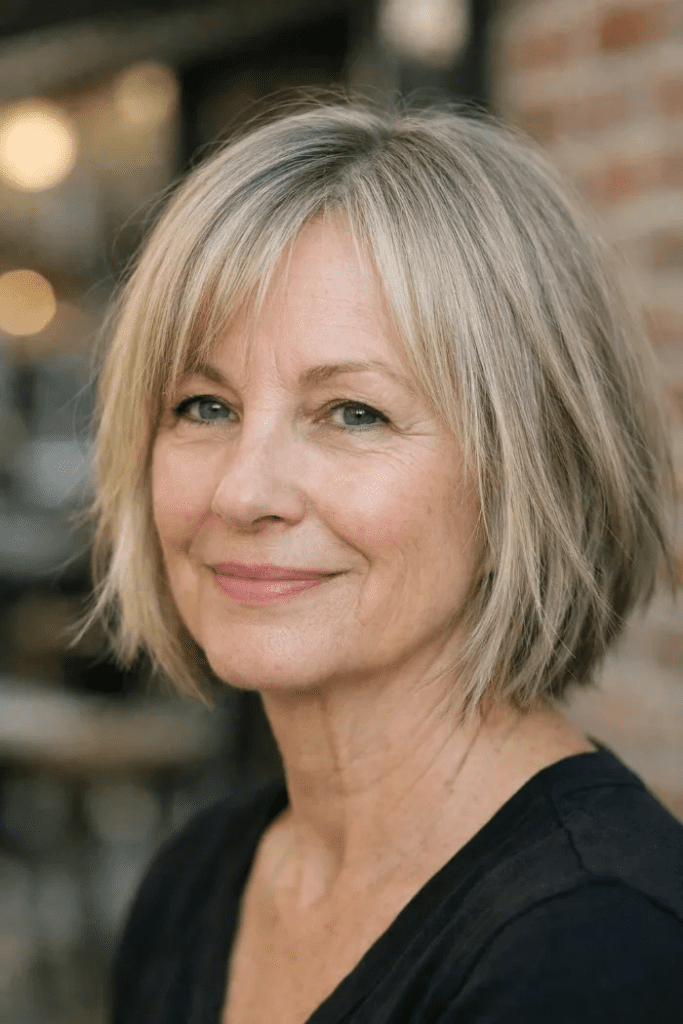
Face-framing pieces are one of the most effective additions to a choppy bob because they add visual interest exactly where it matters most — around the face — without increasing the complexity of the cut or the daily styling routine. The choppy texture of the rest of the cut means the face-framing pieces blend naturally rather than requiring precise blow-drying to look intentional.
What to ask for: A choppy bob with face-framing pieces that start around the cheekbones and curve softly inward toward the jaw. Ask for the framing pieces to be longer rather than very short — pieces that start at the cheekbone and blend into the rest of the bob give the most flattering result for women over 60. Ask for the texture of the framing pieces to match the rest of the cut rather than being blunt.
Best for: Most hair types and face shapes. Face-framing choppy pieces are particularly flattering for women with square or angular jaw lines, as the soft curved framing softens the angles.
Styling tip: A light serum through the face-framing pieces specifically adds definition and direction that makes the framing look deliberate. Direct them toward the face with a round brush during blow-drying or simply let them fall naturally for the most relaxed finish.
Why it works: Face-framing pieces draw the eye directly to the face rather than the hair — which is always the most flattering direction for attention to travel. On a choppy bob, they add this benefit without any additional styling complexity.
6. Choppy Bob With Side-Swept Bangs

Side-swept bangs on a choppy bob solve one of the most common styling challenges for women over 60 elegantly and effortlessly. They add coverage across the forehead without the density commitment of a full bang, blend naturally into the choppy layers so the grow-out is completely forgiving, and work beautifully with glasses by framing rather than competing with the frames.
What to ask for: Side-swept bangs that blend naturally into the front choppy layers rather than sitting as a distinct, separate section. Ask for the bangs to be long enough to sweep fully to one side — approximately brow to cheekbone length — and for them to be cut with some texture so they do not sit as a solid curtain.
Best for: Most hair types. Side-swept bangs are particularly beneficial for women who want gentle coverage over forehead lines without the full commitment and maintenance of straight-across bangs.
Styling tip: A small round brush sweeping the bangs to one side during blow-drying is the simplest technique for this style. A tiny amount of flexible cream through the bangs keeps the sweep in place without stiffness. The grow-out of side-swept bangs on a choppy bob is one of the most forgiving of any fringe style — they simply become longer face-framing pieces.
Why it works: Side-swept bangs add a gentle, flattering diagonal movement across the forehead that is one of the most universally softening elements in hairstyling. On a choppy bob, they blend so naturally that the grow-out process is almost invisible.
7. Choppy Bob With Soft Layers
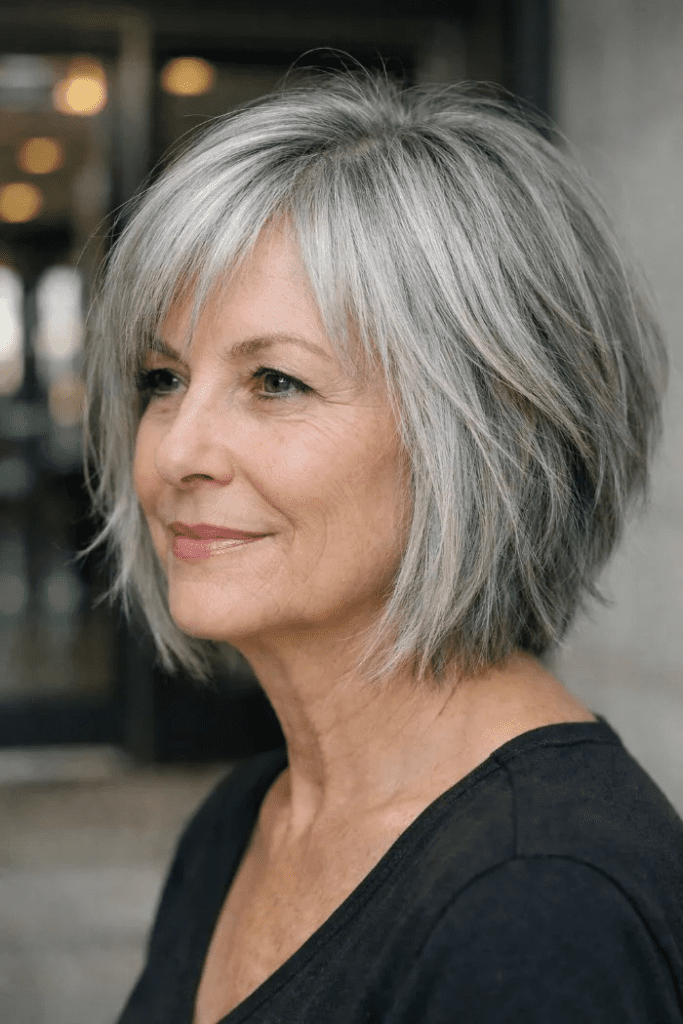
This is the choppiest bob for women who are not entirely sure about choppy bobs. The layers add movement and dimension without creating an obviously textured or deliberately undone finish — the choppiness is expressed through a smooth, swingy quality rather than through visible piecey separation. It is the transition cut between a classic bob and a fully textured choppy version.
What to ask for: A choppy bob with soft layers cut for movement rather than for texture — ask for longer layers that create flow and swing rather than short disconnected pieces that create obvious separation. A light blowout or flat iron pass keeps the ends clean and swingy rather than rough or choppy-looking.
Best for: Fine to medium hair. The soft layer approach is particularly good for women who want more movement than a blunt bob provides but prefer a smoother finish than a heavily textured choppy cut delivers.
Styling tip: A quick blow-dry with a round brush or a brief flat iron pass through the mid-lengths and ends gives the most swingy, clean finish. A light shine serum through the ends adds the polished quality that distinguishes this from a more aggressively textured version.
Why it works: Soft choppy layers create the movement of a textured cut with the finish of a smoother one — it is the best of both worlds for women who want personality in their bob without sacrificing polish.
8. Choppy Bob With Wispy Curtain Bangs
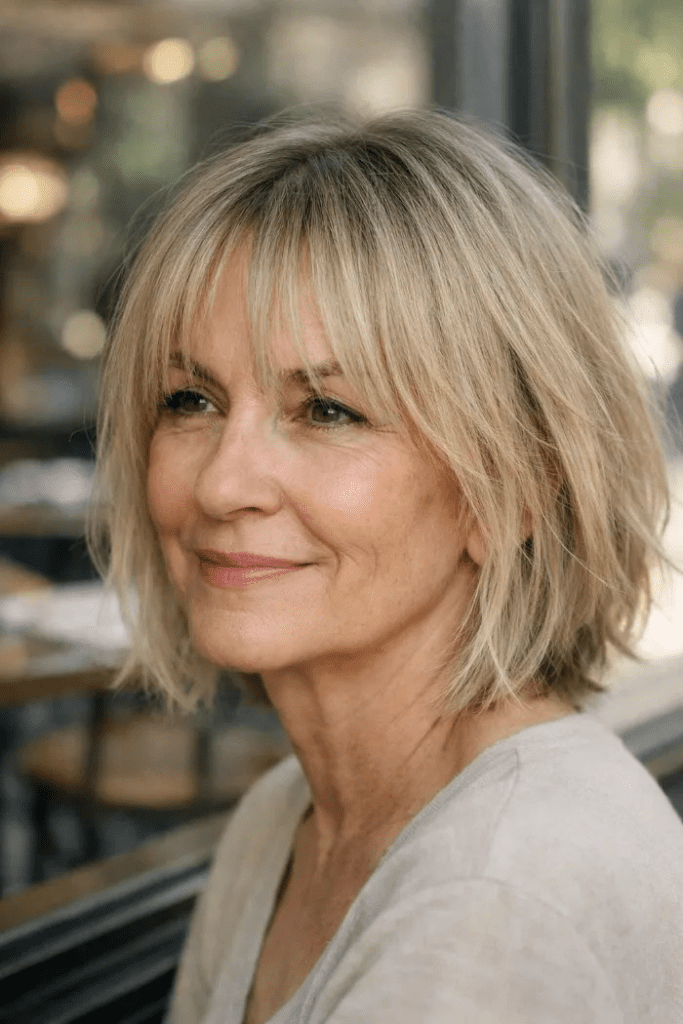
Wispy curtain bangs on a choppy bob create a genuinely beautiful combination — the soft, center-parted fringe opens the face symmetrically and adds a contemporary quality to the whole cut, while the choppy layers through the rest of the bob create the movement and texture that make the curtain bangs look deliberately chosen rather than accidentally there.
What to ask for: A choppy bob with wispy curtain bangs — shorter in the center, graduating longer toward the temples, blending naturally into the front choppy layers. Ask for the curtain bangs to be cut with thinning shears for maximum lightness rather than being blunt-cut. Particularly flattering if you have thinning at the temples, as the wispy forward framing creates gentle coverage.
Best for: Fine to medium hair. Wispy curtain bangs are one of the most flattering fringe options for fine hair because they add forward interest without requiring the density that a full bang needs to look present.
Styling tip: A small round brush in a C-shape during blow-drying, directing each side of the curtain bang outward from the center, gives the most flattering result. A tiny amount of light cream through the bangs keeps them separated and wispy rather than clumping together.
Why it works: Curtain bangs have a specific quality that suits women over 60 particularly well — they soften the forehead and the eye area with a gentle forward movement that flatters without requiring precise daily styling or frequent trims to maintain.
9. Choppy Crown Layers Bob
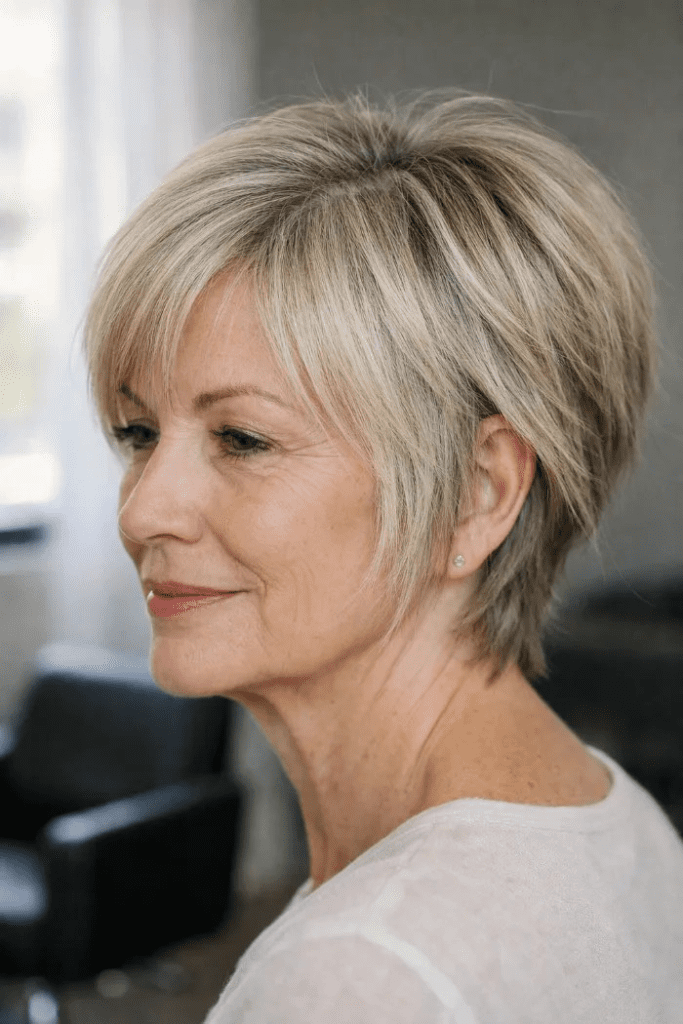
This bob uses crown layering as its primary design tool — shorter choppy layers specifically through the crown and top sections push the roots upward and create the lift and volume that fine hair over 60 most commonly lacks. The back stays sleek and tidy, creating a strong contrast between the lifted crown and the smooth nape that gives the silhouette a very polished, considered quality.
What to ask for: A bob with crown-specific choppy layering designed to push the roots upward for lift, while the back sections stay smooth and clean. Ask for the crown layers to be cut with specific attention to direction — they should be designed to encourage upward rather than horizontal movement.
Best for: Fine to medium hair that struggles specifically with crown flatness. This is the most targeted solution for the flat-crown problem that affects so many women’s hair after 60.
Styling tip: A root-lifting spray applied directly to the crown before blow-drying, then a vent brush or round brush directing the crown sections upward during drying. This two-minute technique makes the crown layers perform at their best and maintains the lift through the day.
Why it works: Crown layers that are specifically cut for upward direction solve the flat-crown problem at the source rather than relying entirely on product and technique. When the cut is designed to lift, it lifts — and the product and technique simply maintain what the cut has already built in.
10. Airy Fringe Choppy Bob

This bob is designed entirely around the quality of lightness — airy fringe, piecey separated layers, ends that look softly individuated rather than blunt or uniform. The whole effect is of hair that floats rather than sits, which is one of the most flattering qualities a cut for fine hair over 60 can have. Nothing feels heavy, nothing sits in a fixed position, and the overall impression is of hair that is alive and full of natural movement.
What to ask for: A choppy bob with a soft airy fringe that blends into the front rather than sitting as a distinct section, piecey layers through the mid-lengths and crown, and ends that are separated and light rather than blunt or stacked. Ask for minimal product use during the cut appointment so you can see the true natural result.
Best for: Fine hair that tends to fall flat or go limp quickly. The airy fringe and piecey layers are specifically designed to address fine hair’s tendency to lose movement.
Styling tip: A texturizing spray applied at the roots before air-drying keeps the fine hair buoyant rather than flat. Apply it to the roots specifically — not through the mid-lengths and ends where it can weigh fine hair down.
Why it works: The airy quality of this bob is achieved through the specific way the layers are placed and finished — creating space between the sections that allows air and light to reach the hair from multiple angles. The result looks full and dimensional without any actual hair density.
11. Feathered Choppy Bob
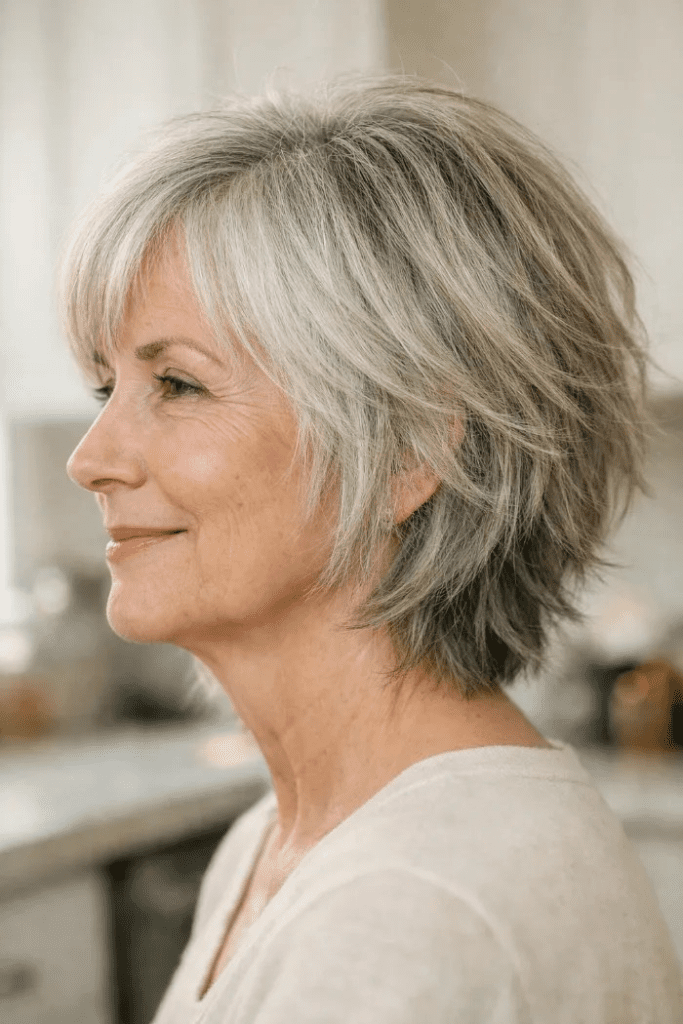
The feathered bob is the softest and most gentle expression of choppy texture in this guide. Feathering creates ends that taper gradually into nothing rather than cutting off at a uniform length, giving the bob a light, flowing quality that is very different from the deliberate piecey texture of harder choppy versions. On fine hair over 60, feathering adds movement and dimension without making the ends look sparse — which is exactly the balance fine hair needs.
What to ask for: A choppy bob with feathered ends — ask specifically for feathering with thinning shears applied to the surface of the ends rather than through the body of the cut. The layers should blend and flow into each other rather than being distinctly disconnected. Ask for the feathering to make the ends flip and blend rather than stack.
Best for: Fine to medium-fine hair. Feathering is one of the most effective techniques for making fine hair look fuller and more alive without removing the end weight that fine hair needs.
Styling tip: A small round brush flicking the ends gently outward during blow-drying gives the feathered bob its most flattering, bouncy finish. A light volumizing mousse at the roots before drying adds the base volume that the feathering then distributes naturally through the shape.
Why it works: Feathered ends on a bob catch light and air differently from blunt or point-cut ends — they move more freely and create a softer, more organic impression of fullness that suits fine gray or silver hair particularly beautifully.
12. Textured Wavy Choppy Bob
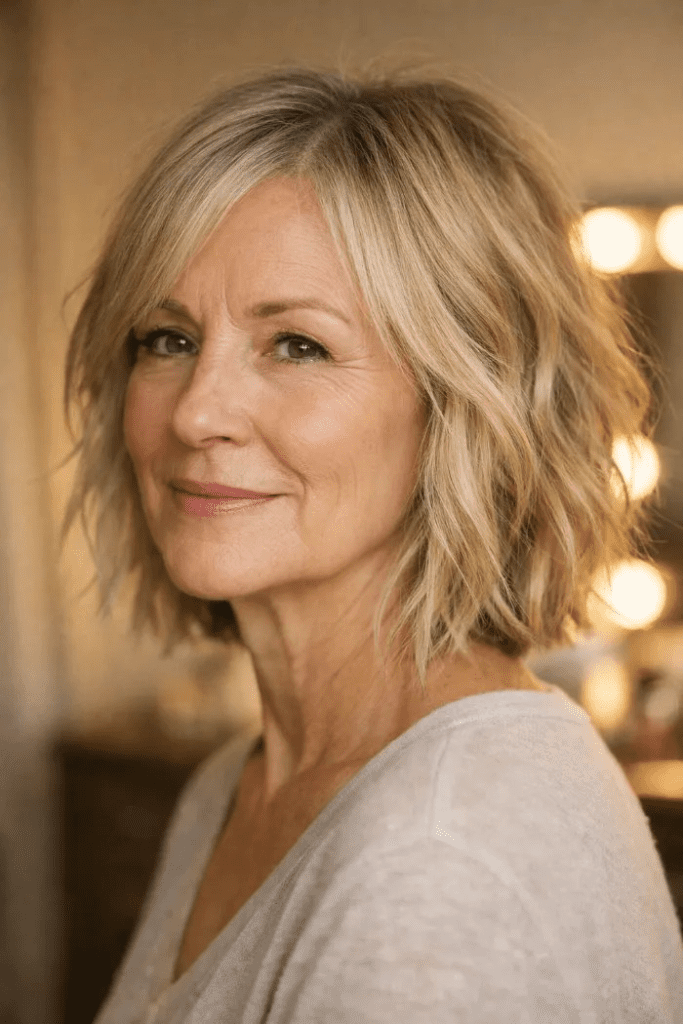
Waves and choppy layers are genuinely made for each other — waves naturally separate and individuate choppy layers in a way that straight hair requires product to achieve. The result is a bob with effortless texture and movement that looks like the hair simply grew this way, rather than like a deliberate styling choice. For women with natural wave or who are happy to add a few bends with a flat iron, this is one of the most beautiful and most photogenic choppy bob options.
What to ask for: A choppy bob with layers cut specifically to support natural wave or styled wave movement — ask for the layers to be placed to amplify the wave pattern rather than fighting it. Ask for the cut to be done slightly damp if you have natural wave so the stylist can see how the wave falls.
Best for: Naturally wavy or slightly wavy hair. Straight hair can achieve this look with a few bends from a flat iron, but the result looks most natural on hair with some inherent movement.
Styling tip: A curl cream or wave-enhancing mousse scrunched through damp hair, then left to air-dry completely without touching. Once dry, scrunch once more with dry hands to separate the waves. The choppy layers will naturally separate into beautiful textured pieces with no additional effort.
Why it works: Waves make choppy layers look effortlessly intentional — the natural movement separates each choppy piece and creates exactly the dimensional, alive quality that the cut is designed to produce.
13. Micro Choppy Bob
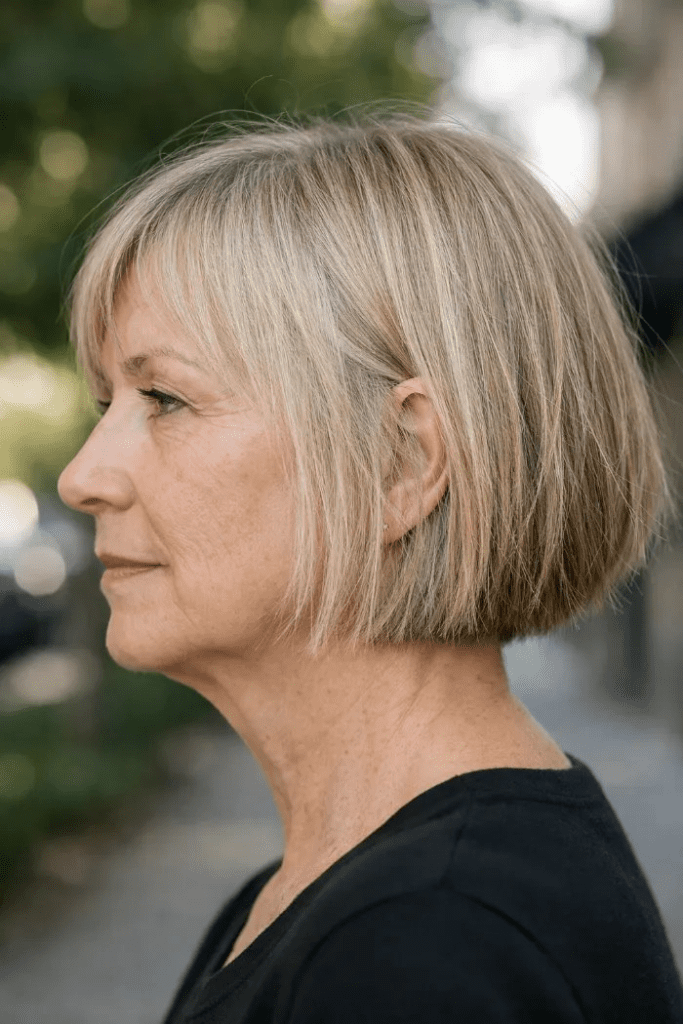
The micro choppy bob is the shortest and most graphic option in this guide — very close to the head, with tiny choppy layers that create a compact, energetic shape with real lift and personality. It is not a subtle cut, but its boldness is entirely wearable because the close length makes it very easy to manage and very fast to style. On fine hair, the closeness of the cut removes the weight that causes fine hair to go flat, and the tiny layers create texture that makes the limited density look deliberate.
What to ask for: A very short bob sitting close to the head with short, choppy layers that create lift and separation through the crown and sides. Ask for the perimeter to be clean and defined — the clarity of the outline is what makes this cut look intentional rather than simply short.
Best for: Fine hair of all densities. The micro choppy bob is particularly excellent for very fine or thinning hair because the compactness of the cut disguises the lack of density more effectively than any longer version.
Styling tip: A small amount of matte texturizing paste worked through dry hair with fingertips is the only product this cut typically needs. A root-lifting spray before blow-drying adds the extra lift that makes the tiny layers stand up and express themselves fully.
Why it works: At this length, the cut’s precision and character are entirely visible — there is no length to hide behind, which means every choppy layer, every textured piece, every intentional detail is fully on display. That visibility creates a very graphic, considered appearance that reads as completely deliberate.
14. Shaggy Choppy Bob

The shaggy choppy bob is the most textured, most movement-filled option in this guide — and it is the best choice for women who actively enjoy a relaxed, slightly undone aesthetic and do not want their hair to look like it was carefully constructed. The layers create movement everywhere — crown, sides, ends — and the overall impression is of hair that is full of natural personality and completely at ease with itself.
What to ask for: A shaggy bob with soft choppy layers distributed throughout the cut — crown, sides, and ends — that create movement in multiple directions simultaneously. Ask for the overall result to feel relaxed and messy in a good way rather than precisely shaped. Point-cutting through the ends for the most natural shaggy finish.
Best for: Medium to thick hair with some natural wave or movement. The shaggy quality looks most beautiful on hair that has enough body to express the layers naturally without requiring heavy product support.
Styling tip: A sea salt spray or texturizing mousse through damp hair, scrunched from ends toward roots, then air-dried completely or diffused on low heat. Avoid brushing once dry — any smoothing destroys the relaxed, natural texture that makes the shaggy bob look so good.
Why it works: The shaggy choppy bob is the cut that requires the least daily effort to look exactly right — it looks better with natural movement and slight imperfection than it does with precise styling. That quality makes it genuinely the lowest-maintenance option for women who embrace relaxed, natural texture.
15. Short Stacked Choppy Bob
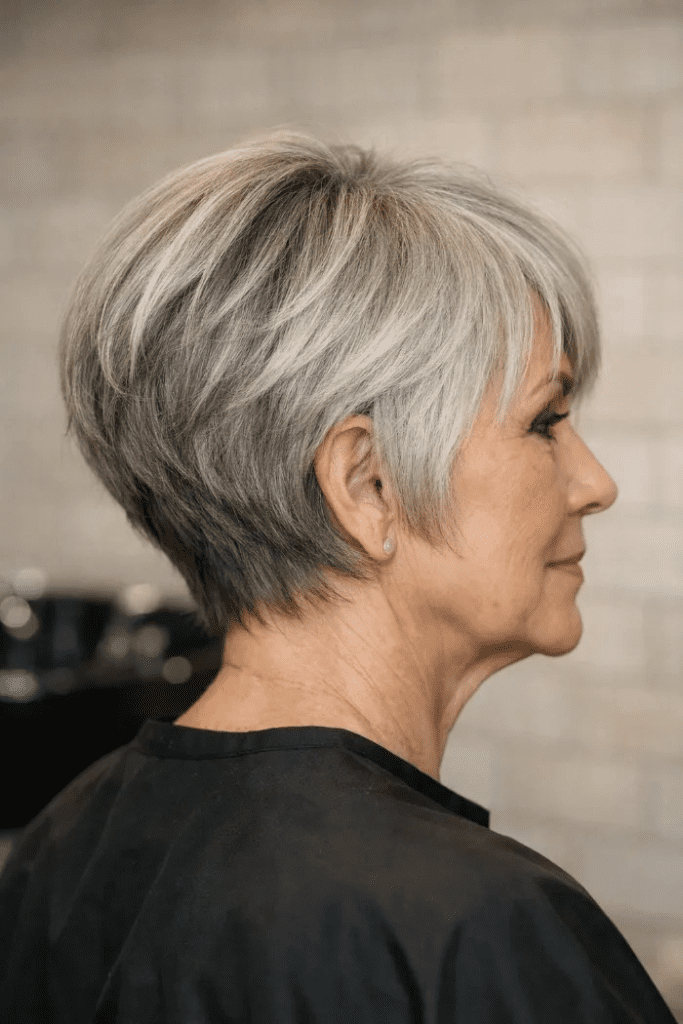
The stacked bob builds volume through graduation — layers stacked at the back create fullness and height right where hair most commonly falls flat. The choppy top layers keep the overall shape modern and textured rather than the rounded, helmet quality that pure stacked bobs can sometimes have. The result is a bob with real structural presence that maintains its shape from the back for significantly longer between trims than many other options.
What to ask for: A stacked bob with graduation built through the back for volume and lift, and choppy layering through the crown and top to keep the shape modern. Ask for a clean, precise nape to frame the stacked back beautifully. Light texturing through the crown maintains the choppy quality without disrupting the stacked structure.
Best for: Fine to medium hair that specifically struggles with volume at the back and crown. The stacked graduation creates volume through the cut’s structure rather than relying on product or technique.
Styling tip: A root-lifting spray at the crown before blow-drying, then directing the top sections upward with a round brush. The stacked back maintains itself through the cut — it needs very little daily product or technique to hold its shape.
Why it works: Stacking creates volume at the back through the physical structure of the graduation — each shorter layer beneath pushes the longer layers above it outward. On fine hair, this structural volume is more reliable and longer-lasting than any volume created by product or styling alone.
16. Stacked Angled Choppy Bob
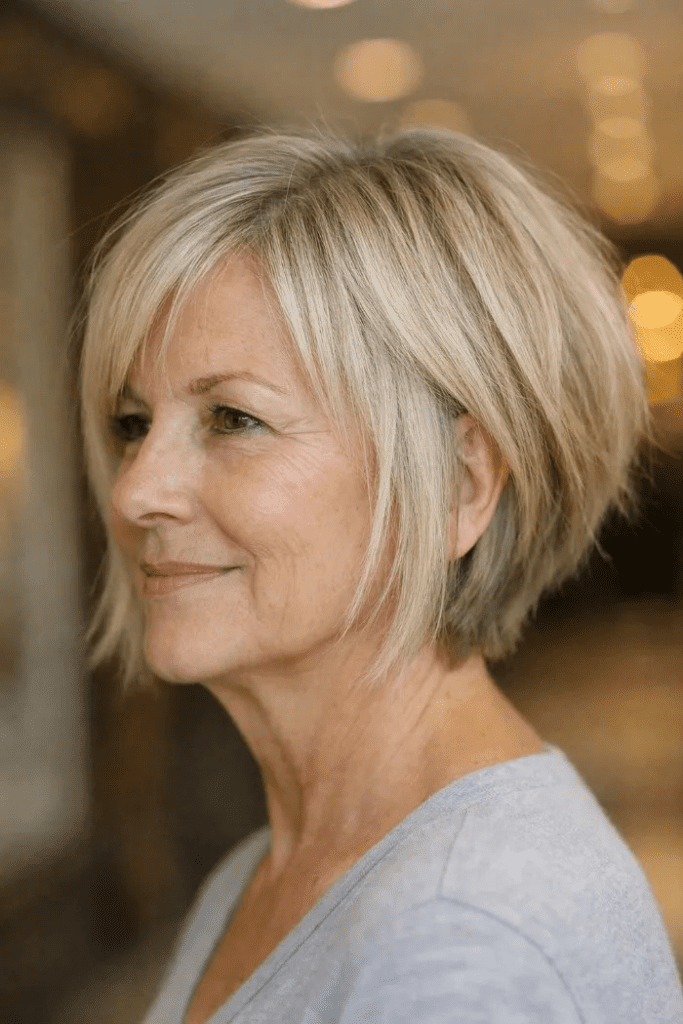
The stacked angled bob adds a geometric elegance to the choppy bob that makes it one of the most polished options in this guide. The angle — front sections kept slightly longer, back sections shorter and stacked — creates a diagonal line that elongates the neck and adds directional movement across the whole cut. The choppy layers prevent the angled geometry from feeling too sharp or severe, keeping the overall impression warm and approachable.
What to ask for: A choppy bob with an angled front-to-back line — longer at the front, shorter and stacked at the back — and choppy layering through the crown that prevents the geometric shape from looking too rigid. Ask for the angle to be gentle rather than dramatic for the most wearable result.
Best for: Most hair types. Particularly flattering for women with round faces, as the angled front sections create length and direction that slim the face visually.
Styling tip: A round brush directing the front sections toward the face during blow-drying emphasizes the angled framing effect. The stacked back maintains its own shape through the graduation — minimal additional styling needed there.
Why it works: The angle in front elongates the neck and creates a directional line that draws the eye — making the whole cut look very intentional and considered. The stacked back gives it structural volume. The choppy layers give it personality. Three strong elements working together.
17. Longer Choppy Bob
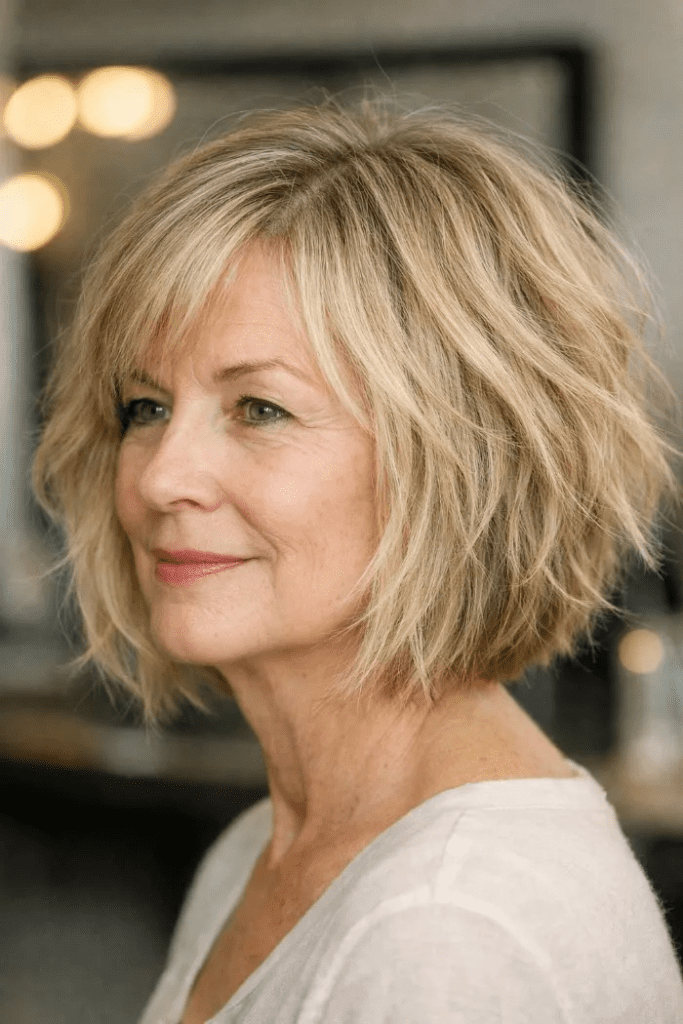
Closing the guide with the most shoulder-adjacent option — a longer choppy bob that gives you the texture and movement of a choppy cut with enough length to feel softer and more versatile. The layers prevent the length from feeling heavy at the ends, and the overall cut has enough interest and character to look deliberate at this longer length. It grows out beautifully between trims and suits women who want choppy energy without going very short.
What to ask for: A longer bob sitting around or just above the shoulders with choppy layering through the mid-lengths and ends that adds movement without creating a heavily layered, sparse finish. Ask for the perimeter to retain some weight for fullness while the interior layers add the choppy texture and movement.
Best for: Most hair types and face shapes. The longer length is particularly good for women who are not yet ready to go very short but want more movement and personality than a classic shoulder-length cut provides.
Styling tip: This length is easy to tuck behind the ear for a clean, versatile everyday look. A texturizing spray through damp hair before air-drying brings out the choppy layers naturally. For a more polished finish, a few bends with a large barrel iron and then a shake with the fingers gives a relaxed, modern result.
Why it works: The longer choppy bob is the most grow-out-friendly cut in this guide — the choppiness disperses the visual evidence of growing out so effectively that the cut looks intentional for significantly longer between appointments than any smooth version of the same length.
How to Choose Your Choppy Bob Based on What Matters Most
Use these three priorities to find your best match quickly.
If you want maximum volume at the crown: The choppy crown layers bob (#9), the short stacked choppy bob (#15), and the stacked angled choppy bob (#16) all specifically address crown flatness and build volume through the cut’s structure.
If you want softness around the face: The choppy bob with face-framing (#5), the curtain bangs version (#8), and the side-swept bangs version (#6) all add gentle forward framing that opens the face beautifully.
If you want the lowest possible maintenance: The tousled wash-and-wear bob (#1), the shaggy choppy bob (#14), and the textured wavy bob (#12) all look better with less effort rather than more — air-dry and go.
If you want polish with movement: The blunt meets choppy bob (#2), the soft layered choppy bob (#7), and the feathered choppy bob (#11) give you the movement of a choppy cut with a cleaner, more refined finish.
If your hair is fine or thinning: The micro choppy bob (#13), the airy fringe bob (#10), the blunt meets choppy bob (#2), and the choppy crown layers bob (#9) are specifically designed to work with fine hair’s specific needs.
What to Tell Your Stylist
Three things that make the biggest difference at the appointment.
Be specific about the three priorities. Nape shape (tapered vs rounded), crown volume (stacked vs flat), and face framing (bangs, face-frame pieces, or neither). These three details change the entire character of the cut, and being clear about all three before the scissors come out gets you a much better result.
Say how much styling you genuinely want to do. If the honest answer is five minutes maximum, ask for a cut designed to air-dry well. If you enjoy blow-drying and have fifteen minutes, a more structured option gives you more to work with. There is no wrong answer — the right answer is the honest one.
Ask about grow-out specifically. The best choppy bobs look good at eight weeks, not just at two. Ask your stylist which version of the choppy bob will grow out most naturally for your specific hair texture, and how long you can realistically wait between appointments before the shape needs refreshing.
Final Thoughts
The choppy bob works for women over 60 because it meets the hair where it actually is — fine, a little flatter than it used to be, possibly transitioning in color — and gives it a shape that makes all of those qualities look like features rather than problems. The texture adds what fine hair lacks. The layers lift what gravity pulls down. The personality of the cut does the styling work that used to require more product and more time.
Save the versions that kept drawing you back. Pay attention to what specifically attracted you — the fringe, the crown volume, the nape, the overall length. Share those specific details with your stylist alongside the photo. A choppy bob that is designed for your specific hair and your specific priorities should feel easy every single day — not just on the day you leave the salon.
Do choppy bobs work for fine or thinning hair over 60?
Yes — and they often work better than smooth bobs for fine hair. The choppy texture creates visual density through dimension and light-catching that makes fine hair look fuller than it actually is. The key is having layers placed correctly — crown layers for lift, textured ends for dimension — without over-thinning that leaves fine hair looking sparse. Ask specifically for a stronger perimeter combined with lighter texture through the interior rather than heavy thinning throughout.
What is the easiest choppy bob to maintain over 60?
A chin-length choppy bob with soft layers or a longer choppy bob are consistently the most low-maintenance options because they grow out naturally without obvious stages and look acceptable with minimal daily styling. If you want the back to stay neat between appointments, ask for a tapered nape specifically — it holds its shape longer than a rounded or bulky back. The tousled wash-and-wear version requires almost no daily effort at all.
How often do I need trims with a choppy bob?
Most women find six to eight weeks is the ideal frequency. Shorter, more structured versions — the micro bob, the stacked angled bob, the crown layers bob — typically need attention at six weeks as the shape changes quickly. Longer, shaggier, and more relaxed versions can often wait eight to ten weeks without the cut losing its character. The texture of choppy layers disperses grow-out more gracefully than blunt cuts, which is one of its greatest practical advantages.
Can a choppy bob help blend a color transition or gray grow-out?
Yes — and it is one of the most effective tools for this. Choppy texture disperses the line of demarcation between different color sections by breaking it up rather than presenting it as a solid horizontal line. Women transitioning to natural silver or gray often find that a choppy bob makes the grow-out process look intentional and stylish rather than noticeable and awkward. Ask your stylist to specifically consider the color transition when placing the choppy layers.
What products work best for maintaining a choppy bob over 60?
A volumizing mousse at the roots before blow-drying or air-drying is the single most useful product for most choppy bob styles. A root-lifting spray targeted at the crown addresses flatness specifically. A light texturizing spray adds dimension and separation to the choppy layers on days when the texture needs refreshing. A light flexible hold spray maintains shape without stiffness. Avoid heavy creams and serums through the mid-lengths, which flatten choppy texture and weigh fine hair down.