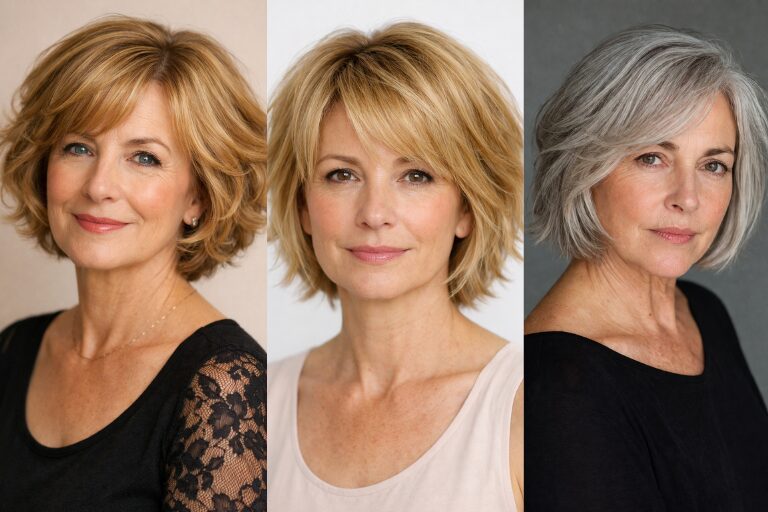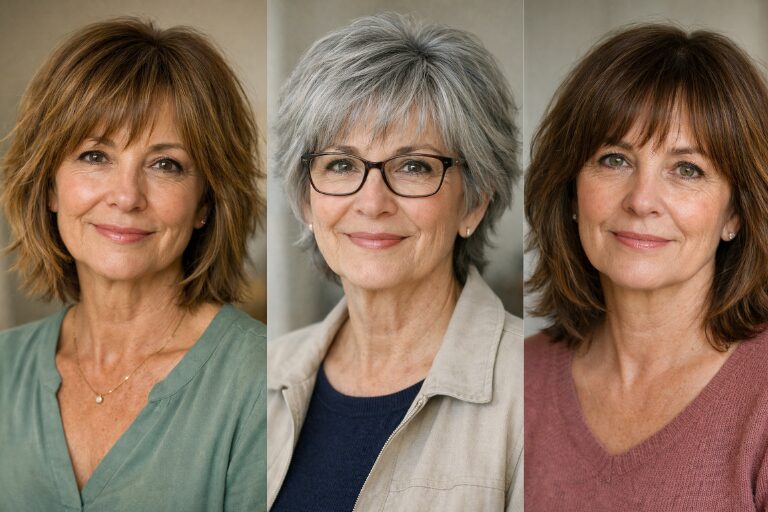
19 Hairstyles With Bangs for Older Women That Frame the Face and Feel Completely Natural
Bangs have a complicated reputation for women over a certain age — and honestly, most of that reputation is undeserved. The problem is almost never bangs themselves. The problem is the wrong version of bangs: too heavy, too blunt, too precisely cut, too demanding to maintain. Get any of those details wrong and the result feels like something you are managing rather than something you are wearing.
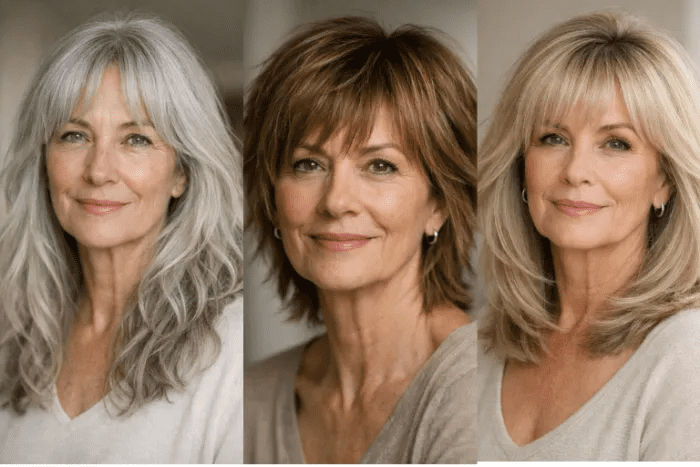
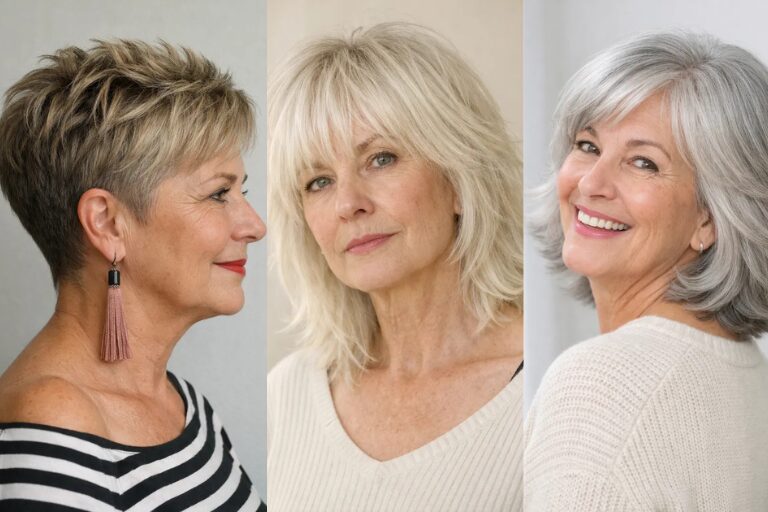
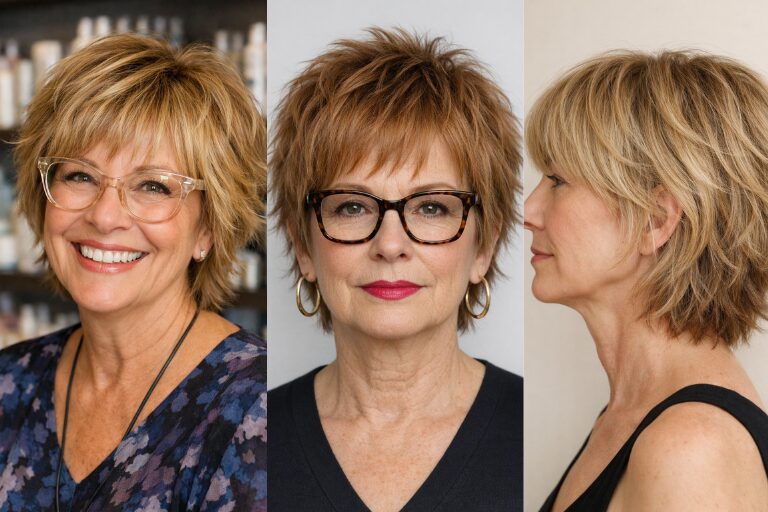
Get them right, and bangs are one of the most genuinely flattering things you can add to a hairstyle at any age. They draw attention to the eyes. They soften strong forehead lines and angles. They add a forward interest and face-framing quality that no other styling technique fully replicates. And when they are cut with the right lightness and the right blend — which is what this guide is entirely about — they grow out beautifully and require very little daily attention.
The shift that matters as hair texture and density change after 60 is understanding that softer, lighter, more blended versions of bangs consistently work better than dense, heavy, precisely cut ones. Wispy rather than blunt. Curtain rather than full fringe. Side-swept rather than straight across. Feathered rather than uniform. These distinctions seem small but they change the entire experience of wearing bangs — from something that requires daily maintenance to stay looking right, to something that looks better as it naturally settles through the day.
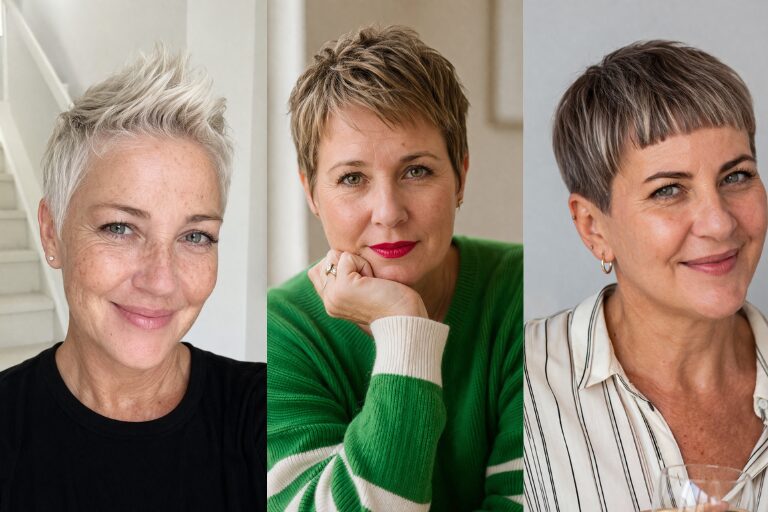
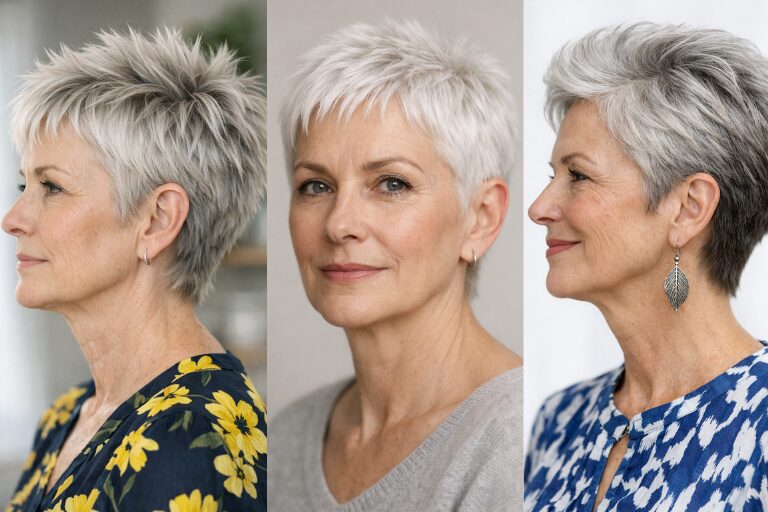
These 19 hairstyles with bangs for older women cover the full range of what works — from the subtlest wispy fringe to a more statement-making full bang, in every length from short to long. Every look comes with what to ask for at the salon, a styling tip, and why it works specifically for older women’s hair.
What Bangs Do for Older Women’s Hair — and What to Avoid
Understanding these principles makes choosing and maintaining bangs significantly easier.
Bangs draw attention to the eyes. This is their greatest gift at any age — but particularly after 60, when the eyes are often the most expressive and most beautiful feature of the face. A fringe that sits just above or at the brow frames the eye area in a way that no other hairstyle element does.
Softness is always the goal. Heavy, blunt-cut bangs can look harsh against facial features that have gained softness and character with age. Bangs cut with thinning shears, point-cut, or feathered have a lightness that suits mature hair and mature features far better.
Lighter bangs work better on finer hair. Fine hair cannot support a thick, dense fringe — the weight of the bang pulls it flat and creates a sparse, over-worked look. Lighter bangs — wispy, separated, or feathered — suit fine hair perfectly because they are designed for lightness.
Grow-out matters more than the initial look. The best bang for older women is one that grows out gracefully over six to eight weeks rather than requiring a trim every three weeks to stay looking right. Longer, blended, side-swept, and curtain bang styles grow out most forgivingly.
Bangs do not need to be perfectly styled every day to look good. In fact, the best bangs for everyday life look slightly more relaxed and natural than the day-after-salon version. A fringe that settles naturally into the face rather than needing to be blow-dried into precise position every morning is the most realistic and most wearable option.
19 Hairstyles With Bangs for Older Women
1. Soft Blowout With Full Bangs
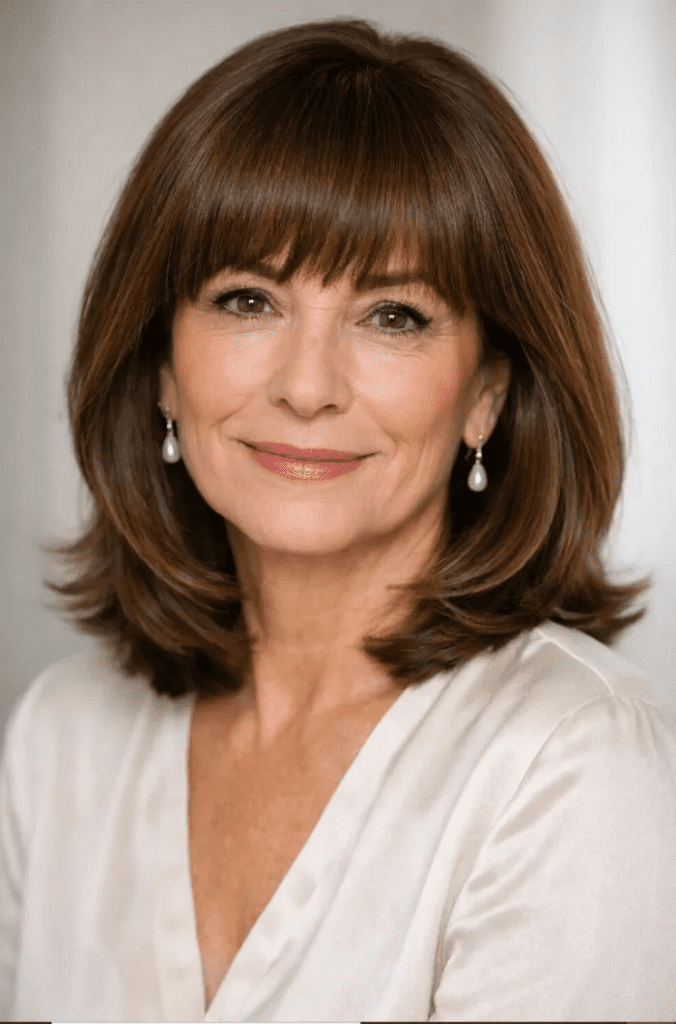
This is the most polished and most deliberately groomed look in the guide — a smooth, volumized blowout through the lengths with full bangs sitting just above the brow. It has a put-together, occasion-ready quality that suits both smart-casual and formal settings. The full bangs add a directness and confidence that softer, wispier fringes do not have, and the blowout gives the whole look a finish that reads as genuinely cared for.
What to ask for: Full bangs cut to sit just above the brow — not quite at the brow, as this can feel heavy — with a slightly imperfect, softened edge rather than a blunt straight cut. Ask for the bangs to be blended slightly at the outer corners to prevent a sharp demarcation where the bang ends and the sides begin.
Best for: Medium-density hair that benefits from structure. Very fine hair may find a full bang too heavy — consider the wispy alternatives later in this guide.
Styling tip: A round brush pulling the bangs straight down during blow-drying gives the most polished full-bang finish. A light hold spray over the finished bangs maintains the shape through the day without stiffness.
Why it works: Full bangs on a smooth blowout create the most complete, polished version of this look — the entire front of the face is framed deliberately and the blowout provides the smooth, luminous backdrop that makes the bangs look their most intentional.
2. Layered Blowout With Wispy Fringe
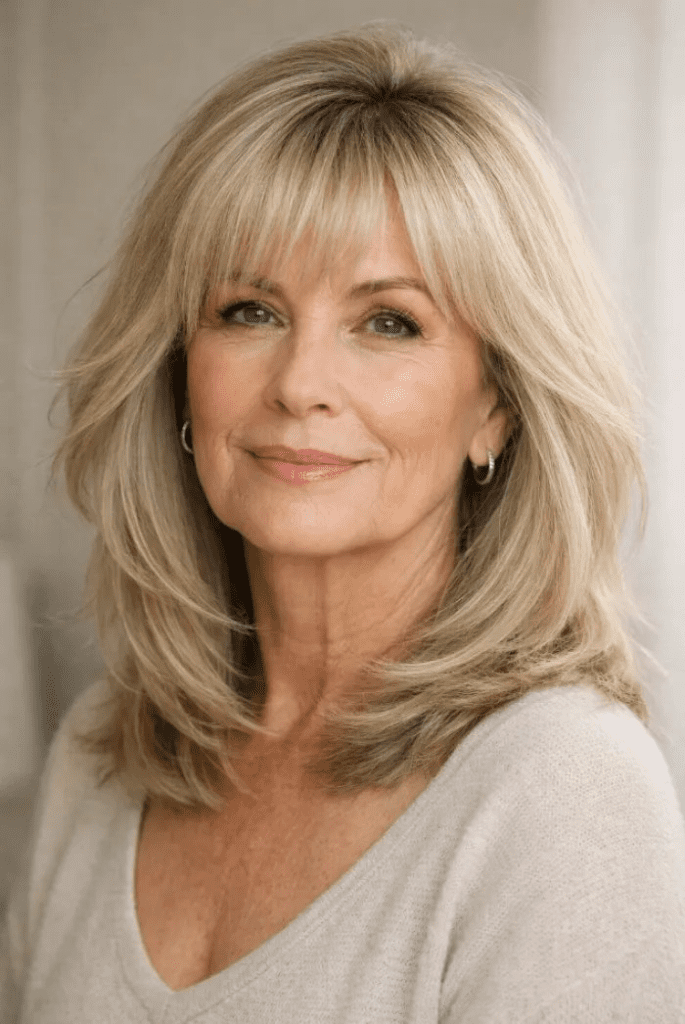
Long layers and a wispy fringe are a genuinely beautiful combination for older women — the layers add movement and prevent the hair from feeling heavy and flat, while the wispy fringe adds face-framing without any of the maintenance commitment of a fuller bang. The fringe blends so naturally into the layers at the sides that it genuinely grows out invisibly.
What to ask for: Long layers that keep the cut light through the ends, with a wispy fringe cut using thinning shears for maximum lightness and natural movement. The fringe should blend into the sides rather than sitting as a distinct section — this is the detail that makes it most forgiving to grow out.
Best for: Fine to medium hair. The wispy fringe is particularly excellent for fine hair because it adds forward interest without the weight of a full bang that fine hair struggles to support.
Styling tip: A light mousse or curl cream through slightly damp hair before air-drying gives this style its most natural, effortless finish. The fringe can be lightly directed forward with a small brush during blow-drying or simply left to fall naturally — both look beautiful.
Why it works: The wispy fringe on a layered blowout creates a face-framing quality that is present without being demanding. It looks like the front of the hair simply falls this way naturally — and that naturalness is always the most flattering quality in a mature hairstyle.
3. Blunt Bangs With Natural Texture
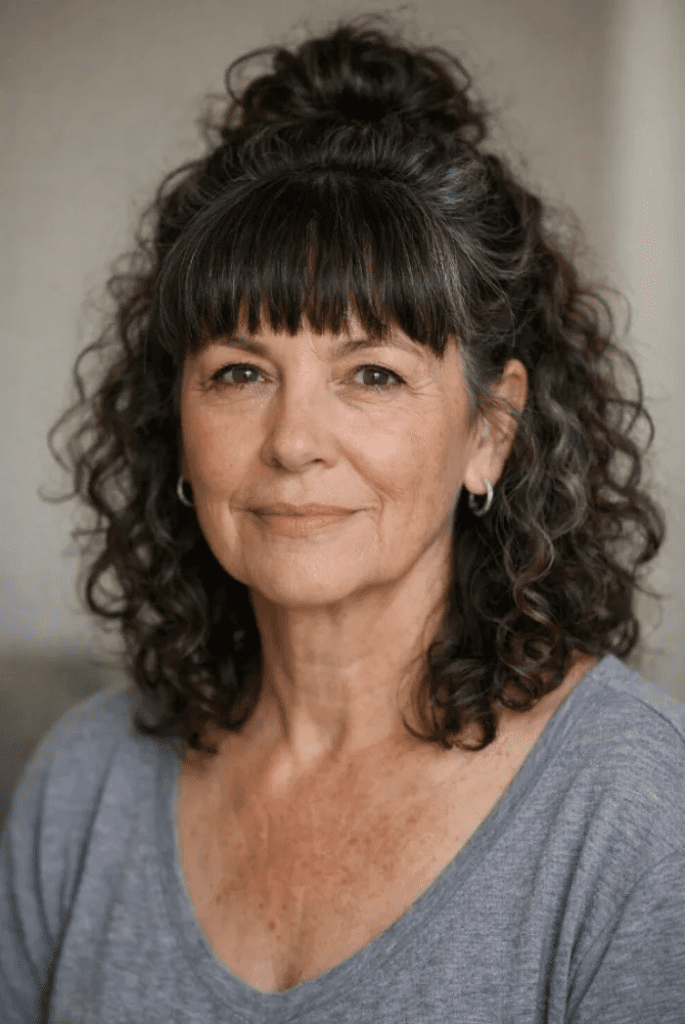
Blunt bangs are the most confident and most graphic fringe option in this guide — they make a clear, deliberate statement and frame the eyes with precision. The natural texture surrounding them is the essential counterbalance — without it, blunt bangs on a smooth, precise cut can look too formal or too youthful. With natural texture through the sides and lengths, the blunt precision of the bangs reads as stylish rather than severe.
What to ask for: Blunt bangs cut to just above the brow, with a slightly imperfect finish — ask your stylist to cut them with small scissors and then soften the very edge with a light point-cut rather than leaving a perfectly sharp line. Natural texture through the surrounding hair keeps the overall look relaxed.
Best for: Medium to thick hair with enough natural movement to provide the textural contrast that makes blunt bangs work so well. Very fine hair may find the precision of blunt bangs too heavy.
Styling tip: Resist the urge to over-style blunt bangs — they look best when they settle naturally rather than being blow-dried into a perfectly smooth, precise position every morning. A light cream through the bangs while slightly damp allows them to dry into their natural fall.
Why it works: The contrast between the precise blunt line of the bangs and the relaxed natural texture around them creates a deliberate stylistic tension that is genuinely modern. It signals that the bangs were a considered choice rather than a default.
4. Casual Updo With Soft Bangs
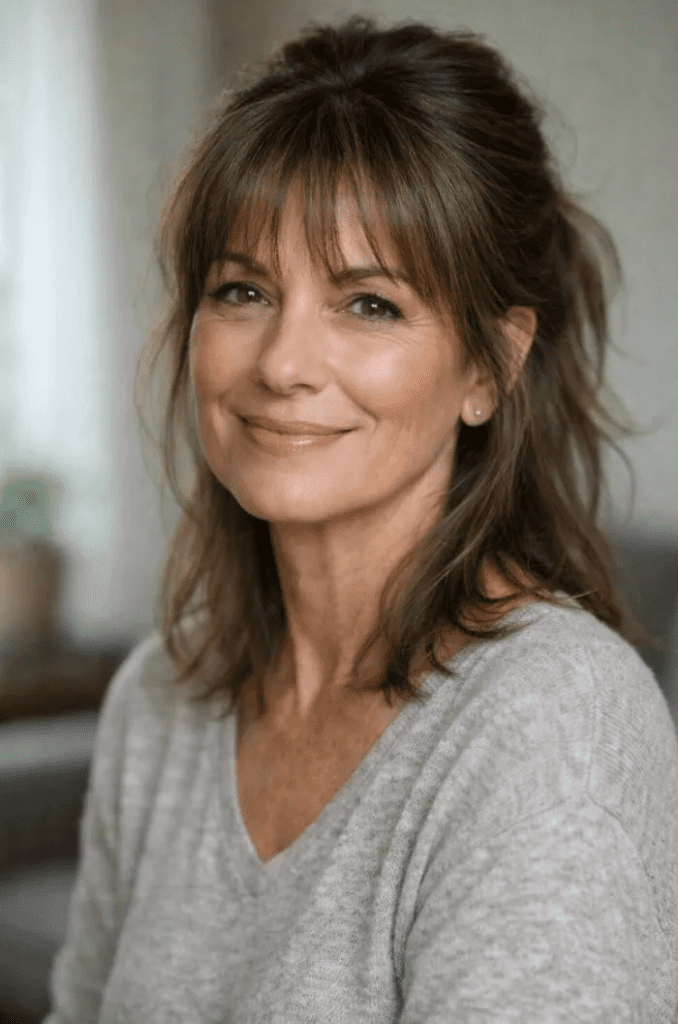
This is the most practical and most versatile hairstyle in the guide — pulled-back lengths that keep everything comfortable and out of the way, with soft bangs that frame the face and maintain a styled, finished quality even on the most low-effort days. The bangs are the single element that prevents a simple updo from looking completely undone.
What to ask for: Soft bangs that fall naturally across the forehead without requiring precise styling — ask for them to be cut slightly longer than you might initially think and for the edges to be softened so they settle naturally rather than sitting stiffly. The updo itself can be any variation — a low bun, a loose chignon, or a simple clip.
Best for: Straight to slightly wavy hair of most densities. The soft updo-plus-bangs combination is one of the most universally wearable in this guide and suits most face shapes and hair types.
Styling tip: A quick spritz of dry shampoo through the bangs on day two or three refreshes them and prevents oiliness without requiring any styling. The bangs should feel like they require zero effort to look appropriate — if they do, they have been cut correctly.
Why it works: The soft bangs with a casual updo creates the impression of a deliberately styled look while requiring almost no daily effort. The bangs do all the face-framing work while the updo handles the practicality.
5. Natural Curls With Short Fringe
Curly hair and bangs require specific consideration because the curl pattern in the fringe section behaves very differently from the rest of the hair — the curl spring means bangs that appear long enough when wet will sit much shorter when dry. A short fringe cut specifically for curl sits intentionally across the forehead and blends naturally into the curl pattern at the temples, creating a look that feels very deliberate and very flattering.
What to ask for: A short fringe cut specifically for your curl pattern — ask for a dry cut on the fringe so the stylist can see exactly how the curl spring affects the final length. The fringe should sit lightly across the forehead and blend into the curl texture at the temples rather than being cut as a distinct, separate section.
Best for: Naturally curly hair from type 2c upward. The curly fringe requires a stylist experienced with curly hair cutting — ask specifically about their experience with curly bangs before committing.
Styling tip: The fringe should be treated the same way as the rest of the curly hair — curl cream or mousse applied to wet hair, scrunched, and diffused. Avoid straightening or blow-drying the fringe flat, which disrupts the curl pattern and creates an awkward mismatch between the straight fringe and the curly lengths.
Why it works: A short curly fringe that is cut correctly for the curl pattern feels like a natural expression of the hair’s own personality rather than an imposed element. It sits with the curl rather than against it, creating a cohesive, intentional look.
6. Soft Curls With Curtain Bangs
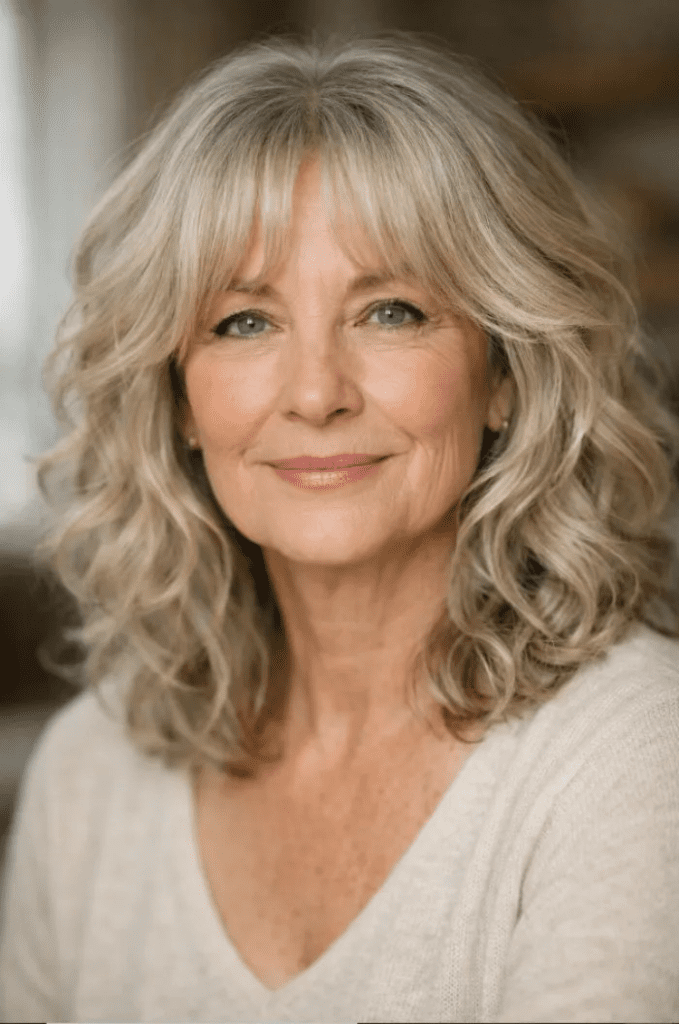
Curtain bangs on curly hair are the most low-maintenance and most grow-out-friendly fringe option available — they part naturally in the center, move with the curl pattern rather than fighting it, and become longer face-framing pieces as they grow rather than requiring a trim to stay looking right. For older women with curly hair, this is the fringe option that requires the least management while delivering the most flattering face-framing result.
What to ask for: Curtain bangs cut to work with the natural curl pattern — shorter at the center, graduating longer toward the temples, blending naturally into the curl lengths. Ask for a dry cut if possible. The goal is bangs that fall into place naturally when the curls are styled rather than requiring specific fringe styling.
Best for: Naturally curly or wavy hair. Curtain bangs are one of the most universally flattering fringe options for curly hair because they move with the curl’s natural direction rather than imposing a direction on it.
Styling tip: Style the curtain bangs the same way as the rest of the curls — no separate treatment needed. They should fall naturally into their center-parted position as the hair dries. A diffuser on low heat gives the most natural, defined result.
Why it works: Curtain bangs on curls create an open, face-framing quality that works with the natural movement of the hair rather than against it. They balance the volume of curly hair beautifully — the center part prevents the hair from overwhelming the face while the curling fringe frames the forehead softly.
7. Straight Hair With Classic Curtain Bangs
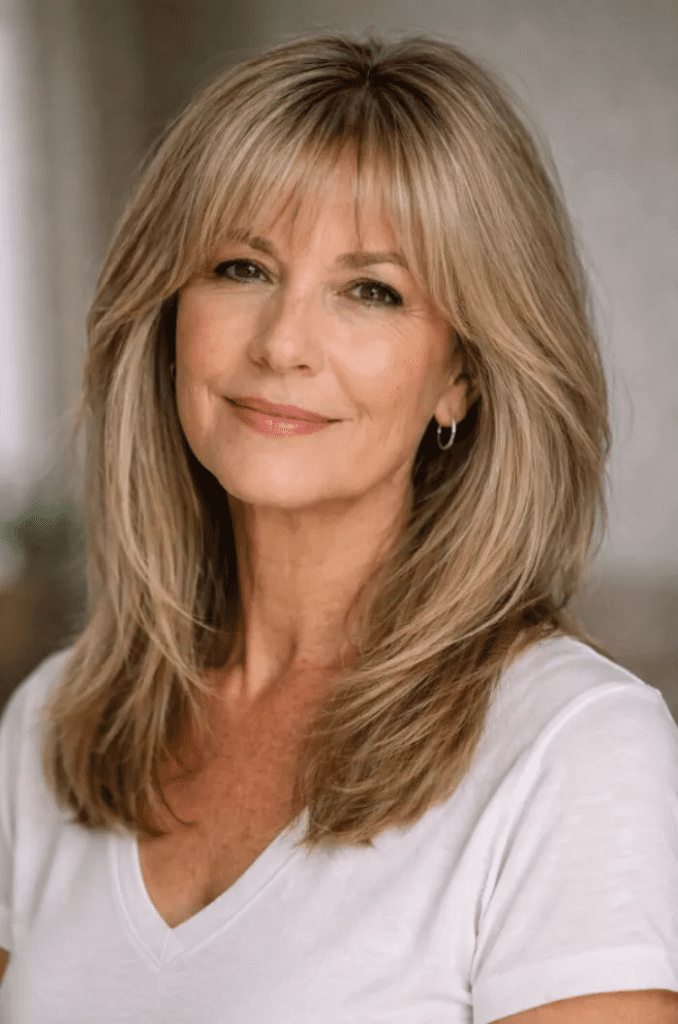
On straight hair, curtain bangs have a clean, fluid quality — they lie smooth, part naturally in the center, and create a symmetrical face-framing that is both classic and very contemporary. They are arguably the most universally flattering bang style available because they open the face symmetrically, draw the eye upward to the eyes and cheekbones, and suit virtually every face shape when the length and graduation are right.
What to ask for: Curtain bangs shorter at the center and gradually longer toward the temples, blending naturally into the front layers. Ask for the bangs to be cut at a length that can be swept fully to each side — if they are too short, they will not part or sweep naturally. A light texture at the ends of the bangs prevents them from sitting too flat and heavy.
Best for: Straight to lightly wavy hair of most densities. This is the most versatile fringe option in the guide and suits the widest range of face shapes and hair types.
Styling tip: A small round brush in a C-shape during blow-drying, directing each side of the curtain outward from the center, gives the most flattering result. A light flexible cream through the bangs keeps the sweep in place without stiffness.
Why it works: Classic curtain bangs frame the face from the center outward, creating a balanced, symmetrical opening that suits virtually every face shape. On straight hair they lie beautifully flat with natural movement that looks effortless rather than styled.
8. Feathered Bangs With Layered Length
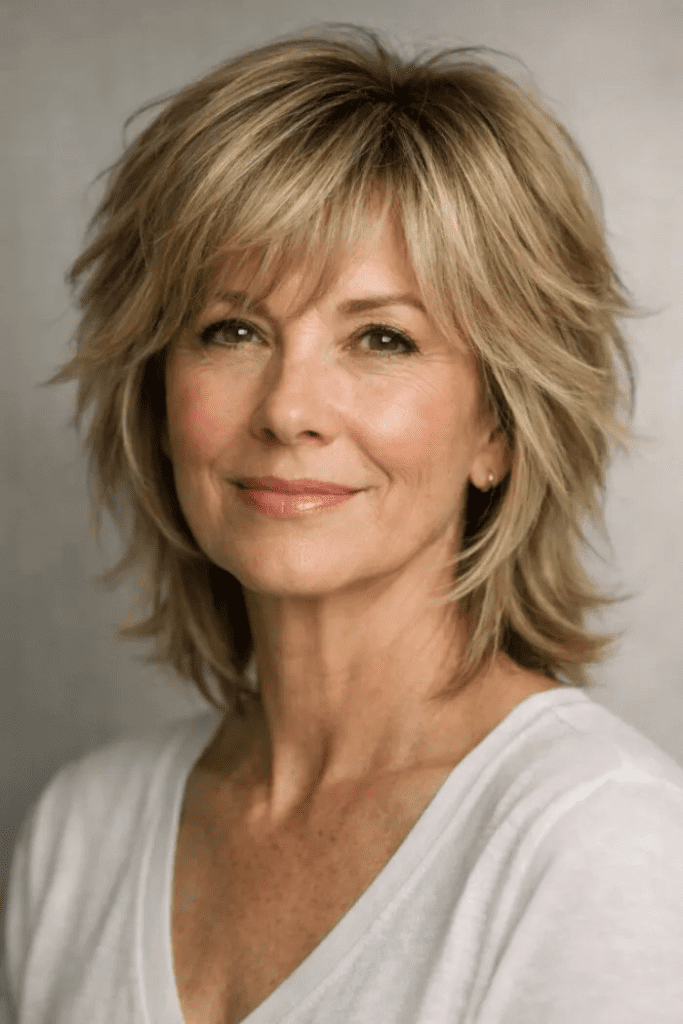
Feathered bangs have a softness and airiness that suits older women’s hair beautifully — they skim the forehead rather than sitting flat against it, creating a gentle, floating quality that looks very different from a blunt or full fringe. On fine hair specifically, the feathering prevents the bangs from appearing flat and sparse while adding the impression of fullness through movement.
What to ask for: Feathered bangs cut with thinning shears applied specifically through the surface of the fringe section — the feathering should create tapered, graduated ends rather than a uniform length. Paired with gentle layers through the lengths for a cohesive, balanced overall shape.
Best for: Fine to medium hair. Feathered bangs are one of the most effective fringe options for fine hair because they are specifically designed to be light — they complement rather than overwhelm the hair’s natural delicacy.
Styling tip: A light volumizing mousse through the bangs before blow-drying, then a small round brush lifting the fringe section slightly upward during drying, gives the most natural feathered finish. The lift prevents the feathered bangs from lying completely flat.
Why it works: Feathered bangs create a gentle movement across the forehead that is more flattering and more natural-looking than any more precisely cut fringe. They skim and flutter rather than sitting in a fixed position, which gives the whole face a lighter, more animated quality.
9. Lightweight Bangs With Soft Movement
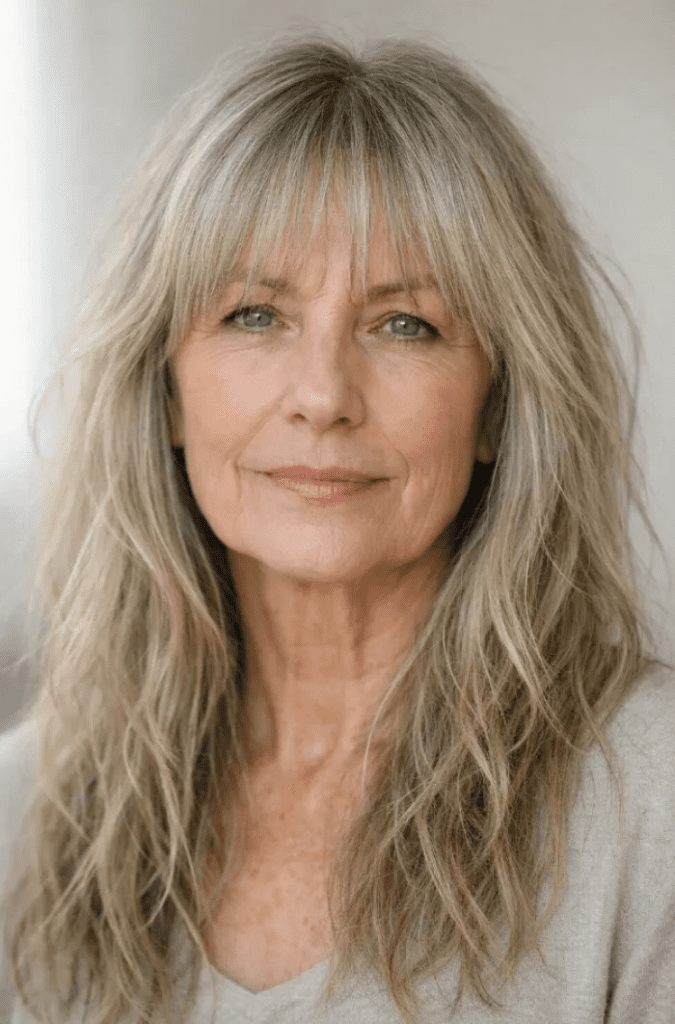
Lightweight bangs are the fringe option specifically designed for women who want coverage and face-framing but are concerned about commitment, weight, or maintenance. They move easily, do not require precise daily styling, and grow out without creating an awkward in-between stage. The key to their success is that they are cut slightly longer than standard bangs and with significant thinning through the ends.
What to ask for: Bangs cut slightly longer than you might initially request — approximately brow level or just below — with thinning shears through the ends for maximum lightness. Ask for them to blend into the sides rather than being cut as a distinct, separate section. The lightness of the cut is the essential quality.
Best for: Fine to medium hair. Lightweight bangs are specifically designed for women who want the minimum possible fringe commitment while still achieving a face-framing result.
Styling tip: These bangs are designed to dry naturally into their most flattering position — minimal intervention gives the best result. A light curl cream or setting spray through slightly damp bangs, then left to air-dry, gives the most natural, soft movement.
Why it works: Lightweight bangs suit the realistic daily routine of most women — they look good without requiring a blow-dry, they move naturally through the day, and they grow out gracefully. That combination of low effort and flattering result is the ideal for everyday bangs.
10. Long Layered Waves With Soft Fringe
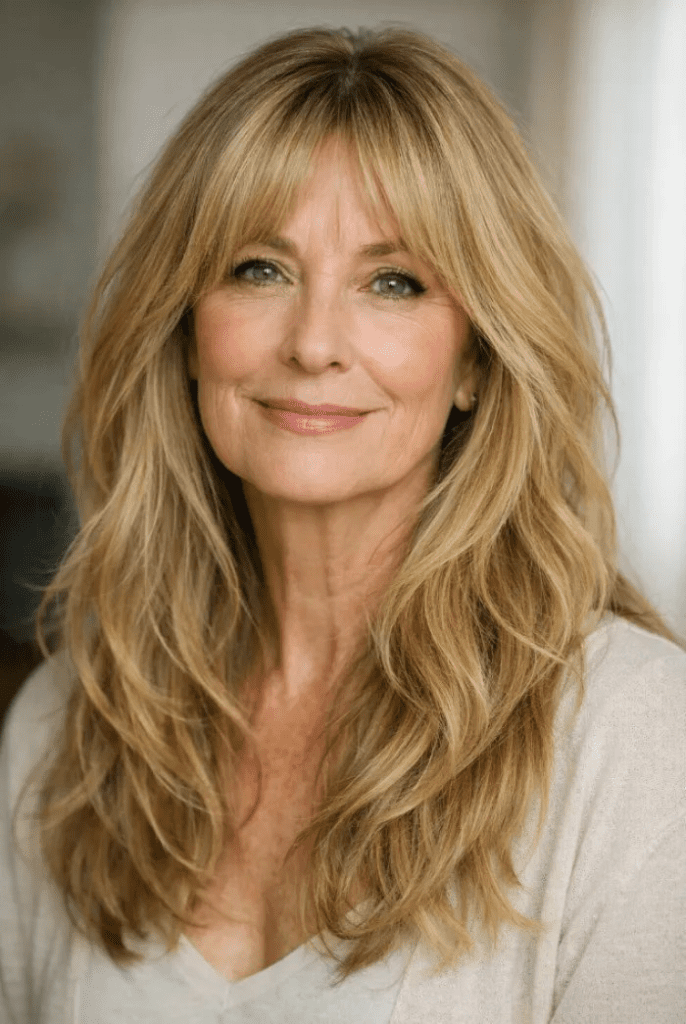
Long layered waves with a soft fringe create one of the most relaxed and most beautiful hairstyles in this guide. The fringe sits loosely across the forehead and blends into the layers so seamlessly that it reads as a natural part of the hair’s shape rather than a specific styling choice. For women who prefer longer hair, this combination adds the face-framing quality that a fringe provides without any of the styling intensity that a more defined fringe would require.
What to ask for: A soft fringe that blends naturally into the front layers — it should feel like a longer, softer version of face-framing rather than a distinct bang. Long layers through the rest of the hair add movement while the fringe sits loosely and naturally. Ask for the fringe to be cut with thinning shears for the lightest possible finish.
Best for: Fine to medium hair on women who prefer to keep length. The soft fringe on long layered waves is the fringe option for women who are not sure they want bangs but want more face-framing than a fringe-free style provides.
Styling tip: Loose, casual waves through the lengths show this soft fringe at its most natural and most beautiful. The waves give the fringe context — without movement in the lengths, the loose fringe can look simply unstyled rather than deliberately relaxed.
Why it works: The soft fringe on long waves creates face-framing without the commitment or precision of a defined bang. It is the fringe style that gives you the most flexibility — you can wear it forward for coverage or sweep it aside on days when you prefer a more open look.
11. Long Side-Swept Bangs
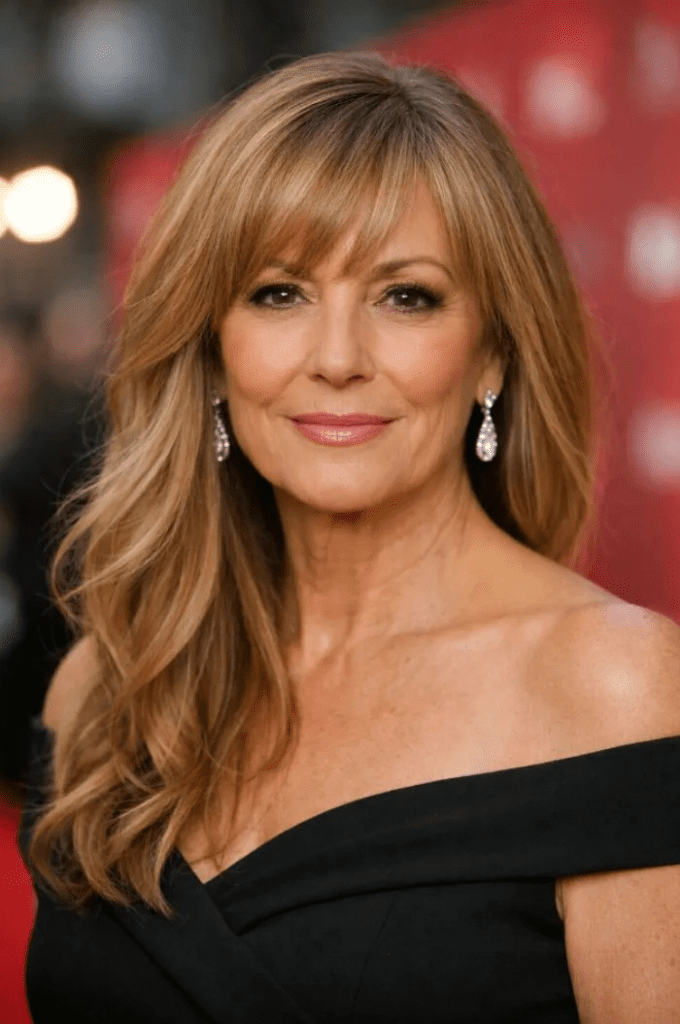
Long side-swept bangs are the most grow-out-friendly fringe option in the guide — they blend into the lengths so naturally that the difference between freshly cut bangs and six-week-grown-out bangs is almost invisible. They soften the forehead with a gentle diagonal movement that is one of the most universally flattering elements in hairstyling, and they suit virtually every face shape because the diagonal works with rather than against most facial proportions.
What to ask for: Long bangs that sweep naturally to one side and blend into the front layers — ask for the bang to be long enough to sweep fully across the forehead, approximately brow to cheekbone length on the swept side. Cut with thinning shears for maximum lightness and natural movement.
Best for: Most hair types and most face shapes. Long side-swept bangs are the single most universally versatile fringe option in this guide — they suit virtually everyone.
Styling tip: A small round brush sweeping the bangs to one side during blow-drying gives the most polished result. On lazy days, they can simply be pushed to one side with the fingertips — their length and natural fall mean they cooperate without requiring precise styling.
Why it works: The long side sweep creates a gentle, flattering diagonal across the forehead that adds softness and movement to the front of any hairstyle. It is difficult to find a face shape or hair type that this fringe does not suit.
12. Long Silver Hair With Soft Bangs
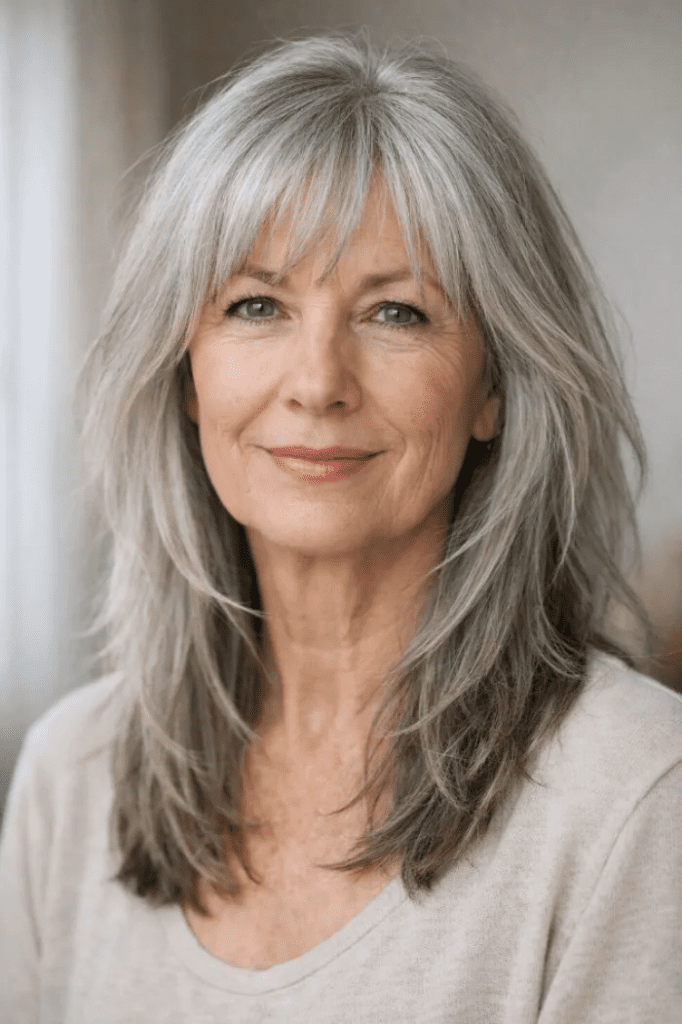
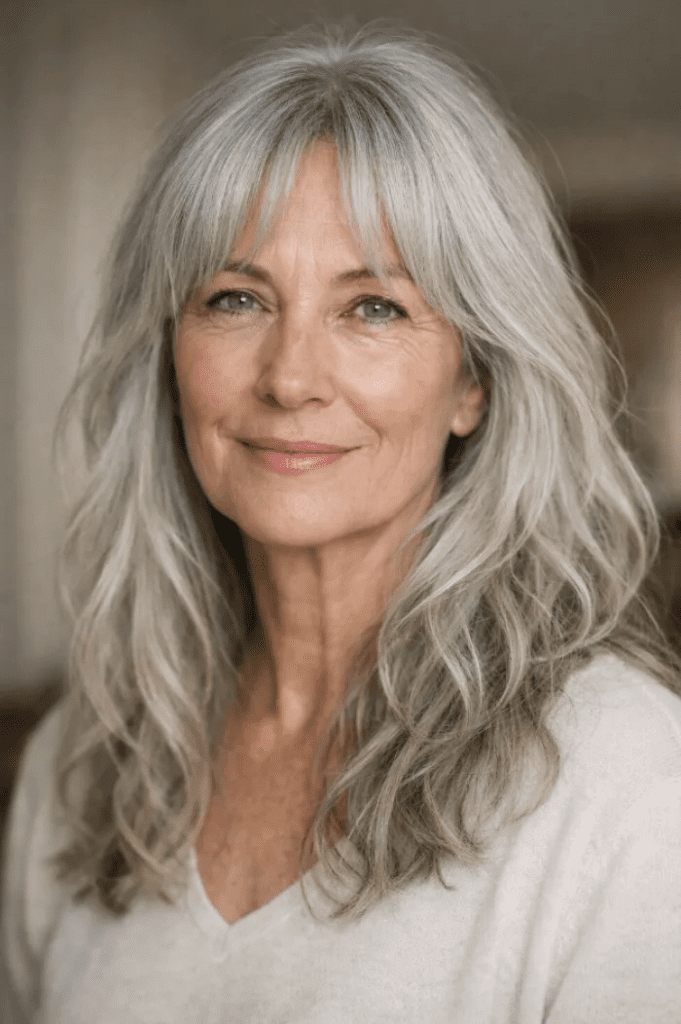
Silver and white hair with soft bangs has a specific elegance that is completely its own — the pale tone and the soft fringe together create a look that is simultaneously timeless and very contemporary. The soft bangs prevent long silver hair from looking severe or austere, adding a gentle forward movement and face-framing quality that makes the whole look feel very balanced and considered.
What to ask for: Soft bangs that sit lightly across the forehead and blend naturally into the silver lengths at the sides. Ask for the bangs to be cut slightly longer than a standard fringe and for thinning shears to be used through the ends for maximum lightness. The goal is bangs that look like a natural part of the hair’s fall rather than a distinct styling element.
Best for: Fine to medium silver or white hair at medium to long lengths. The soft bangs specifically suit the lightness and delicacy of fine silver hair — heavier or more precisely cut bangs can look harsh against silver tones.
Styling tip: A purple toning shampoo used once weekly maintains the cool, bright quality of the silver tone and prevents any yellowing that can make silver hair look dull. The soft bangs should be treated the same as the rest of the silver hair — minimal product, gentle handling.
Why it works: Soft bangs on long silver hair create a beautiful balance — the length and color make a strong visual statement, and the soft fringe ensures it reads as elegant and considered rather than simply long and unstructured. The bangs bring the eye forward and upward to the face rather than letting it travel down the length of the hair.
13. Loose Wispy Bangs
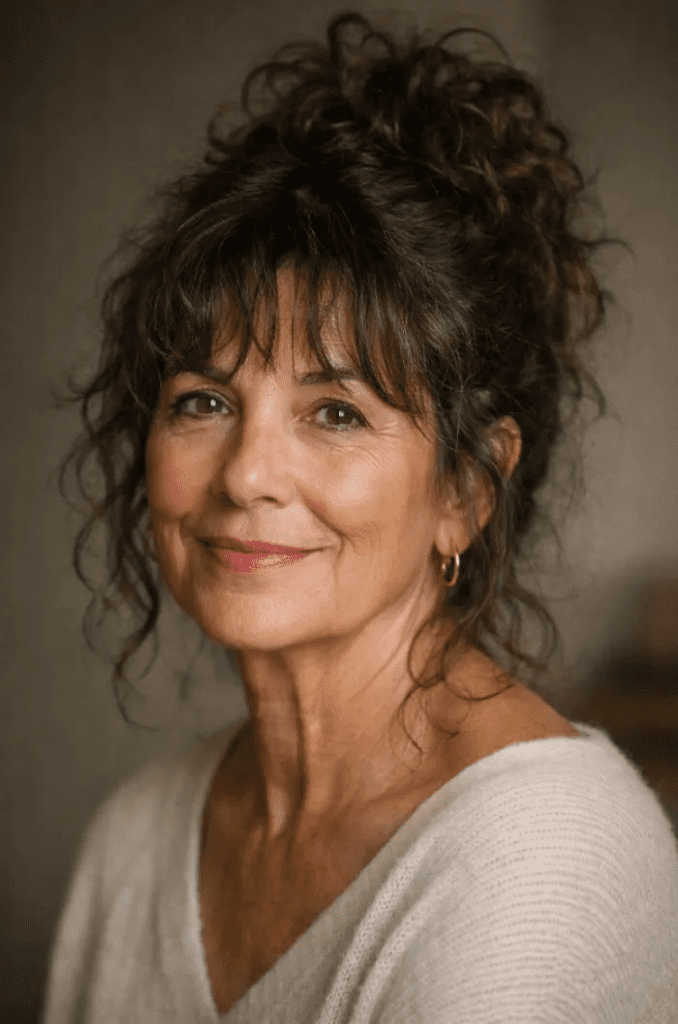
Loose wispy bangs are the most natural-looking and the most effortless fringe in this guide. They have a quality that makes them look like they happened rather than like they were cut — they move freely across the forehead, settle differently every day depending on how the hair dries, and contribute a gentle, organic face-framing quality that is impossible to replicate with any more precisely cut fringe.
What to ask for: Very light, very natural bangs cut specifically to look loose and wispy rather than structured or heavy. Ask for thinning shears throughout the bang section and for the ends to be cut with point-cutting rather than blunt-cutting. The goal is bangs that look like they grew there naturally.
Best for: Fine to medium hair. Loose wispy bangs are specifically designed for the hair’s natural lightness — they look their most beautiful on fine hair where their organic, floating quality suits the hair’s inherent delicacy.
Styling tip: Leave these bangs to dry naturally whenever possible — air-drying gives the most authentic wispy quality. A light touch of styling cream through the fingertips while slightly damp is the only product intervention needed.
Why it works: Loose wispy bangs are the most forgiving and the most familiar-feeling fringe because they never look like a dramatic styling choice. They look like the hair simply falls beautifully in a way that is very specific and very personal to the person wearing them.
14. Separated Bangs With Soft Texture
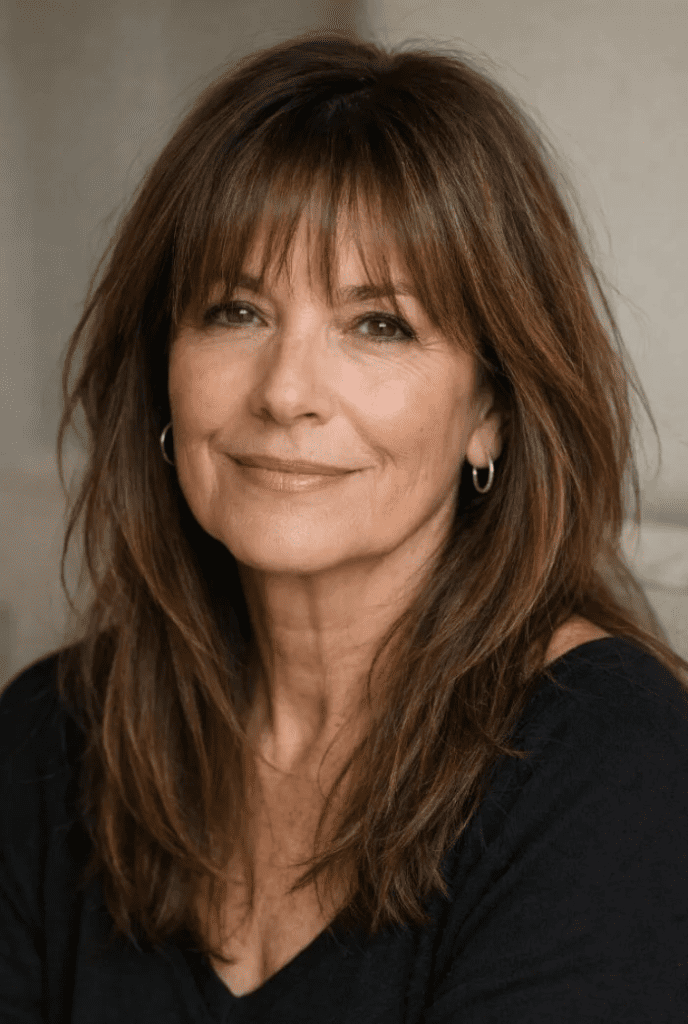
Separated bangs — where the fringe section naturally divides into soft, individual pieces rather than lying as a solid curtain — create a light, modern quality that suits older women’s hair beautifully. The separation prevents the front from looking flat or heavy, and the individual pieces catch light differently, adding a dimensional quality that smooth, solid bangs cannot achieve.
What to ask for: Bangs cut with point-cutting and thinning shears through the ends so they naturally separate into pieces when dry. Ask for the texture to feel organic rather than precisely styled — the separation should look natural. Keep the overall bang length around the brow for the most flattering framing.
Best for: Fine to medium hair with any natural movement. Separated bangs are particularly flattering on fine hair where a solid curtain of bang can look sparse and pressed — the separation creates the impression of texture and presence.
Styling tip: A tiny amount of light texturizing cream worked through the bangs with fingertips while slightly damp encourages natural separation as they dry. Do not brush separated bangs once dry — any smoothing destroys the natural piece quality that makes them look so flattering.
Why it works: The natural separation of the bang pieces creates a light, dimensional quality that makes the whole front of the hairstyle look more alive and more textured than a smooth solid fringe. On fine hair specifically, the separation is far more flattering than a dense, flat curtain.
15. Side-Swept Bangs With Soft Layers
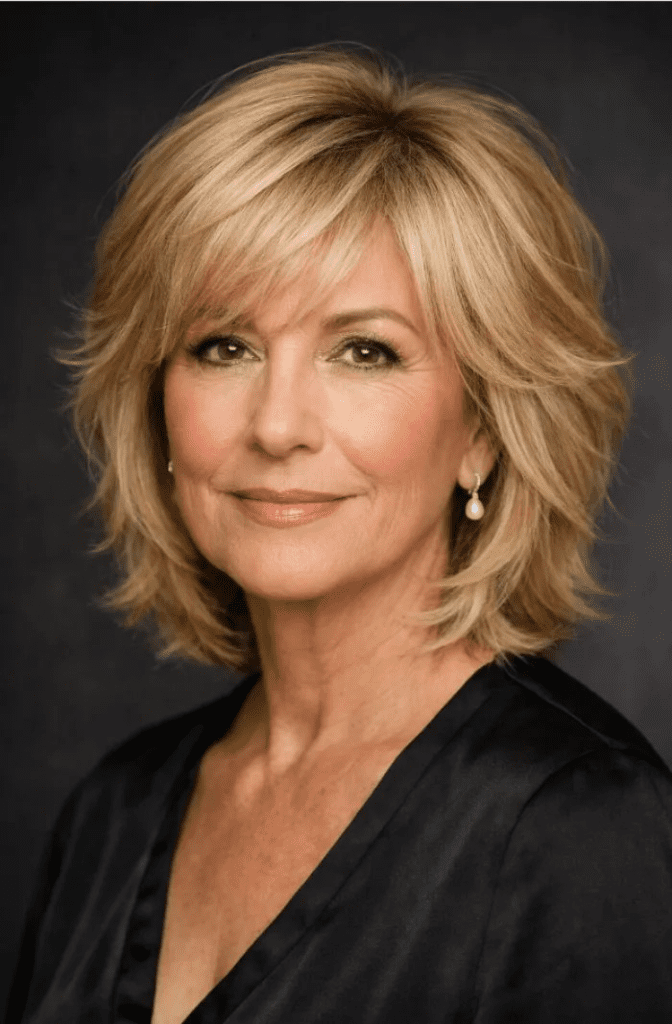
Side-swept bangs and soft layers are one of the most reliably flattering combinations for older women — the bangs add directional movement at the front and the soft layers add movement through the lengths, creating a cohesive, flowing quality that works across most hair types and face shapes. The side sweep creates a gentle diagonal that softens angles and adds visual interest simultaneously.
What to ask for: Side-swept bangs that blend naturally into soft layers through the rest of the cut — the fringe should feel like an extension of the face-framing layers rather than a separate element. Ask for soft, longer layers that add movement without removing significant end weight.
Best for: Fine to medium hair at any length from jaw to shoulder. This is one of the most versatile combinations in the guide and suits the widest range of hair textures and densities.
Styling tip: Blow-dry the side-swept bangs and the front layers in the same direction — this creates a cohesive, continuous movement from the fringe through the front of the cut that looks very polished and very flattering. A light hold spray over the finished front sections maintains the direction.
Why it works: Side-swept bangs with soft layers create a hairstyle that frames the face from multiple directions simultaneously — the sweep covers the forehead diagonally while the layers frame the cheeks and jaw. The combined framing effect is more complete and more flattering than either element alone.
16. Classic Side-Swept Fringe
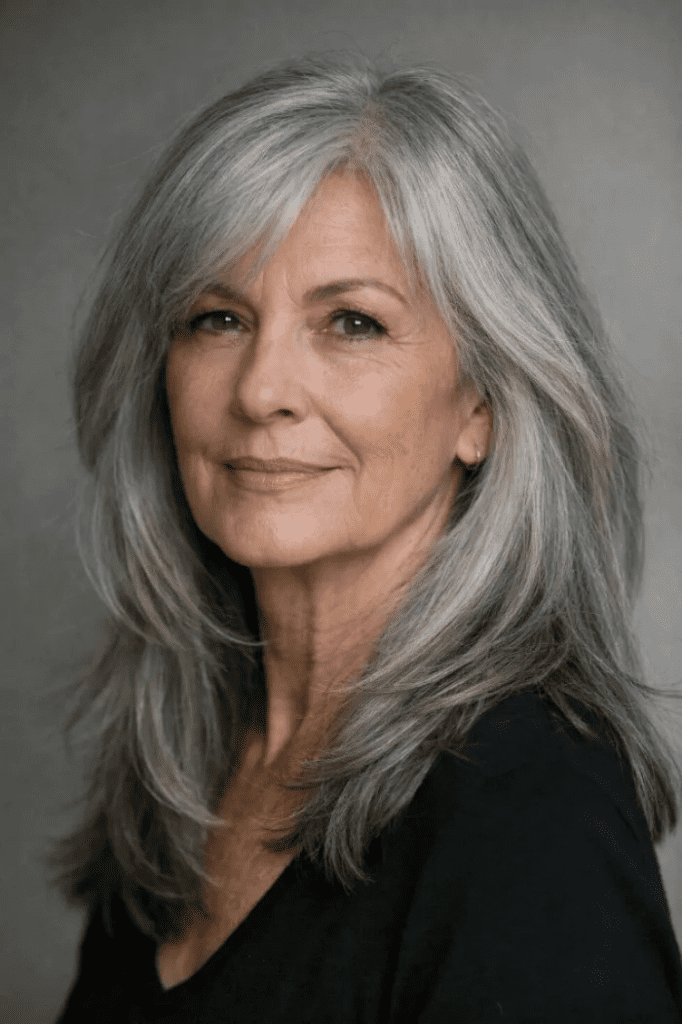
The classic side-swept fringe is the most enduring and most reliable fringe option in the entire history of hairstyling. It does not go out of style because it works — the diagonal sweep across the forehead softens features, adds forward movement to the face frame, and grows out gracefully enough that the maintenance interval is genuinely relaxed.
What to ask for: A classic side-swept fringe that blends smoothly into the rest of the cut — ask for it to be cut with the natural grain of the side-sweep rather than against it, so it falls into position without resistance. Minimal shaping and blending at the sides prevents the transition from fringe to length from being visible.
Best for: Straight to slightly wavy hair of most densities. The classic side sweep works best on hair that has a natural tendency to fall in a direction, which it can then follow rather than fight.
Styling tip: The classic side-swept fringe can be styled with the lightest possible touch — a single pass of a round brush during blow-drying, or simply pushing it to one side with the fingers while slightly damp. The less intervention, the more natural and the more flattering the result.
Why it works: The classic side-swept fringe has lasted as long as it has because it genuinely suits most face shapes and ages well. It softens the forehead without covering it, adds movement without weight, and grows out without creating an awkward transition stage.
17. Soft-Cut Bangs With Natural Shape
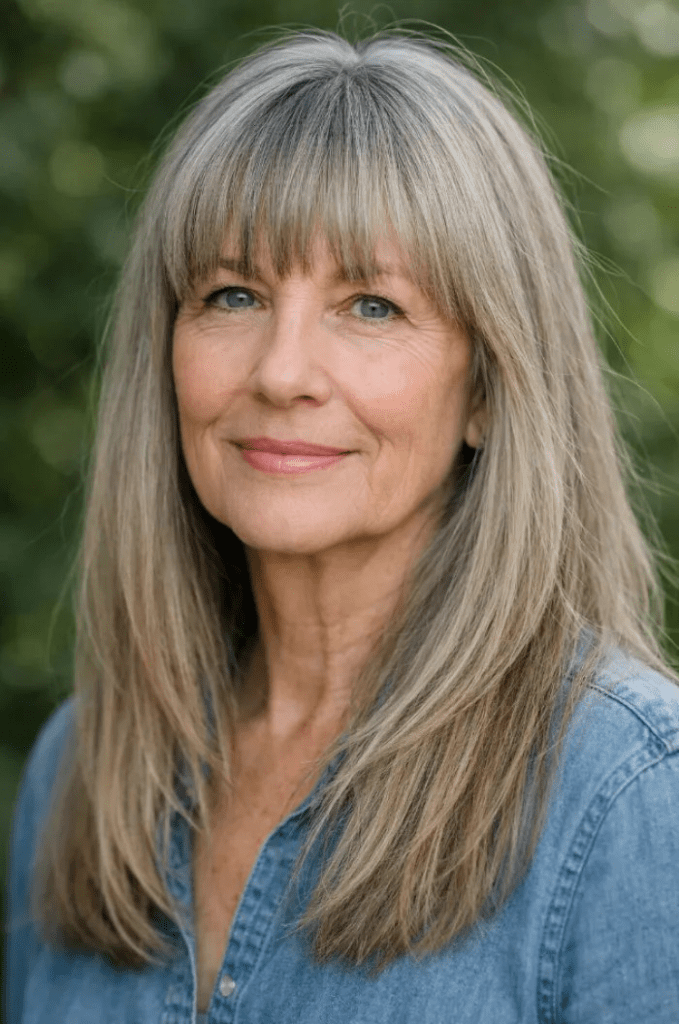
Soft-cut bangs — bangs that follow the natural fall of the hair rather than being cut to a specific, imposed shape — are the most personalized fringe option in this guide because they look different on every person who wears them. Rather than being cut to a predetermined length and shape, they are cut to follow where the hair naturally wants to sit. The result is a fringe that looks like it was not cut at all but simply grew to its most flattering natural position.
What to ask for: Ask your stylist to cut the bangs following the natural fall of your hair rather than imposing a specific shape — tell them you want bangs that look like they simply grew this way. This is a request that benefits greatly from a stylist who understands natural texture and is comfortable cutting intuitively rather than to a template.
Best for: Most hair types. Soft-cut bangs are the most adaptable option because they respond to the specific texture, density, and natural movement of each individual’s hair.
Styling tip: These bangs are specifically designed to look their best with minimal intervention — let them dry naturally and simply direct any straying pieces with the fingertips. Any attempt to impose a more precise shape on them works against their most flattering quality.
Why it works: Bangs that follow the natural fall of the hair always look more natural and more personal than bangs cut to a prescribed shape. They suit the face they are on rather than being a generic fringe applied universally.
18. Soft Wispy Bangs With Light Movement
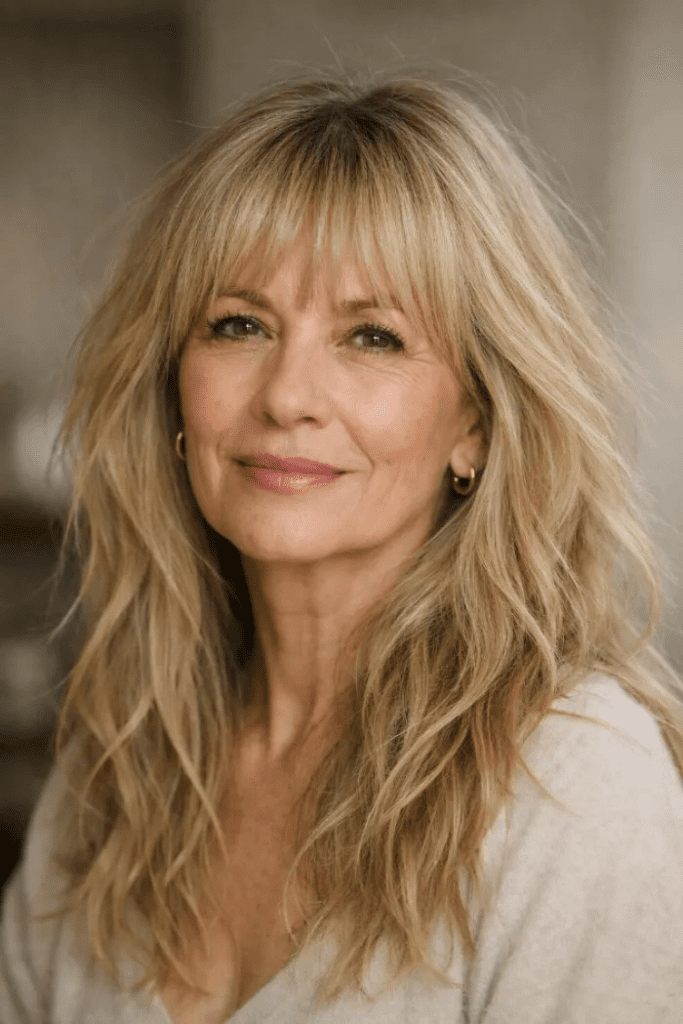
These wispy bangs occupy the lightest possible territory in the fringe spectrum — barely there, moving freely, adding just enough coverage and face-framing to feel deliberate without ever feeling heavy or demanding. They are the ideal introduction to bangs for women who have been considering them but are concerned about commitment.
What to ask for: Very light bangs cut specifically for maximum movement and minimum weight — ask for thinning shears throughout and for the ends to be as light as possible while still providing some coverage across the forehead. The bangs should feel like a whisper of coverage rather than a definitive fringe.
Best for: Fine hair of any density. These are the bangs specifically designed for the lightest hair — they complement fine hair’s natural delicacy rather than competing with it.
Styling tip: Dry shampoo applied to the roots of the bangs on day two and three adds texture and prevents oiliness without requiring any re-styling. These bangs are designed to look slightly undone — precision is not the goal, natural lightness is.
Why it works: Soft wispy bangs with light movement prove that a fringe does not need to be defined or structured to be flattering. The barely-there quality is both a practical advantage — they require nothing — and an aesthetic one — they look genuinely effortless.
19. Wispy Bangs With Long Texture
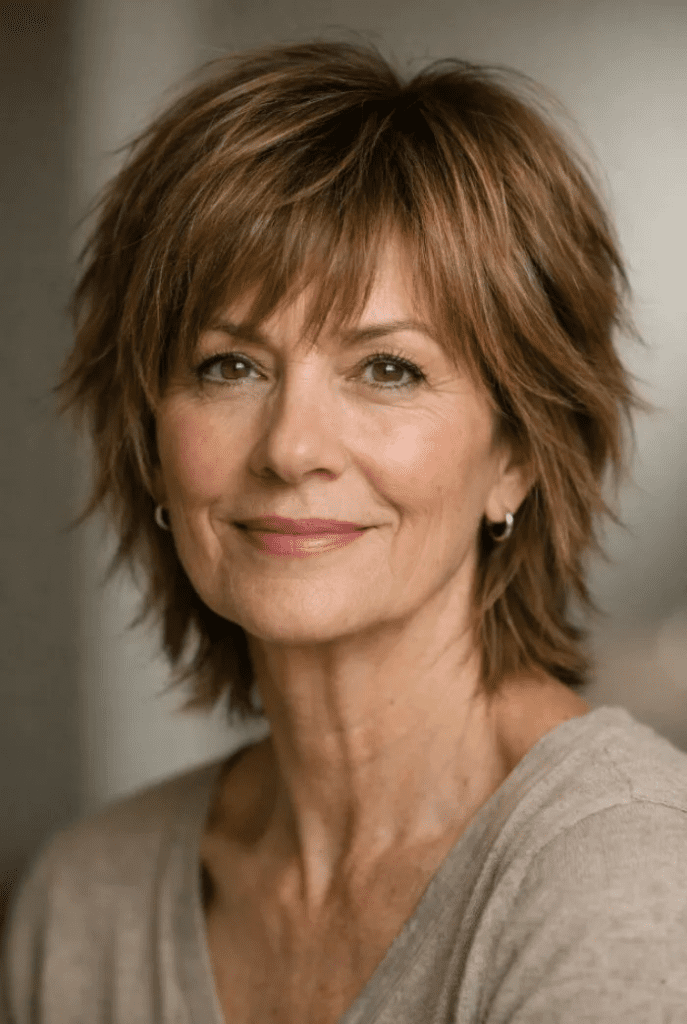
The final look combines the lightest possible wispy fringe with longer texture through the lengths — creating a hairstyle where the bangs and the body of the hair share the same organic, naturally textured quality. Nothing is precisely cut or heavily styled. Everything flows and moves together as a cohesive whole, with the wispy fringe adding just enough forward definition to feel intentional.
What to ask for: Wispy bangs that blend so naturally into the longer textured lengths that the transition is invisible — ask for both the fringe and the lengths to be cut with similar lightness and natural texture so they feel like one continuous piece rather than two separate elements. Keep the overall cut light and organic.
Best for: Fine to medium hair at medium to long lengths. This combination is particularly beautiful on hair that has natural softness or movement, as the shared textural quality of the fringe and the lengths reads as completely natural.
Styling tip: Air-drying or diffusing on low heat gives this hairstyle its most natural, cohesive finish — the wispy bangs and the textured lengths dry together into a unified, organic shape that looks deliberately understated and beautiful.
Why it works: When the bangs and the lengths share the same textural quality, the fringe becomes a seamless part of the overall hairstyle rather than a separate element that was added to it. The result looks like the hair at its most natural, most personal, and most flattering — which is always the goal.
How to Choose the Right Bangs for Your Hair Type
Fine hair: Wispy, feathered, lightweight, or separated bangs are all specifically designed for fine hair. Avoid dense, full fringes that will lie flat and look sparse. The lighter the bang, the better it works on fine hair.
Medium-density hair: The widest range of options suits medium-density hair. Full bangs, curtain bangs, feathered bangs, and side-swept fringes all work beautifully. The choice is primarily about face shape and personal preference.
Thick hair: Thick hair can support a fuller, more structured bang. Curtain bangs, full bangs, and blunt bangs all work well. The concern is usually managing weight rather than preserving it — ask for some thinning through the bang section to prevent it from sitting too heavily.
Curly hair: Curtain bangs or a short fringe cut dry specifically for the curl pattern. Avoid blunt or straight-cut bangs that do not account for curl spring.
Naturally wavy hair: Side-swept, curtain, or feathered bangs all work with wavy hair’s natural movement. Ask for the bangs to be cut in a way that works with the wave direction rather than against it.
What to Tell Your Stylist
Three questions that improve every bang appointment significantly.
Ask: “Where will the bang sit naturally without styling?” This is the question that determines whether your bangs will work with your daily routine or against it. Bangs that fall naturally into their most flattering position require no effort to look right.
Ask: “How will these grow out?” The answer to this question determines whether you are booking a trim every three weeks or every eight. Any fringe that requires frequent trimming to stay looking right is not the right fringe for an older woman with a real daily routine.
Ask about density and weight. Tell your stylist how your hair sits now — whether it falls flat, whether it has natural texture, whether it is fine or thick — and ask them to adjust the weight of the bang accordingly. This single conversation produces better results than any specific bang request.
Final Thoughts
The right bangs for older women are always the ones that feel like they belong rather than like they were added. When a fringe blends naturally into the cut, grows out gracefully, and requires no specific daily intervention to look flattering, it stops being something you think about and simply becomes part of how you look — which is exactly what the best hairstyle element does.
None of the bangs in this guide need to be perfect to look good. In fact, they almost always look better when they settle naturally through the day than they do in the first hour after styling. That ease — that quality of looking better with less effort rather than more — is the mark of a fringe that was cut correctly for the person wearing it.
Save the options that felt most like you. Note what specifically drew you to them — the lightness, the length, the way they blended into the cut, the face-framing quality. Share those specifics with your stylist alongside a photo. And remember that the best bang is not the most dramatic one or the most precisely cut one — it is the one that makes you look like yourself, only better.
Do bangs make you look older or younger?
Neither — bangs make you look more framed and more considered when they are cut correctly for your face and hair type. The concern about bangs aging the face usually comes from specific mistakes: too heavy, too blunt, or positioned too low on the forehead. Soft, lightweight, blended bangs consistently make the face look more open and the eyes more prominent, which is universally flattering at any age.
What type of bangs are the easiest to maintain for older women?
Longer, blended bangs — curtain bangs, long side-swept fringes, and soft wispy options — are the most forgiving because they grow out naturally without creating an obvious transition stage. They also require the least daily styling effort because their length and lightness means they fall into a flattering position naturally. Wispy and feathered options are particularly low-maintenance.
Can fine or thinning hair work with bangs?
Yes — in fact, the right bangs can make fine hair look more dimensional and more present at the front where it matters most. The key is choosing lightweight bangs specifically designed for fine hair: wispy, feathered, separated, or long-blended rather than a dense, heavy fringe. Fine hair cannot support a thick curtain of bang — but it looks genuinely beautiful with a light, airy fringe that complements its natural delicacy.
How often do bangs need to be trimmed?
It depends entirely on the type of bang. Full, blunt, or precisely cut bangs that sit at a specific length need attention every three to four weeks. Longer, blended, side-swept, or wispy bangs can go six to eight weeks comfortably before needing attention — they grow out into longer face-framing pieces rather than an awkward in-between stage. Choosing a grow-out-friendly bang is the single most practical decision for low-maintenance styling.
What is the best bang for a round face over 60?
Side-swept and asymmetric bangs add the diagonal movement that is most flattering for round faces — they create the impression of length through direction. Long curtain bangs that are slightly longer at the sides also work well by framing the face vertically. Avoid very full, straight-across bangs that sit horizontally across the forehead, as the horizontal line echoes and emphasizes the roundness of the face.
Should bangs be cut wet or dry for older women?
For straight hair, wet cutting gives the most precise result. For curly or wavy hair, dry cutting is significantly more accurate because it shows the stylist exactly how the curl spring and wave pattern affect the final fringe length — cutting wet and then drying often reveals a bang that is much shorter than intended once the curl contracts. For any fine hair, asking to see the bang lightly blow-dried before the final length is decided is worth the extra few minutes.